
Eteläsatamasta — History & Facts
A city’s port is rarely still, and in Eteläsatamasta, the restless pulse of Helsinki’s South Harbour is caught in a moment that feels both fleeting and unfinished. The eye is drawn first to the haze of figures and horses, suggested with swift, searching lines—no one stands still, and nothing is quite fixed. The yellow of the carts glows against the pale ground, while the delicate scaffolding and distant windmills mark a city in motion, both literally and in the process of becoming.
The open, sketch-like quality lets the viewer sense the chill of early morning and the anticipation of the day’s work, as if the artist has just arrived and is still deciding where to look next. Works like this, from the hand of Albert Edelfelt, belong to a tradition of plein air studies and city views that flourished in late nineteenth-century Northern Europe. Painters were drawn to harbors for their energy and their promise of connection to the wider world—scenes like this might be commissioned to capture the spirit of modern progress, or simply to serve as studies for more finished studio paintings. The loose handling and atmospheric light recall the Impressionists, but the subject is distinctly Finnish, rooted in the everyday life of Helsinki.
Now part of the Finnish National Gallery’s collection, this painting stands as a fragment of both Edelfelt’s process and his era’s fascination with the changing face of the city. Let your gaze wander through the unfinished lines and half-seen faces—the story here is one of movement, possibility, and the city itself as a living subject.
More Artworks by Albert Edelfelt

The Day of Rest
Albert Edelfelt
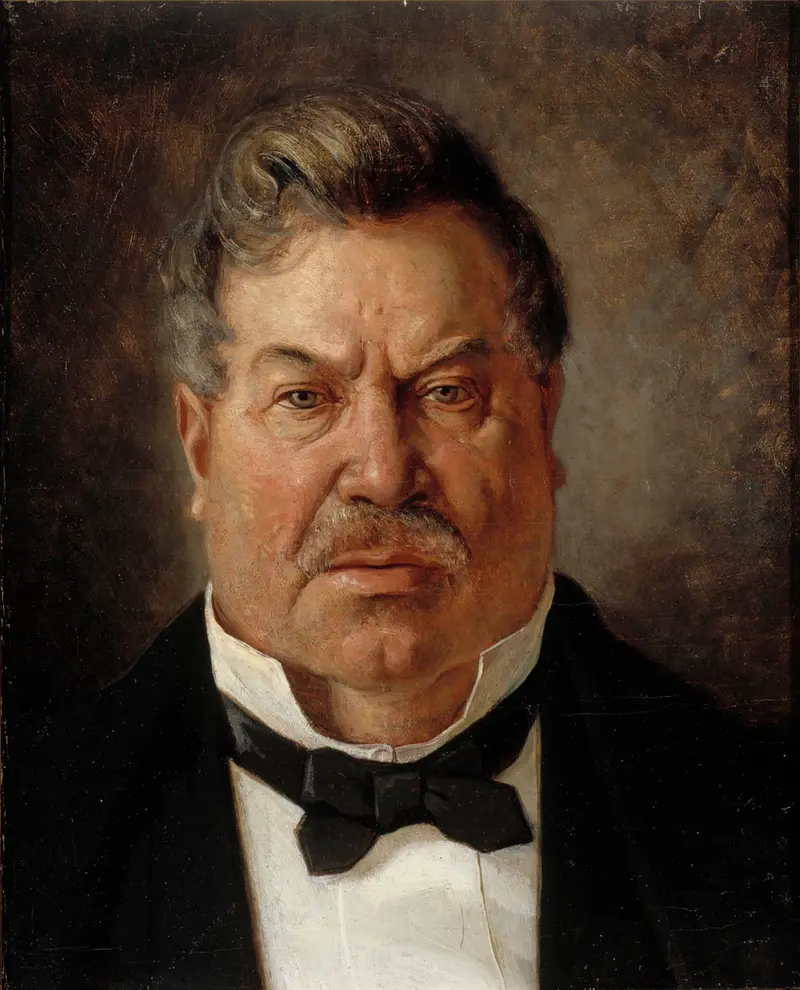
Portrait of August Streng
Albert Edelfelt
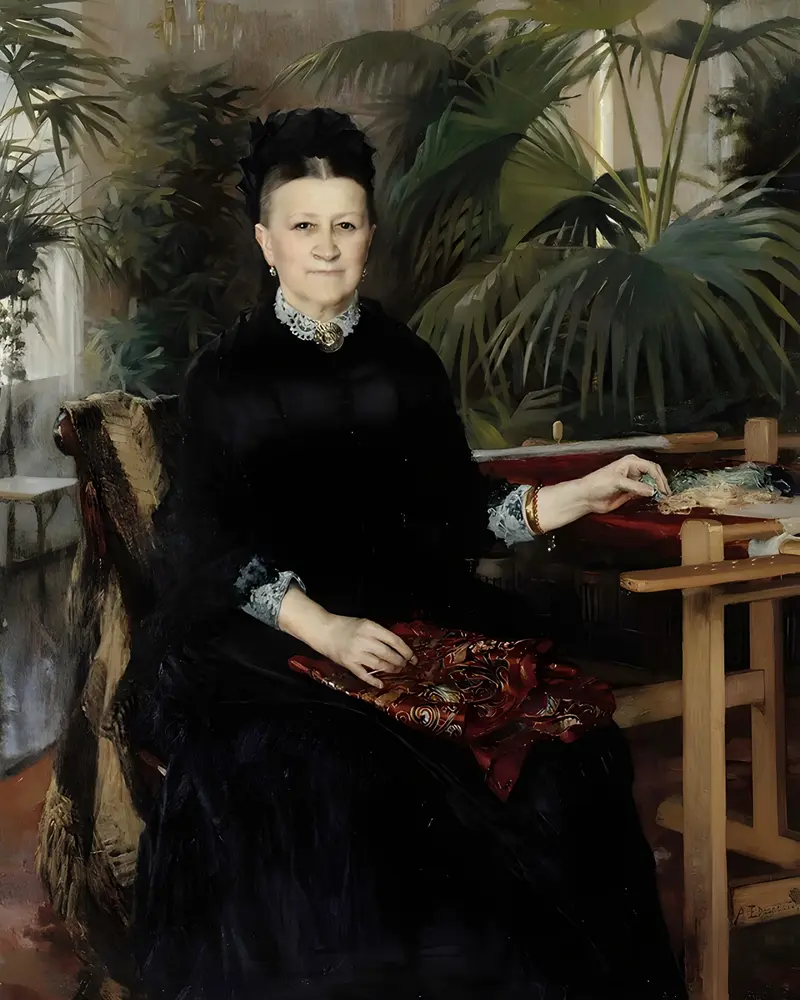
Portrait Of Mrs. Anna Sinebrychoff
Albert Edelfelt

The Poet, Larin Paraske
Albert Edelfelt

Parisian lady in a Peignoir
Albert Edelfelt
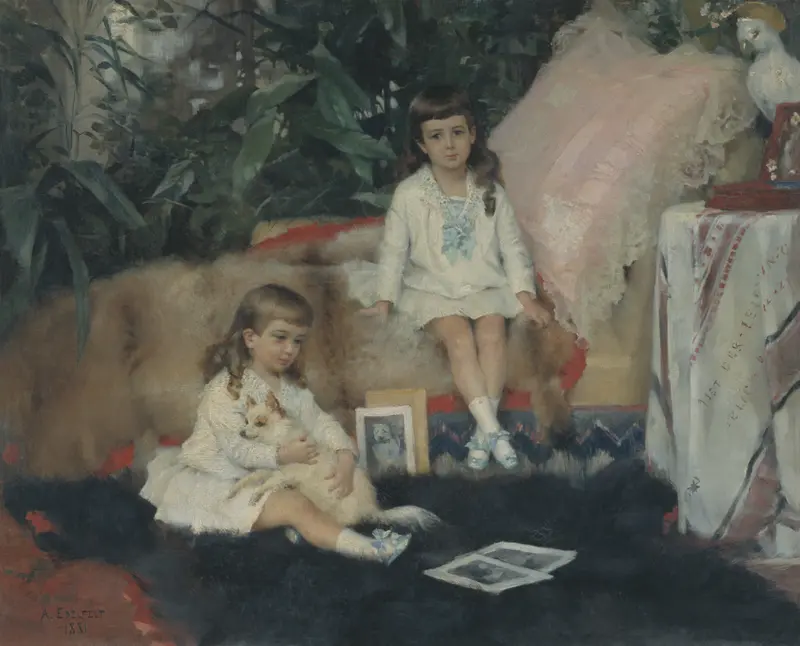
The Grand Dukes Boris and Kirill Vladimirovich as Children
Albert Edelfelt
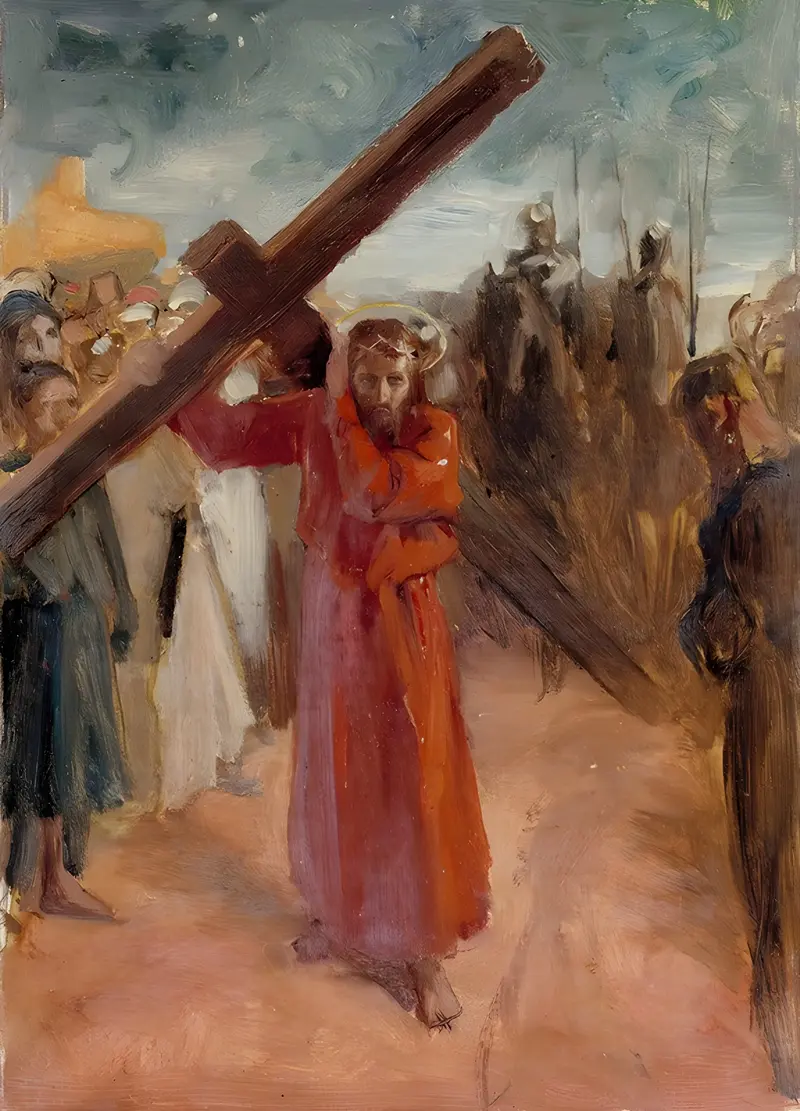
Christ Bears The Cross
Albert Edelfelt
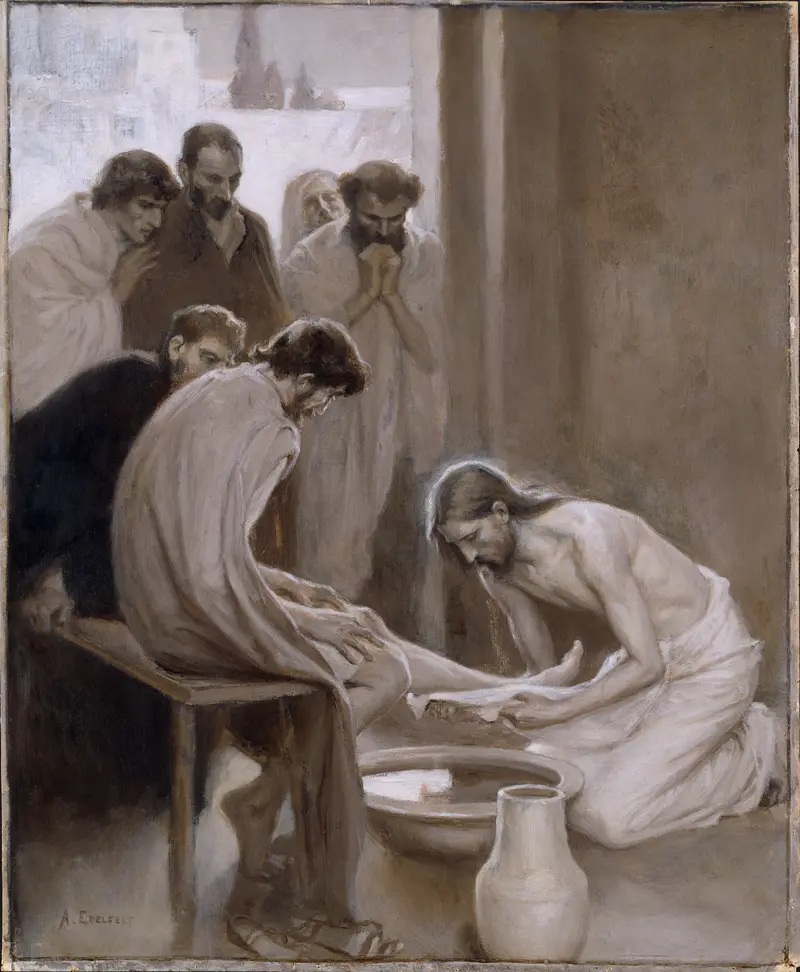
Jesus Washing the Feet of his Disciples
Albert Edelfelt

Larin Paraske with Kantele
Albert Edelfelt
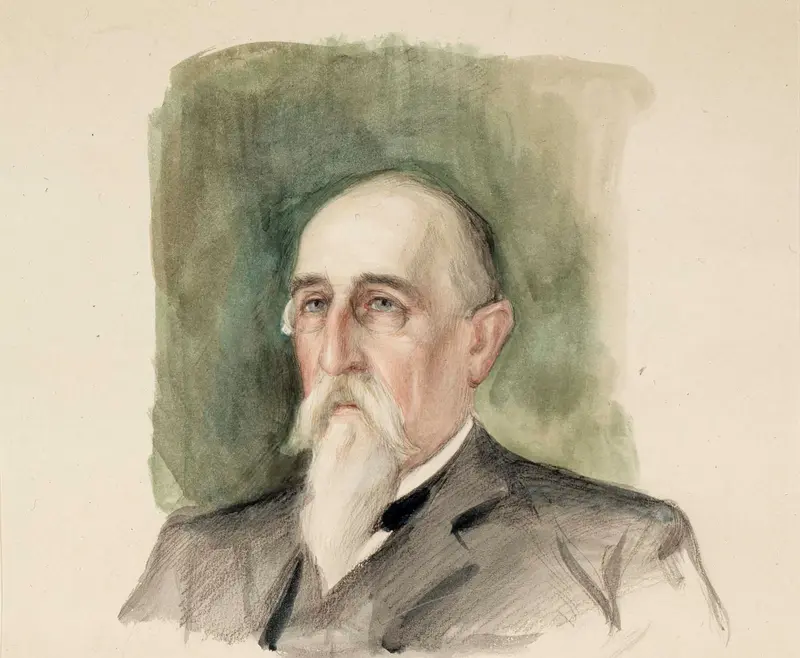
Leo Mechelin, Portrait Study
Albert Edelfelt
More Landscape Art

The Starry Night
Vincent van Gogh

View of Delft
Johannes Vermeer

Water Lilies
Claude Monet

The Grand Canal, Venice, looking north-west from the Ca' Corner to the Ca' Contarini degli Scrigni, with the campanile of Santa Maria della Carità
Canaletto

Windsor Castle
Canaletto

The Grand Canal looking North-East from the Palazzo Dolfin-Manin to the Rialto Bridge
Canaletto