
Ètude d’enfant — History & Facts
In Ètude d’enfant, we see a young child depicted with soft, delicate features. The colors are warm, with a palette of gentle pastels that create a tender atmosphere. The child’s expression is serene, and the background is softly blurred, drawing attention to the figure.
This intimate portrayal captures the innocence and purity of childhood. The painting is executed in oil on canvas, a medium that allows for rich color and texture. Bouguereau's technique is characterized by smooth brushwork and a meticulous attention to detail, particularly in the rendering of the child's skin and hair. The dimensions are approximately 60 x 80 cm, making it a manageable size for display.
The composition is balanced, with the child positioned centrally against a subtle background. William Bouguereau was a prominent French painter known for his realistic genre paintings and portraits. Ètude d’enfant reflects his commitment to Academic painting, showcasing his skill in capturing the human form. An interesting fact about this work is that it serves as a study for larger compositions, illustrating Bouguereau's process of refining his subjects before creating more complex works.
More Artworks by William Bouguereau

A Study For The Secret
William Bouguereau
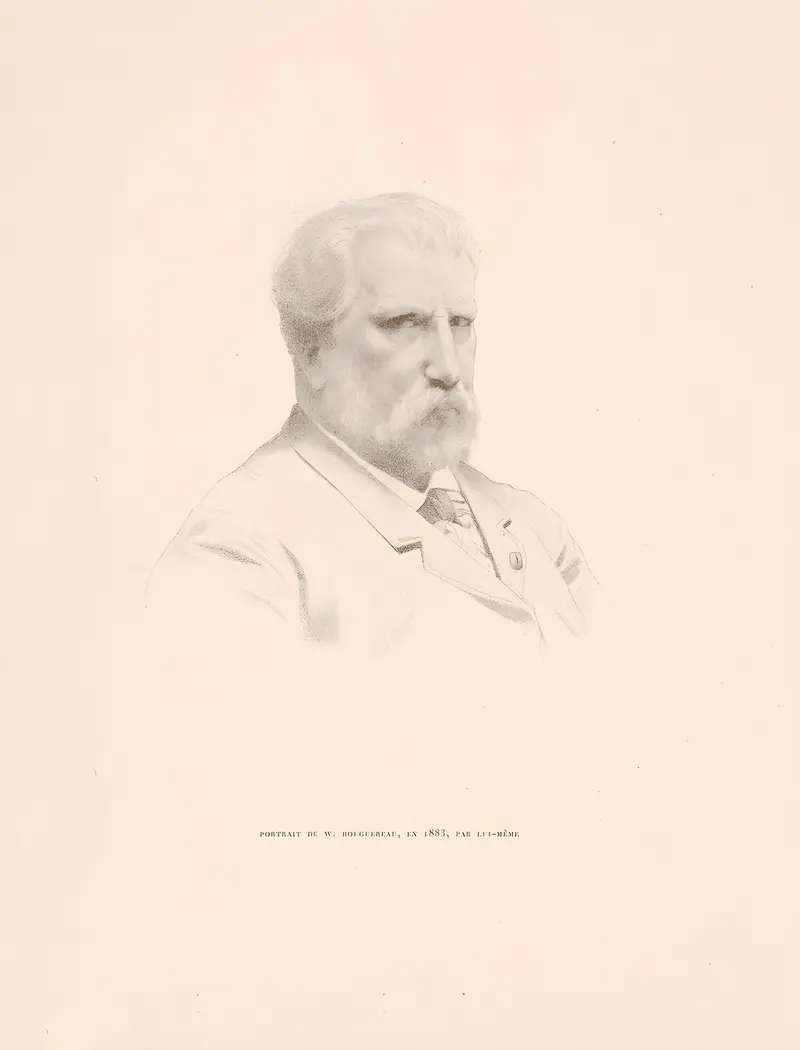
Portrait de W. Bouguereau, en l899
William Bouguereau
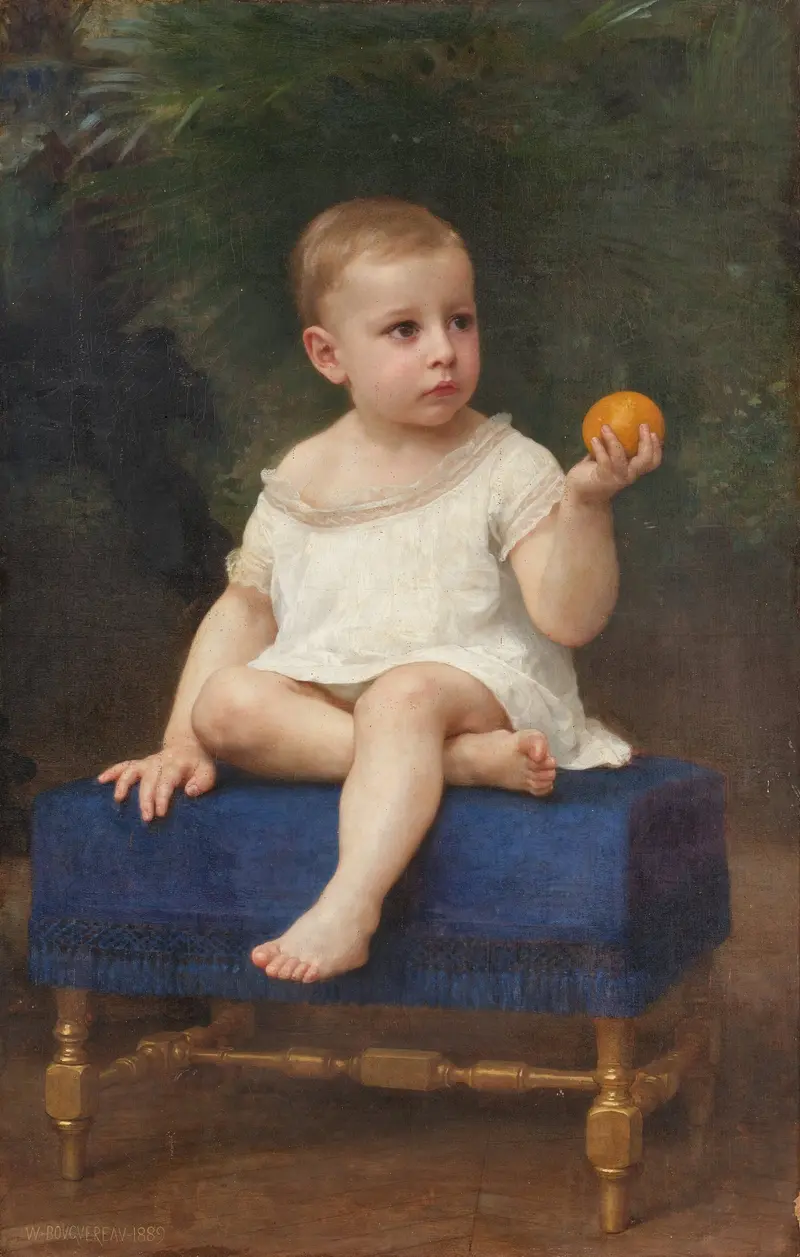
Portrait of a Child of Madame Porter
William Bouguereau
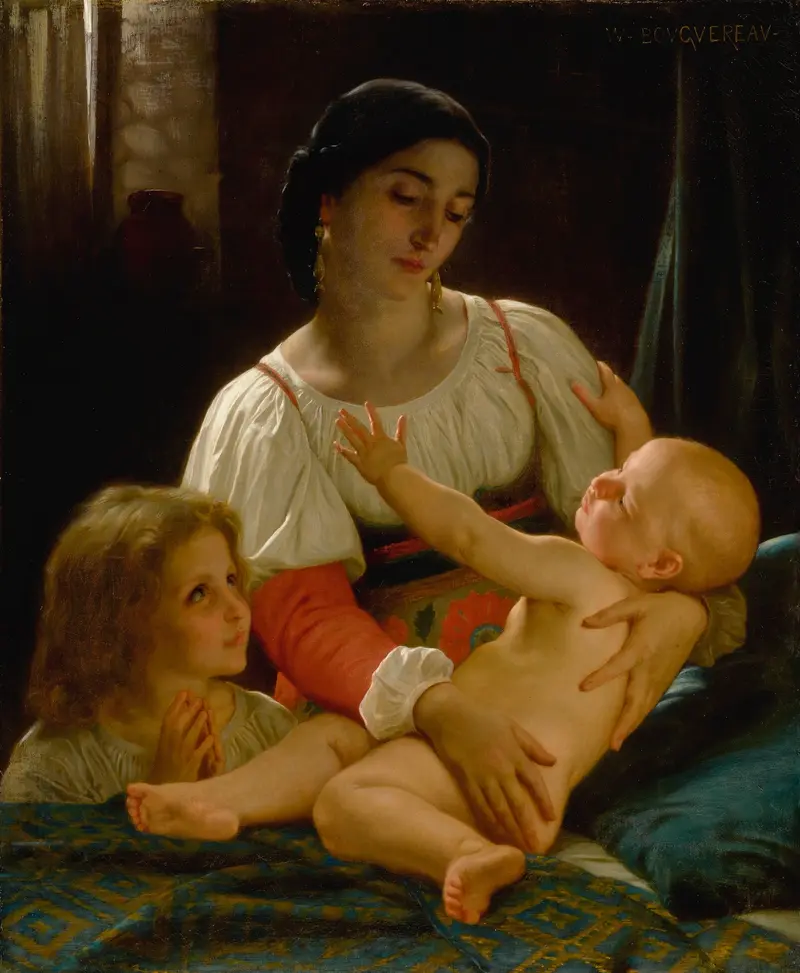
Le Réveil
William Bouguereau
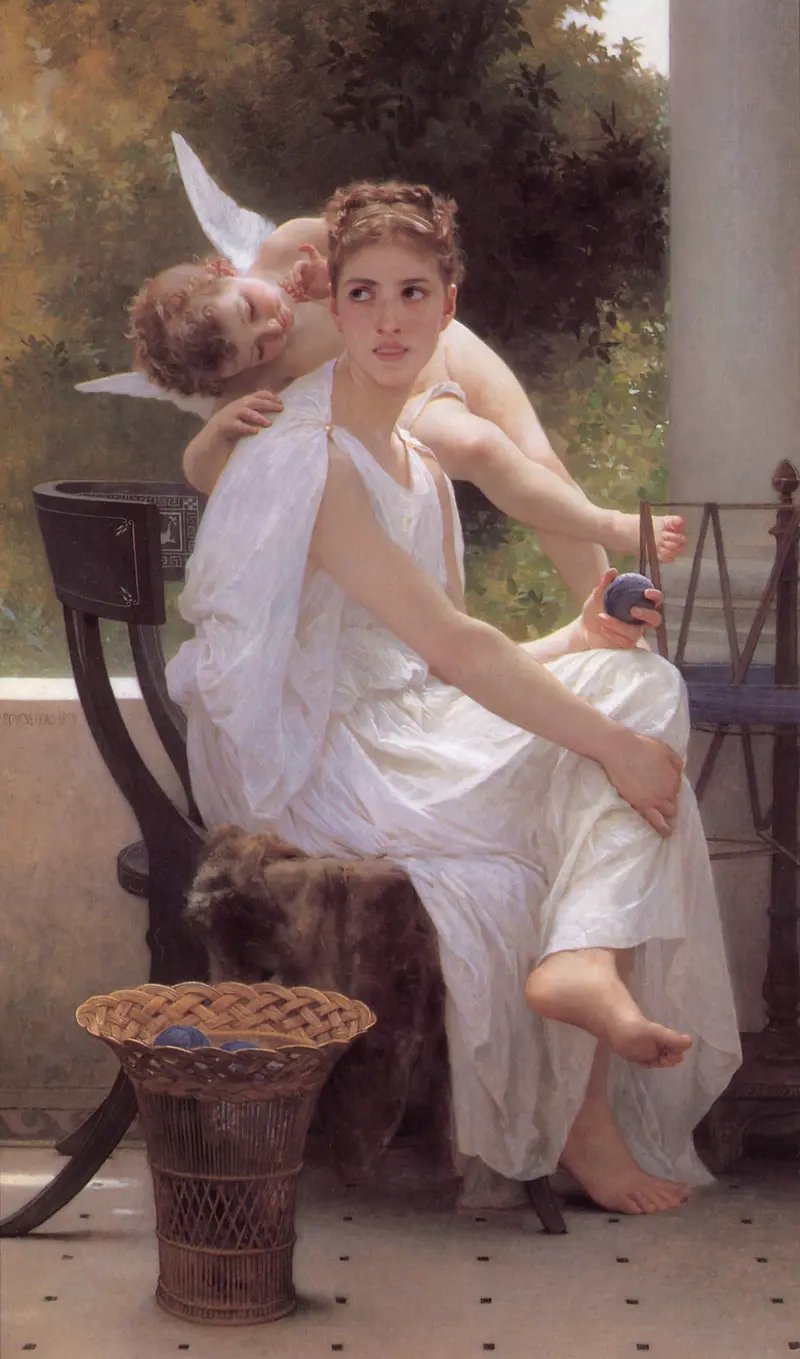
Le travail interrompu
William Bouguereau
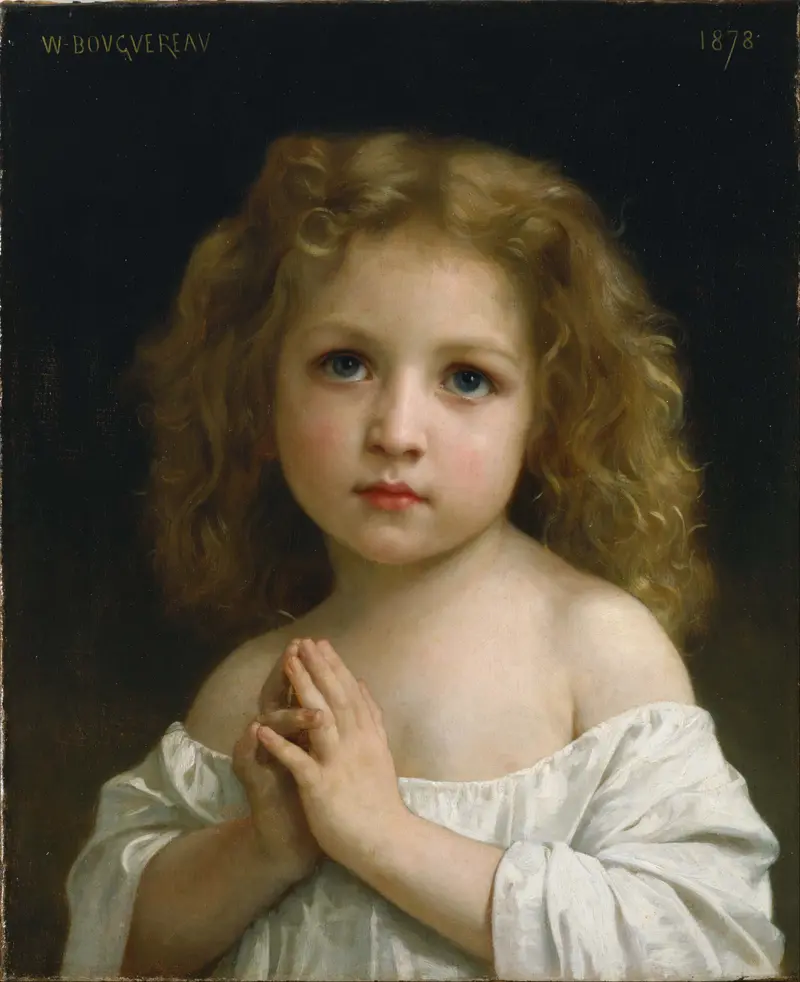
Little Girl
William Bouguereau
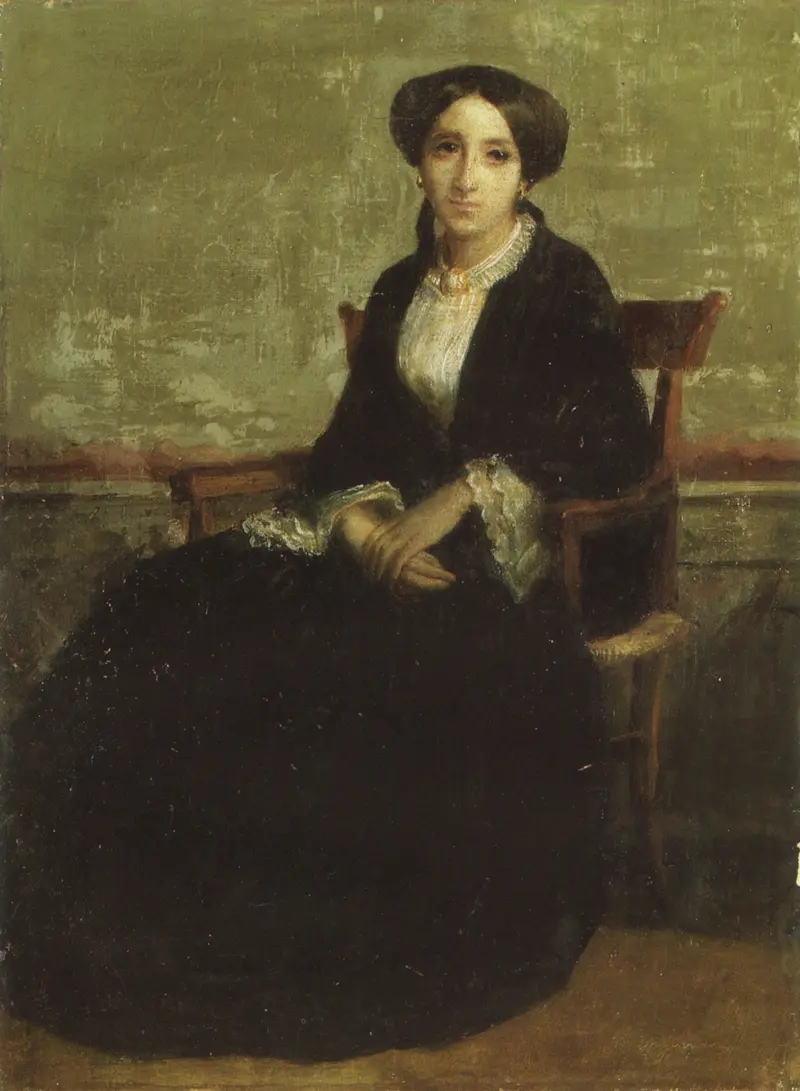
Portrait of Céline Geneviève
William Bouguereau

Bohémienne Au Tambour De Basque
William Bouguereau
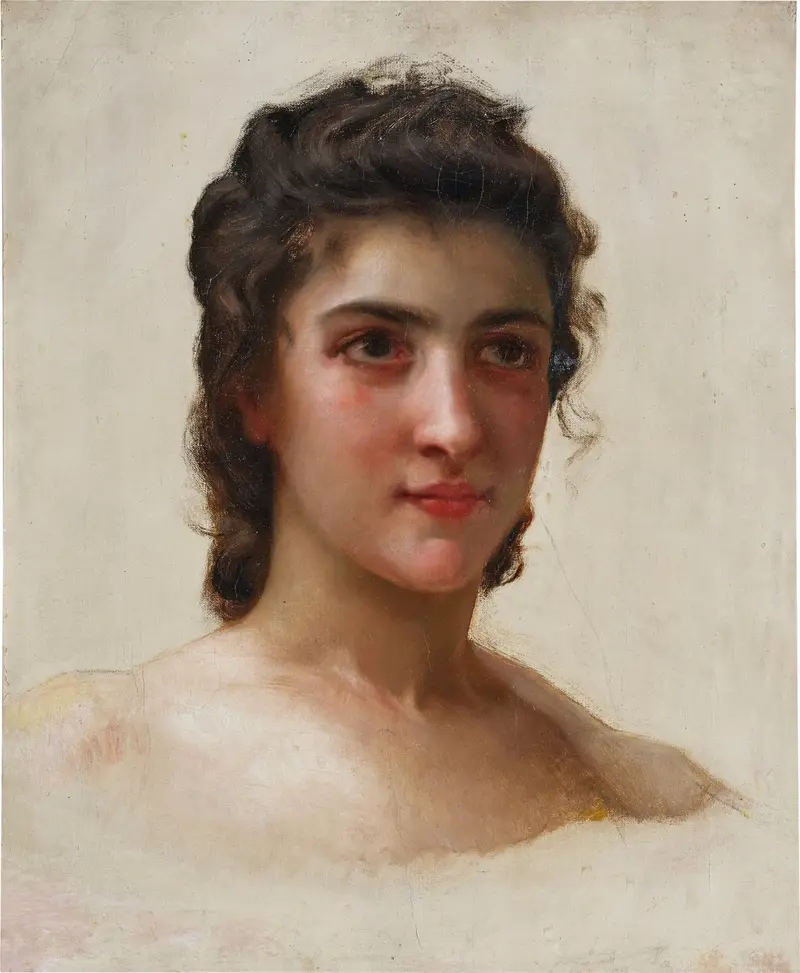
Portrait Study of Gabrielle Drunzer
William Bouguereau
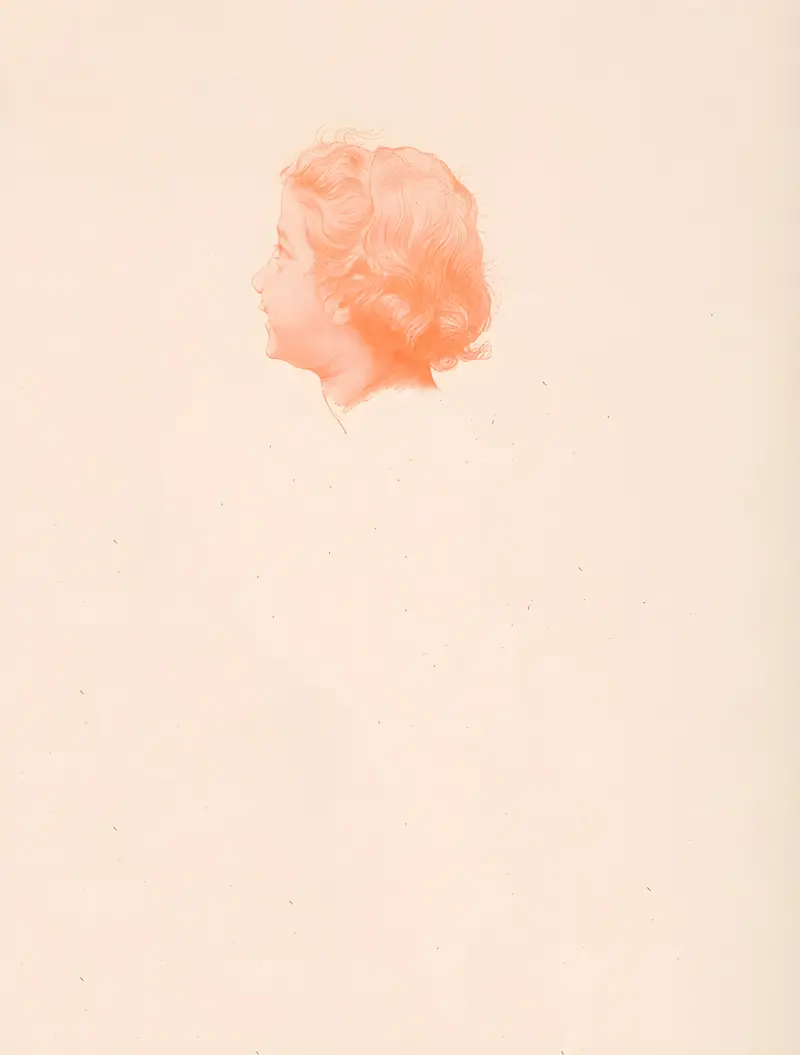
Tête d’enfant
William Bouguereau





