
Etude de ciel — History & Facts
In the stillness of the moment, desire hangs thickly in the air, an unspoken yearning that transcends the painted surface. Focus on the luminous expanse of sky that dominates the composition, rich with swirling blues and ethereal whites. Notice how the soft brushstrokes convey the fleeting nature of light, creating a sense of movement that draws your gaze upward. The horizon is delicate, whispering promises of a world beyond, while the subtly layered colors evoke a harmony that is both calming and invigorating. The painting resonates with contrasts; the wildness of the brushwork reflects the chaos of emotion, while the serene palette invites contemplation.
Hidden within the clouds are hints of longing—fractured moments of beauty that speak to the heart’s deepest desires. Each stroke is a testament to the artist's quest for connection with the ethereal, drawing us into a dialogue with both nature and ourselves. During the period between 1915 and 1945, Guillaumin’s work embodied the evolving landscape of post-impressionism. As he painted Etude de ciel, the world was grappling with turmoil from the Great War and the shifting art movements around him.
Often overlooked, Guillaumin's exploration of light and color positioned him as a vital figure in the quest for personal expression, capturing the essence of feeling that resonates even today.
More Artworks by Armand Guillaumin
Browse all →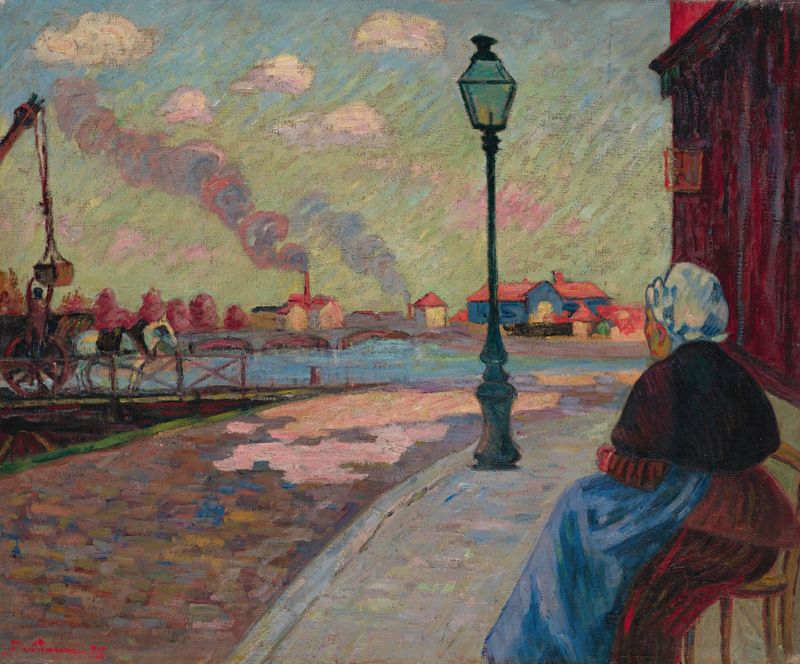
La Seine À Charenton
Armand Guillaumin
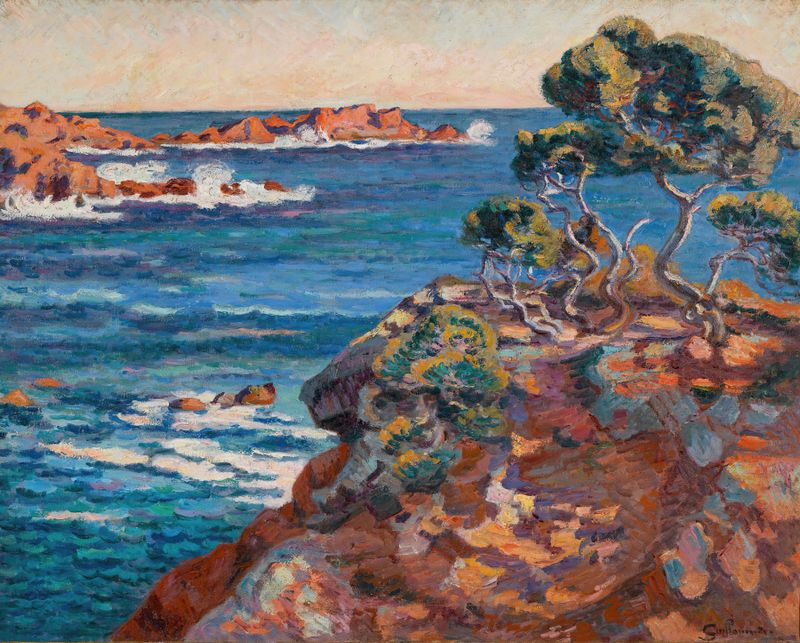
Bord De Mer À Agay
Armand Guillaumin
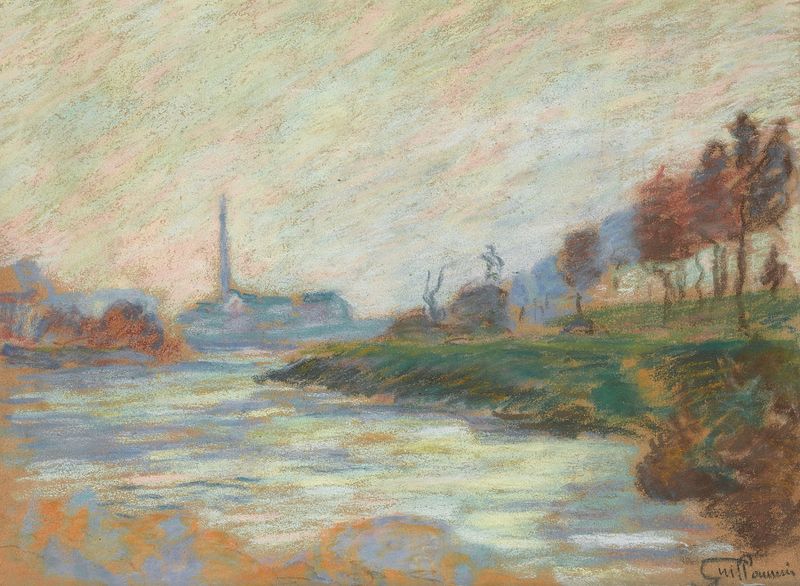
Confluent De La Marne Et De La Seine, Île De La France
Armand Guillaumin

Le Ravin de la folie, vue de Chateau Crozant
Armand Guillaumin
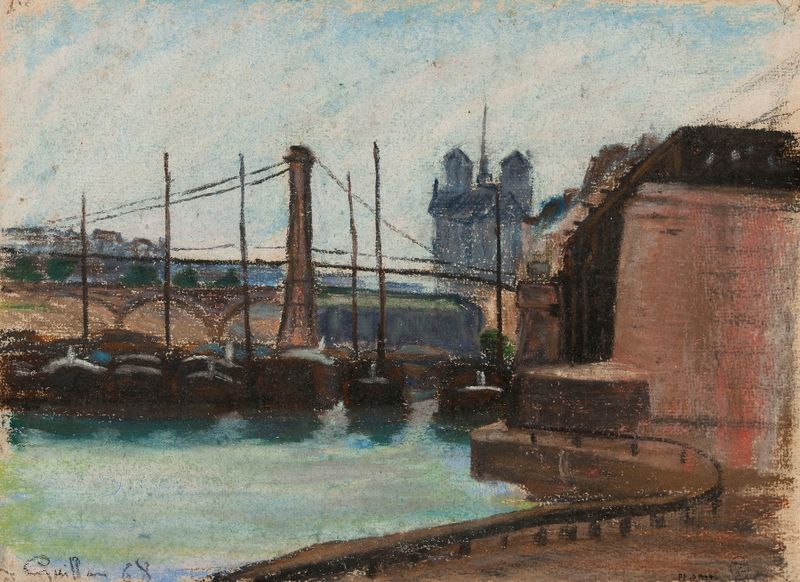
Le Pont d’Austerlitz
Armand Guillaumin

Paysage de Printemps
Armand Guillaumin
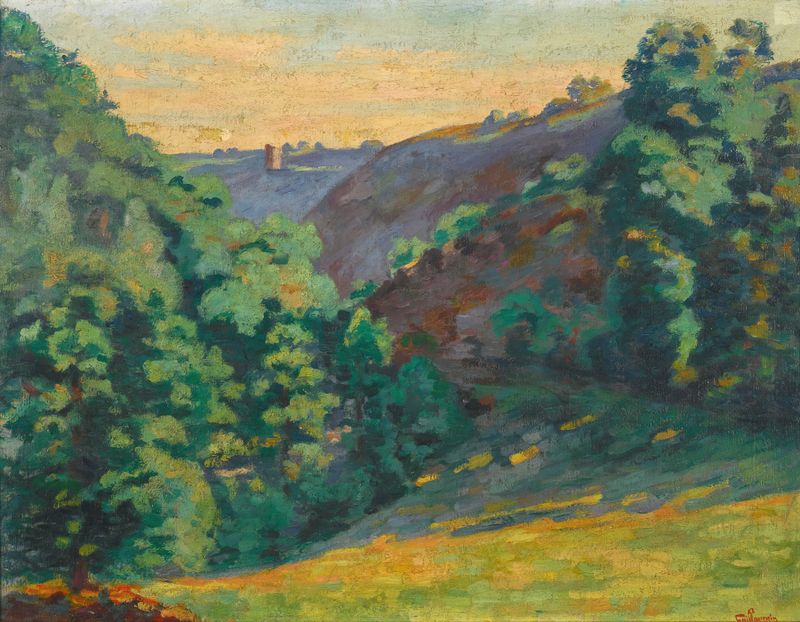
Crozant, Le Ravin De La Sedelle À La Folie
Armand Guillaumin
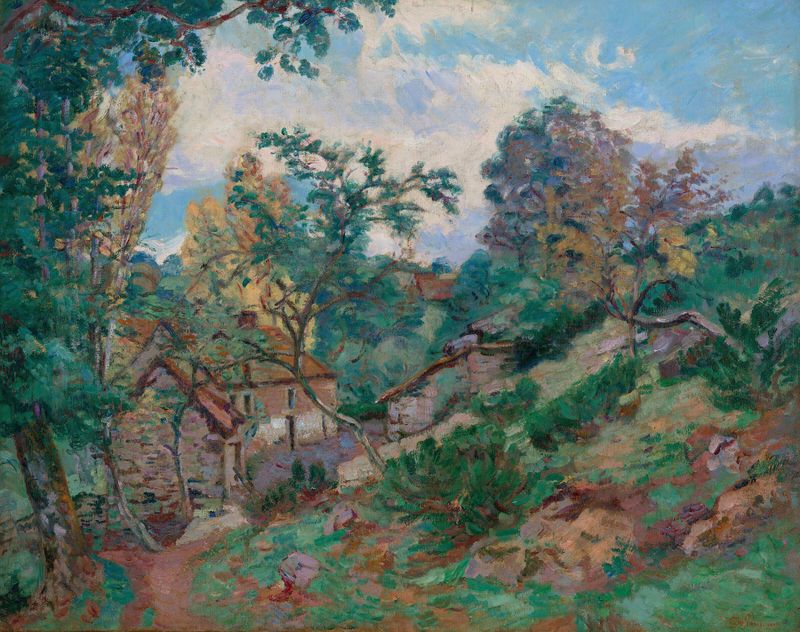
Paysage
Armand Guillaumin

La vallée de la creuse
Armand Guillaumin

L’Eglise Saint-Sulpice, Paris
Armand Guillaumin





