
Ètude de jeune femme — History & Facts
In Ètude de jeune femme, we see a young woman with delicate features and a serene expression. The artist uses soft, natural colors, primarily warm tones of skin and subtle shades of fabric. She is depicted in a simple setting that emphasizes her beauty and poise.
The background is softly blurred, drawing attention to her face and attire. The painting showcases Bouguereau's skill in rendering human anatomy and fabric textures. The smooth brushwork creates a lifelike quality, making the skin appear almost luminous. The careful attention to detail in the woman's hair and clothing highlights the artist's academic training.
Viewers can appreciate the balance and harmony in the composition. William Bouguereau was a prominent figure in 19th-century French art, known for his realistic and idealized depictions of the human figure. Ètude de jeune femme serves as a study of beauty and grace, reflecting the artist's mastery of portraiture. Interestingly, Bouguereau often painted young women, celebrating their beauty in a way that was both respectful and idealized.
This work exemplifies his commitment to academic standards and realism.
More Artworks by William Bouguereau

A Study For The Secret
William Bouguereau
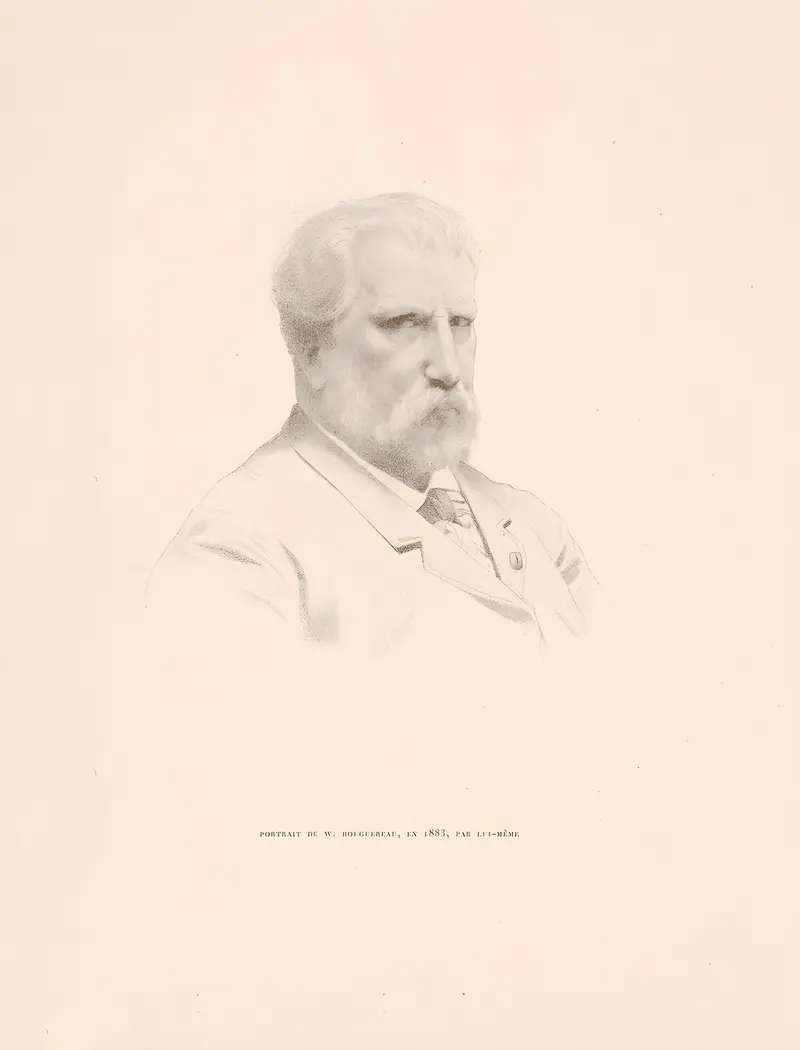
Portrait de W. Bouguereau, en l899
William Bouguereau
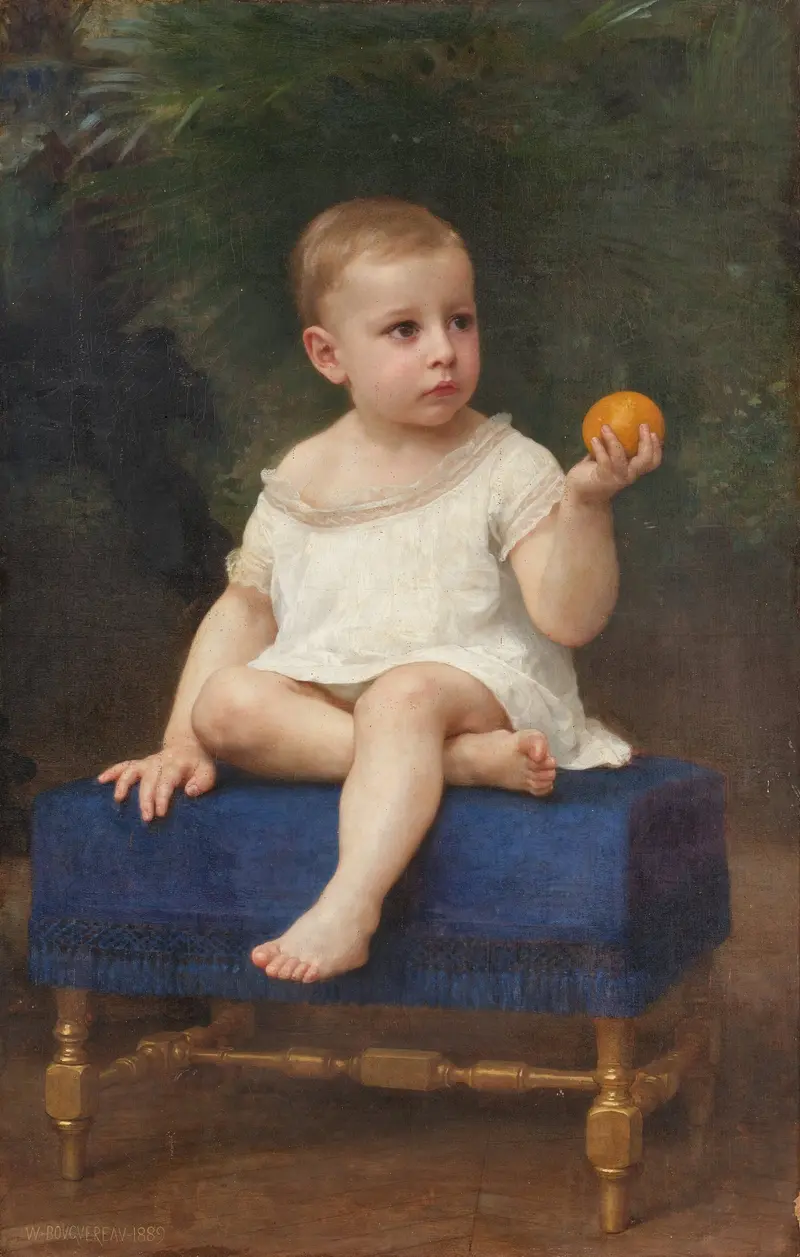
Portrait of a Child of Madame Porter
William Bouguereau
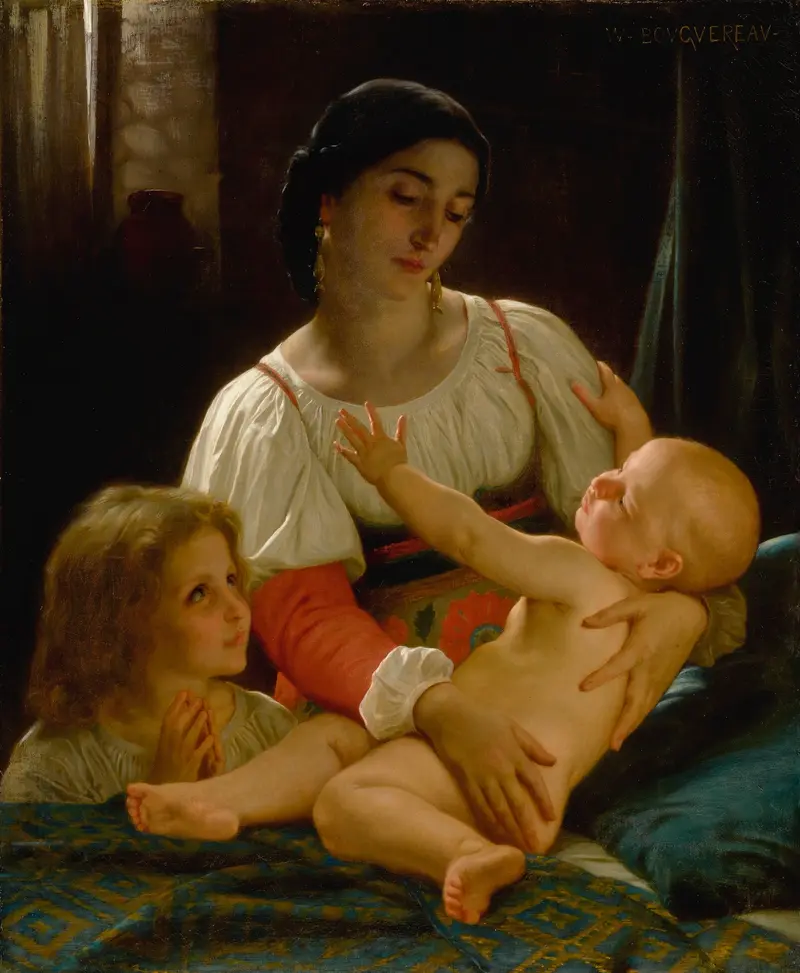
Le Réveil
William Bouguereau
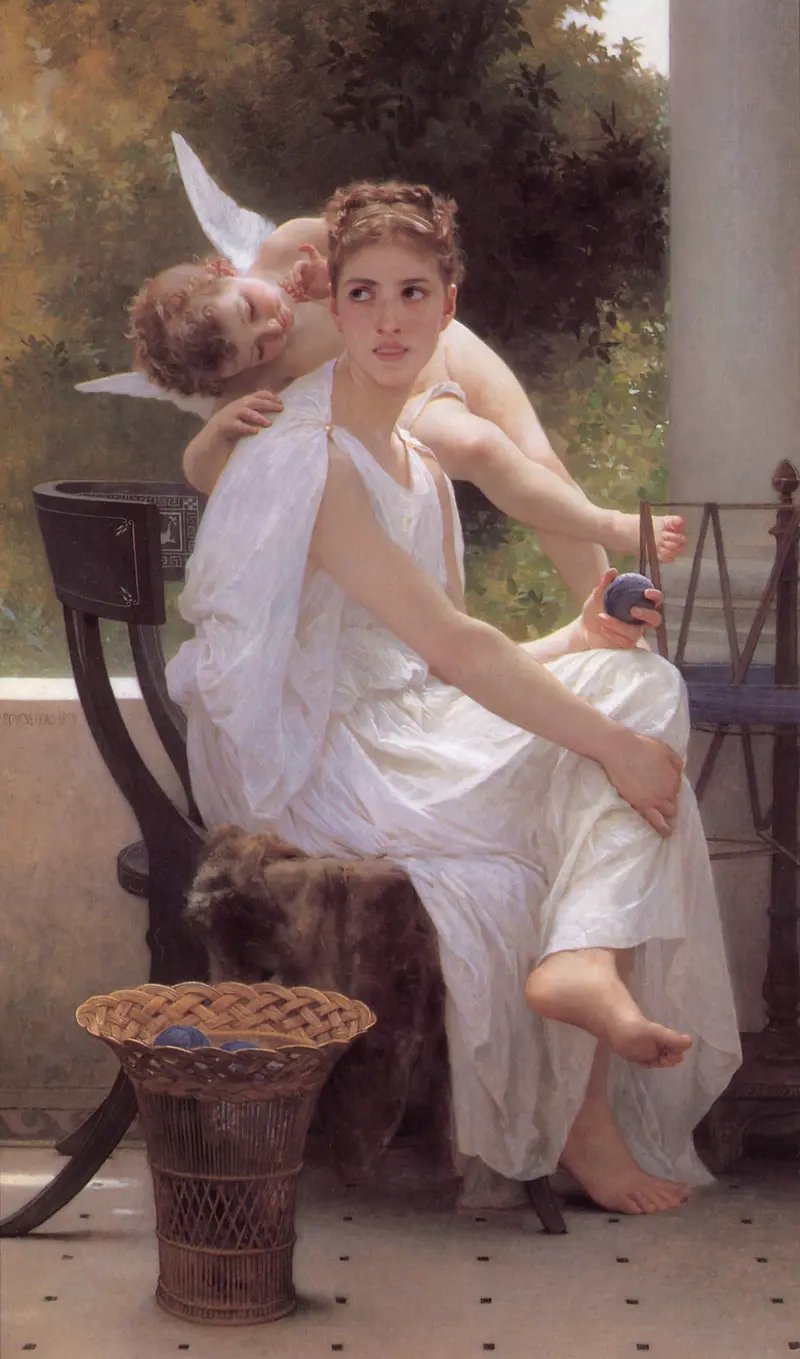
Le travail interrompu
William Bouguereau
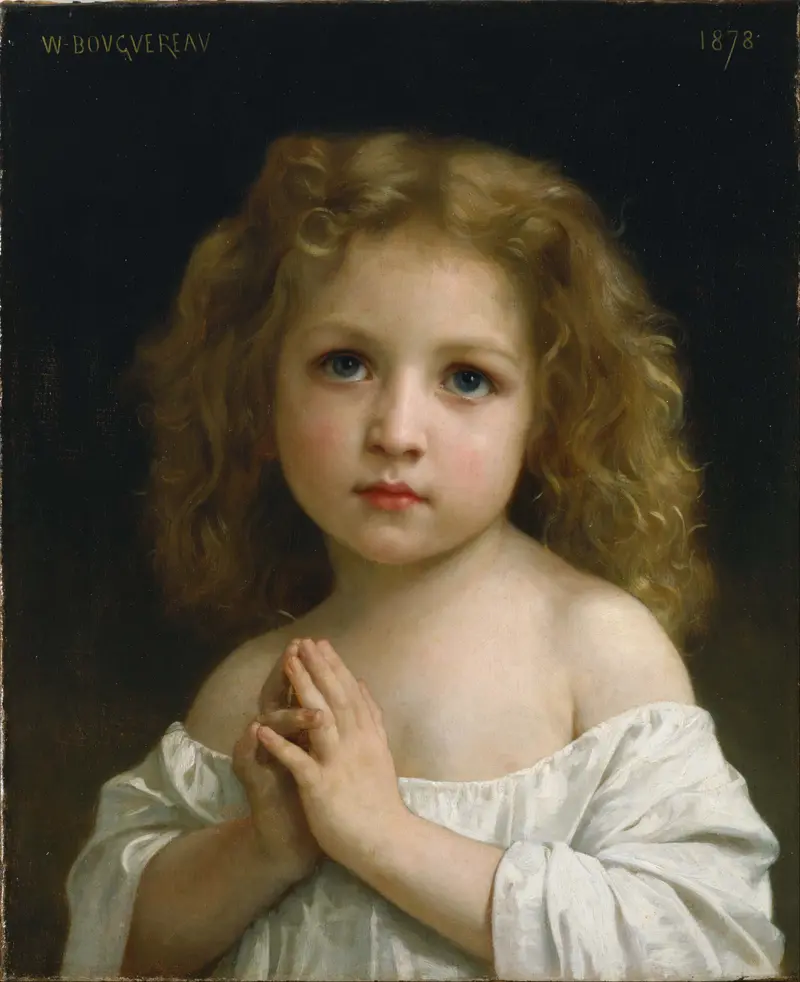
Little Girl
William Bouguereau
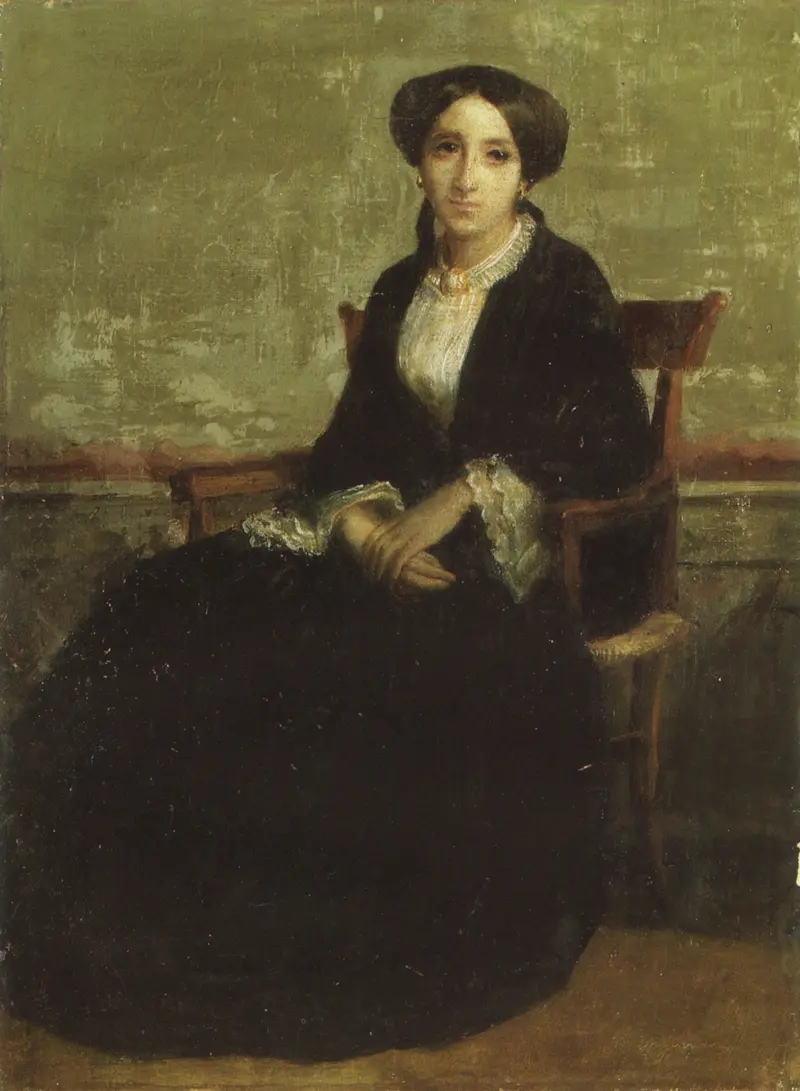
Portrait of Céline Geneviève
William Bouguereau

Bohémienne Au Tambour De Basque
William Bouguereau
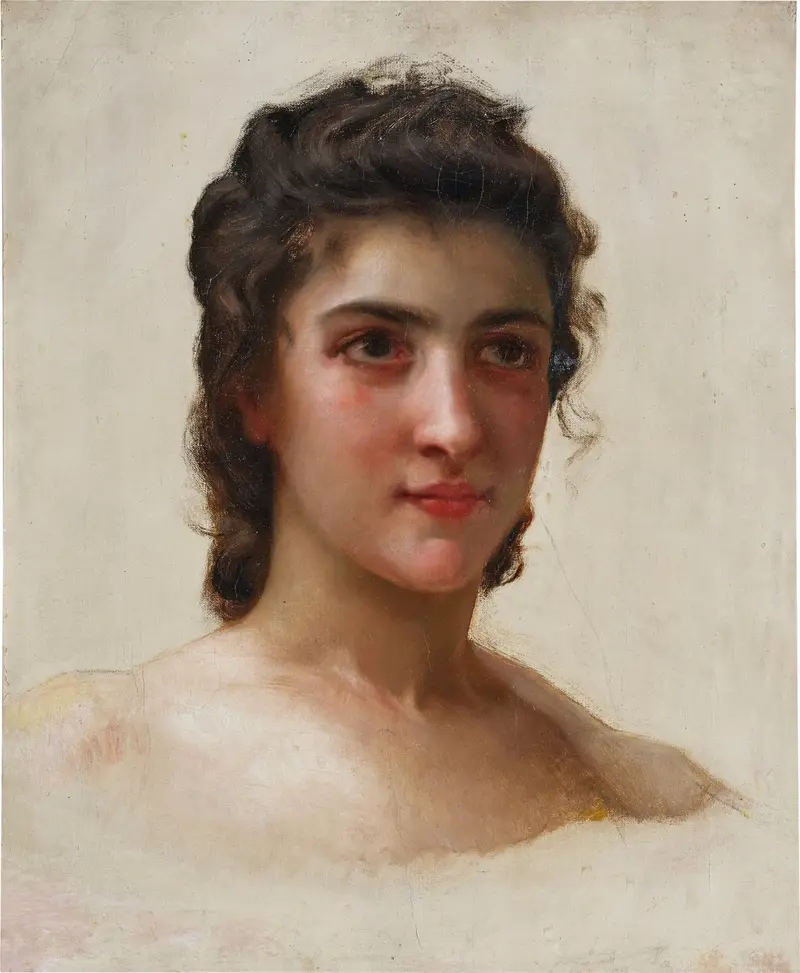
Portrait Study of Gabrielle Drunzer
William Bouguereau
Tête d’enfant
William Bouguereau





