
Ètude de jeune fille — History & Facts
In Ètude de jeune fille, the viewer is greeted by a young girl with delicate features and a gentle expression. The artist uses soft, natural colors, primarily pastels, to create a warm and inviting atmosphere. The girl's attire is simple yet elegant, emphasizing her youth and innocence.
The background is blurred, focusing attention on the figure and enhancing the sense of intimacy. The painting is executed in oil on canvas, a medium that allows for rich textures and subtle color variations. Bouguereau's technique is characterized by smooth brushwork and meticulous attention to detail, particularly in the rendering of skin tones and fabric. The dimensions of the artwork are approximately 60 x 80 cm, making it a manageable size for display.
This work exemplifies the academic style prevalent in the late 19th century. William Bouguereau was a prominent French painter known for his academic style and focus on the human figure. Ètude de jeune fille reflects his dedication to realism and beauty, often featuring young women and children. An interesting fact about this work is that it was likely created as a study for a larger composition, showcasing Bouguereau's process of refining his subjects.
His works remain highly regarded and sought after in the art market.
More Artworks by William Bouguereau

A Study For The Secret
William Bouguereau
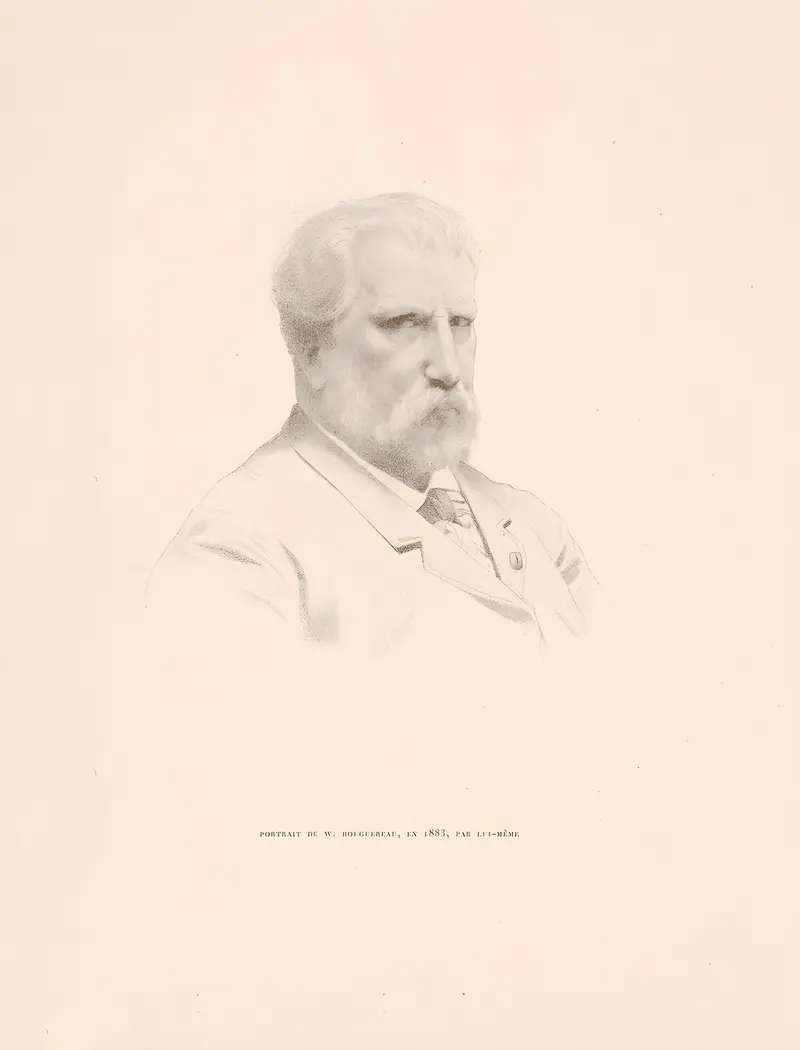
Portrait de W. Bouguereau, en l899
William Bouguereau
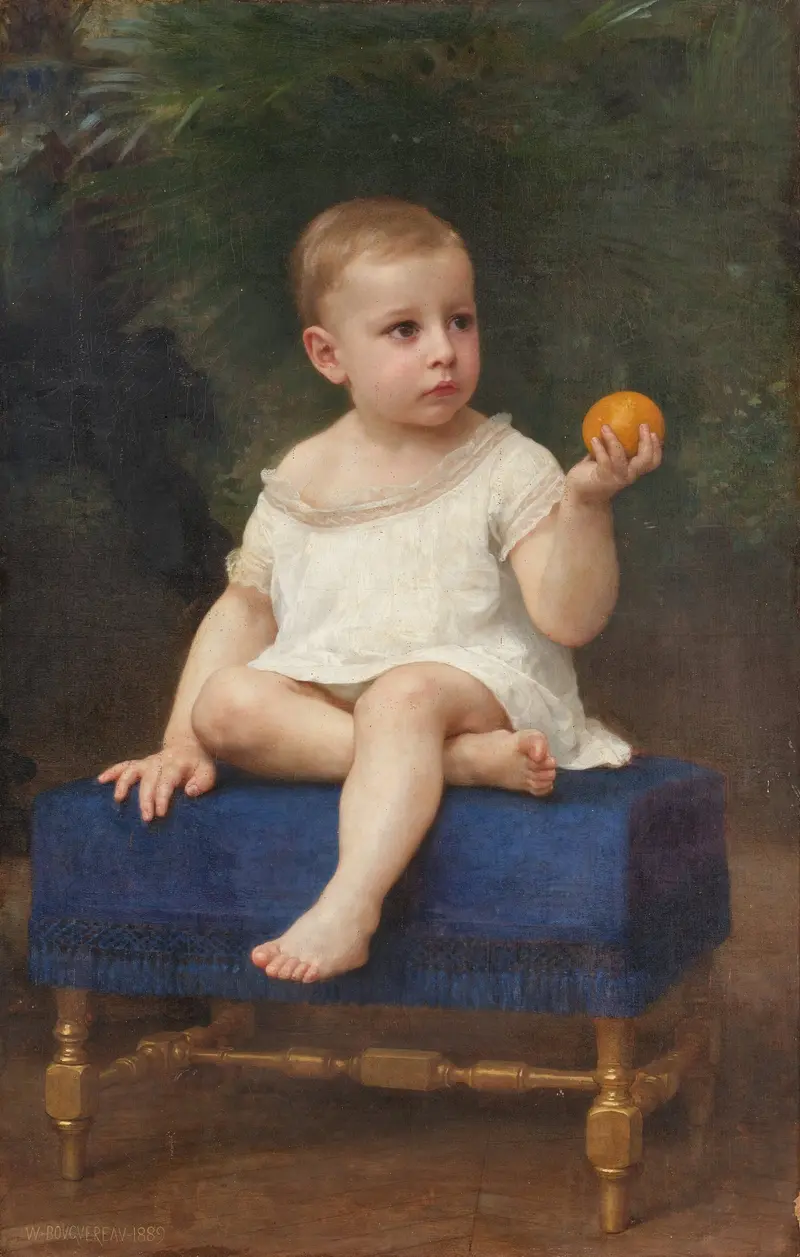
Portrait of a Child of Madame Porter
William Bouguereau
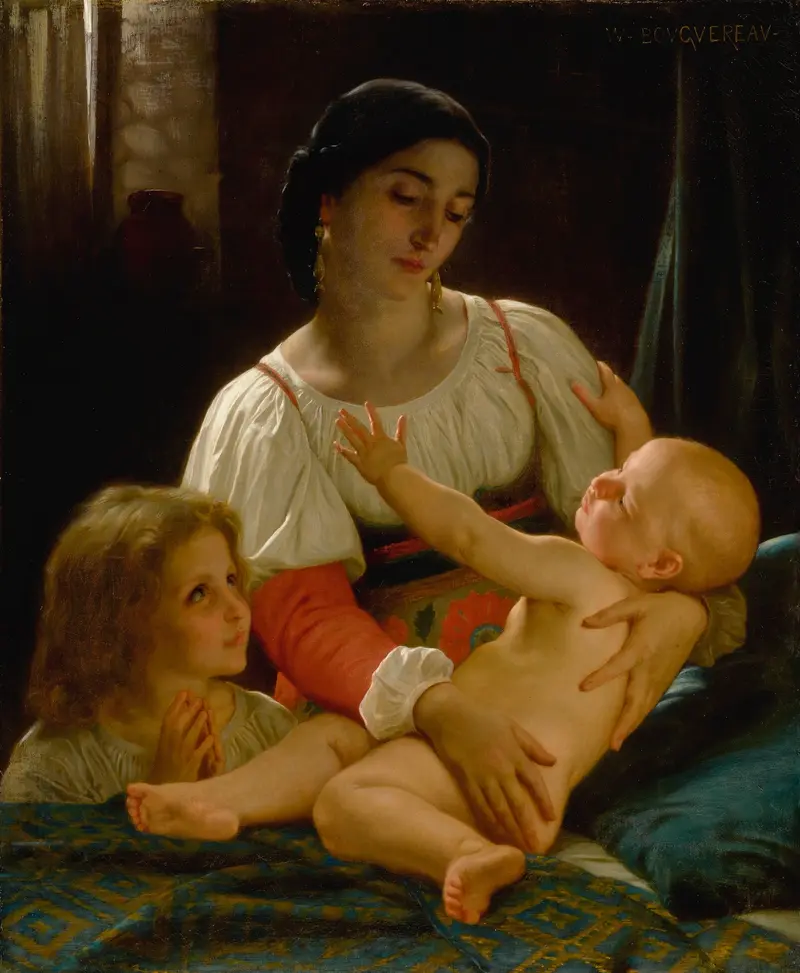
Le Réveil
William Bouguereau
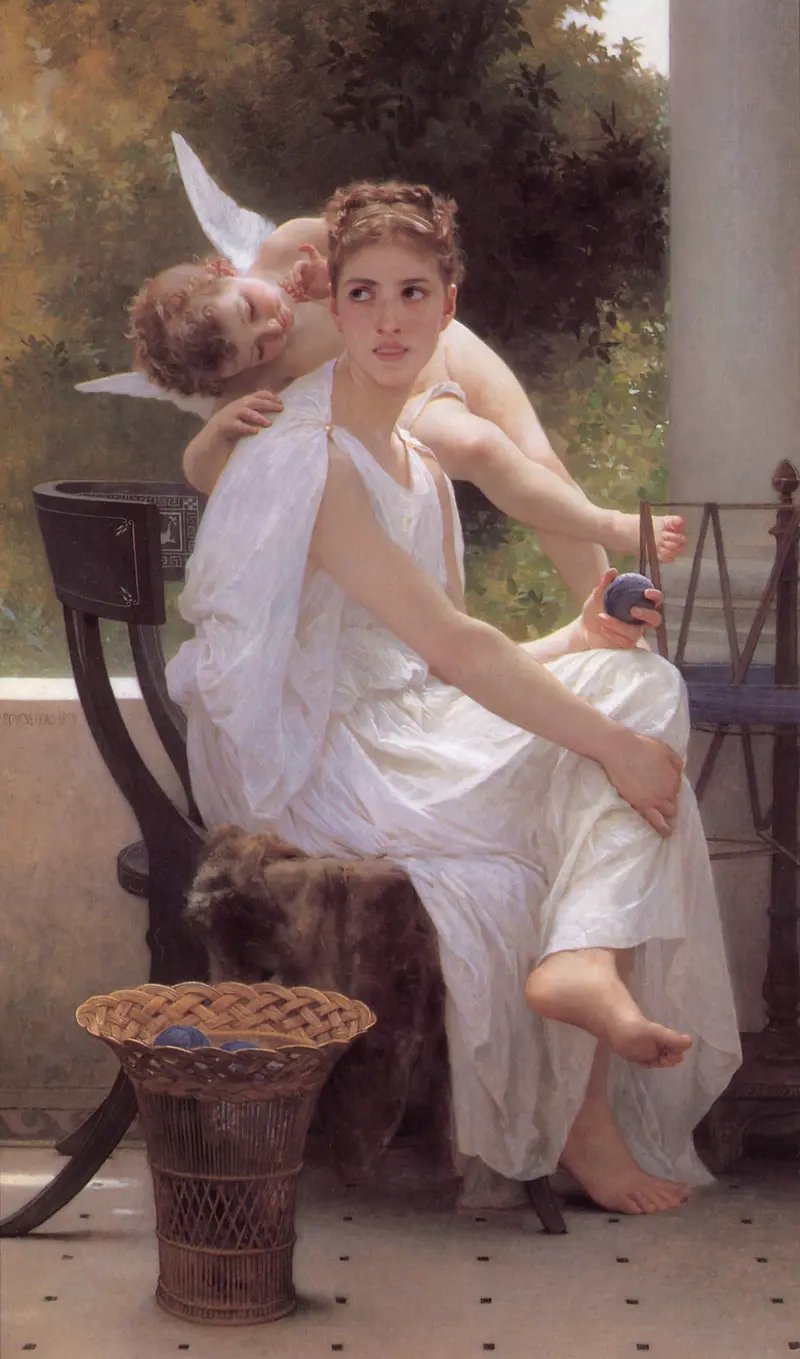
Le travail interrompu
William Bouguereau
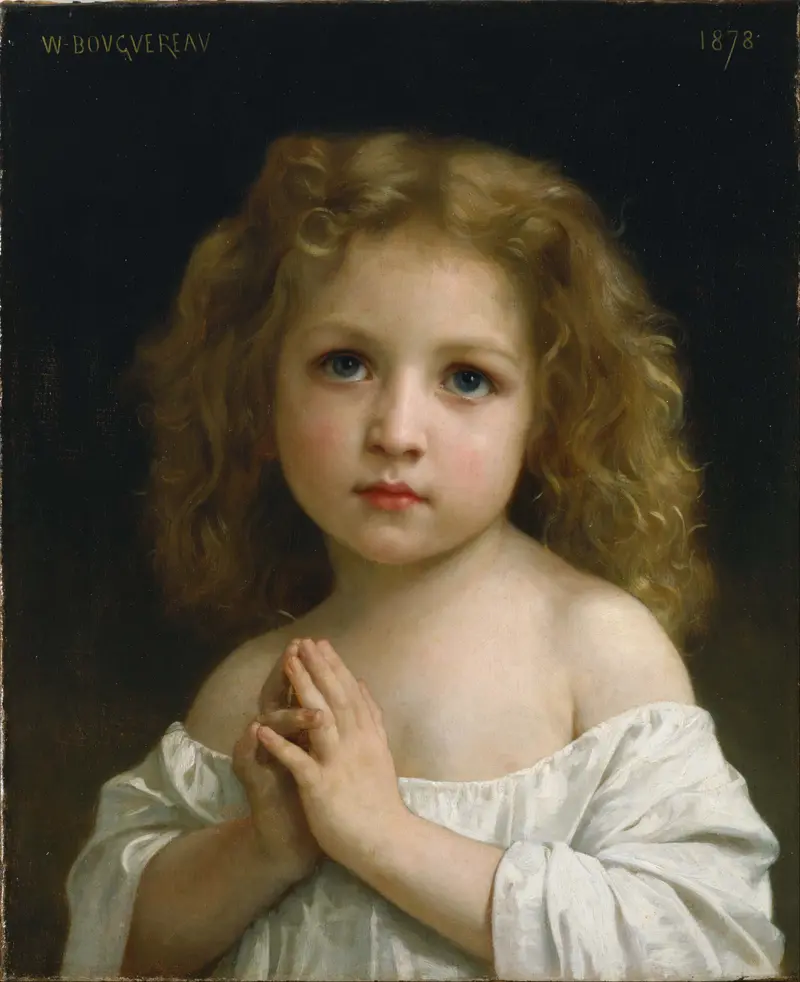
Little Girl
William Bouguereau
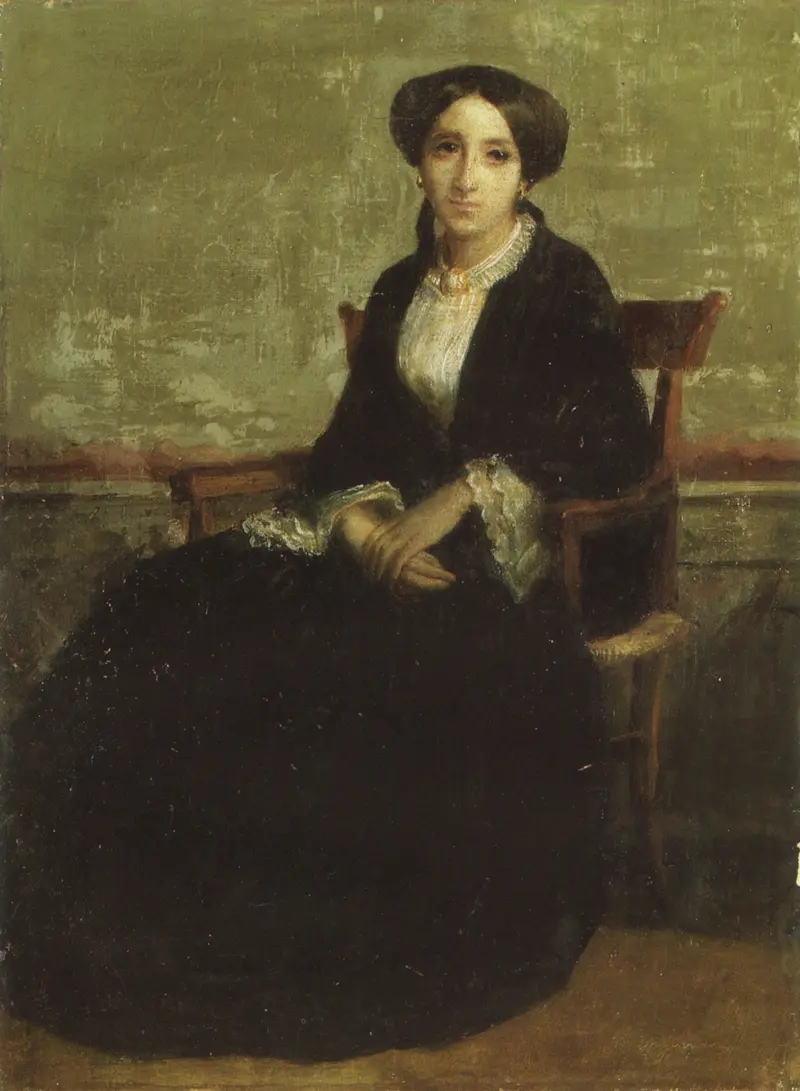
Portrait of Céline Geneviève
William Bouguereau

Bohémienne Au Tambour De Basque
William Bouguereau
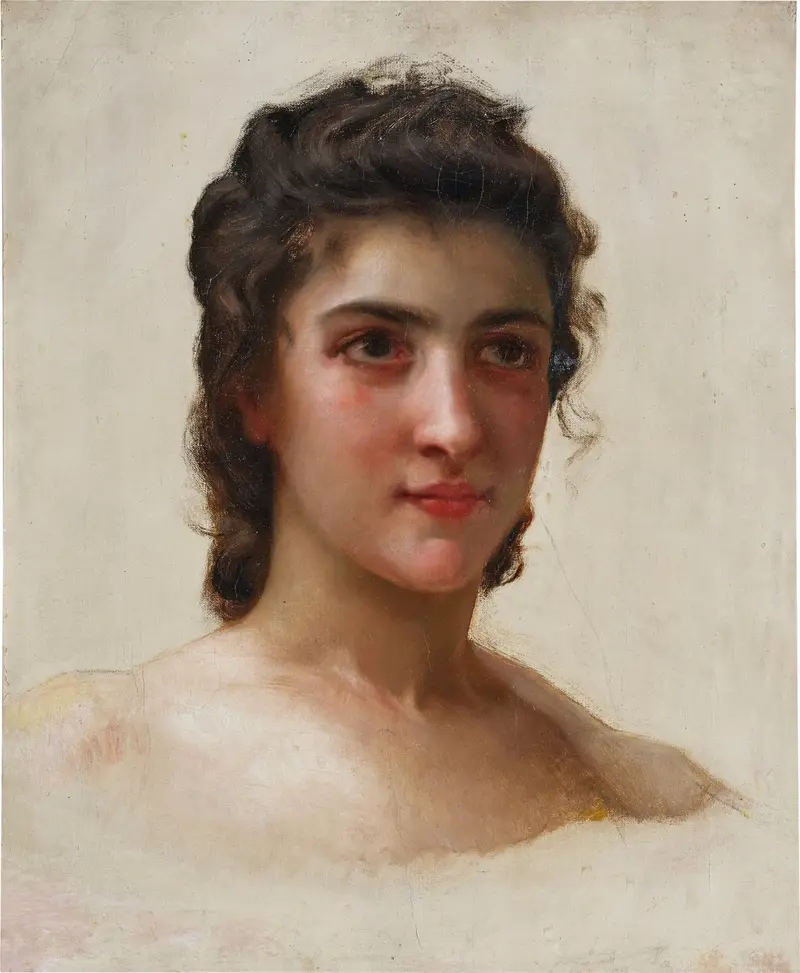
Portrait Study of Gabrielle Drunzer
William Bouguereau
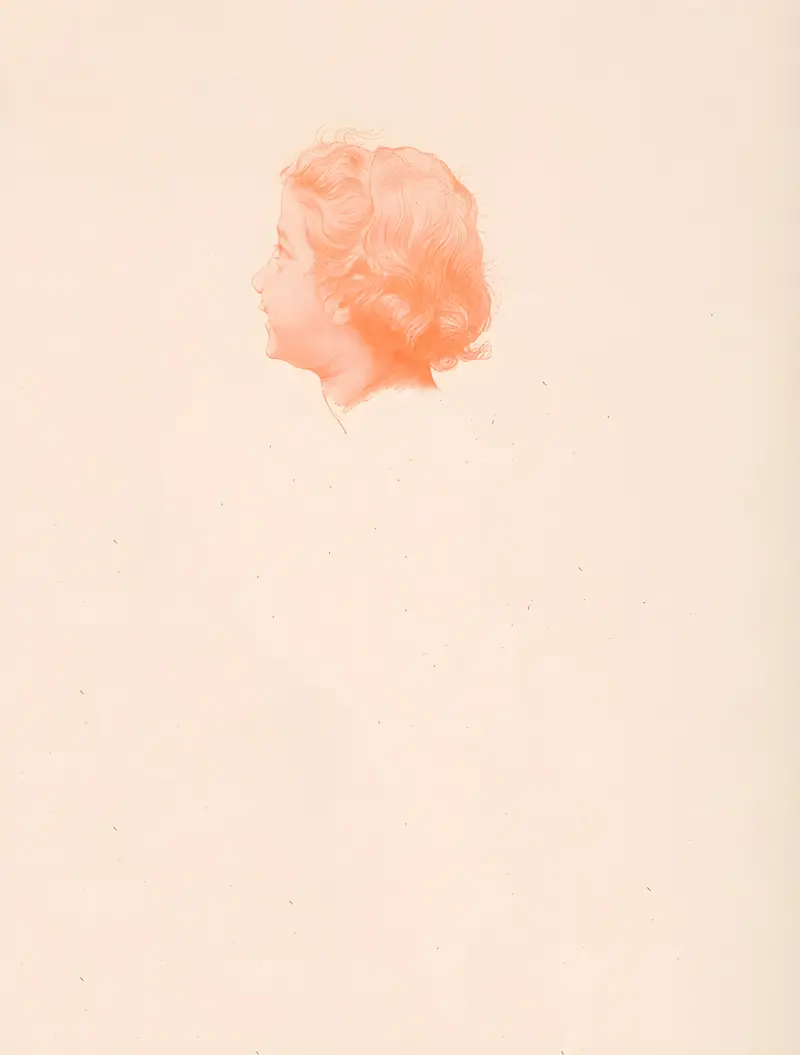
Tête d’enfant
William Bouguereau





