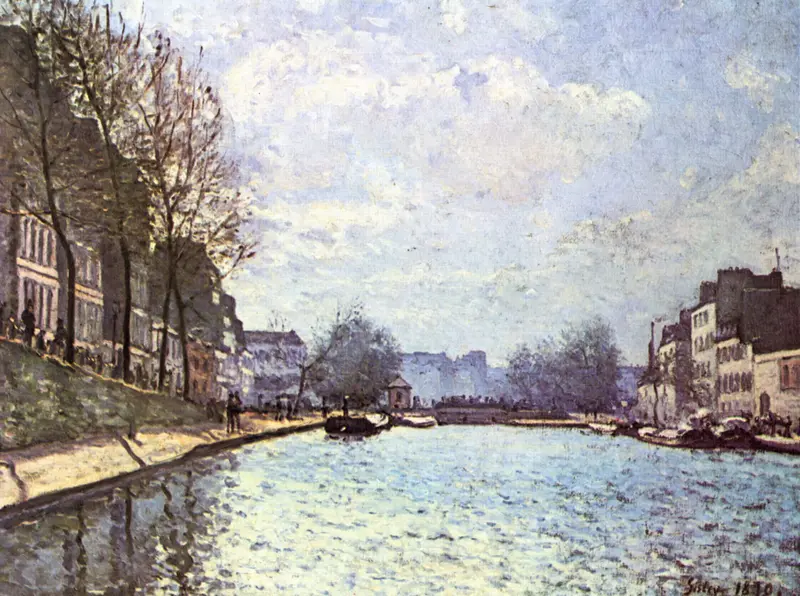
Ètude pour la dècoration de l’èglise Saint-Augustin — History & Facts
In Ètude pour la dècoration de l’èglise Saint-Augustin, the viewer is greeted by a harmonious blend of colors, predominantly warm tones of gold and cream. The painting features intricate architectural elements, including arches and columns that suggest a grand setting. Figures are depicted in soft, realistic detail, contributing to the overall sense of depth and perspective.
The composition draws the eye towards the central architectural features, creating a focal point that invites contemplation. The painting is executed in oil on canvas, showcasing Bouguereau's skill in rendering textures and light. The brushwork is meticulous, with fine details that highlight the ornate decorations of the church's interior. The dimensions are approximately 100 x 150 cm, making it a sizable piece that commands attention.
Viewers can appreciate the careful planning and execution that went into this architectural study. William Bouguereau was known for his academic approach to painting, often focusing on themes of beauty and realism. This work, created in the 1870s, serves as a preparatory study for the decoration of the Church of Saint-Augustin in Paris. An interesting fact about this piece is that it reflects Bouguereau's commitment to the classical tradition, emphasizing harmony and proportion in architectural design.
It captures the essence of 19th-century French art, blending technical skill with aesthetic appeal.
More Artworks by William Bouguereau

A Study For The Secret
William Bouguereau
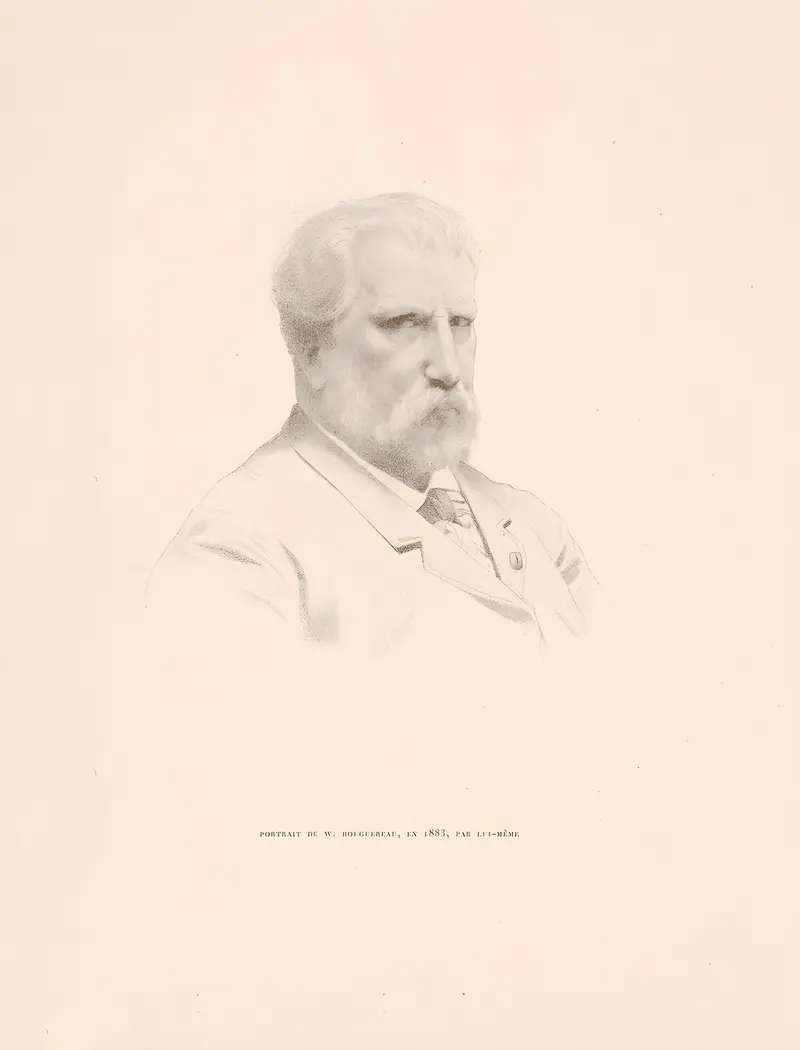
Portrait de W. Bouguereau, en l899
William Bouguereau
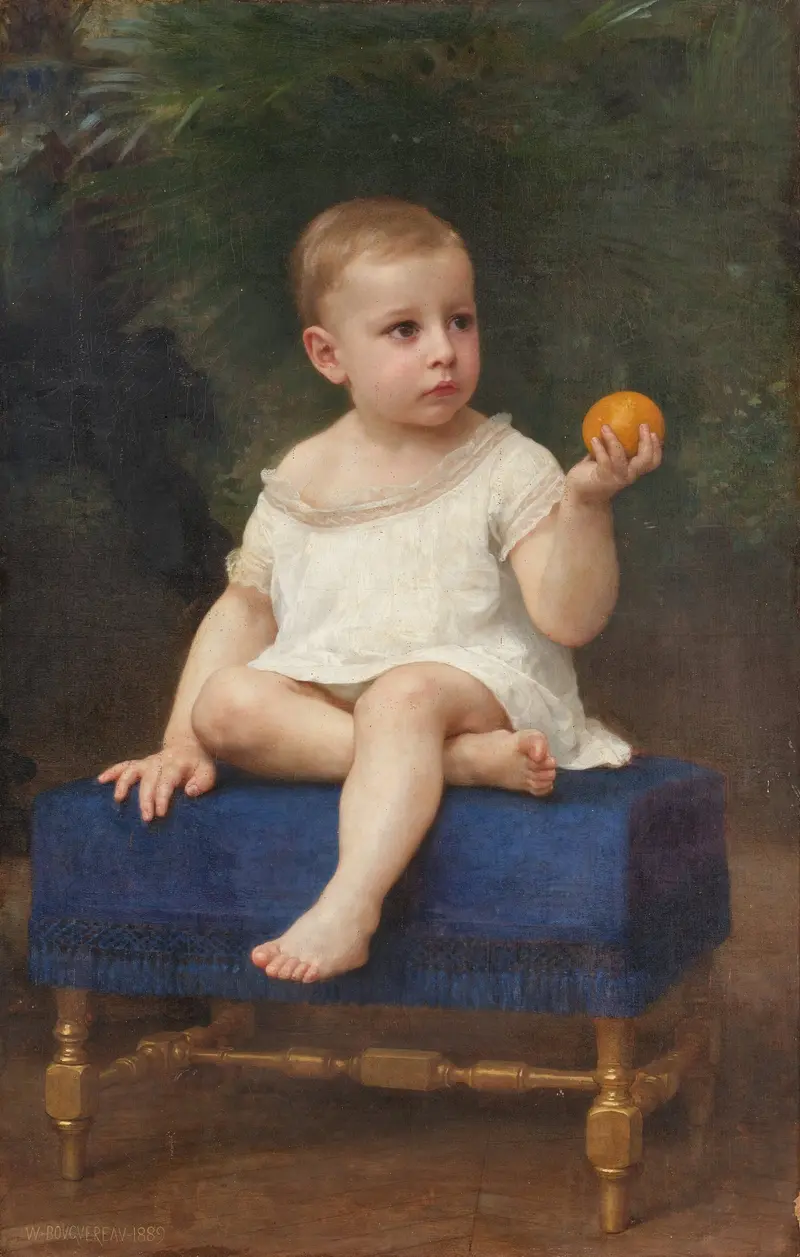
Portrait of a Child of Madame Porter
William Bouguereau
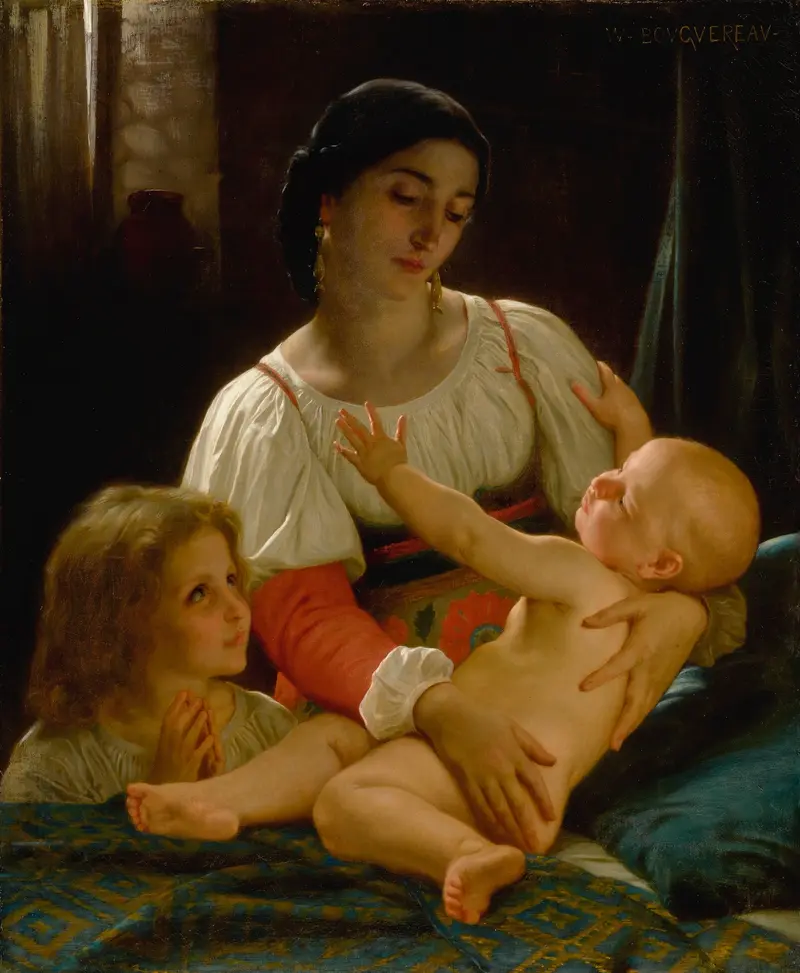
Le Réveil
William Bouguereau
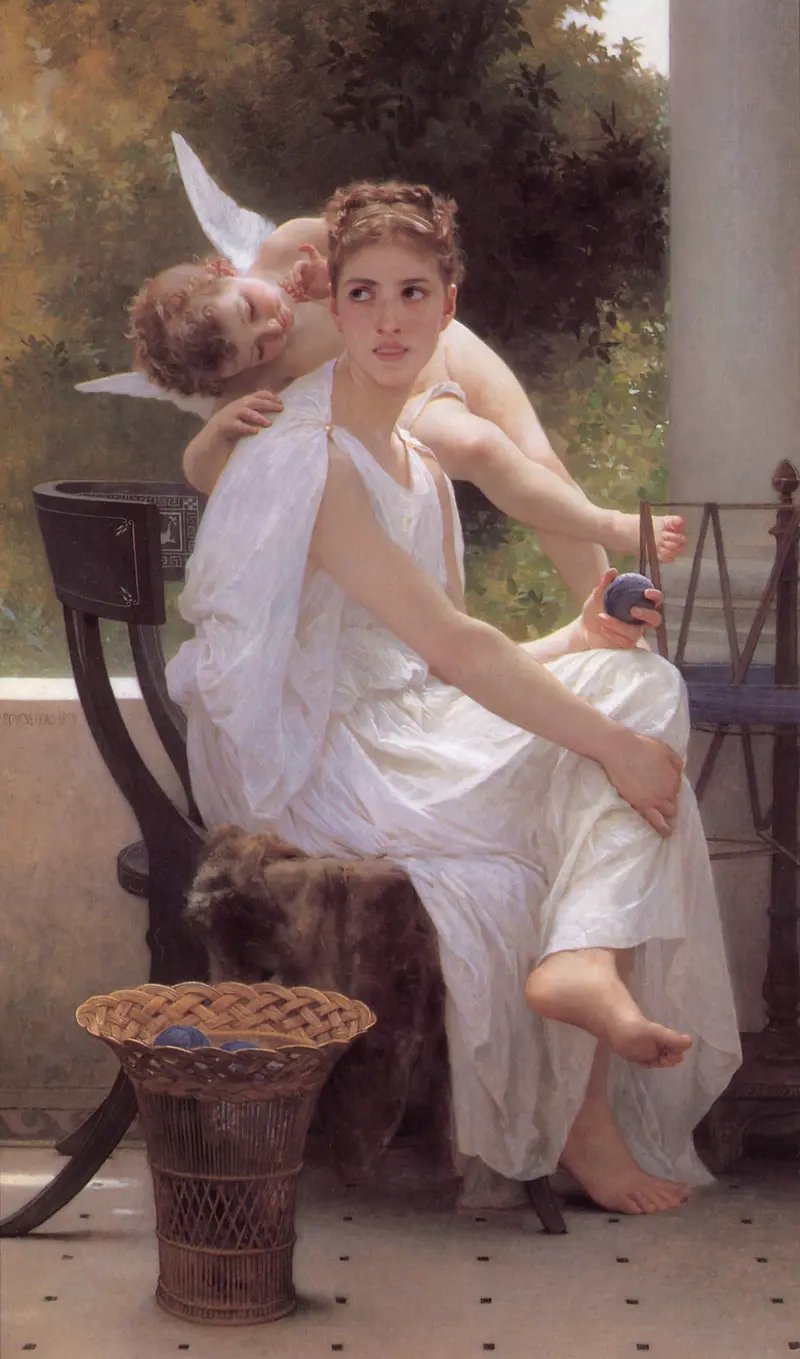
Le travail interrompu
William Bouguereau
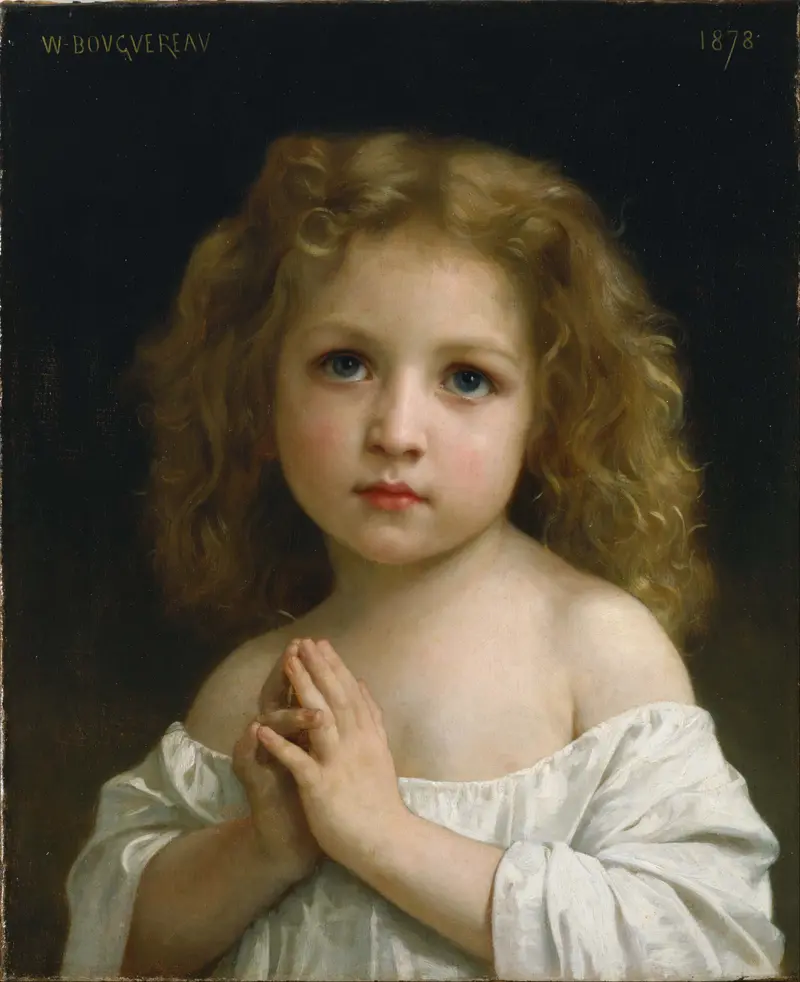
Little Girl
William Bouguereau
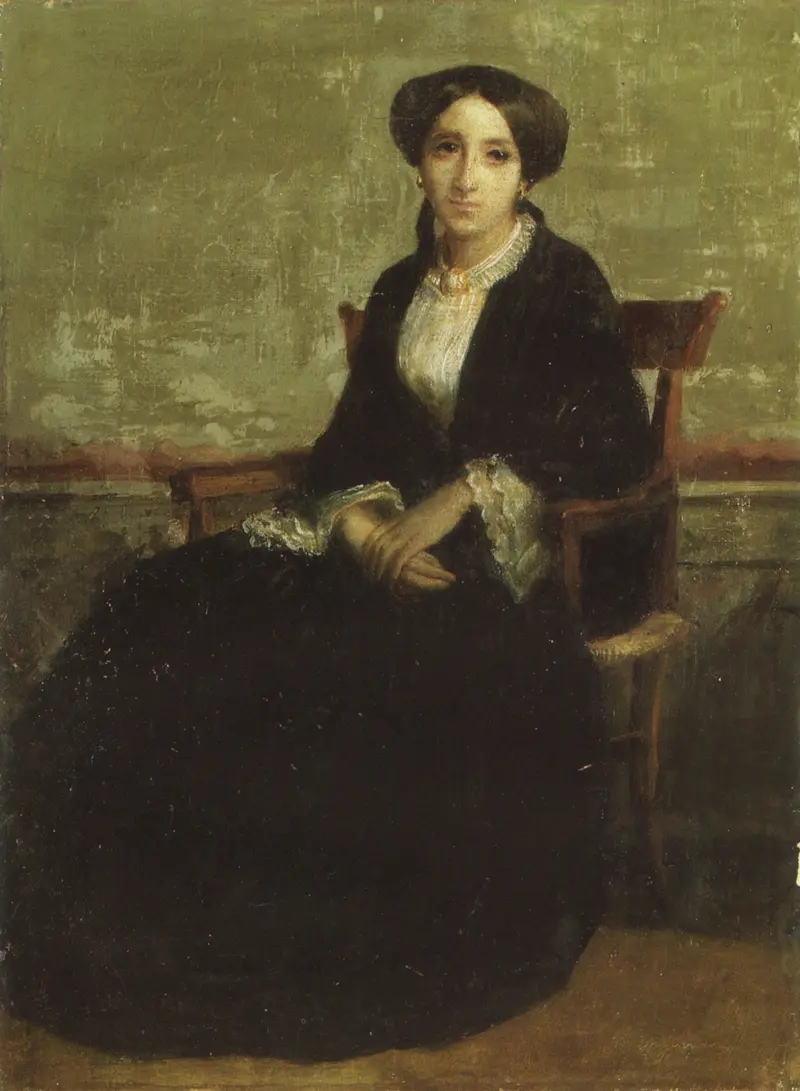
Portrait of Céline Geneviève
William Bouguereau

Bohémienne Au Tambour De Basque
William Bouguereau
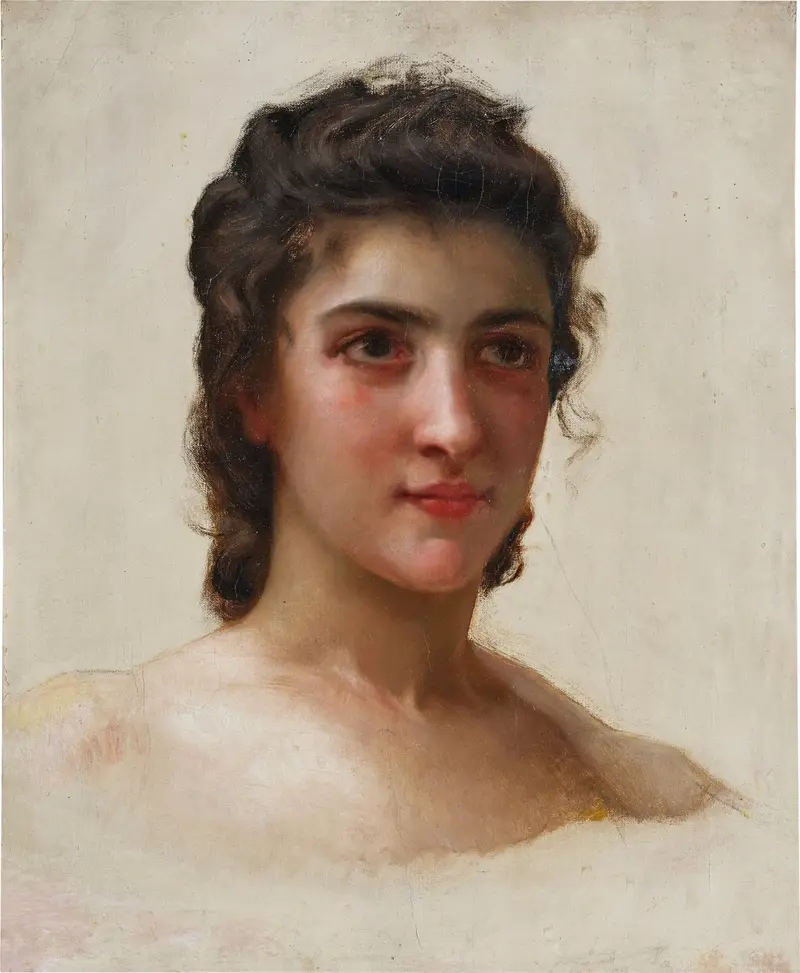
Portrait Study of Gabrielle Drunzer
William Bouguereau
Tête d’enfant
William Bouguereau