
Ètude pour un portrait d’enfant — History & Facts
In Ètude pour un portrait d’enfant, the viewer is greeted by a charming depiction of a young child. The soft colors, primarily warm tones of skin and gentle pastels, create a tender atmosphere. The child’s expression is one of innocence and curiosity, with large, expressive eyes that draw the viewer in.
The background is subtly blurred, focusing attention on the child’s face and delicate features. Bouguereau’s technique is evident in the meticulous attention to detail and smooth application of paint. The artist employs a realistic style, capturing the texture of the child’s hair and the softness of their skin. The use of light and shadow enhances the three-dimensional quality of the portrait, giving it depth.
This work exemplifies Bouguereau's academic training and his commitment to realism. William Bouguereau was a prominent French painter known for his depictions of children and women. This particular work, created in the late 19th century, showcases his signature style of realism and emotional depth. Interestingly, Ètude pour un portrait d’enfant serves as a preparatory study for a larger portrait, highlighting Bouguereau's process and dedication to his subjects.
His works remain highly valued in the art market today.
More Artworks by William Bouguereau

A Study For The Secret
William Bouguereau
Portrait de W. Bouguereau, en l899
William Bouguereau
Portrait of a Child of Madame Porter
William Bouguereau
Le Réveil
William Bouguereau
Le travail interrompu
William Bouguereau
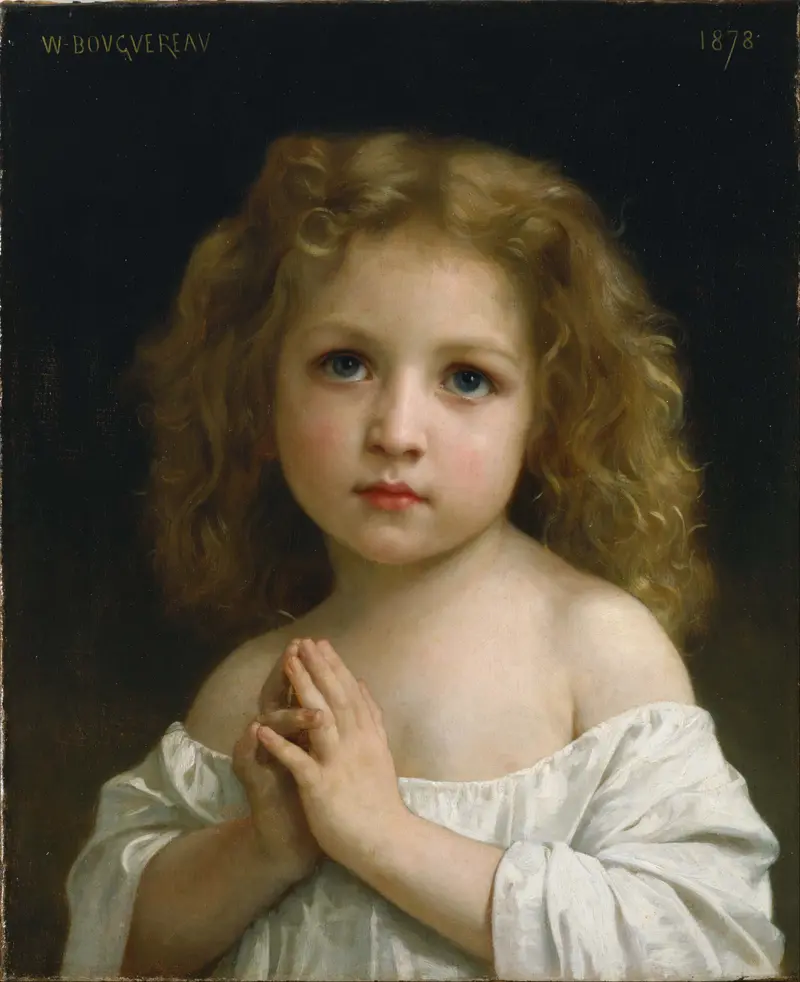
Little Girl
William Bouguereau
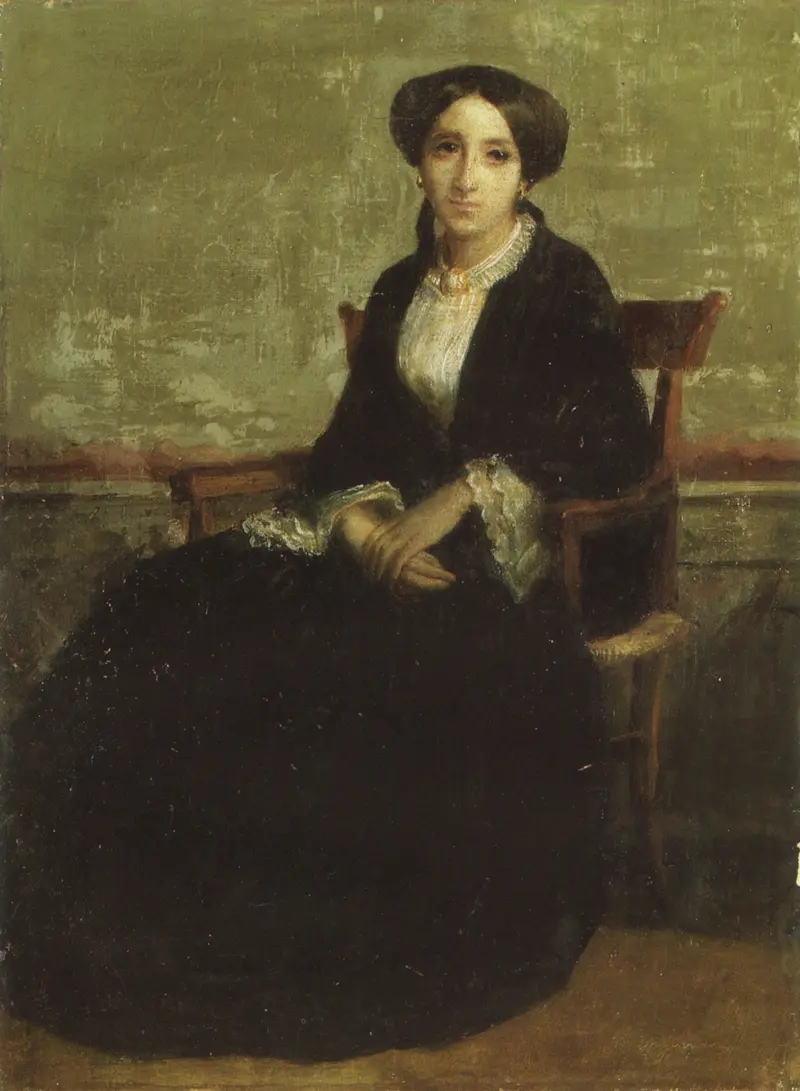
Portrait of Céline Geneviève
William Bouguereau

Bohémienne Au Tambour De Basque
William Bouguereau
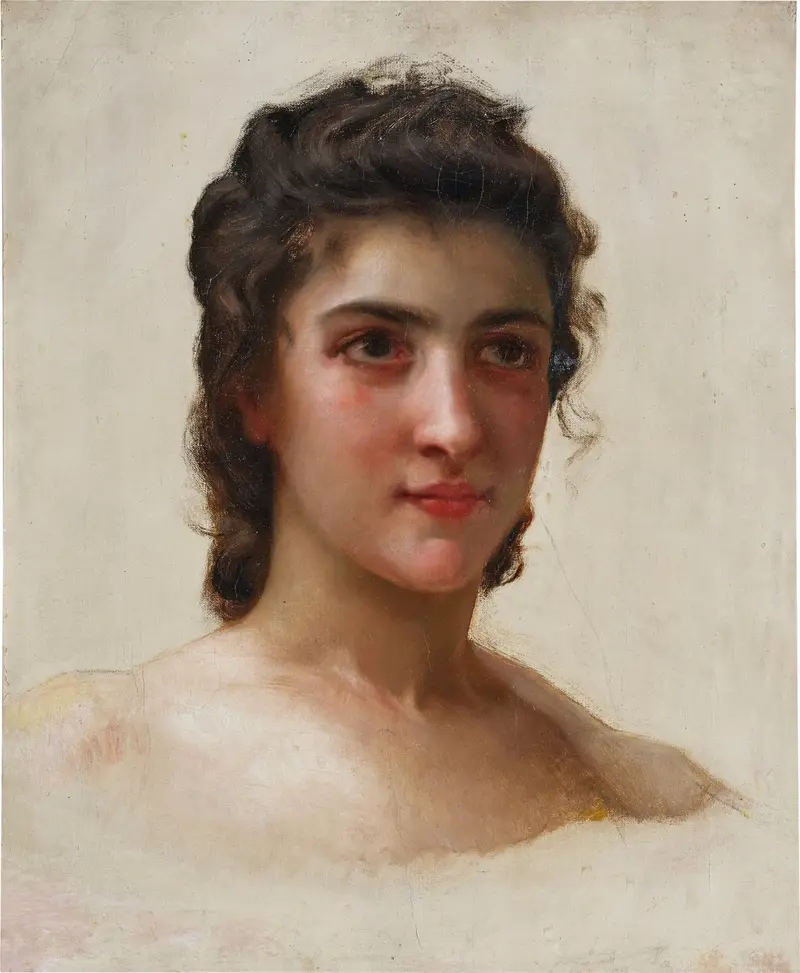
Portrait Study of Gabrielle Drunzer
William Bouguereau
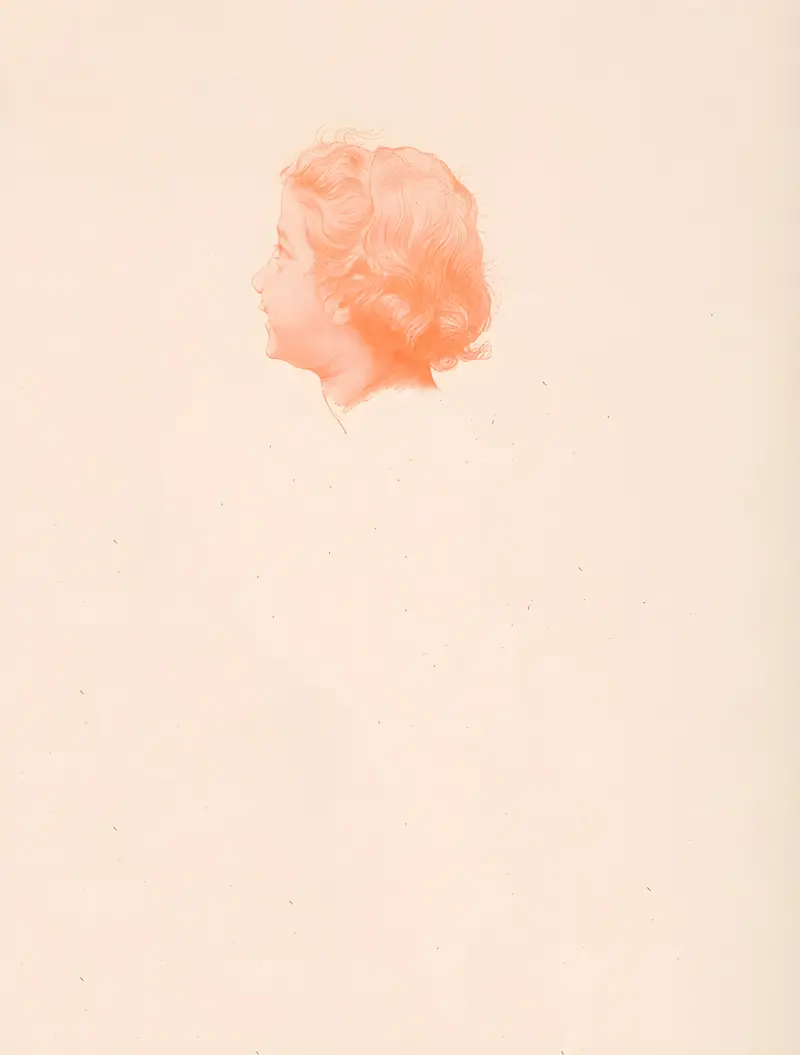
Tête d’enfant
William Bouguereau





