
Evening — History & Facts
In the quiet moments between dusk and darkness, a canvas can awaken emotions long forgotten, bridging the gap between perception and essence. Look to the center where the horizon blurs, hinting at the transition from day to night. Soft strokes of deep blues and purples intermingle with delicate hints of gold and amber, capturing the fading light. The gentle gradient creates a sense of depth, inviting viewers to get lost in the serene atmosphere.
Notice how the trees, silhouetted against the twilight sky, appear both protective and isolating, anchoring the viewer's gaze and echoing the sentiment of solitude that evening brings. The stillness of the landscape contrasts with the vibrant colors, suggesting a duality of peace and longing. The interplay of light and shadow suggests an awakening of introspection, as if the evening hours hold a mirror to the soul. Each brushstroke resonates with a quiet urgency, inviting contemplation of what lies beneath the surface of a calm exterior.
The scene whispers of hidden stories and unspoken emotions that arise as day surrenders to night. At the turn of the 20th century, Jan Ciągliński was immersed in the vibrant art scene of Paris, where he honed his skills and developed a unique style that married realism with impressionistic elements. Painted in 1908, Evening reflects a moment of personal reflection and artistic growth during a transformative time in European art, as artists began to explore more emotive and abstract expressions of their experiences.
More Artworks by Jan Ciągliński
Browse all →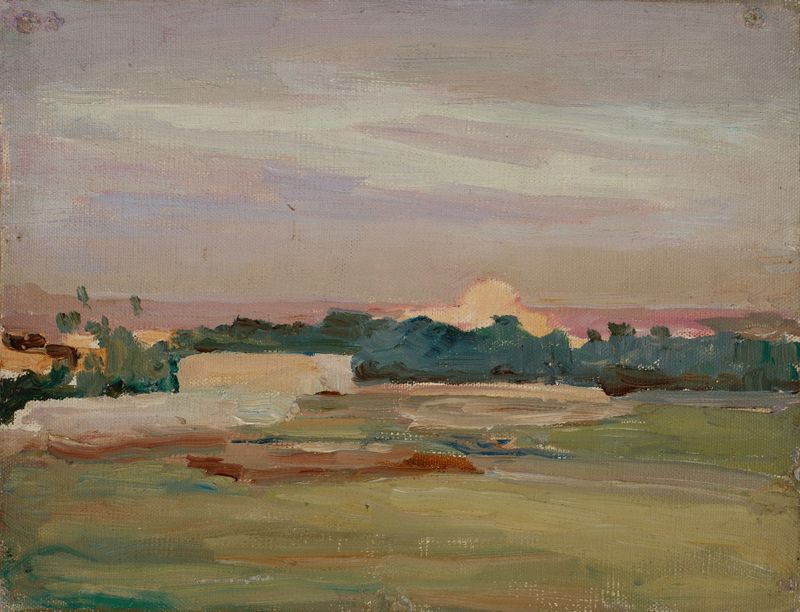
The Sirocco
Jan Ciągliński
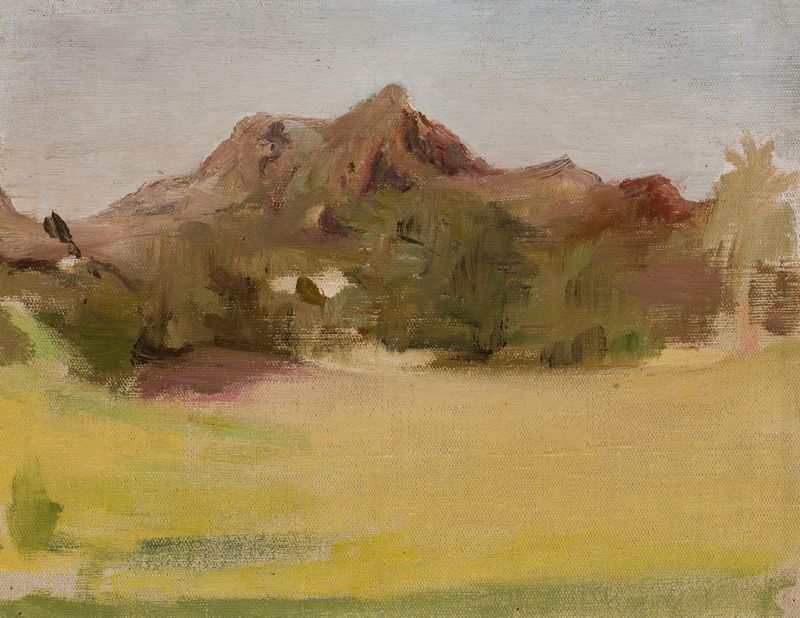
Mountain landscape. From the journey to India
Jan Ciągliński
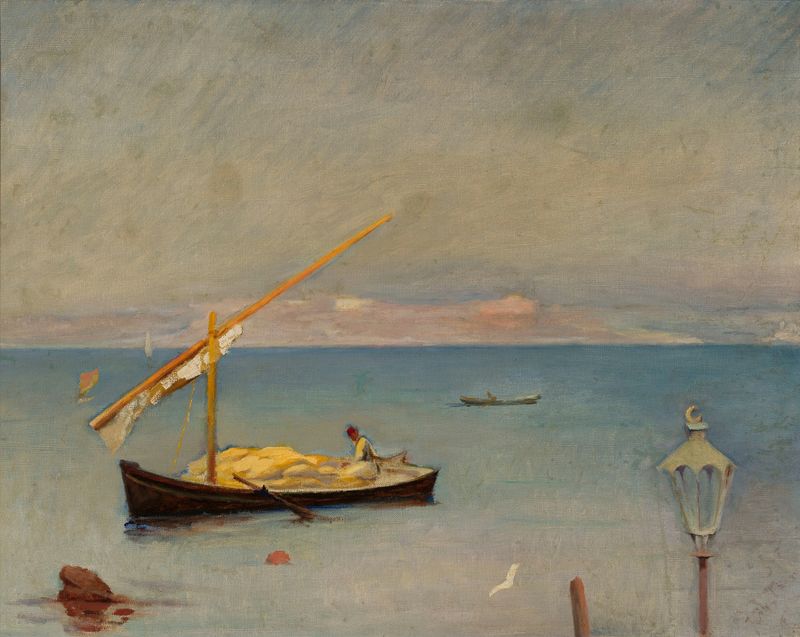
At Bosporus
Jan Ciągliński
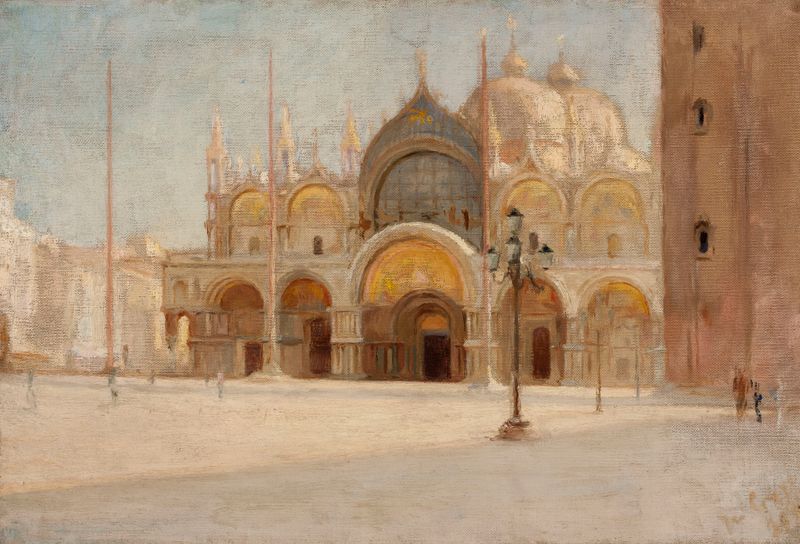
St Mark’s Square in Venice
Jan Ciągliński
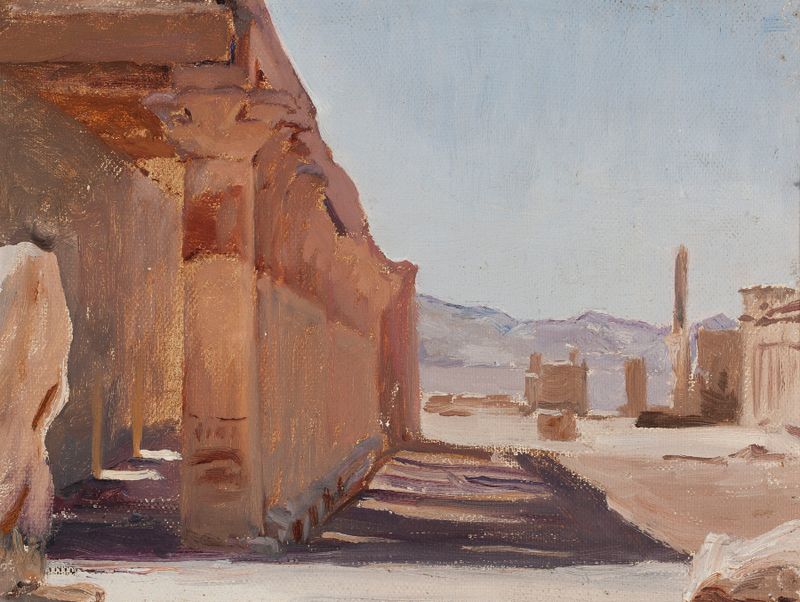
Temple. From the journey to Egypt
Jan Ciągliński
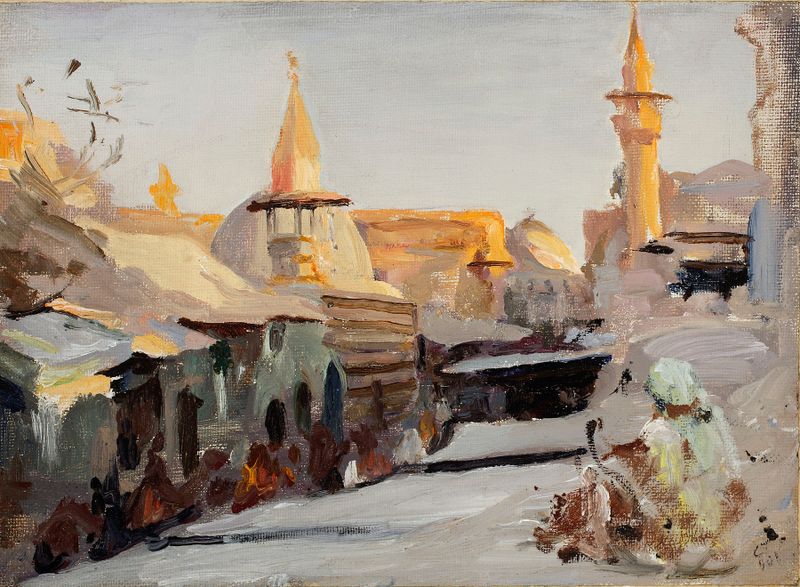
Street in Damascus. From the journey to Palestine
Jan Ciągliński
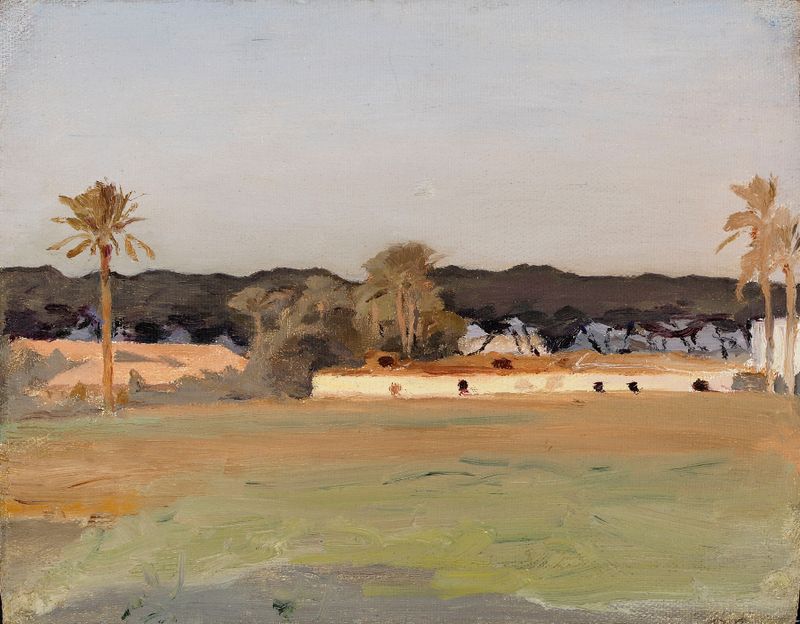
Evening. From the journey to Egypt
Jan Ciągliński
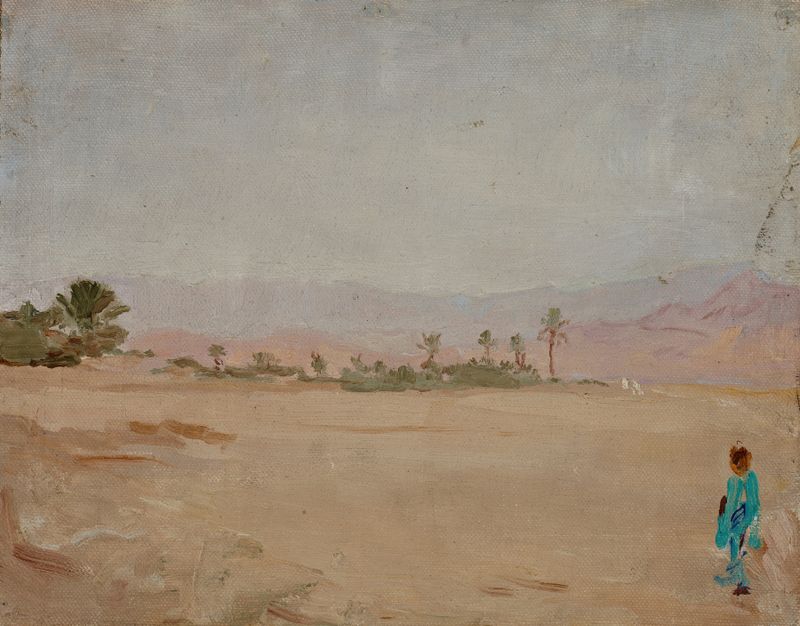
Sahara (Desert)
Jan Ciągliński
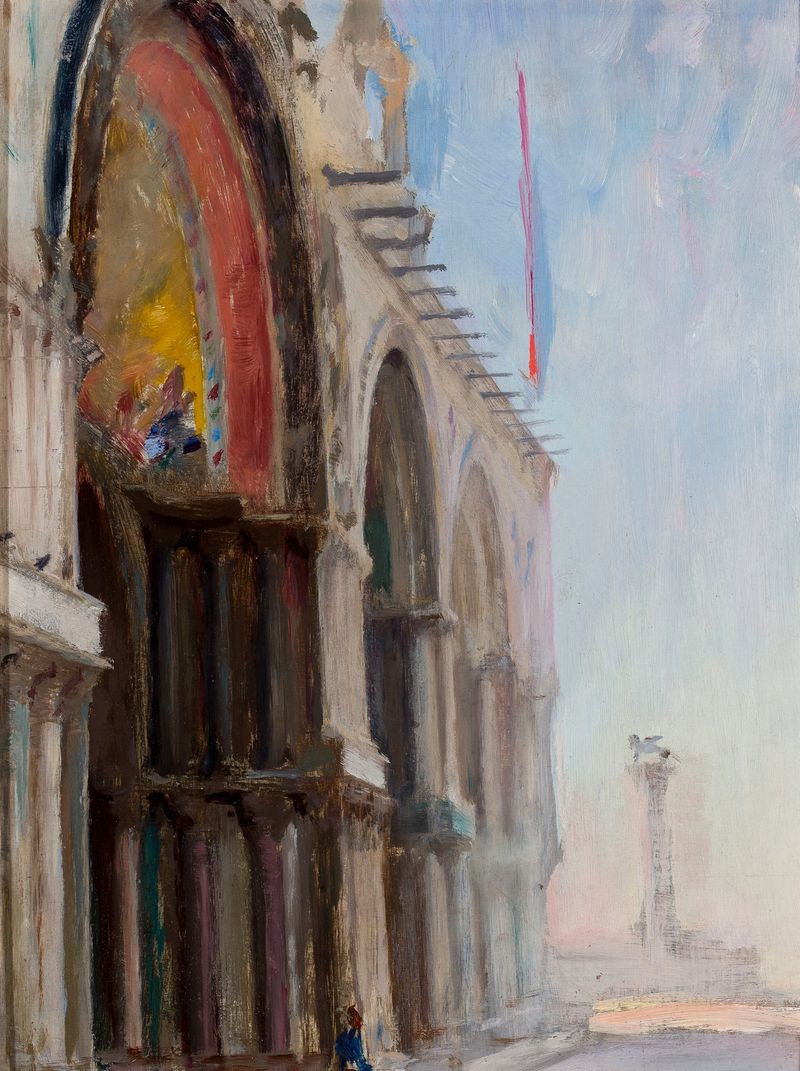
Venice – San Marco. From the journey to Italy
Jan Ciągliński
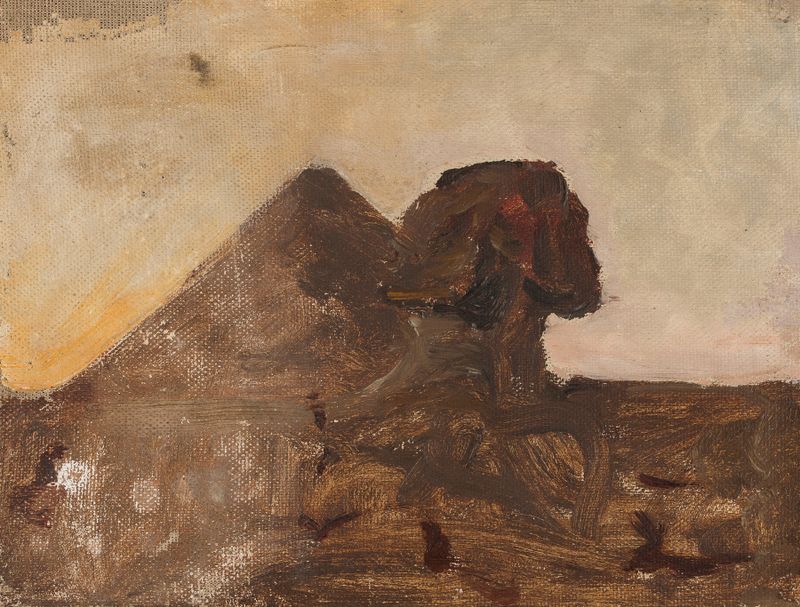
Evening in the desert – Sphinx and pyramid. From the journey to Egypt
Jan Ciągliński





