
Evening — History & Facts
What if beauty was never meant to be finished? In Evening, a moment suspended between twilight and the first whispers of night invites contemplation on creation and completion. Focus on the vibrant hues of the sky, where deep oranges and purples blend seamlessly into one another, evoking a sense of warmth and calm. Notice how the rising silhouettes of trees create a contrast against this radiant backdrop, their dark forms stretching upwards, yet rooted firmly in the earth. The brushwork conveys a sense of movement, as if the very air vibrates with the day's last breaths, drawing the viewer deeper into the tranquil landscape. Delve into the emotional layers embodied by the painting: the struggle between light and darkness, the ephemeral nature of day giving way to the permanence of night.
The interplay of color and shadow evokes a bittersweet nostalgia, inviting the viewer to ponder the fleeting moments of beauty in life. Here, the trees stand as sentinels, witnessing the passage of time, reminding us that creation often exists in an endless cycle of beginnings and endings. Ciągliński painted Evening in 1910 during a period marked by a burgeoning interest in Impressionism and a desire to capture nature's fleeting moments. At this time, he was living in Paris, immersed in a vibrant art community, which influenced his approach to color and light.
The world was witnessing rapid change, and the painting reflects not only a personal exploration of beauty but also the artistic innovations of the era, as artists sought to capture the essence of their experiences in a rapidly transforming world.
More Artworks by Jan Ciągliński
Browse all →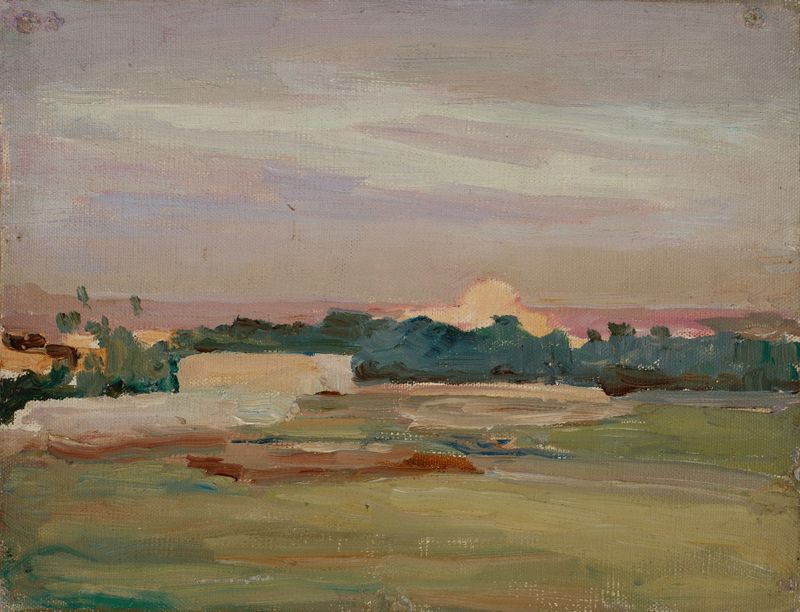
The Sirocco
Jan Ciągliński
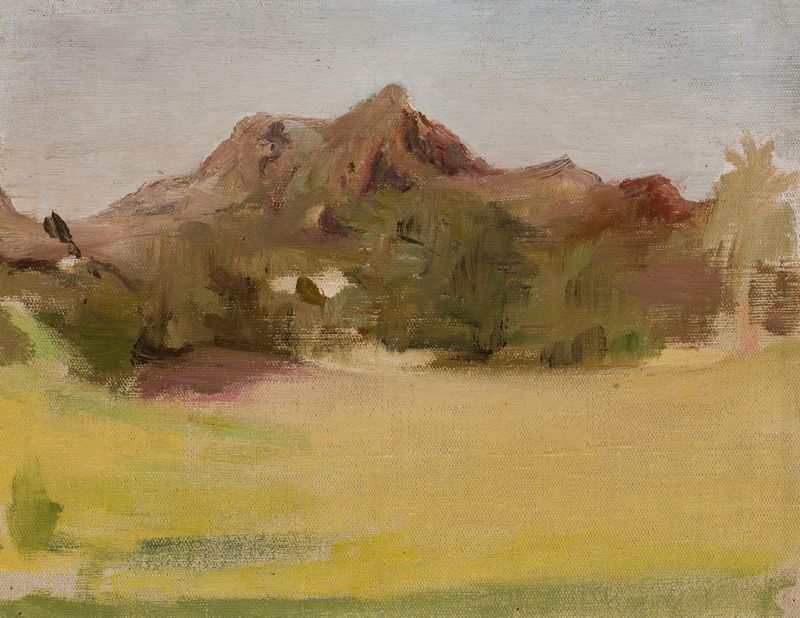
Mountain landscape. From the journey to India
Jan Ciągliński
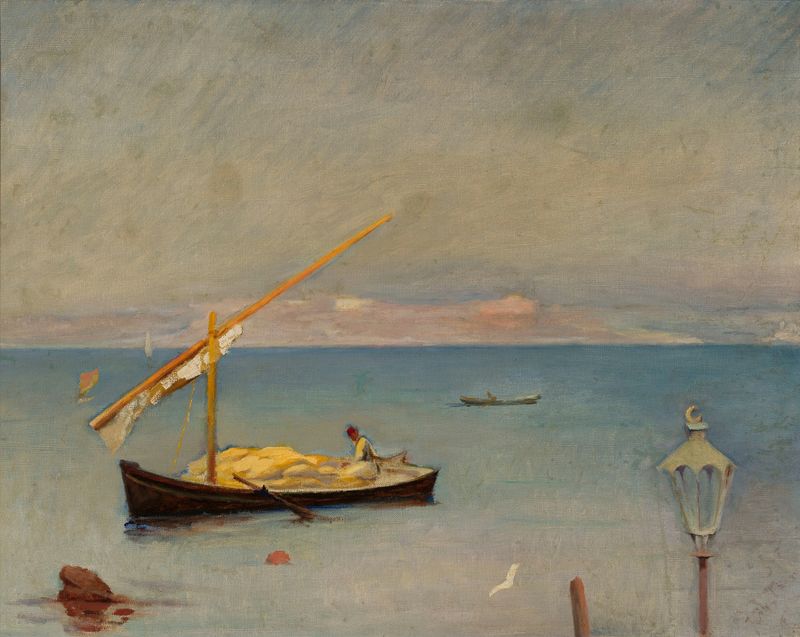
At Bosporus
Jan Ciągliński
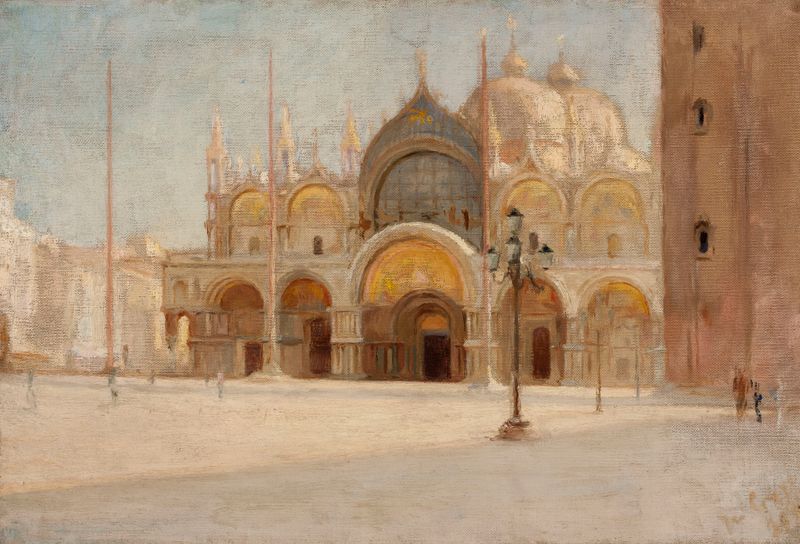
St Mark’s Square in Venice
Jan Ciągliński
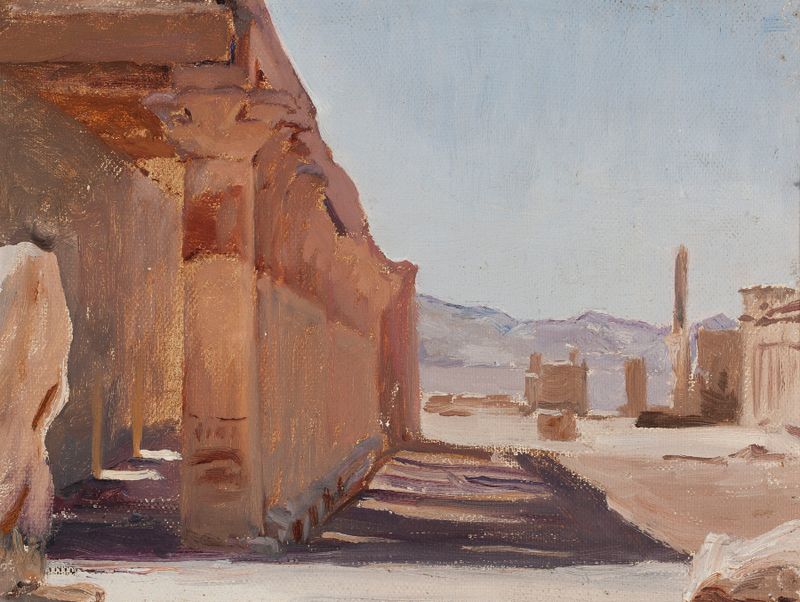
Temple. From the journey to Egypt
Jan Ciągliński
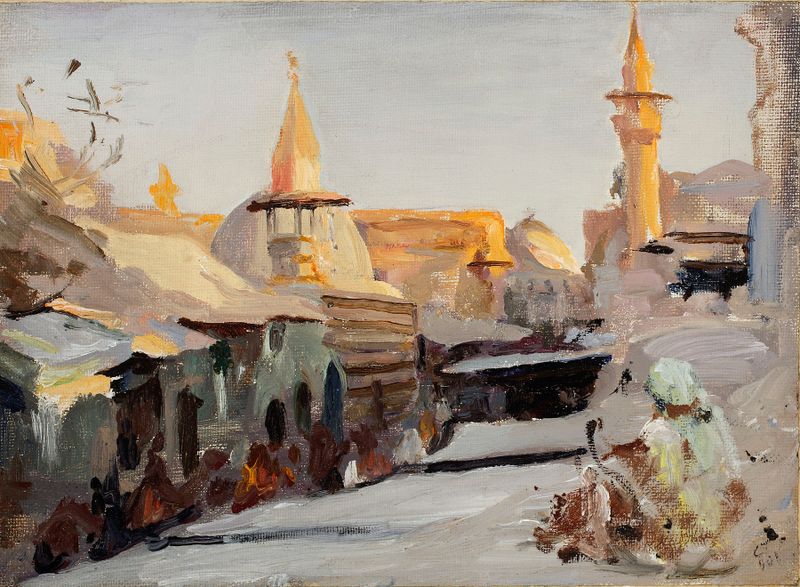
Street in Damascus. From the journey to Palestine
Jan Ciągliński
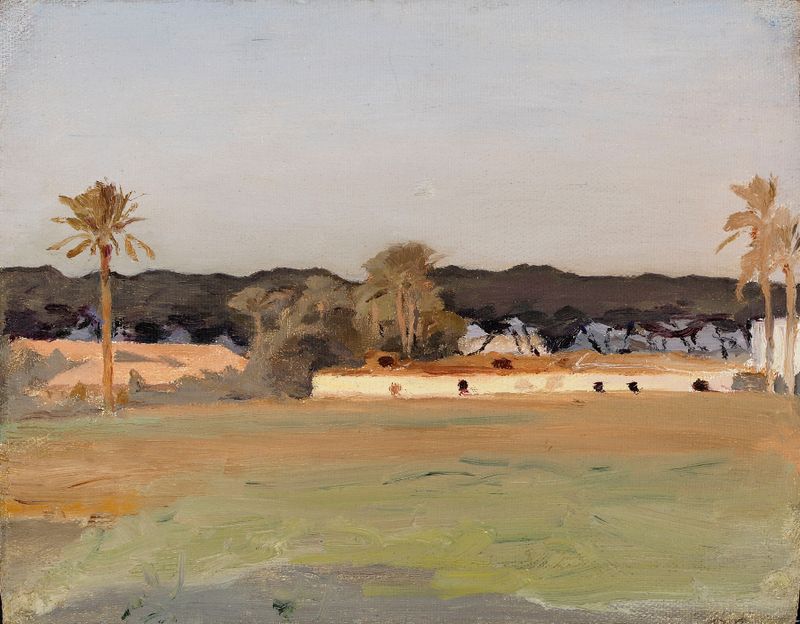
Evening. From the journey to Egypt
Jan Ciągliński
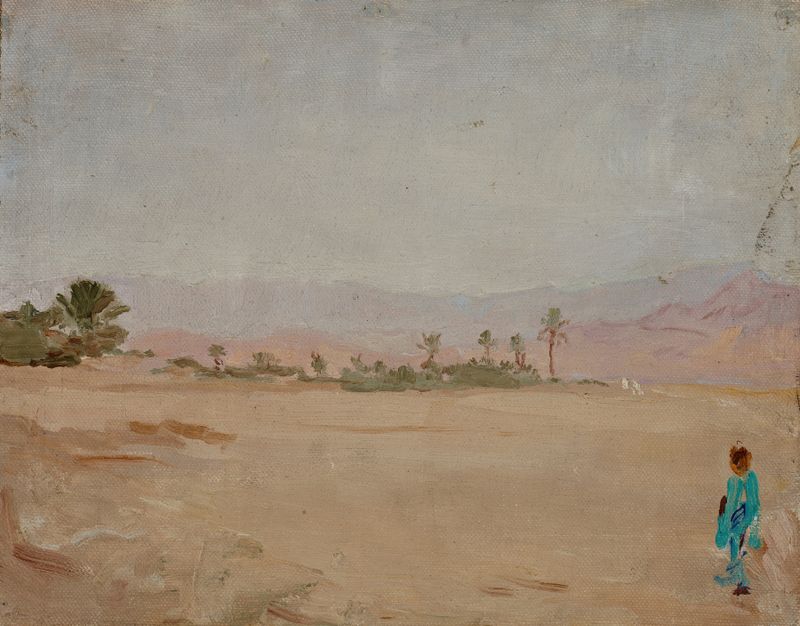
Sahara (Desert)
Jan Ciągliński
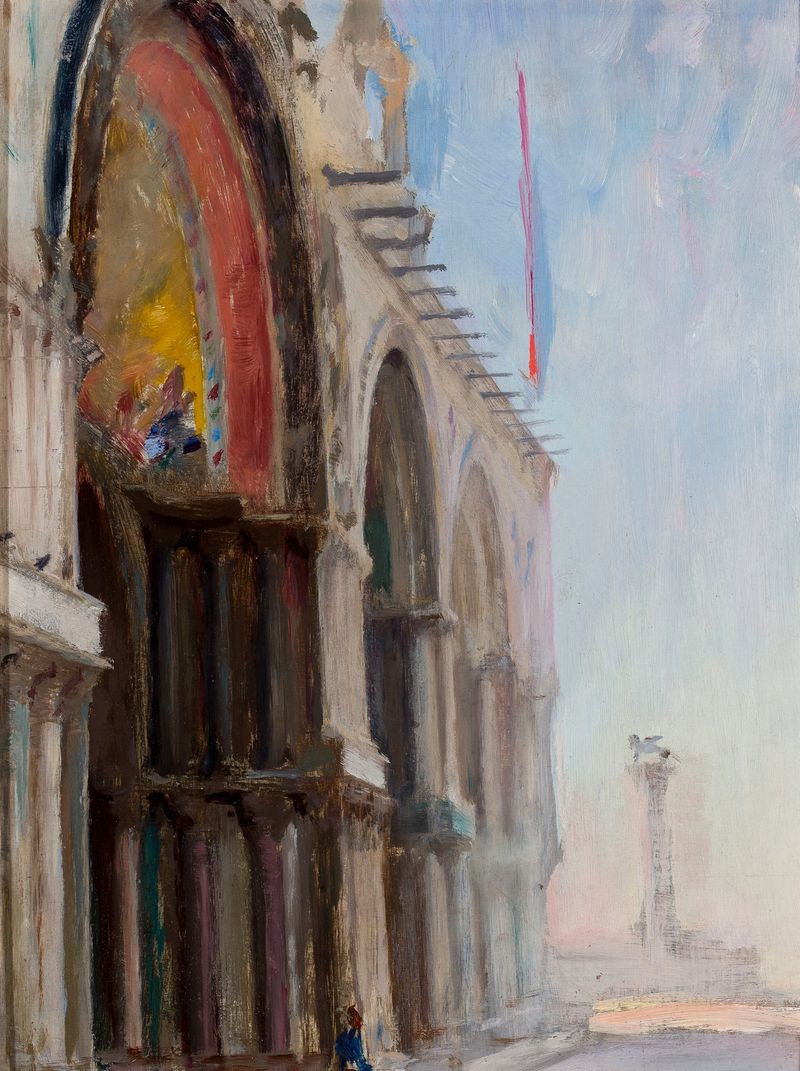
Venice – San Marco. From the journey to Italy
Jan Ciągliński
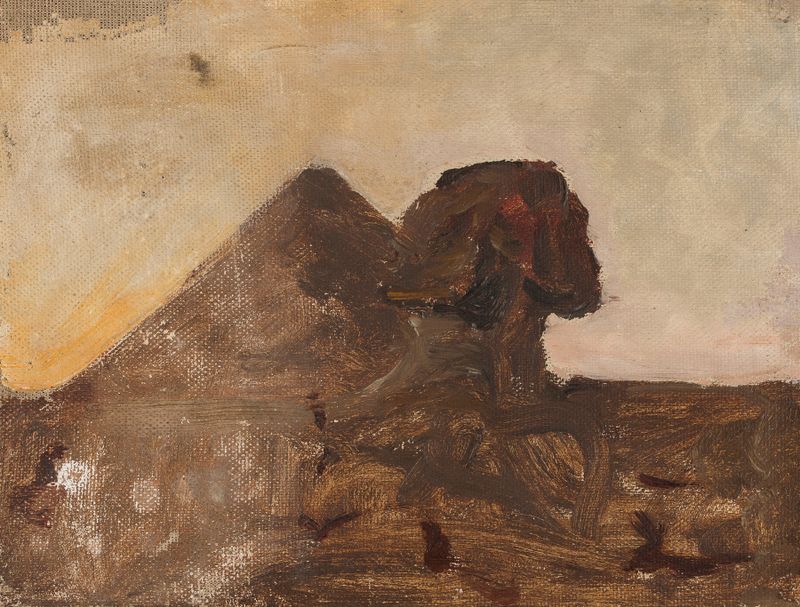
Evening in the desert – Sphinx and pyramid. From the journey to Egypt
Jan Ciągliński





