Exposition nationale suisse, Berne 1914 — History & Facts
A single rider on a monumental horse commands the foreground, his yellow flag billowing high above a stylized Swiss landscape. The horse, dappled and sturdy, strides with a sense of purpose across the scene, its size exaggerated to heroic scale. The rider’s steady gaze and upright posture lend an air of resolve, while the flag he holds aloft is emblazoned with Swiss emblems—a clear call to national pride.
The rooftops and spires of Berne nestle below, dwarfed by the animal and its bearer, while the blue Alps rise in the distance, anchoring the composition in a distinctly Swiss setting. The palette, dominated by ochres, reds, and deep greens, radiates warmth and solidity, inviting the viewer to feel the optimism and unity the poster seeks to inspire. Created in 1914, Exposition nationale suisse, Berne 1914 belongs to a tradition of early twentieth-century poster art that flourished across Europe, where artists like Emil Cardinaux forged a new visual language for public events and national exhibitions. Such posters were not merely advertisements—they were declarations of identity, designed to rally citizens and visitors alike around shared symbols and aspirations.
The bold lines and simplified forms reflect the influence of Art Nouveau and the emerging modernist currents of the period, while the subject matter—celebrating Swiss agriculture, strength, and unity—mirrors the anxieties and hopes of a continent on the brink of war. Though the details of this particular print’s journey are lost to time, its message remains clear: look again at the rider, and see the spirit of a nation in motion.
More Artworks by Emil Cardinaux
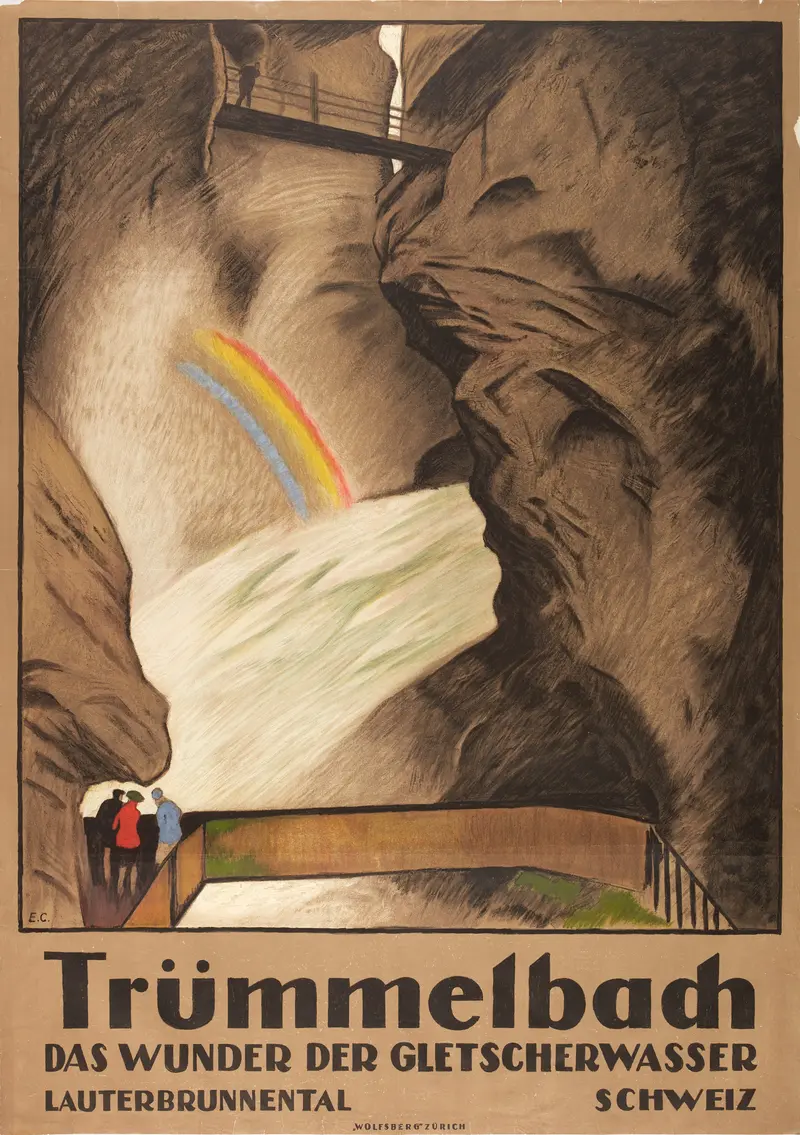
Trümmelbach
Emil Cardinaux
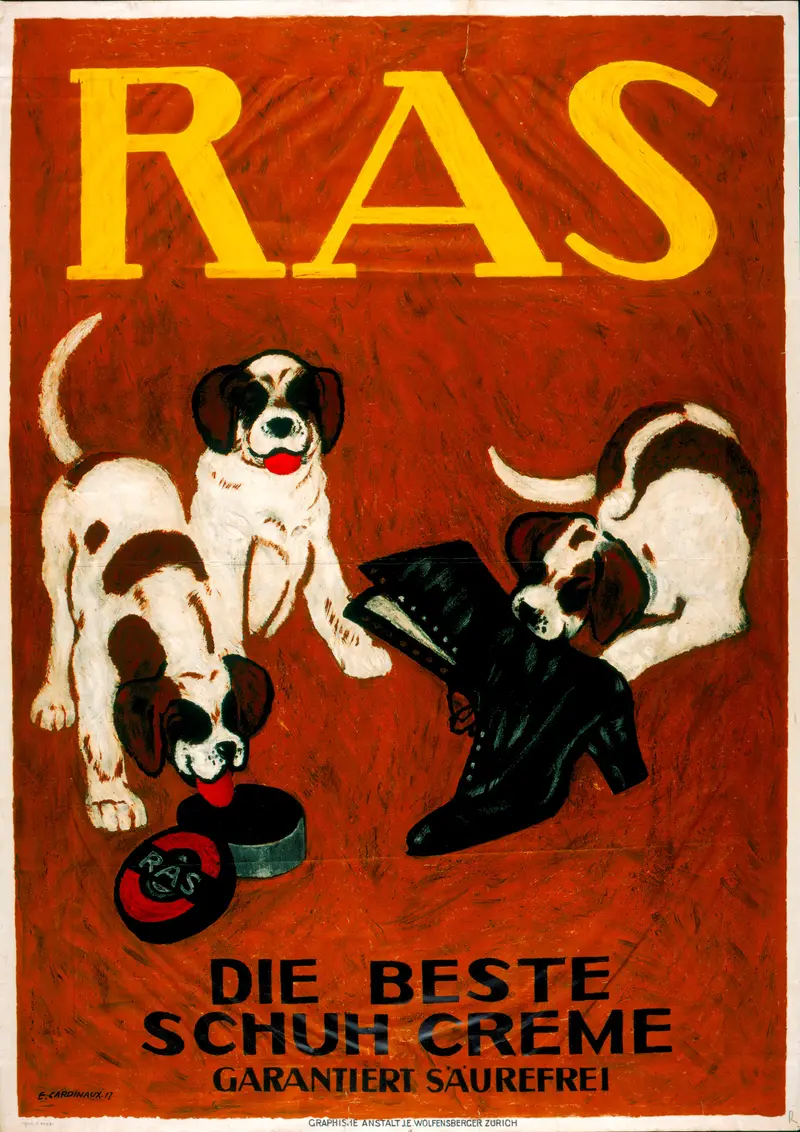
RAS, die beste Schuhcrème
Emil Cardinaux
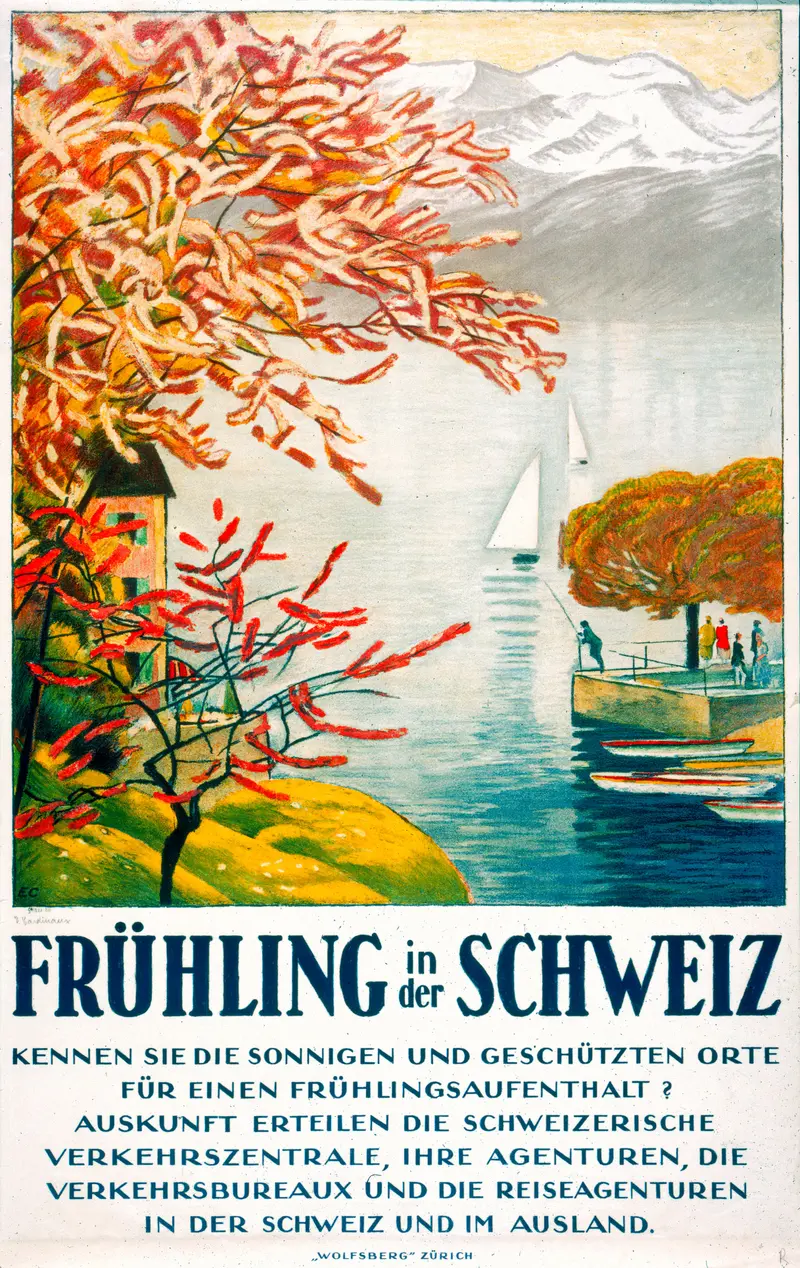
Frühling in der Schweiz
Emil Cardinaux
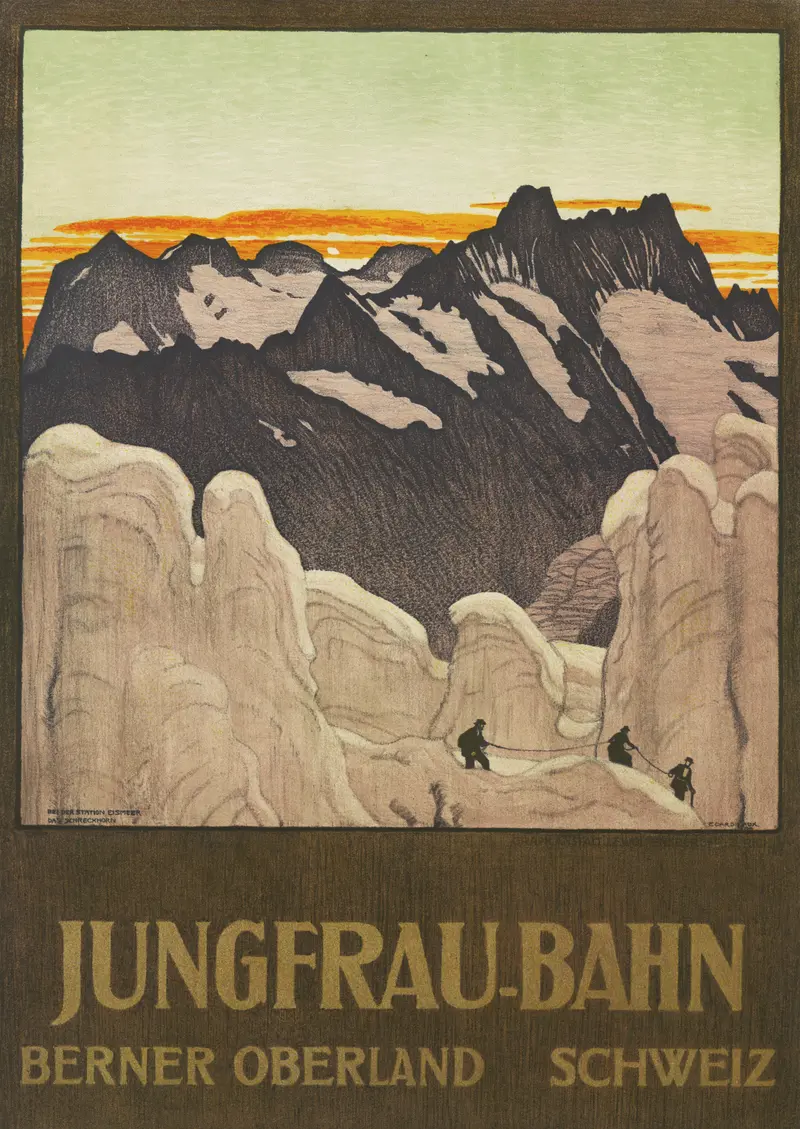
Jungfrau-Bahn, Berner Oberland
Emil Cardinaux
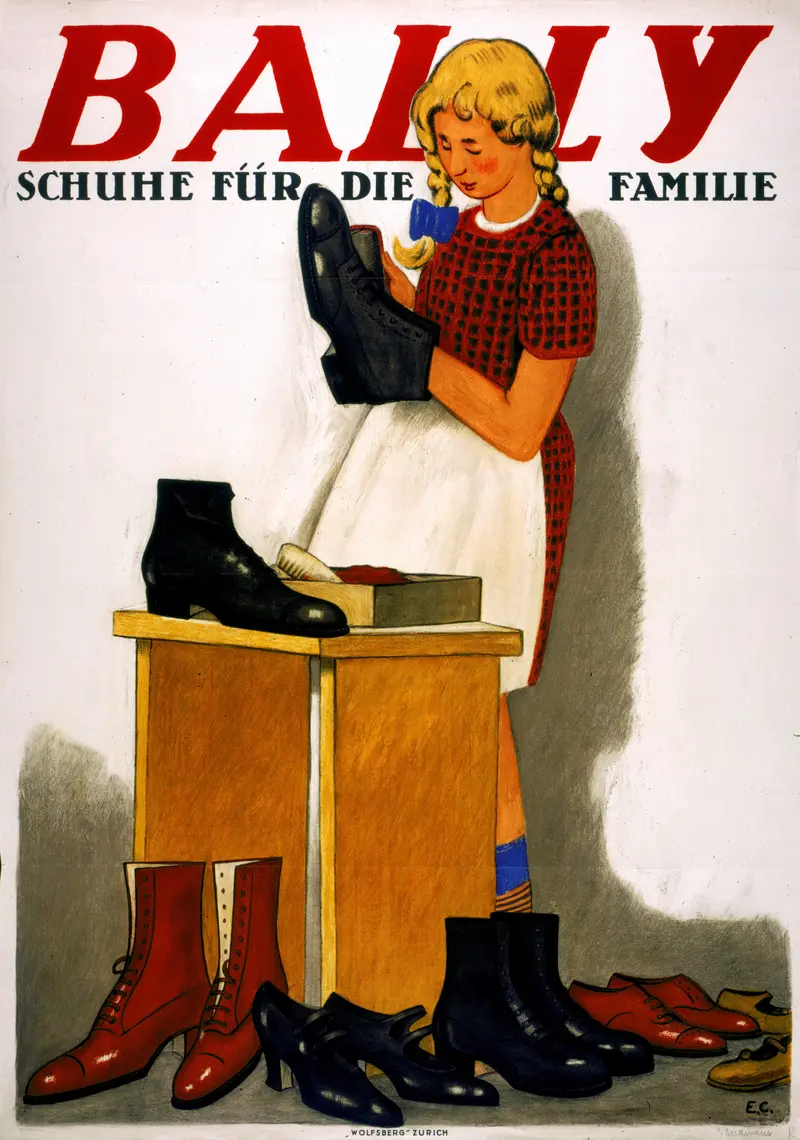
Bally – Schuhe für die Familie
Emil Cardinaux

Winter in Switzerland
Emil Cardinaux
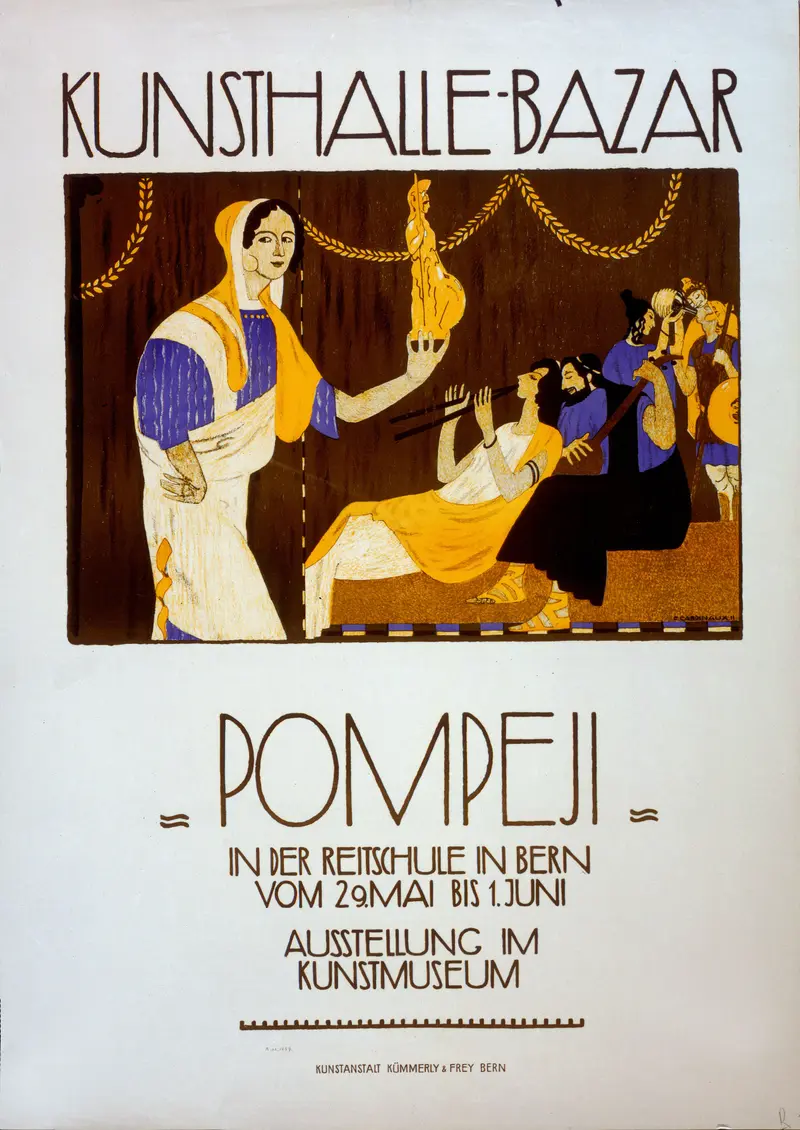
Kunsthalle-Bazar Pompeji, Bern 1911
Emil Cardinaux
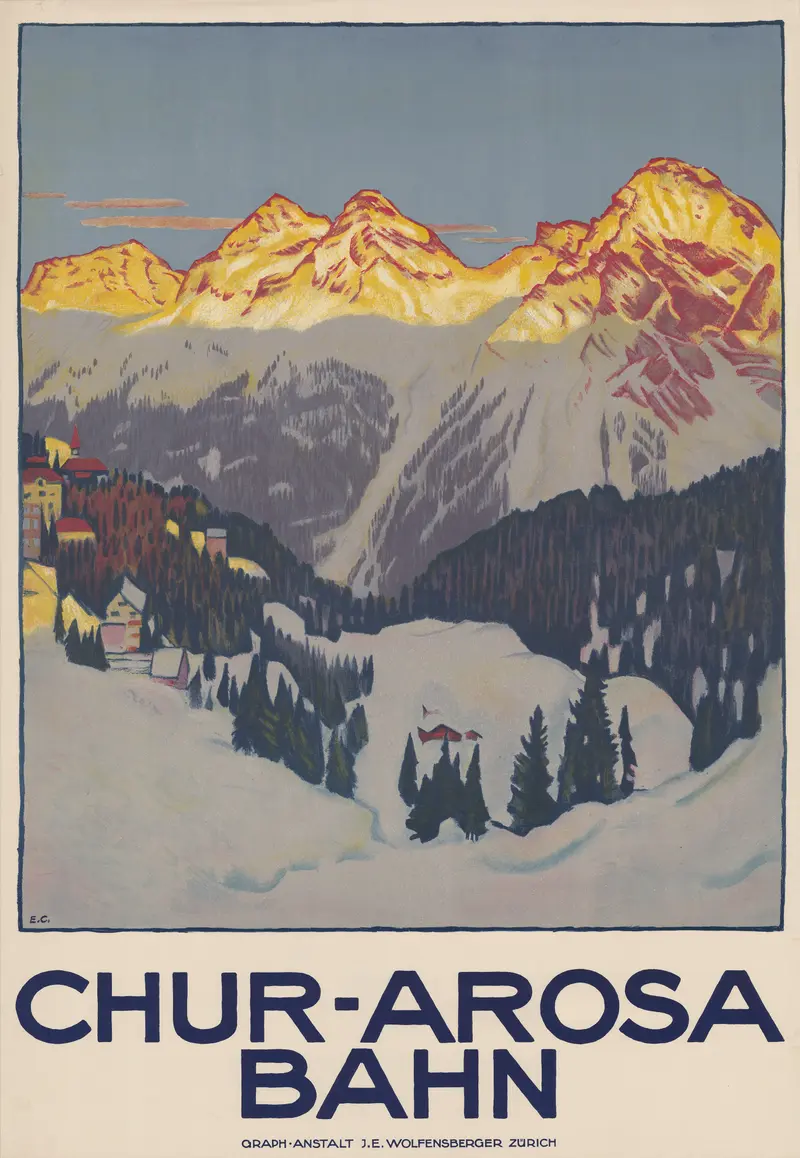
Chur-Arosa-Bahn
Emil Cardinaux
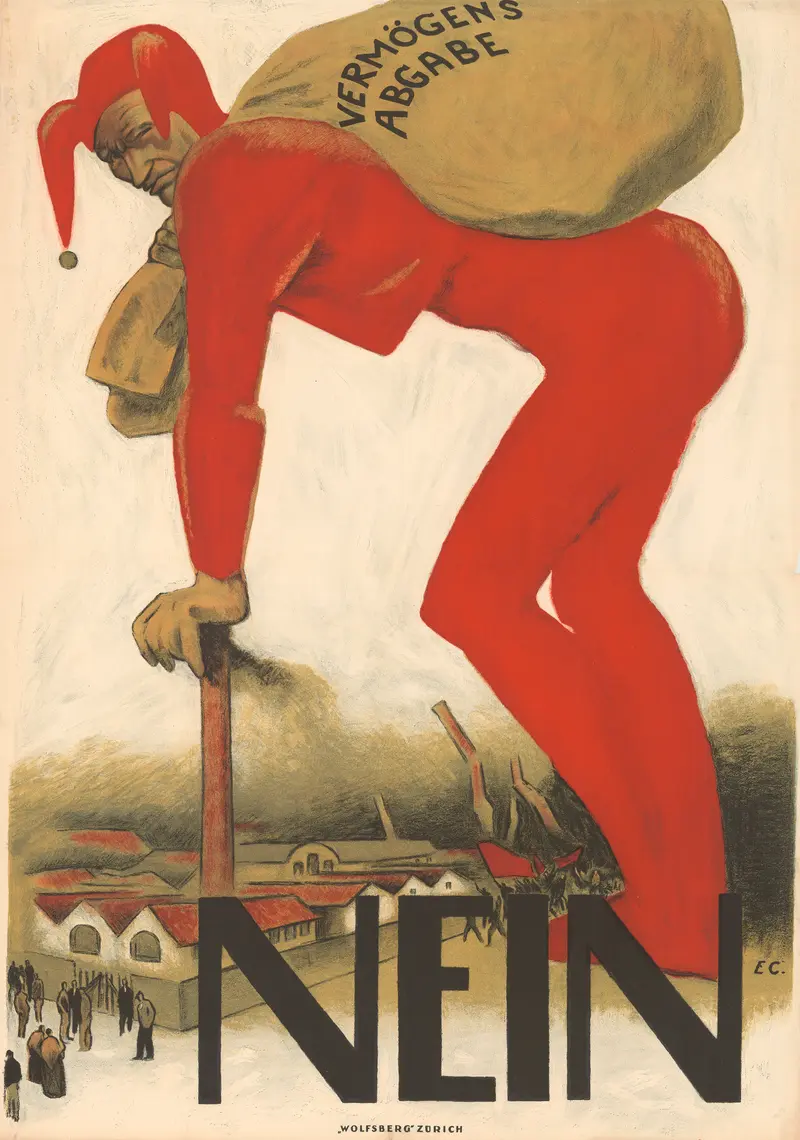
Vermögensabgabe – Nein
Emil Cardinaux
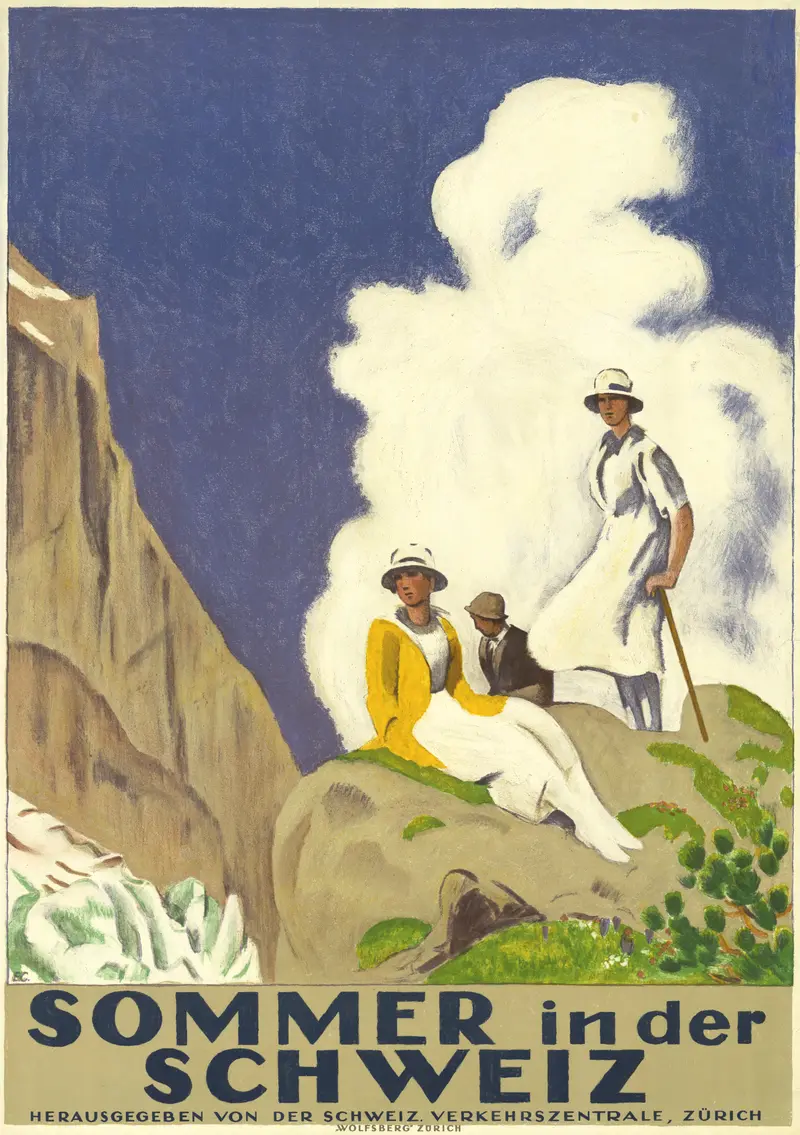
Sommer in der Schweiz
Emil Cardinaux