RAS, die beste Schuhcrème — History & Facts
Three eager St. Bernard puppies tumble across a field of warm, russet red, their tongues lolling in a playful salute to the viewer. What first catches the eye is the sheer cheerfulness of their antics—a boot clutched in one mouth, a tin of shoe polish licked by another, while the third stands at the ready, as if inviting us to join their game.
The bold yellow of the word RAS dominates the upper half, its scale and clarity echoing the confidence of early twentieth-century advertising. The artist, Emil Cardinaux, uses the dogs not just as mascots, but as living emblems of trust and loyalty, gently nudging the viewer to associate these qualities with the product itself. This is more than a simple advertisement; it is a tableau of affection and reliability. The puppies’ soft, rounded forms and the deep contrast of their brown-and-white coats against the flat background create a sense of immediacy and warmth.
The boot, rendered almost as a prize, suggests both the care the product promises and the mischief that makes the scene memorable. Unlike the more formal, static commercial posters of the era, Cardinaux’s composition breathes with movement and humor, drawing a line of kinship with contemporaries who brought personality to everyday objects—yet here, the animals themselves are the story. Produced around 1917, RAS, die beste Schuhcrème belongs to a moment when posters were transforming city streets and shop windows into vibrant galleries of modern life. Such works were typically commissioned by manufacturers eager to distinguish their brands in a crowded marketplace, and artists like Cardinaux—already known for his travel posters—brought fine art sensibilities to commercial design.
The guarantee “säurefrei” (acid-free) speaks to the era’s growing attention to product safety and quality. Today, this poster survives as both a charming relic of early advertising and a testament to the playful ingenuity that shaped the visual culture of its time—inviting us to linger, and perhaps to smile, a little longer.
More Artworks by Emil Cardinaux
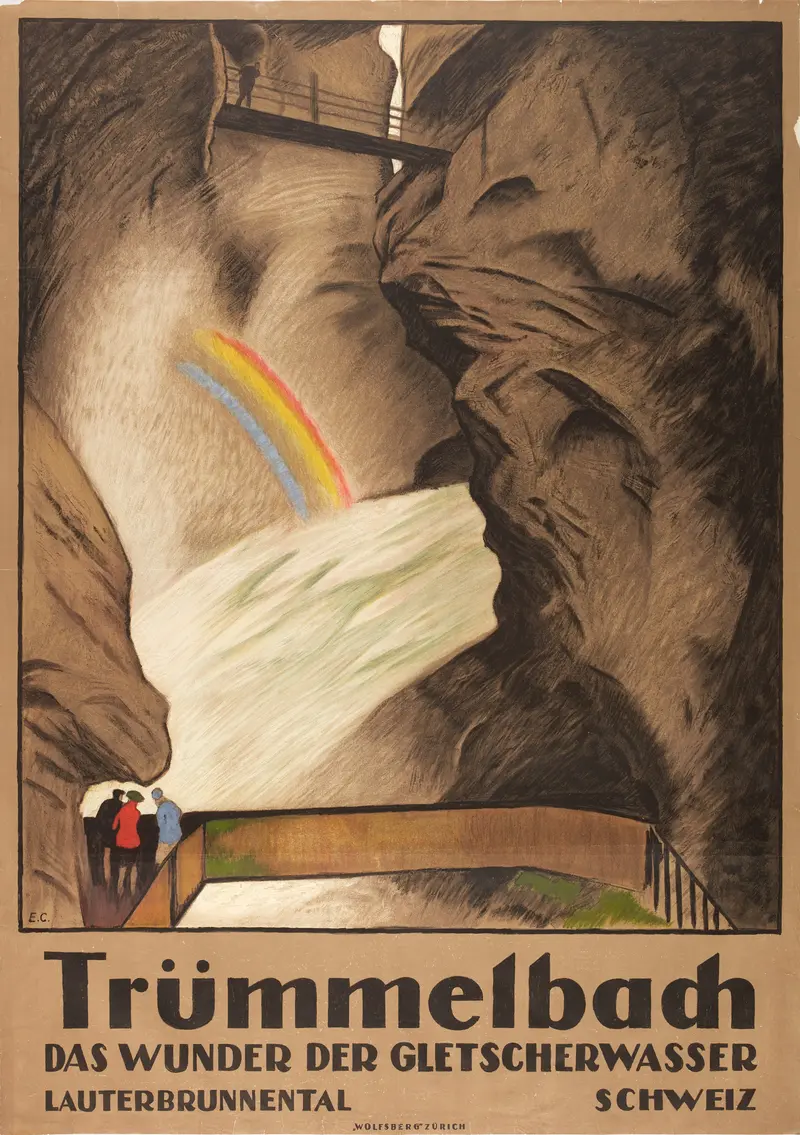
Trümmelbach
Emil Cardinaux
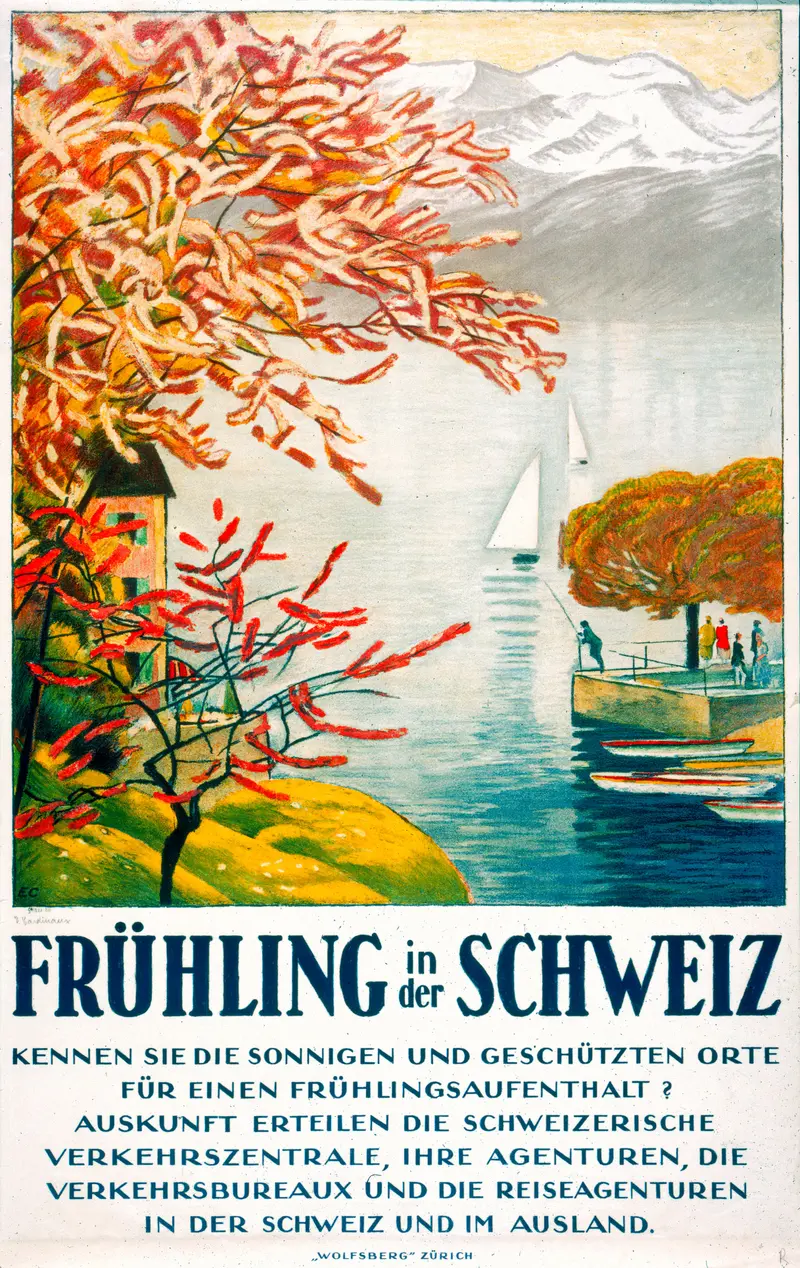
Frühling in der Schweiz
Emil Cardinaux
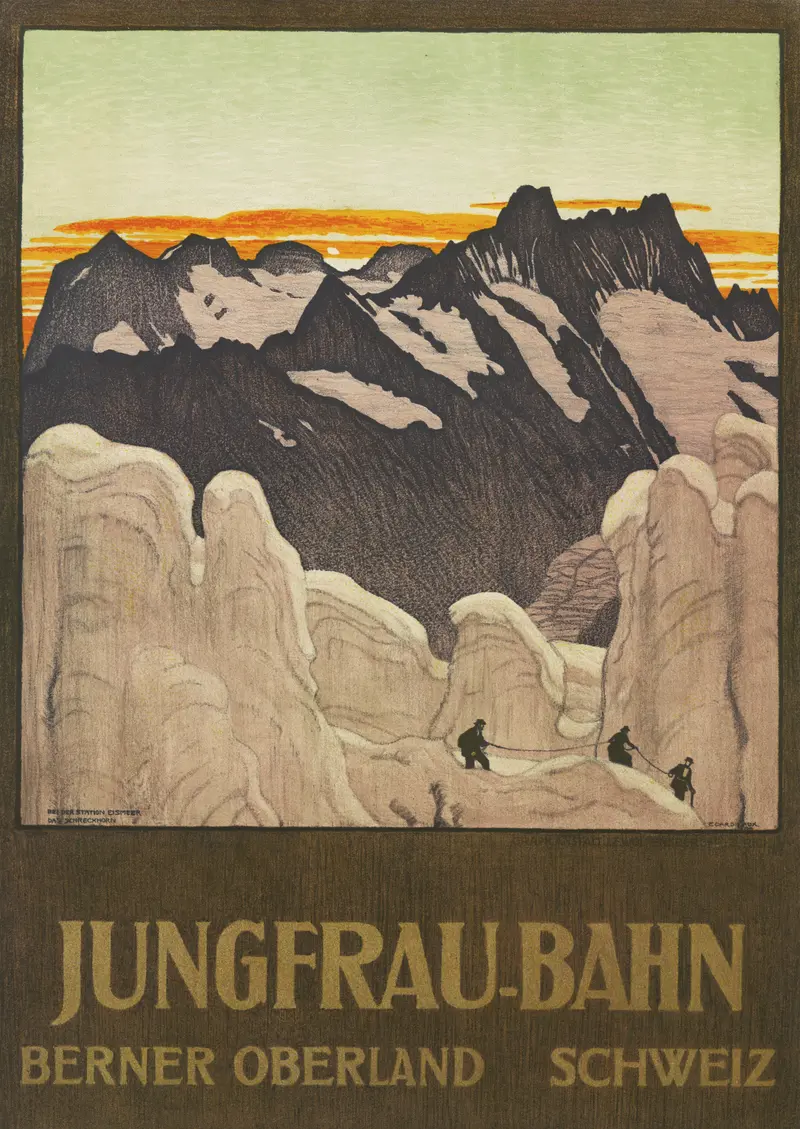
Jungfrau-Bahn, Berner Oberland
Emil Cardinaux
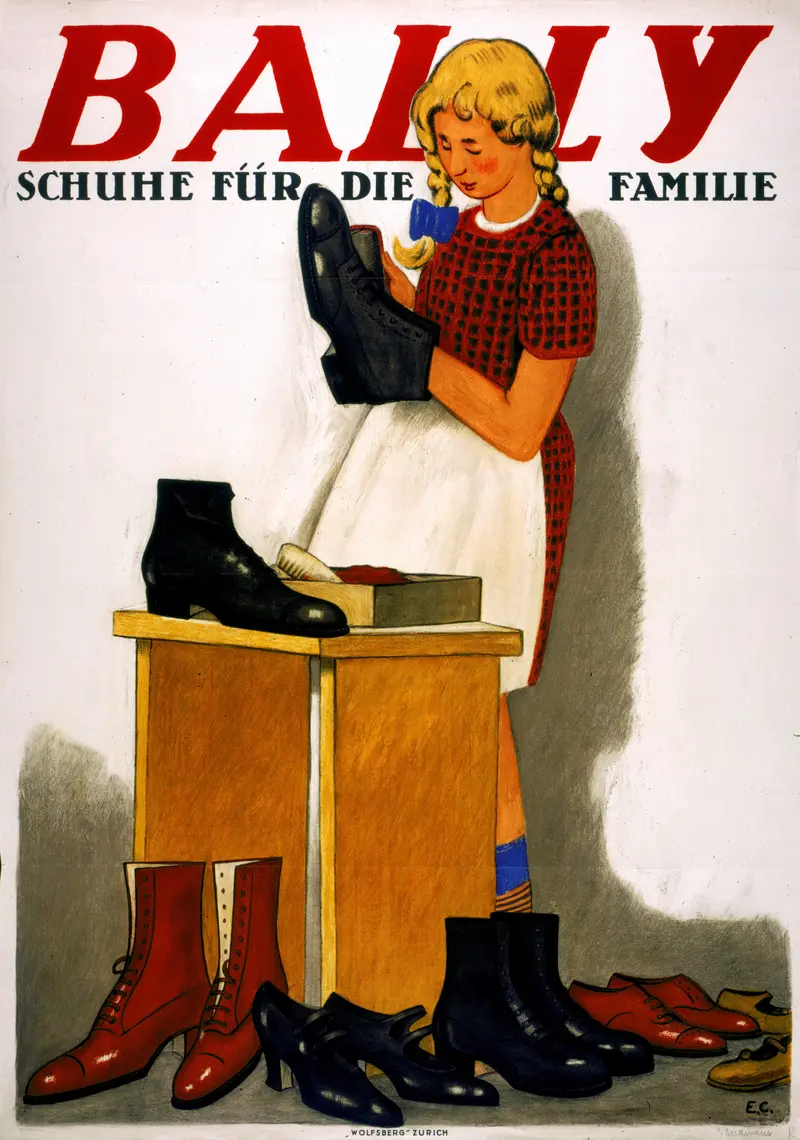
Bally – Schuhe für die Familie
Emil Cardinaux

Winter in Switzerland
Emil Cardinaux
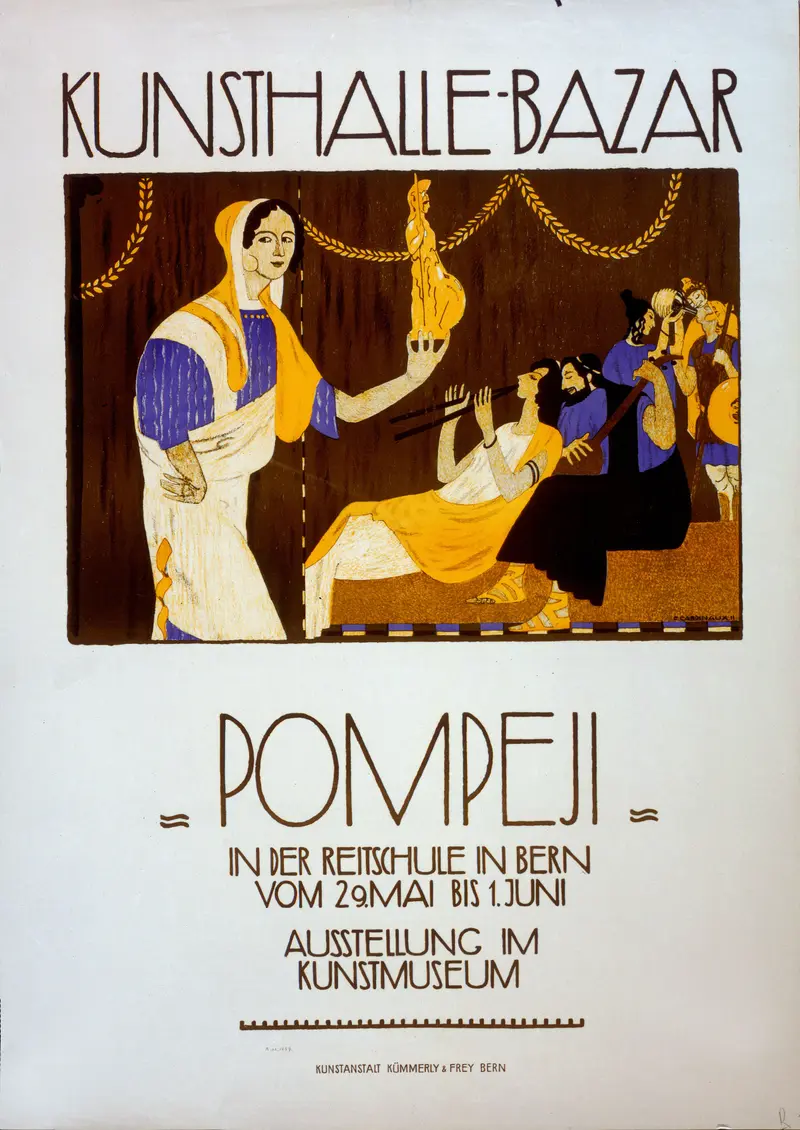
Kunsthalle-Bazar Pompeji, Bern 1911
Emil Cardinaux
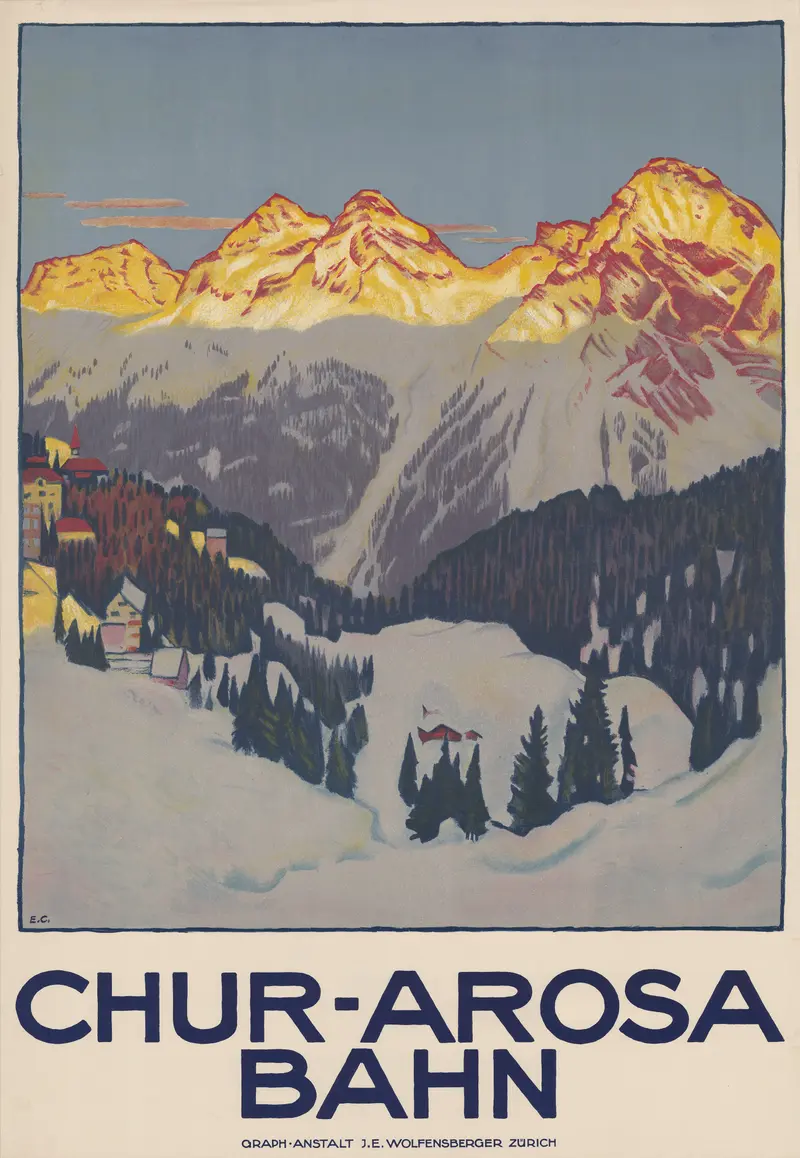
Chur-Arosa-Bahn
Emil Cardinaux
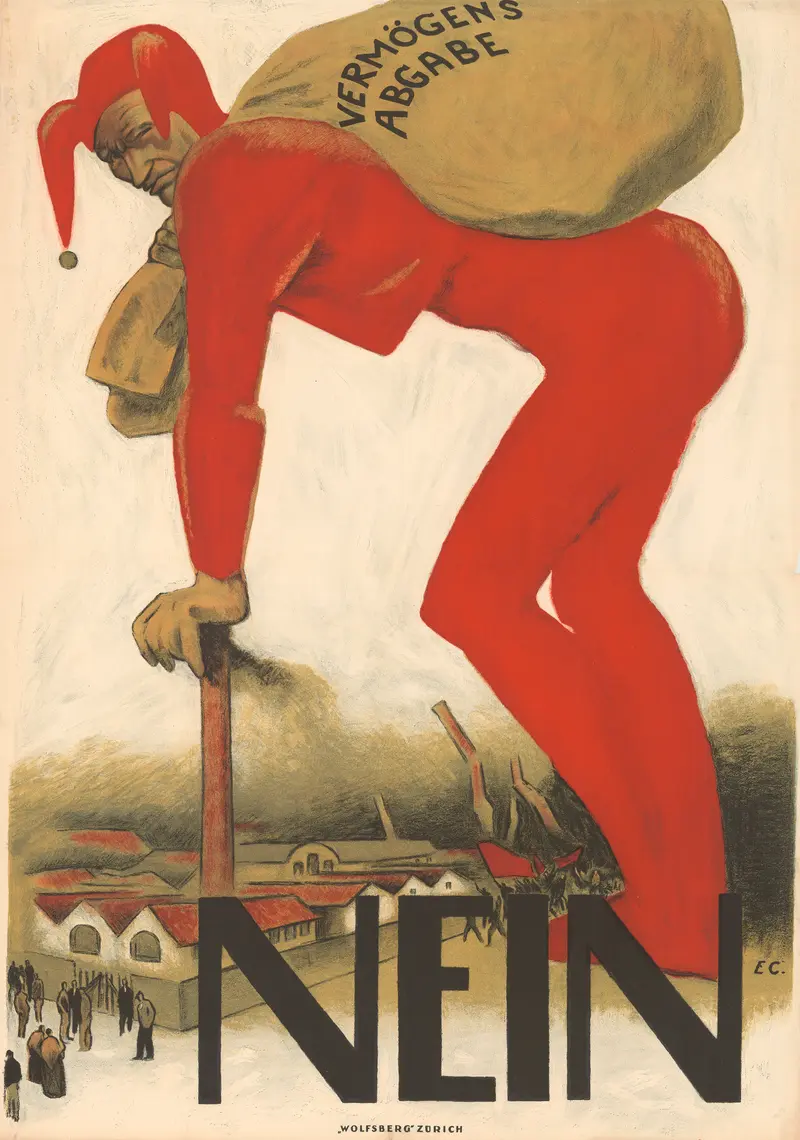
Vermögensabgabe – Nein
Emil Cardinaux
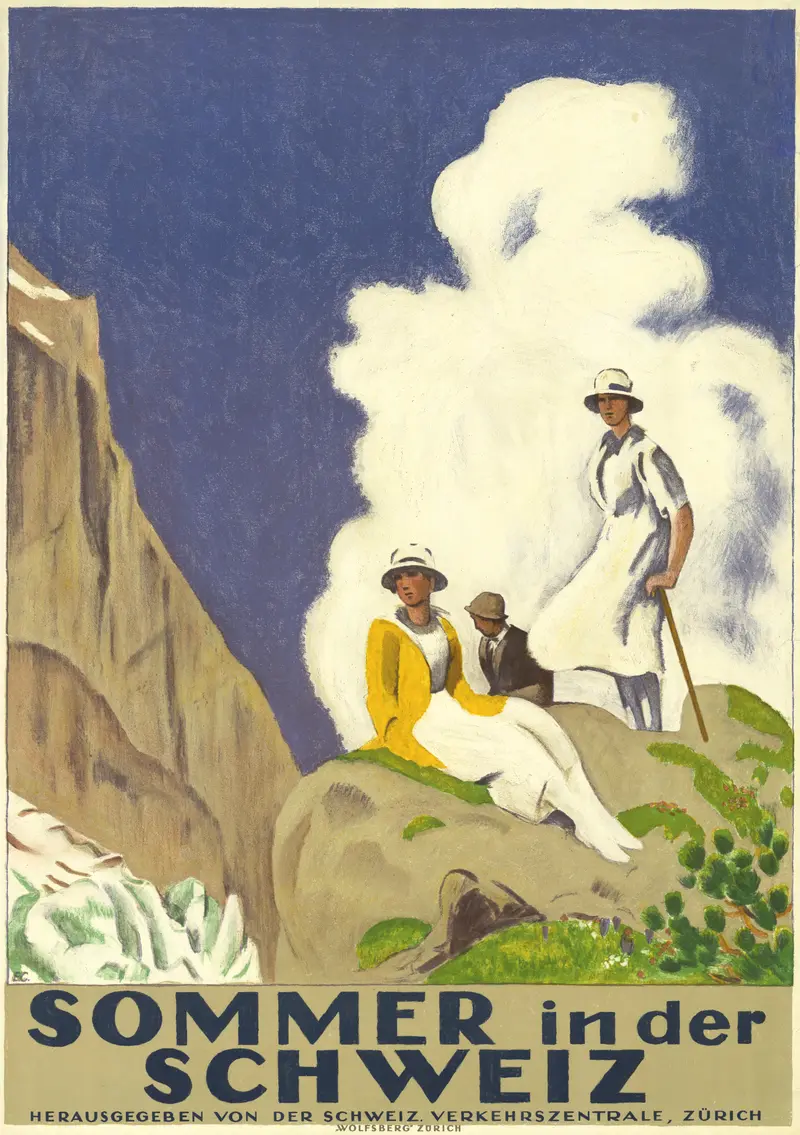
Sommer in der Schweiz
Emil Cardinaux
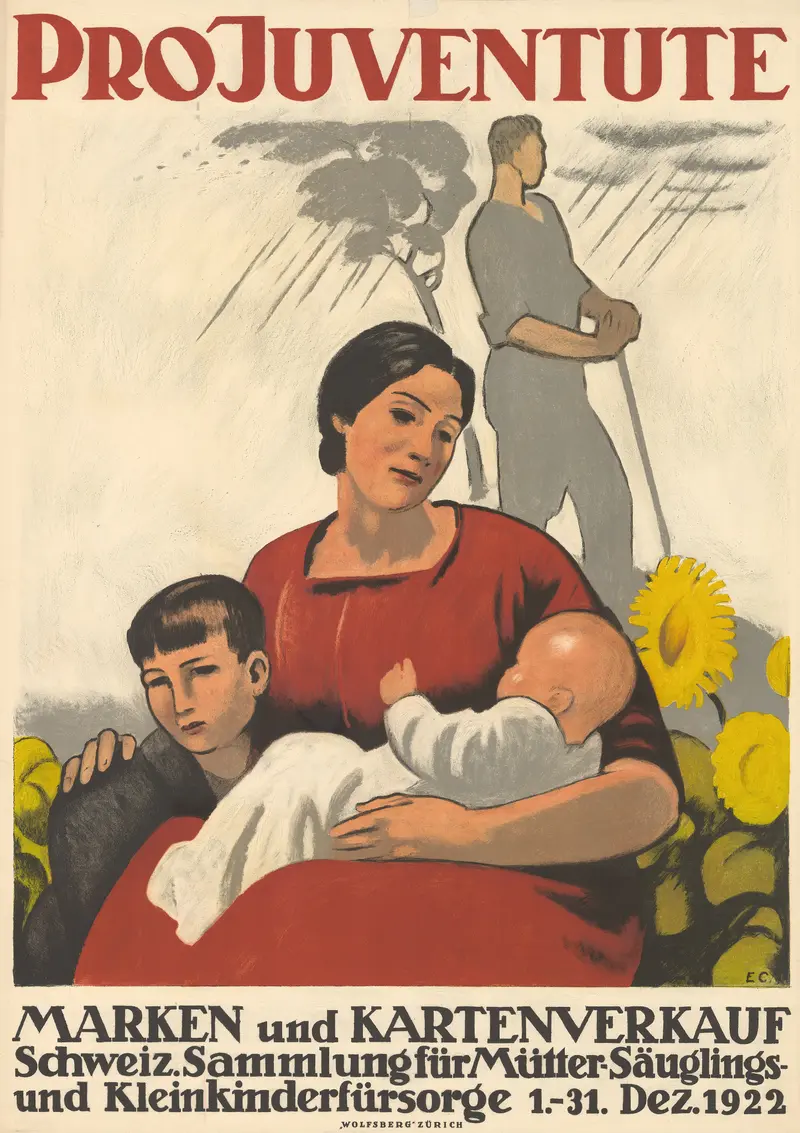
Pro Juventute 1922
Emil Cardinaux