Vermögensabgabe – Nein — History & Facts
A figure in bright red, hunched and looming, dominates the scene with a sack slung over his shoulder—its label, VERMÖGENSABGABE, unmistakably clear. His jester’s cap and the exaggerated bend of his back transform him into a force of ridicule and burden, pressing down on the factory chimney as if to choke the very industry below. The word “NEIN” stands bold and unyielding at the base, a cry of protest that anchors the whole composition.
Around the factory, small groups of people gather, dwarfed by the giant, their presence underscoring the sense of threat and resistance. The palette is spare but forceful, the red of the figure and the roofs echoing alarm, while the smoky sky hints at turmoil. Created in 1922, Vermögensabgabe – Nein by Emil Cardinaux belongs to a turbulent era when posters were weapons in public debates, not just decorations. The early 1920s in Europe saw fierce arguments over wealth taxes and social responsibility, with artists like Cardinaux lending their skills to political campaigns.
Such posters were often commissioned by interest groups seeking to sway public opinion in times of economic uncertainty. Though history has kept few traces of this specific work’s journey, its bold visual language and urgent message speak directly to its moment—inviting the viewer to step closer and read the battle lines drawn in color and form.
More Artworks by Emil Cardinaux
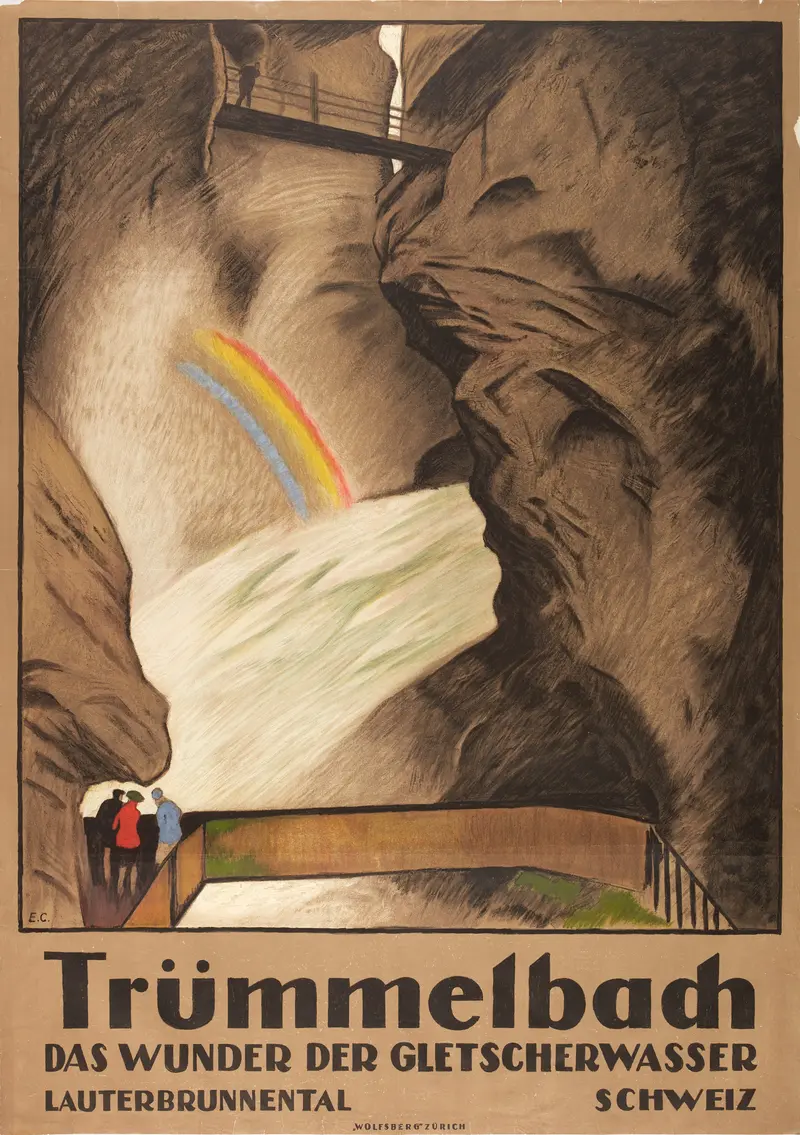
Trümmelbach
Emil Cardinaux
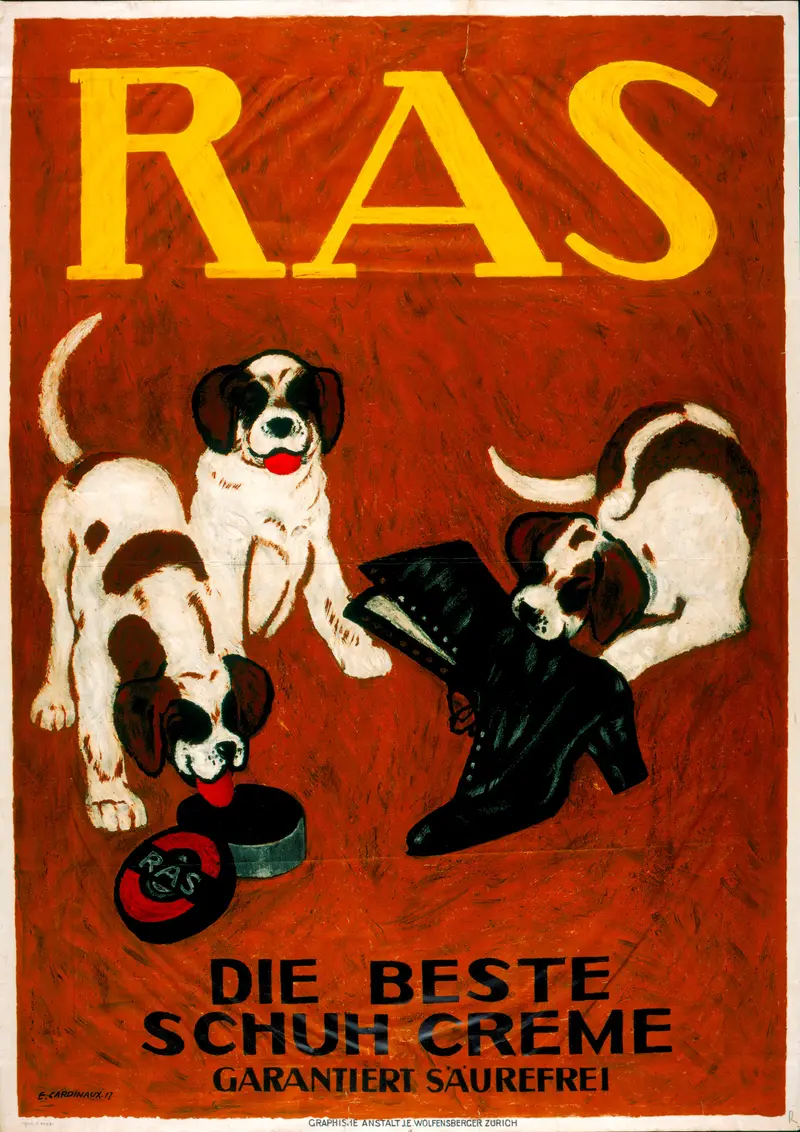
RAS, die beste Schuhcrème
Emil Cardinaux
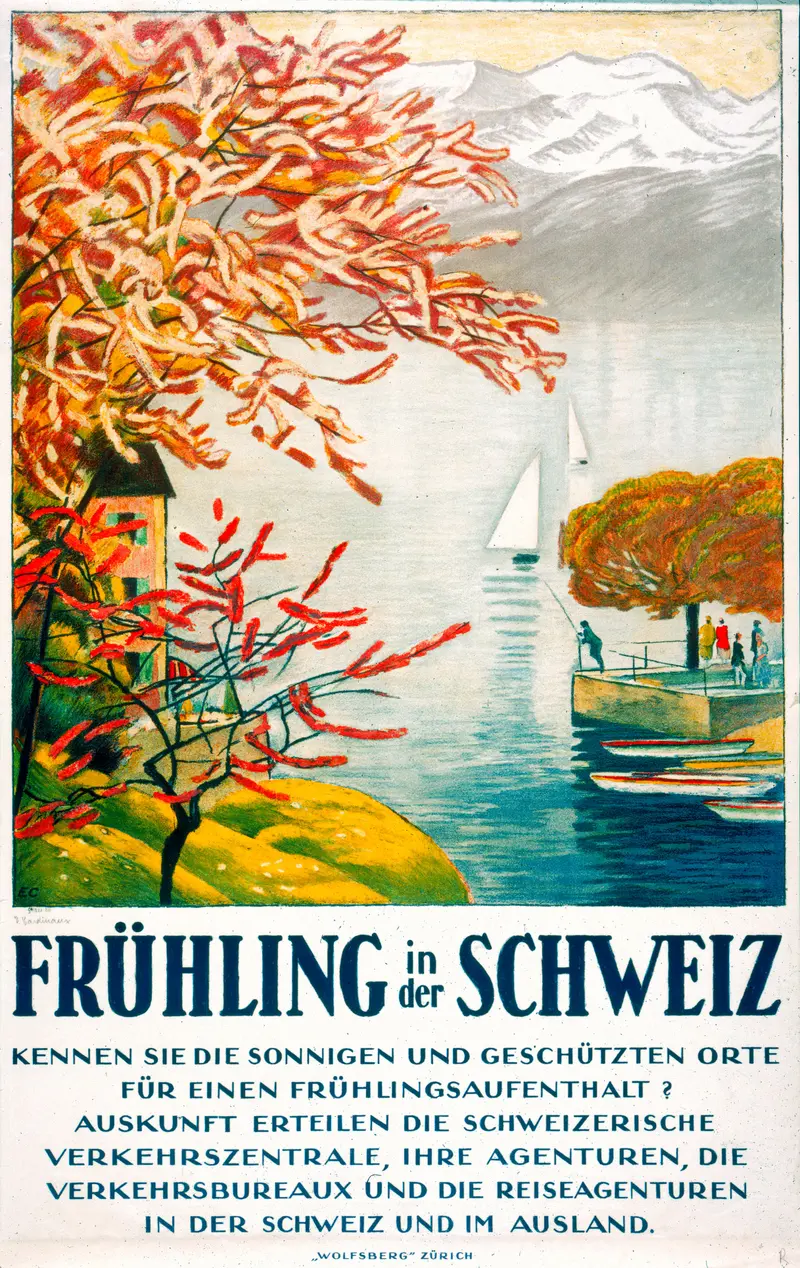
Frühling in der Schweiz
Emil Cardinaux
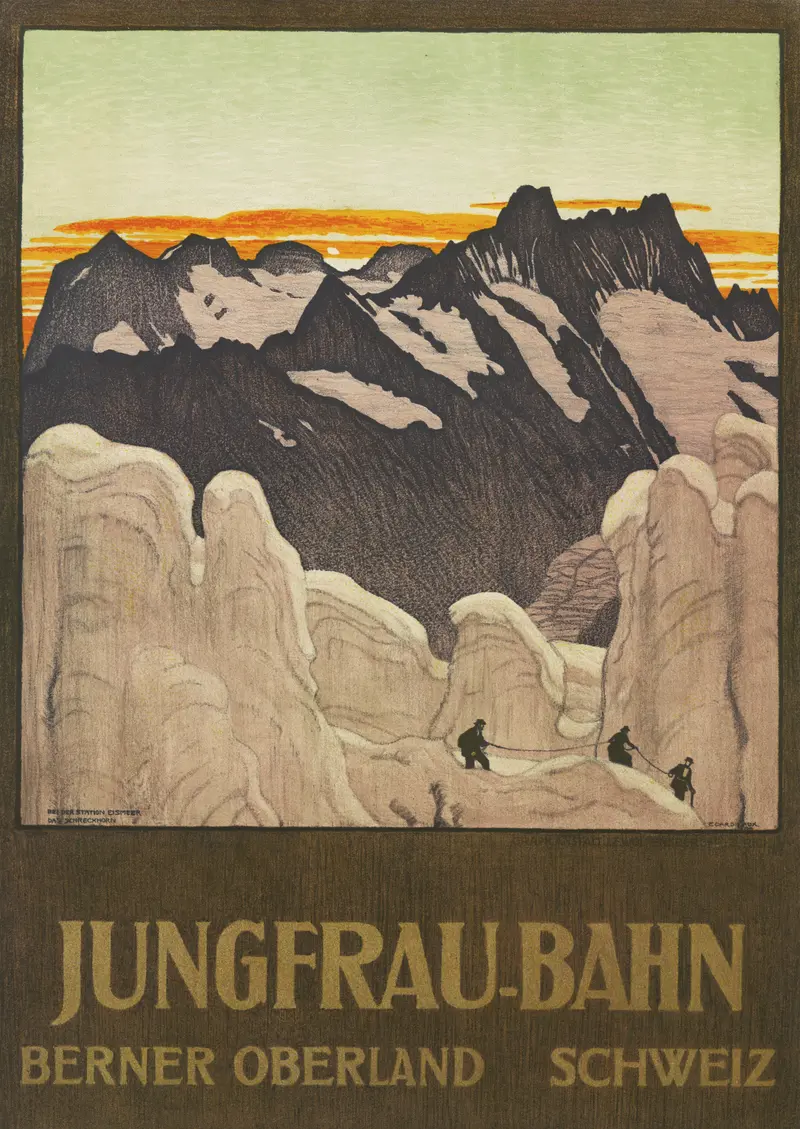
Jungfrau-Bahn, Berner Oberland
Emil Cardinaux
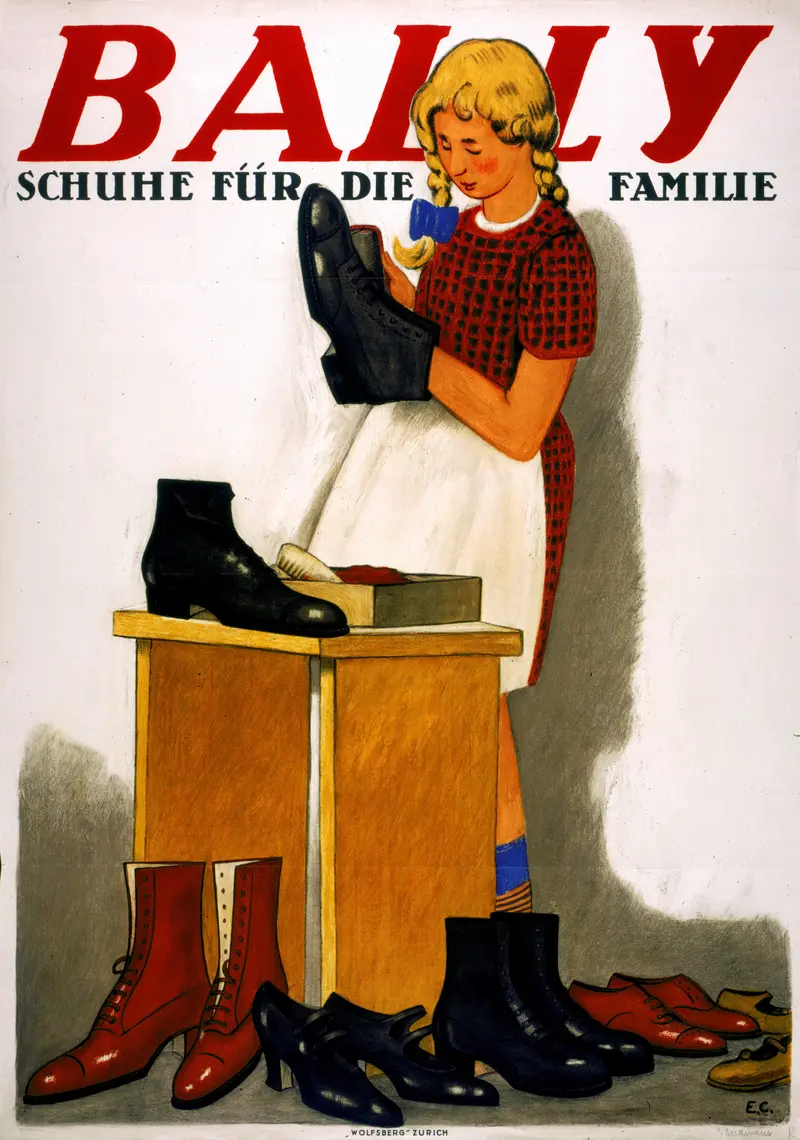
Bally – Schuhe für die Familie
Emil Cardinaux

Winter in Switzerland
Emil Cardinaux
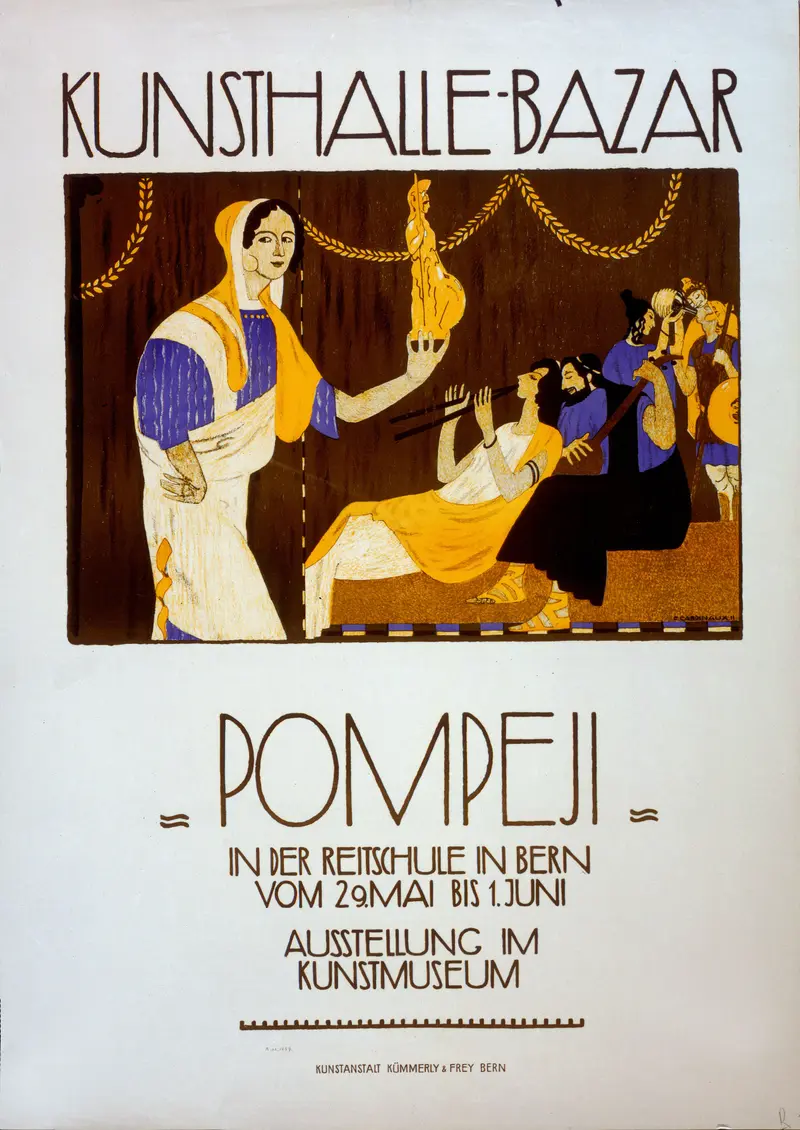
Kunsthalle-Bazar Pompeji, Bern 1911
Emil Cardinaux
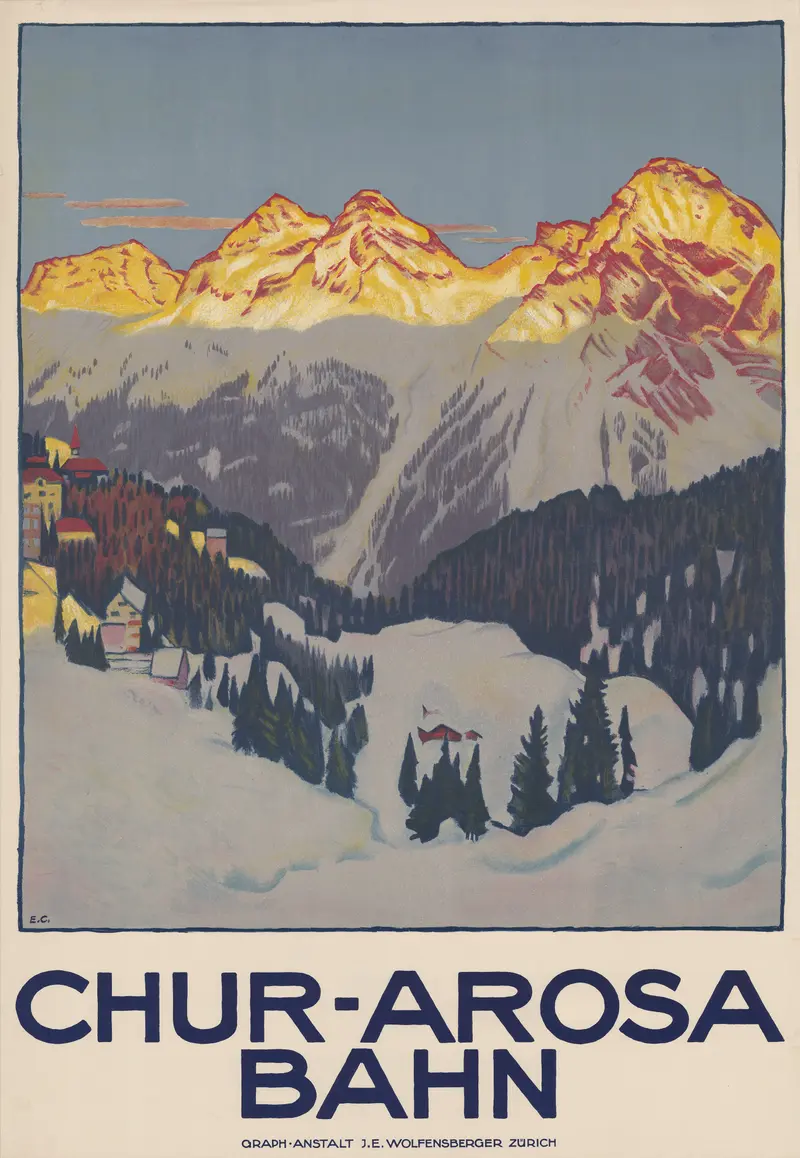
Chur-Arosa-Bahn
Emil Cardinaux
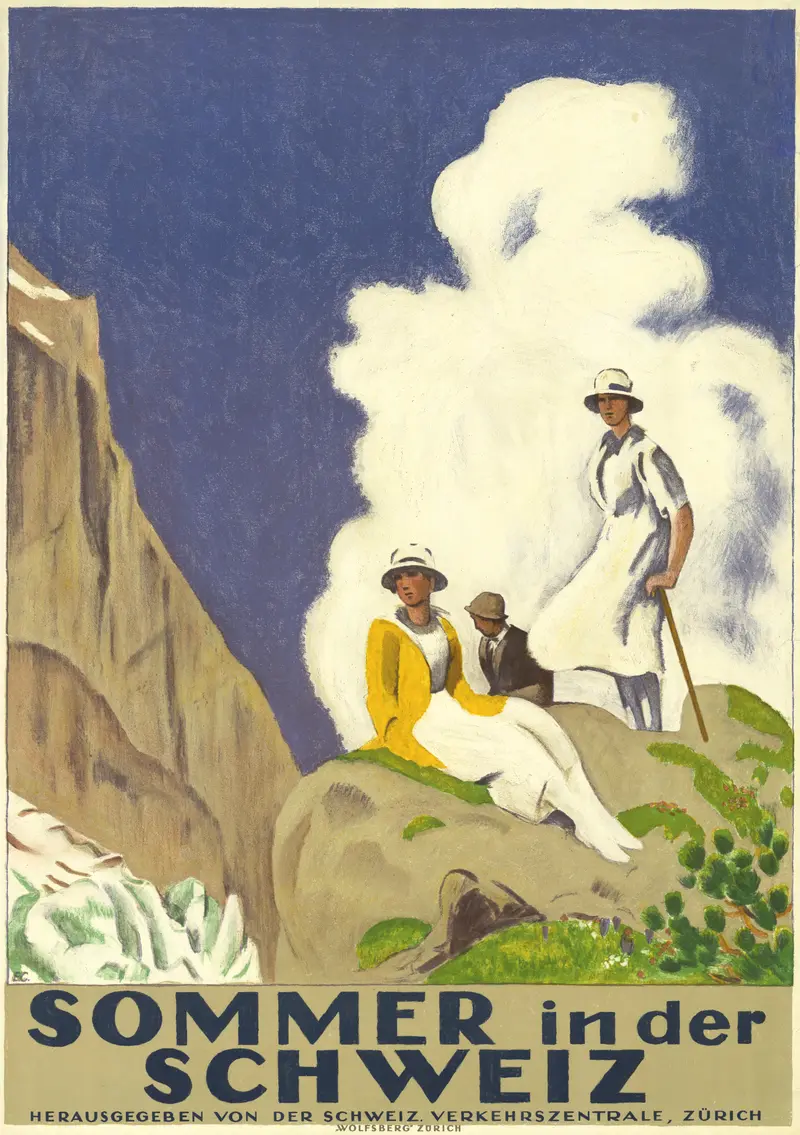
Sommer in der Schweiz
Emil Cardinaux
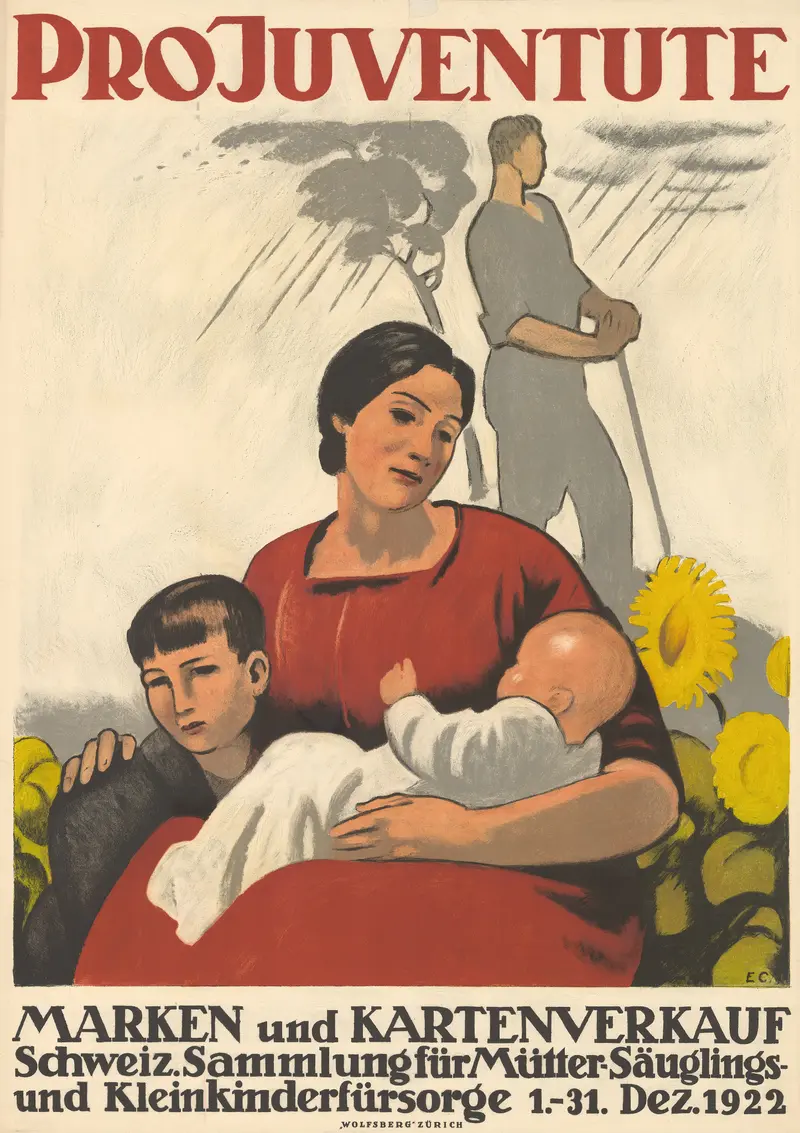
Pro Juventute 1922
Emil Cardinaux