
Falcon Attacking a Pigeon — History & Facts
A single instant of violence is frozen mid-air: wings outstretched, a falcon plummets upon its prey, the pigeon twisting in a last desperate contortion. The viewer’s eye is pulled first to the falcon’s talons, poised just above the pigeon’s exposed back, then swept outward along the blurred, feathery arcs of both birds. The background is a swirl of turbulent sky, painted with loose, urgent strokes that echo the chaos of the hunt.
Light catches on the pigeon’s wing, a flash of white against the stormy blue, while the falcon’s darker form nearly merges with the clouds, heightening the sense of sudden, unstoppable force. Every detail in the composition drives home the immediacy of the struggle, from the open beak of the predator to the awkward, desperate angle of the victim. Painted in 1844, Falcon Attacking a Pigeon belongs to a world fascinated by nature’s raw spectacle and the drama of the animal kingdom. In the mid-nineteenth century, artists across Europe turned their attention to scenes of predation and flight, often as studies in movement or as allegories of power.
Such works were prized by collectors eager to display both the painter’s technical skill and their own appreciation for the untamed world. While little is recorded about the specific journey of this painting, its presence in a private collection today speaks to the enduring appeal of these moments when nature’s laws are laid bare. The sweep of the falcon’s wings still commands attention, inviting the viewer to linger in the charged space between hunter and hunted.
More Artworks by Adolph von Menzel
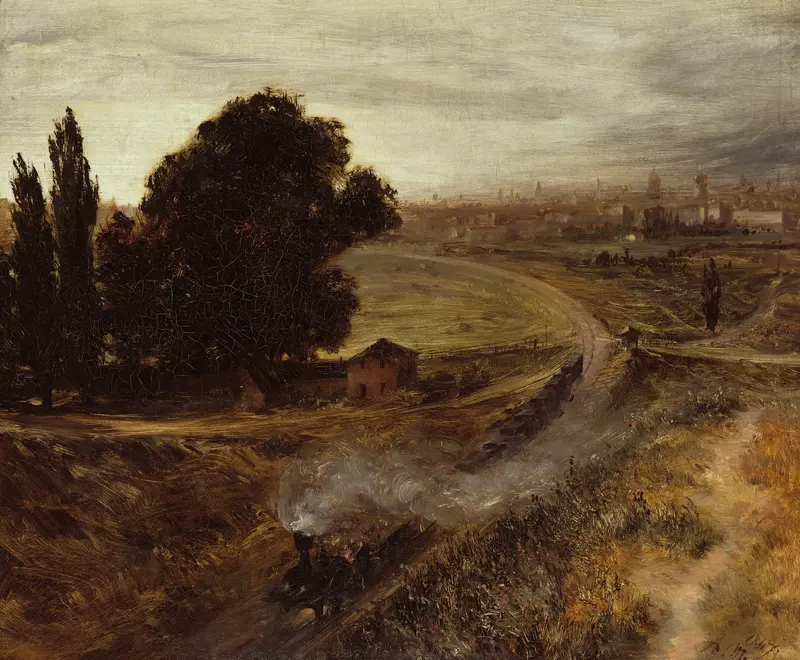
The Berlin-Potsdam Railway
Adolph von Menzel
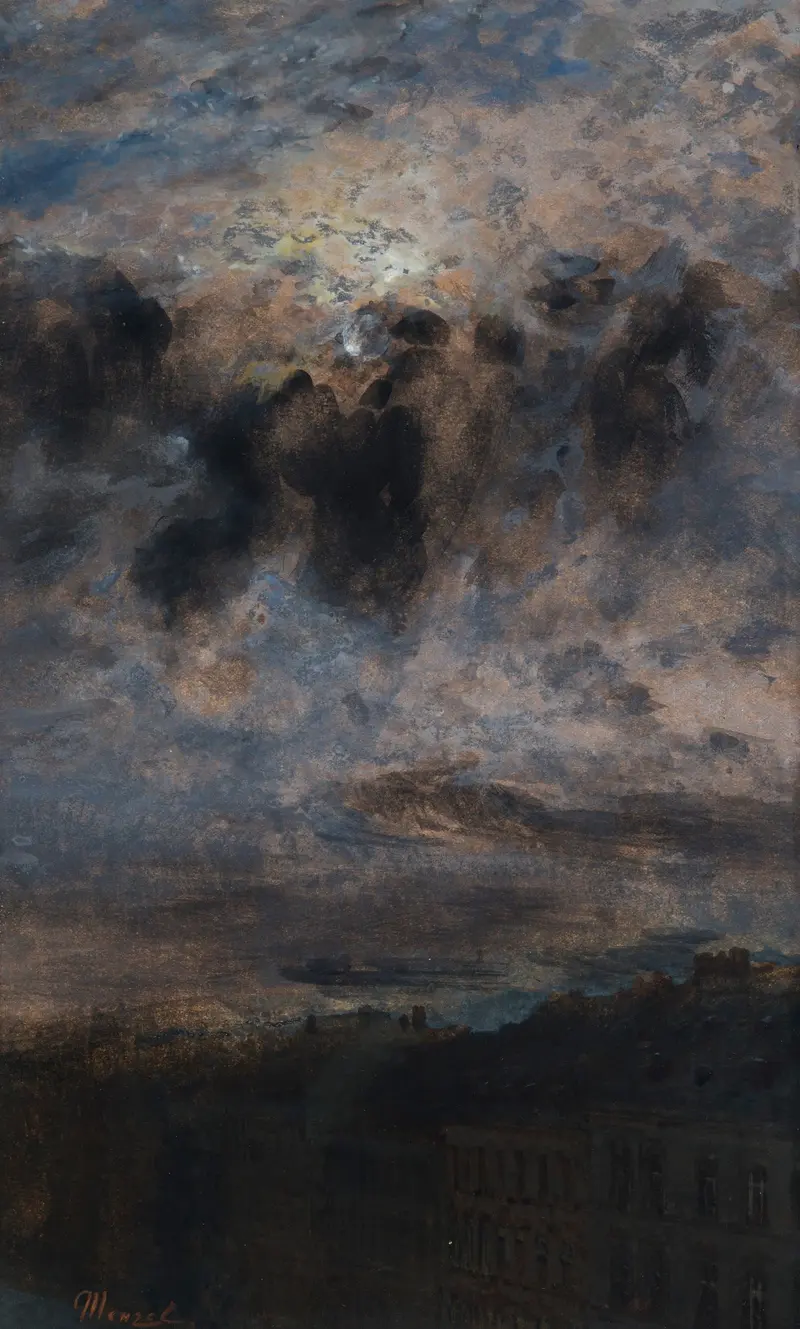
Mondschein über den Dächern von Berlin
Adolph von Menzel
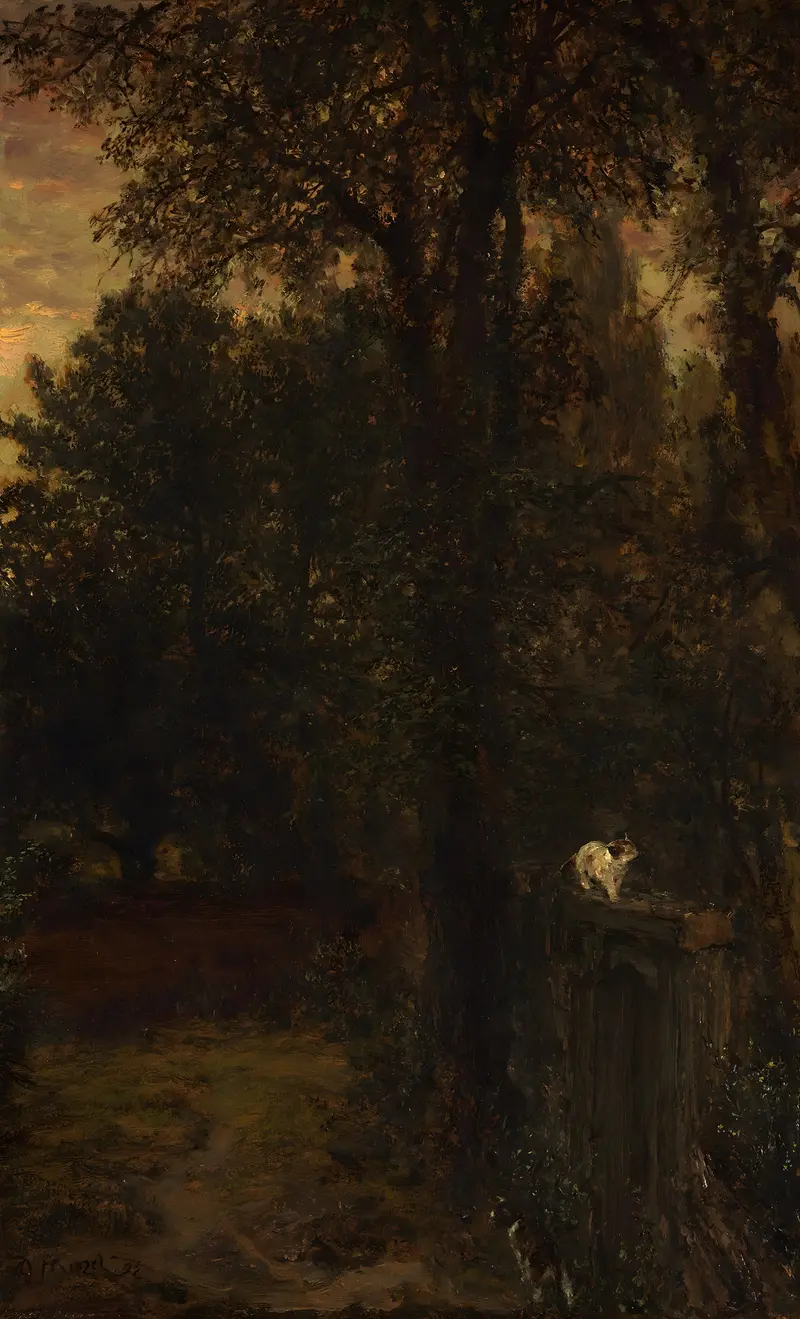
Landscape
Adolph von Menzel
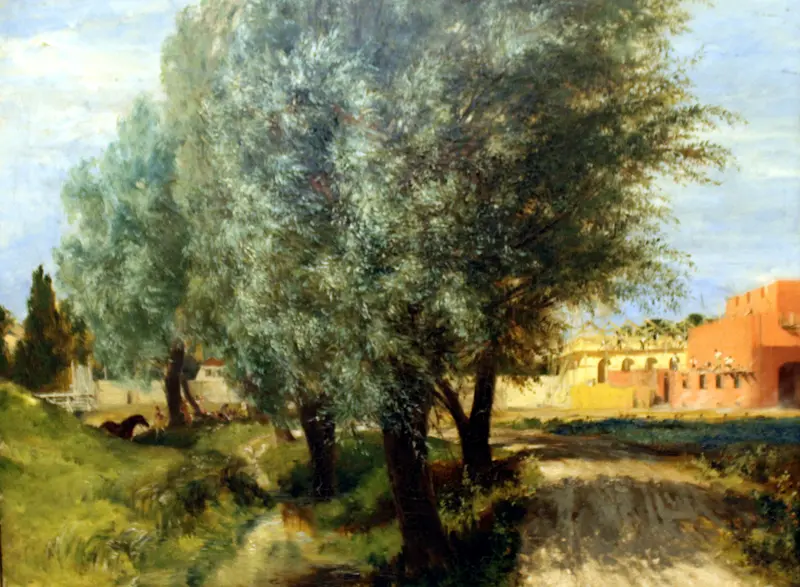
Building Site with Willows
Adolph von Menzel
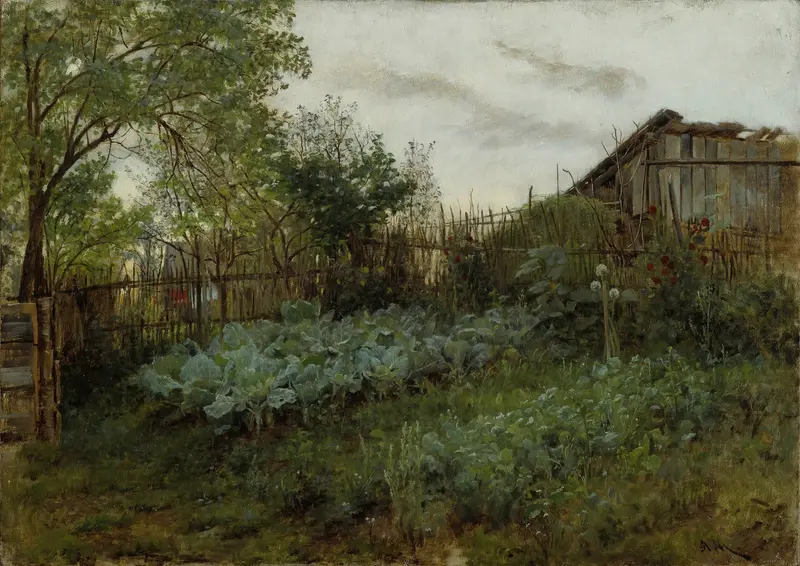
The Back Garden
Adolph von Menzel
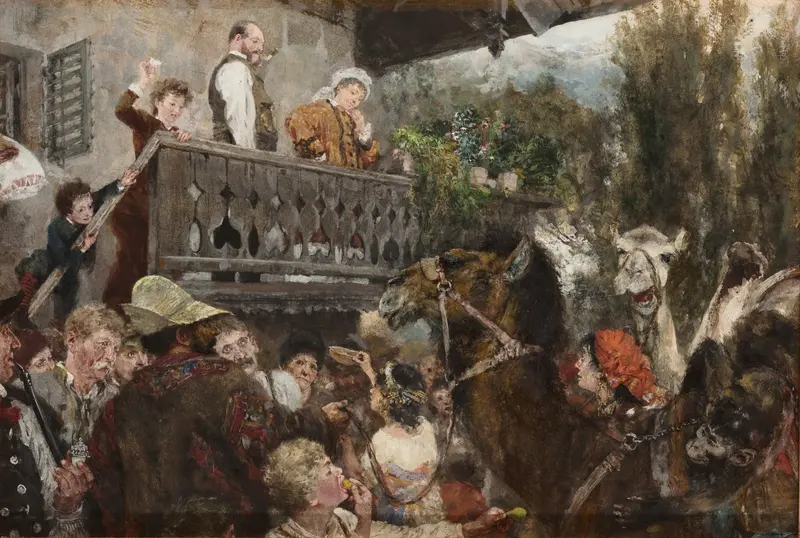
The wandering circus (Camel drivers in Partenkirchen)
Adolph von Menzel
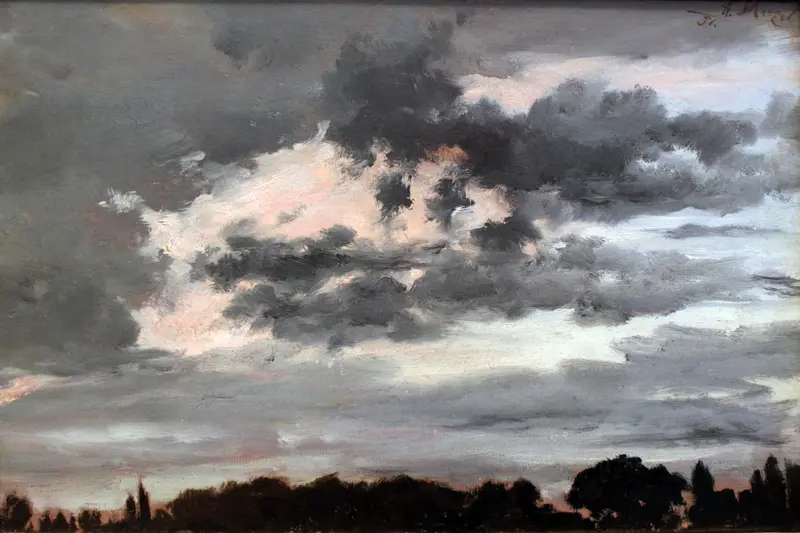
Cloud Study
Adolph von Menzel
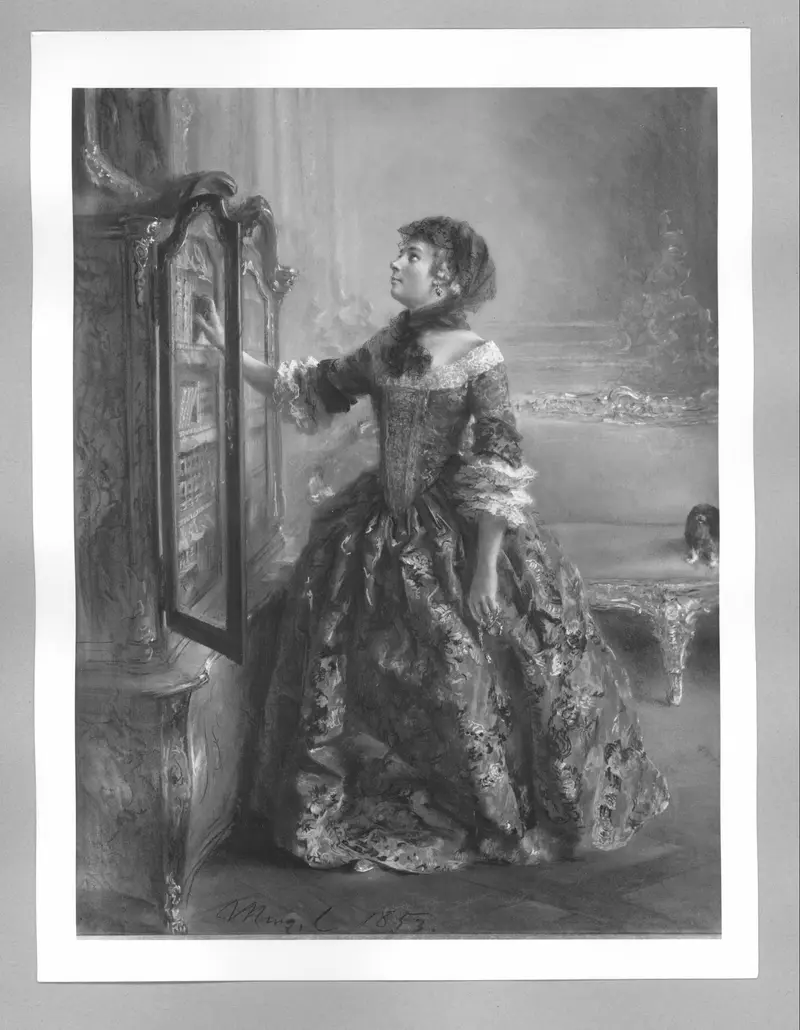
Adolf Friedrich Erdmann Menzel Dame in Rokoko Kostüm vor einem Bücherschrank (Prinzessin Amalie von Hohenzollern) 2320 Führermuseum
Adolph von Menzel
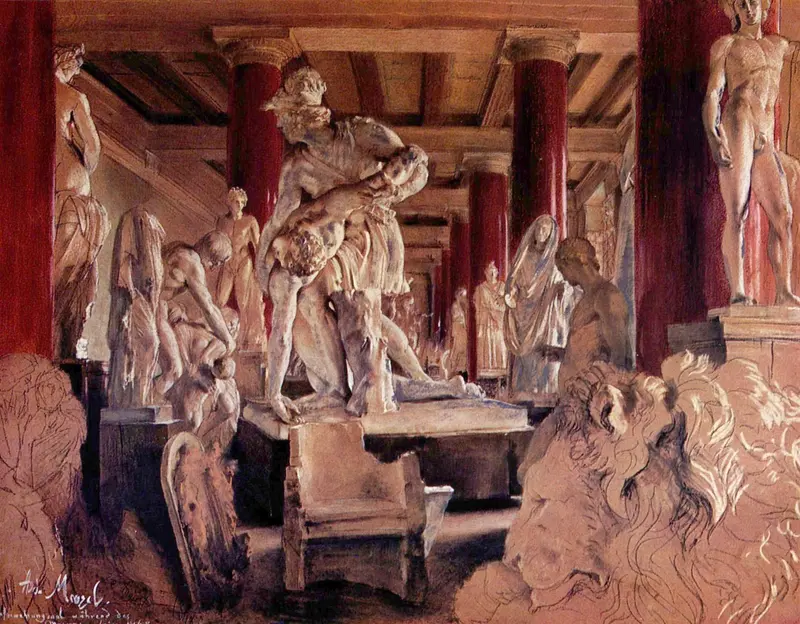
Aufbewahrungssaal während des Museumsumbaus Adolf Friedrich Erdmann von Menzel (Alte Nationalgalerie, Berlin)
Adolph von Menzel
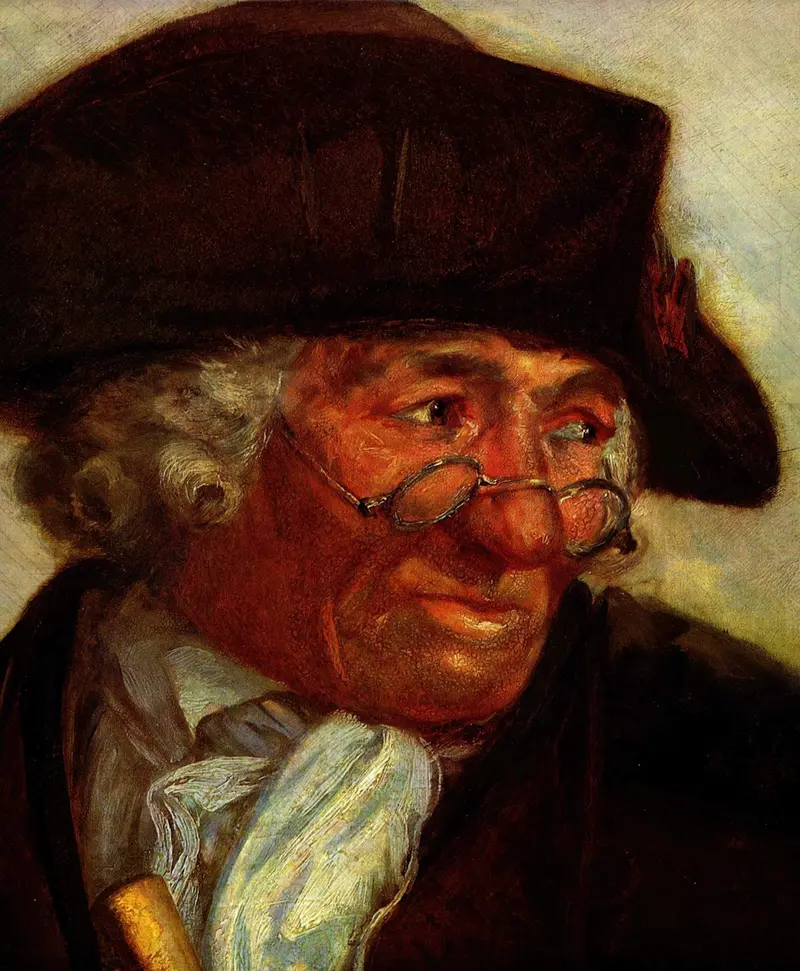
Chodowiecki on the Jannowitz Bridge
Adolph von Menzel





