
Falkland Islands Wolf — History & Facts
In Falkland Islands Wolf, Charles Hamilton Smith presents a striking image of the now-extinct animal. The painting features a wolf with a thick, bushy coat, primarily in shades of gray and brown. Its piercing eyes and alert posture suggest a creature that is both majestic and fierce.
The background is a subtle blend of natural colors that hint at the wolf's habitat in the Falkland Islands. The artwork is executed in watercolor on paper, a medium that allows for delicate details and soft transitions in color. Smith’s technique captures the texture of the wolf's fur and the nuances of its expression. The dimensions of the piece are approximately 30 x 40 cm, making it a relatively intimate portrayal.
This size invites viewers to engage closely with the subject. Charles Hamilton Smith was known for his detailed studies of animals, particularly those that were less understood or endangered. This work reflects his interest in natural history and conservation, as the Falkland Islands Wolf is now extinct. An interesting fact about this piece is that it serves not only as an artistic representation but also as a historical document of a species that once roamed the islands.
Smith’s dedication to accuracy in his depictions makes this work significant in both art and science.
More Artworks by Charles Hamilton Smith

Marengo, Bonaparte’s Arab
Charles Hamilton Smith
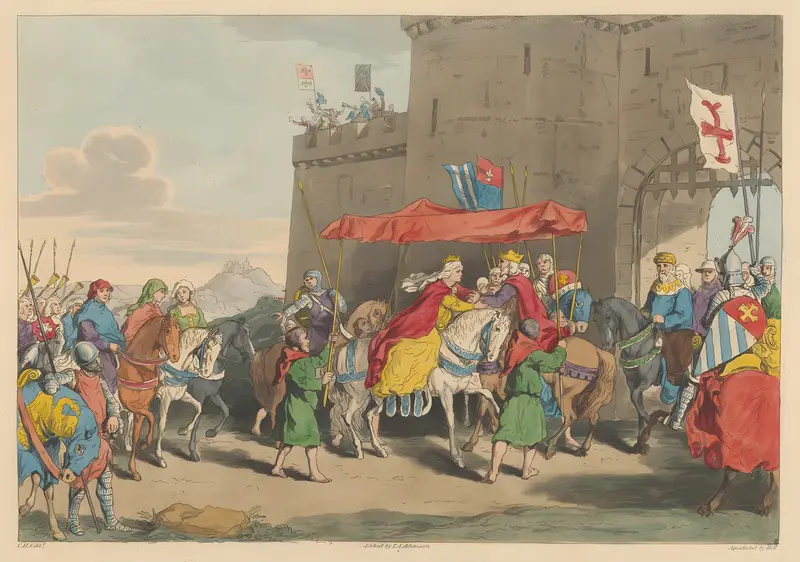
Costume of the Reign of King Henry III
Charles Hamilton Smith
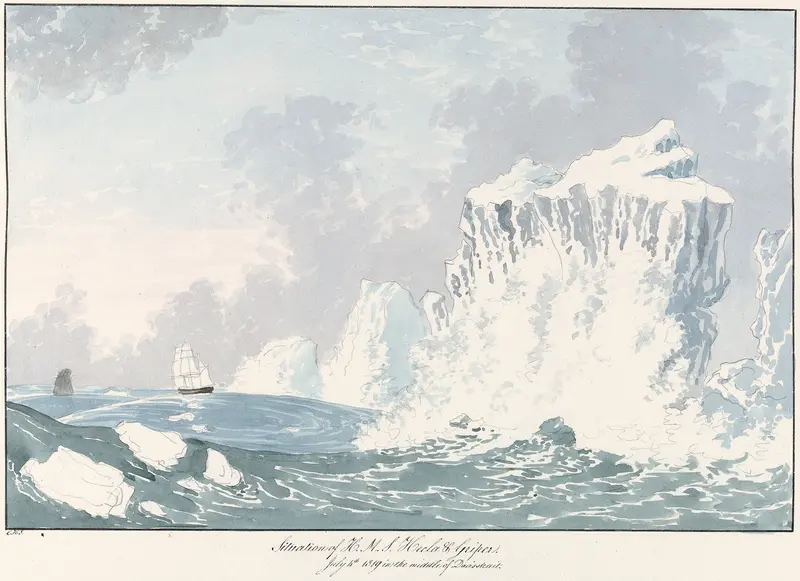
Situation of H.M.S. Hecla & Griper
Charles Hamilton Smith
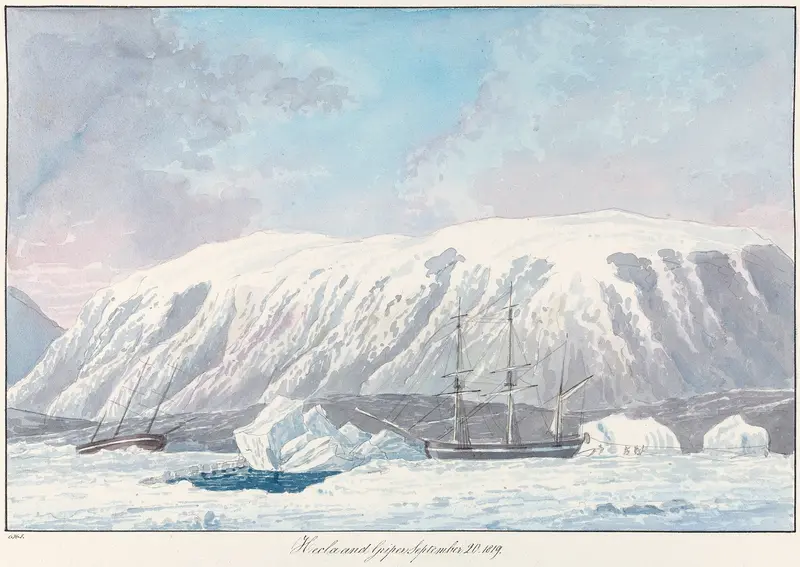
Hecla and Griper
Charles Hamilton Smith
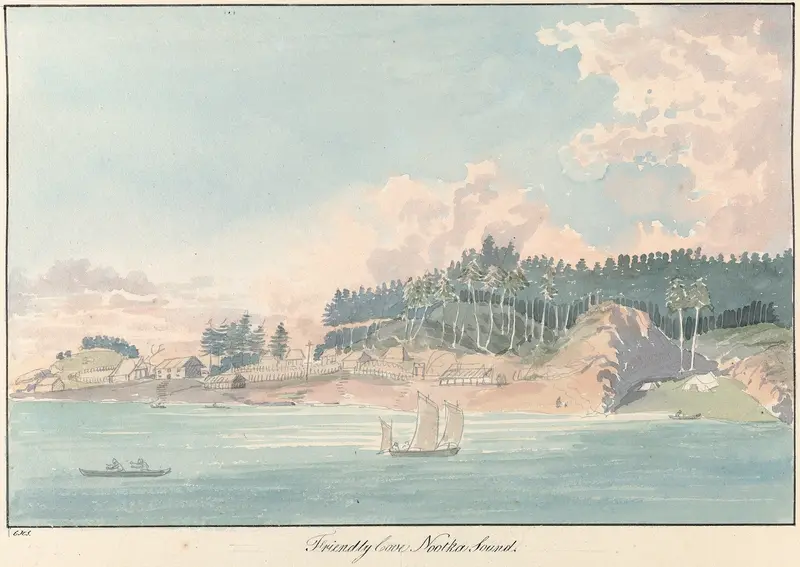
Friendly Cove, Nootka Sound
Charles Hamilton Smith
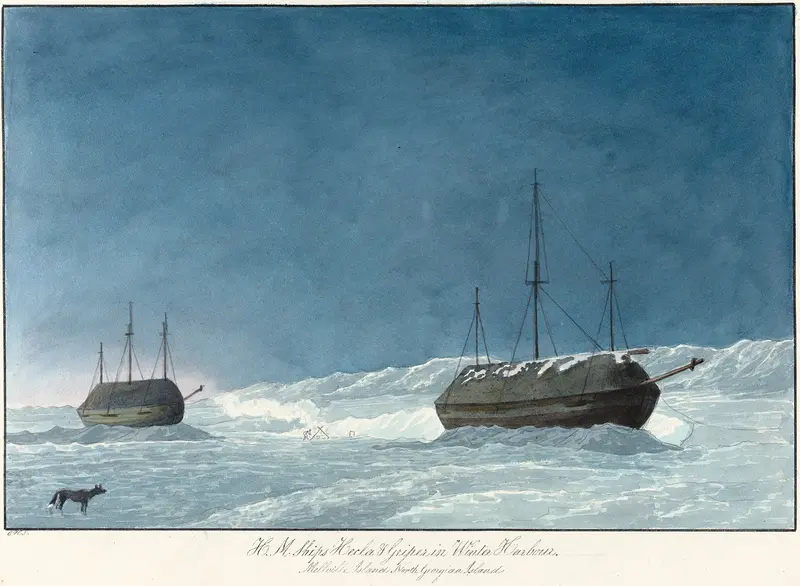
H. M. Ships Hecla and Griper in Winter Harbour
Charles Hamilton Smith
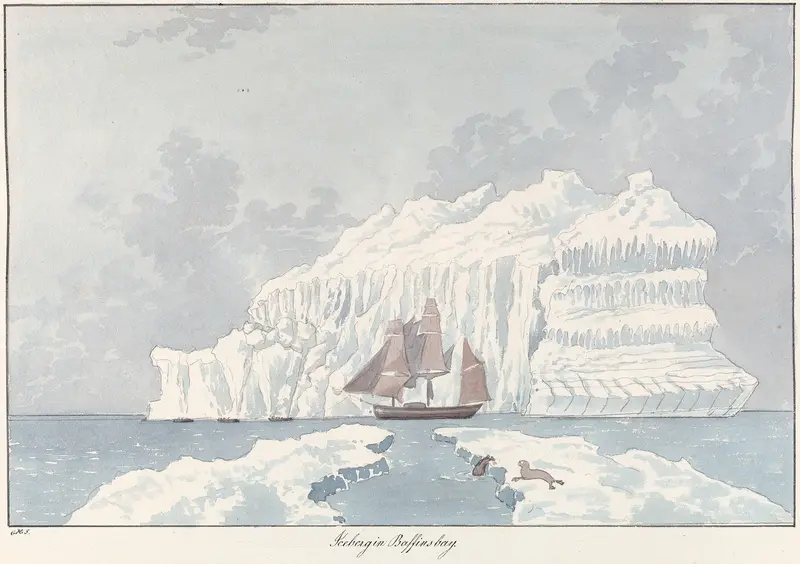
Iceberg in Baffin’s Bay
Charles Hamilton Smith
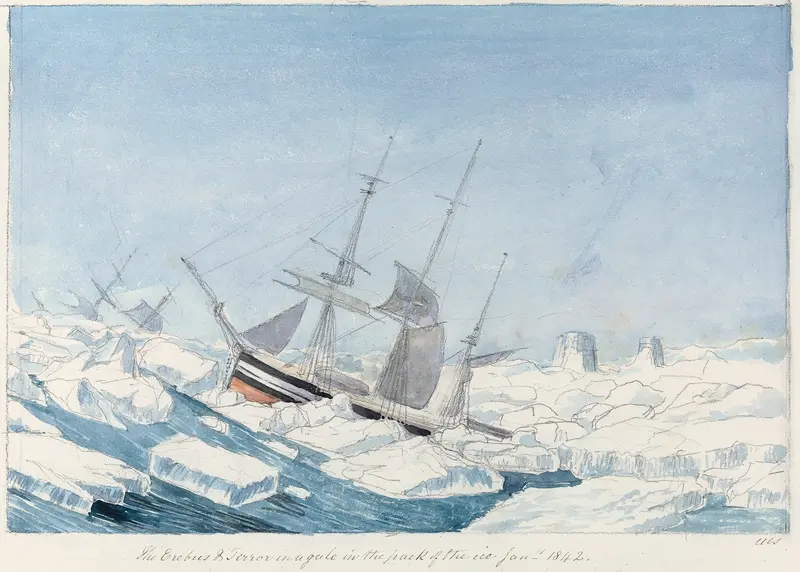
The Erebus & Terror in a Gale in the Pack of the Ice
Charles Hamilton Smith
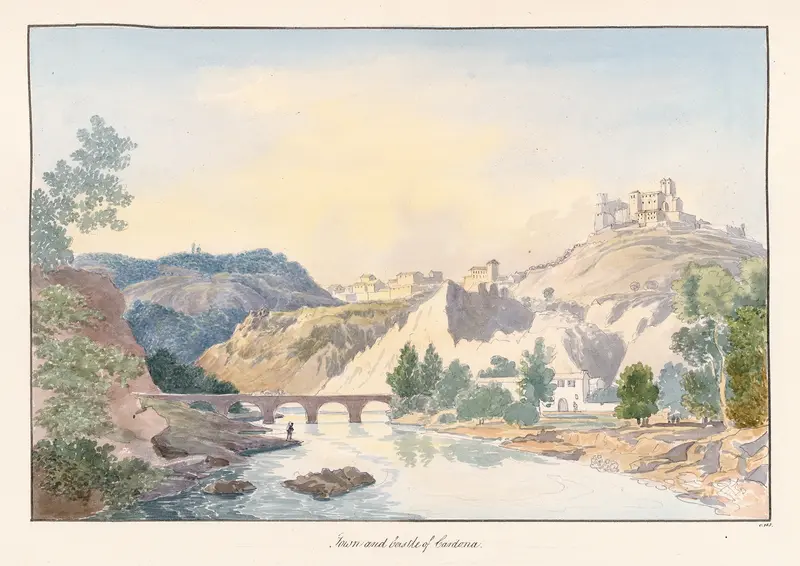
Town and Castle of Cardona
Charles Hamilton Smith
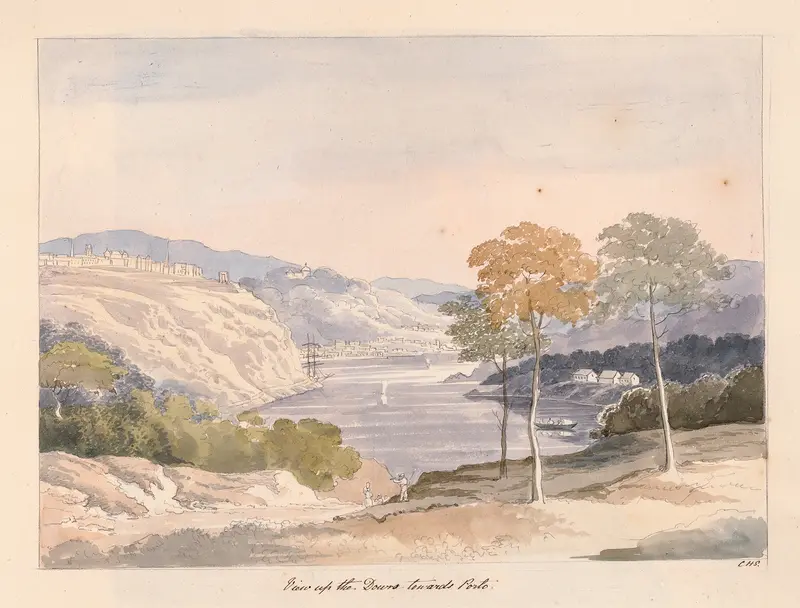
View of the Douro towards Porto
Charles Hamilton Smith





