
Art movement · late 1870s–1890s · Europe
Naturalism Art and Paintings
Naturalism is an art movement that began in France in the late 1870s, when painters at the Paris Salon set out to show rural and everyday life as it really looks, often painting outdoors from life. It spread to Britain, Scandinavia and Finland in the 1880s and was at its most popular in the late 1880s. Its painters include Jules Bastien-Lepage, Léon Lhermitte, Pascal Dagnan-Bouveret, George Clausen and Albert Edelfelt.
They painted harvesters, Breton pilgrims, fishermen and village funerals, often from real people in the places where they lived. Émile Zola called Bastien-Lepage's Hay Making, shown at the Salon of 1878, the masterpiece of naturalism in painting, and Edelfelt painted Conveying the Child's Coffin entirely outdoors.
Browse 269 Naturalism paintings and artworks below, all public domain and free to download.
Selected and written by Pavel MazuelasUpdated November 5, 2026
Part of Art Movements and Painting StylesRelated: Realism, Impressionism, Genre Scene Paintings
All Naturalism paintings and artworks
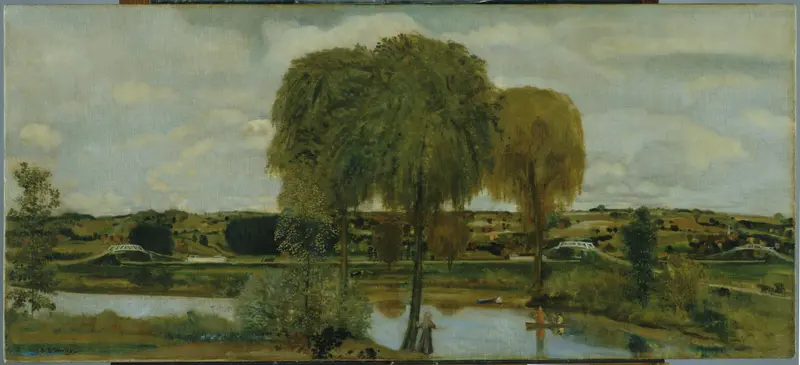
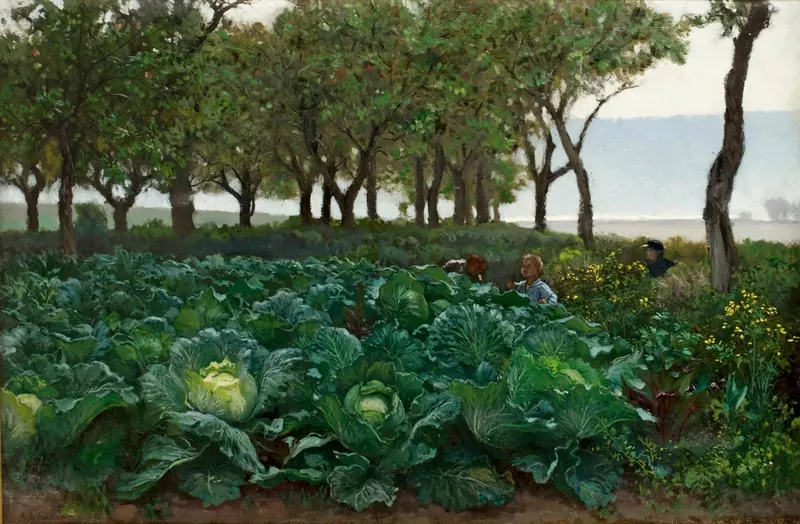
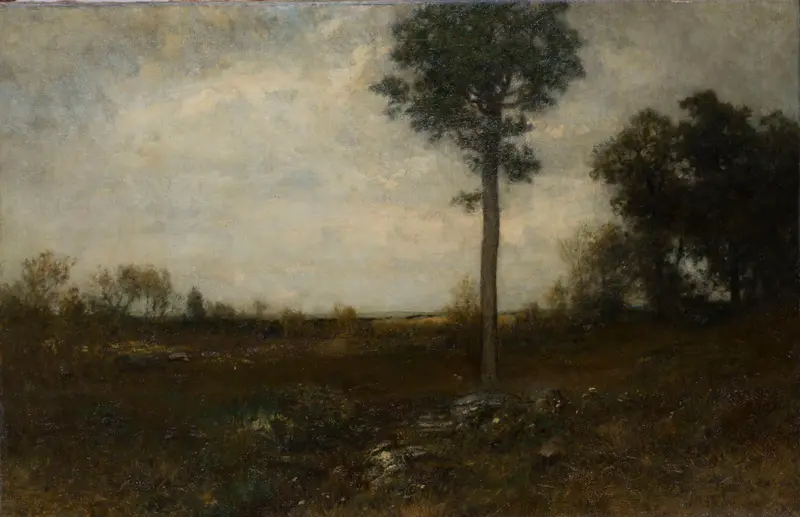
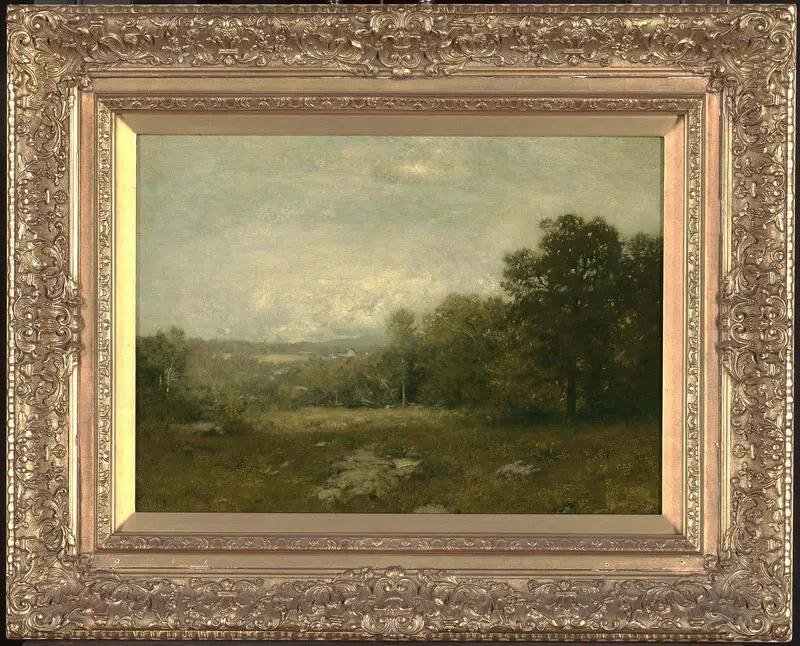
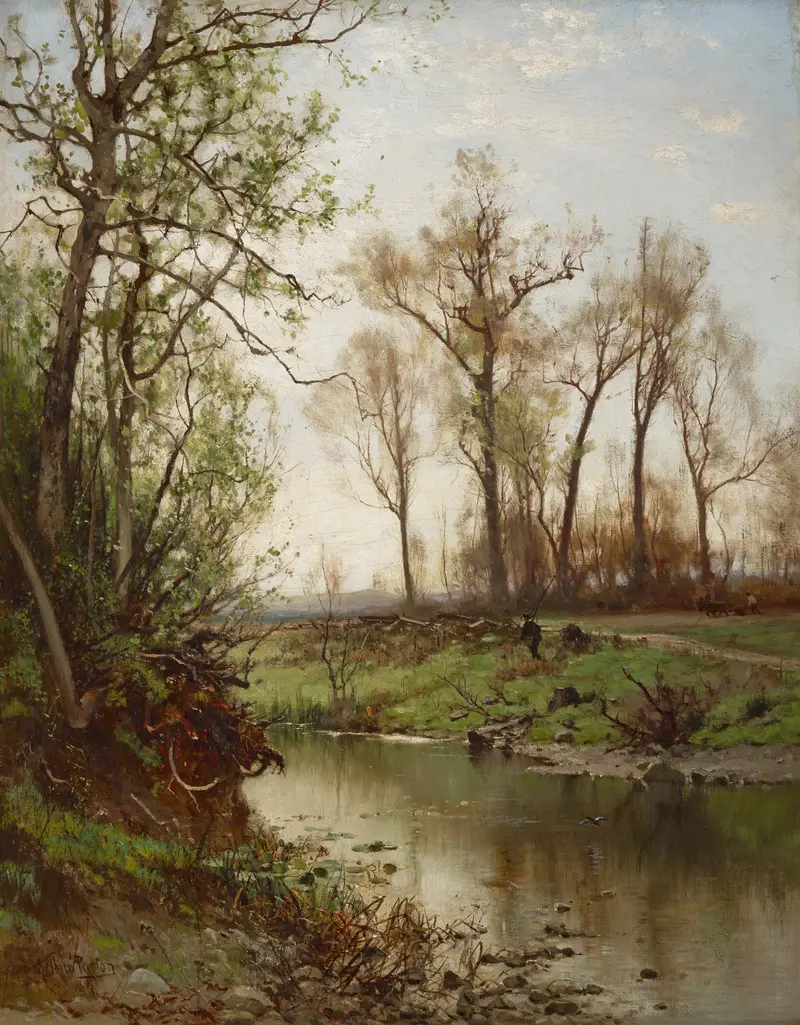
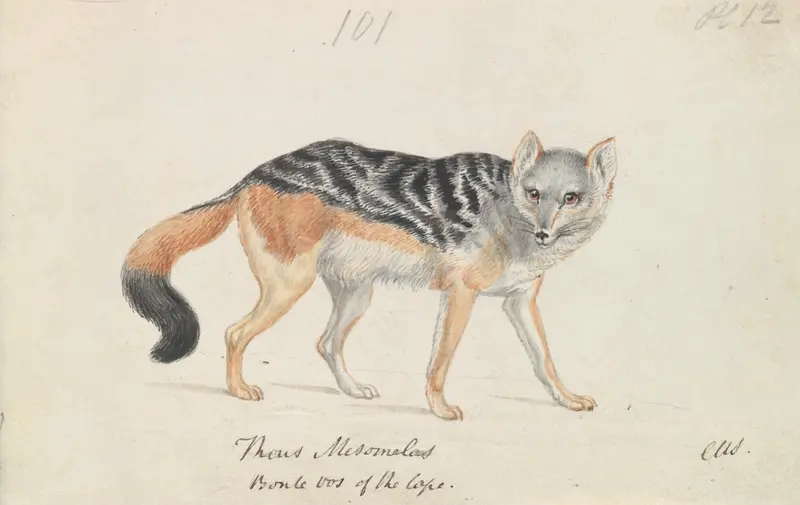
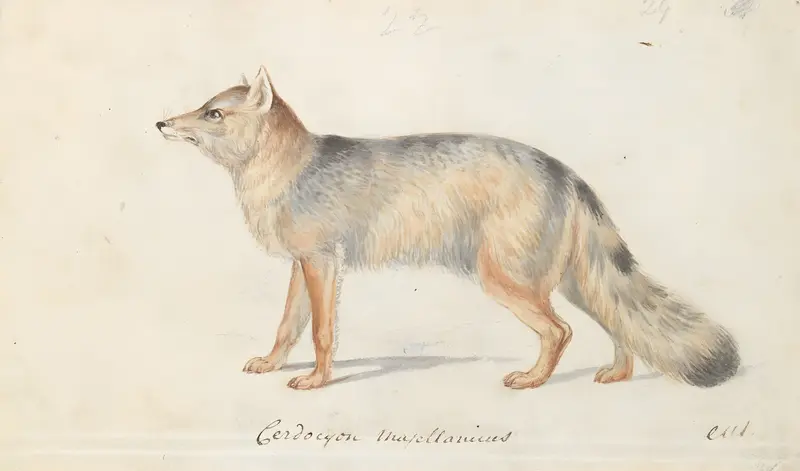
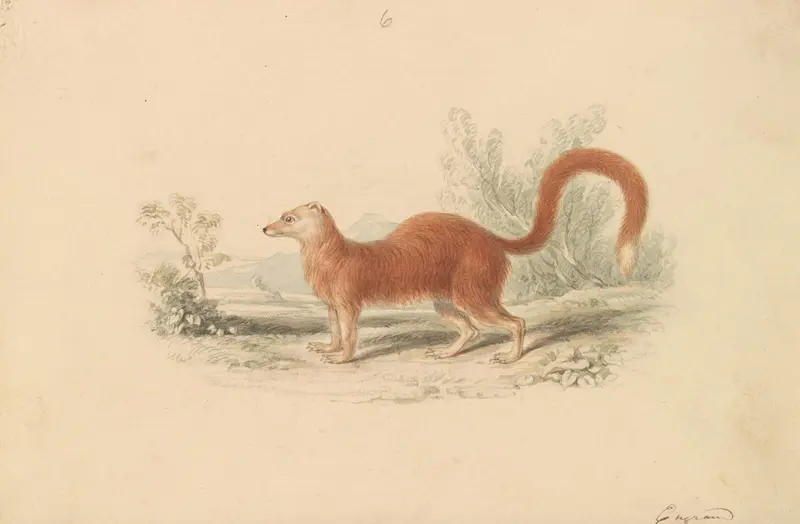
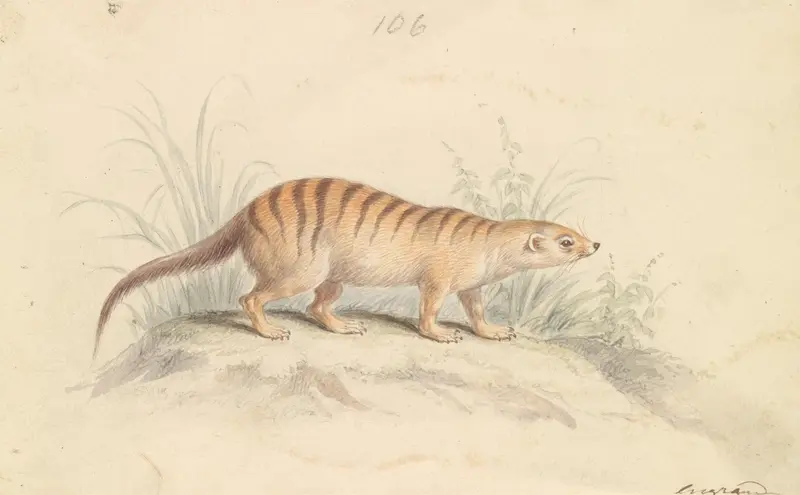
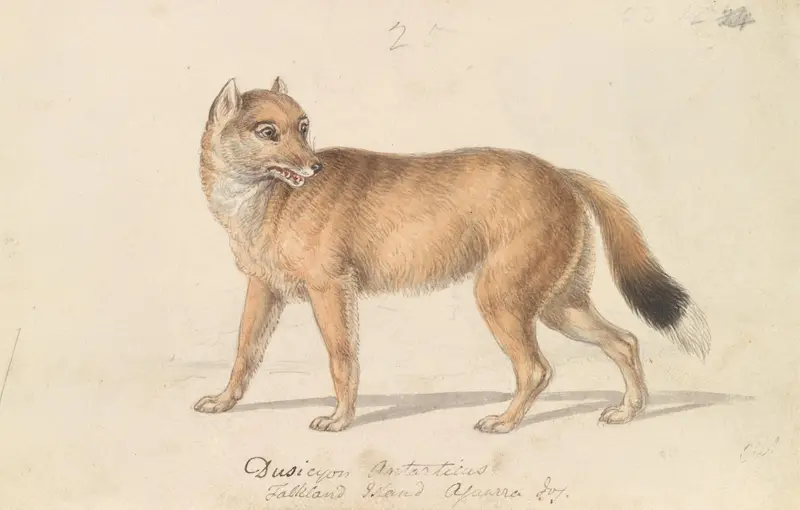
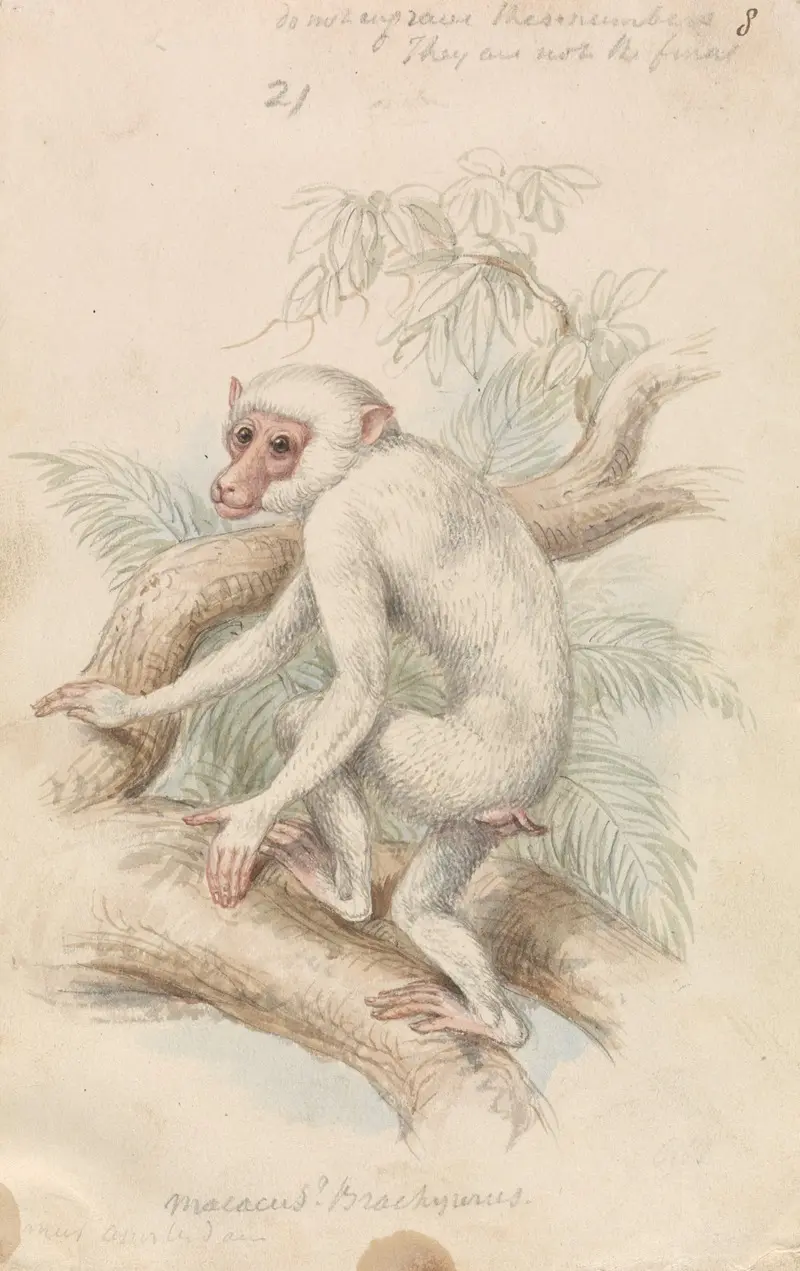
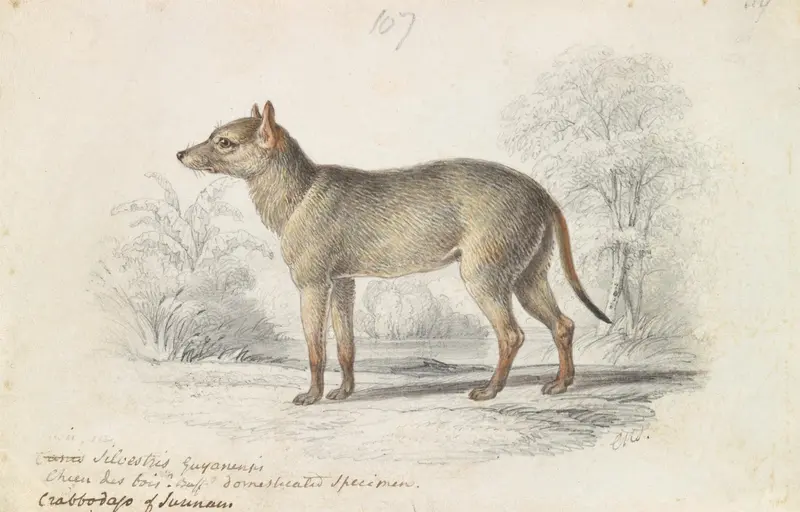
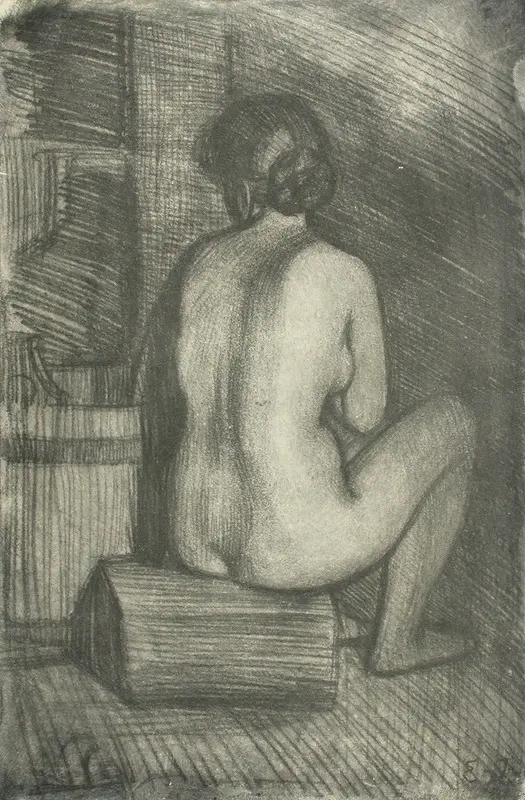
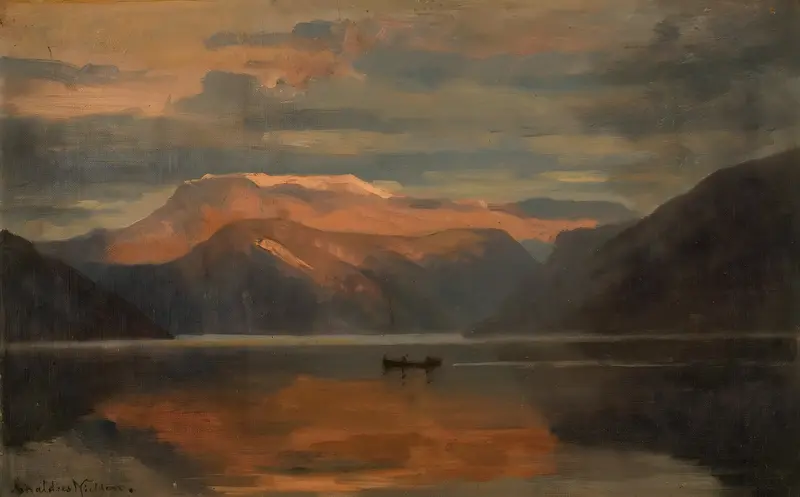
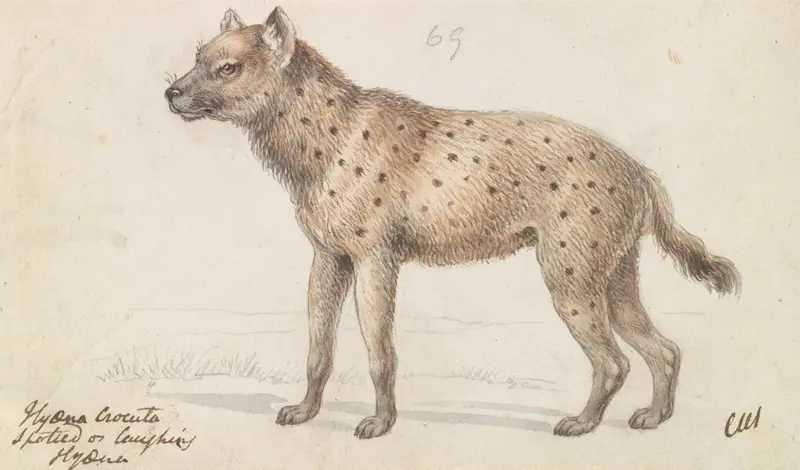
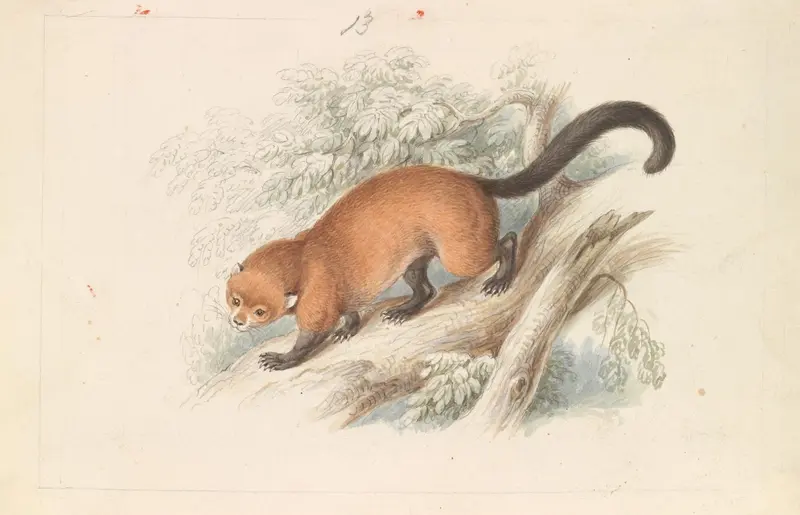
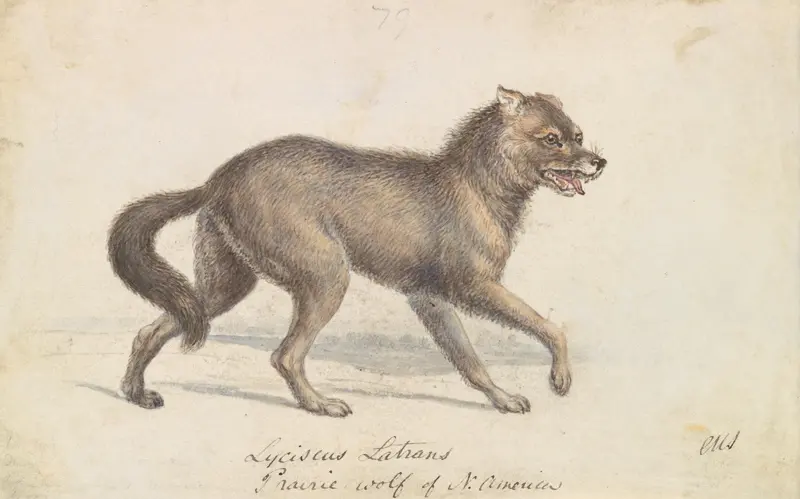
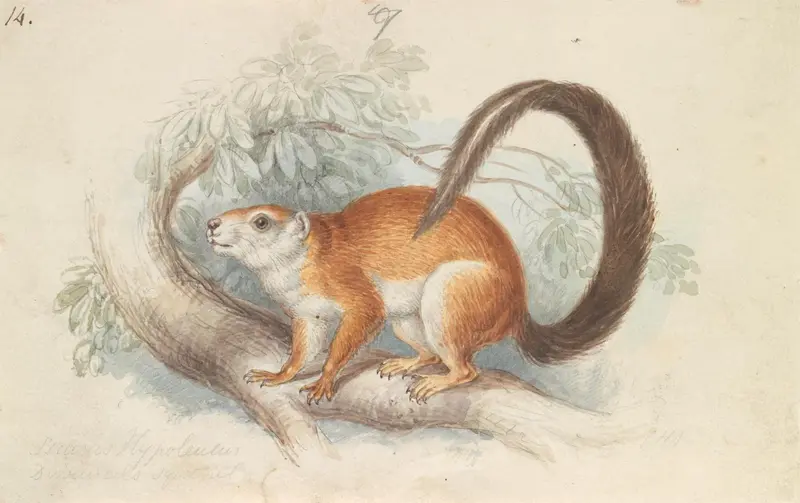
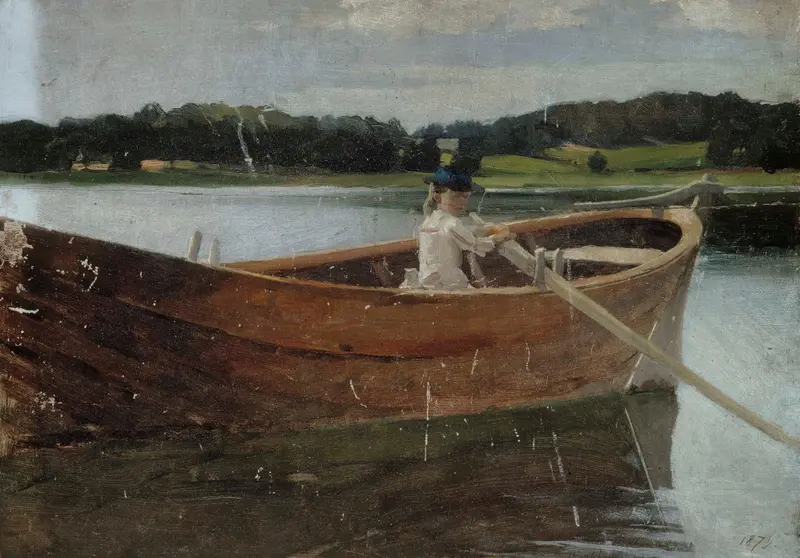
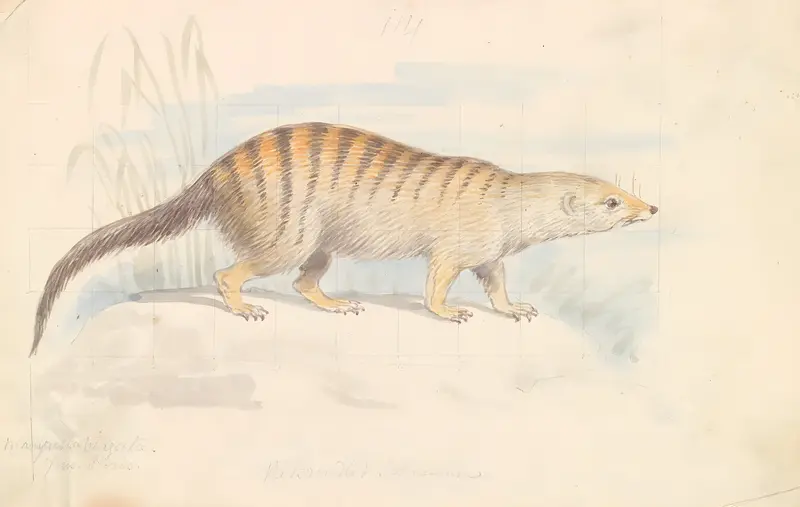
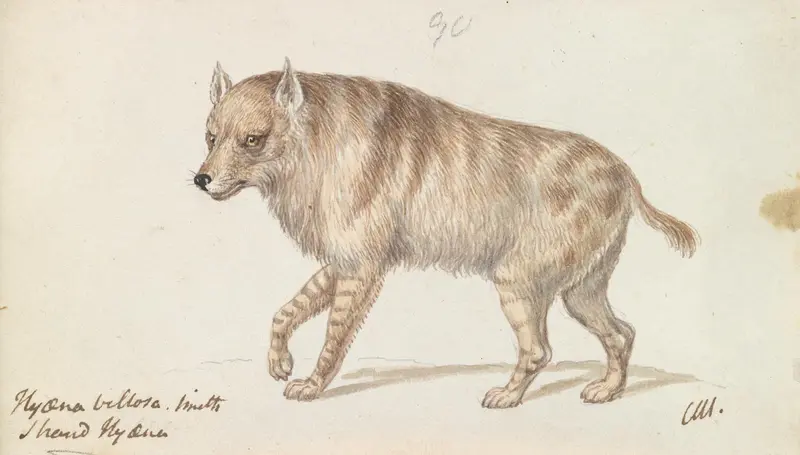
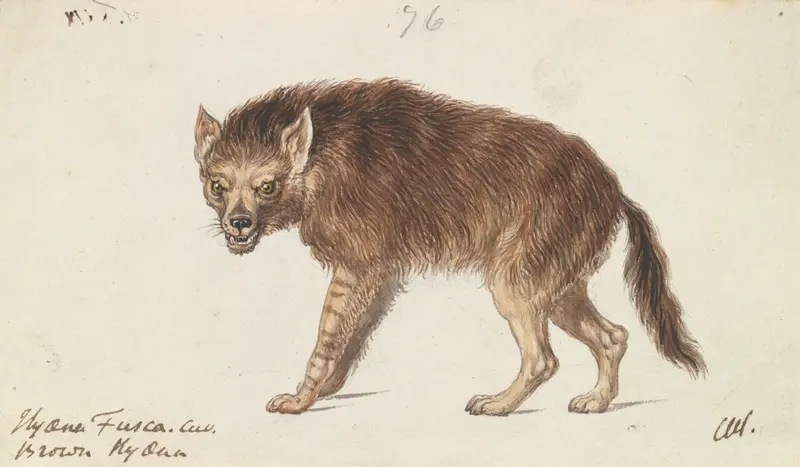
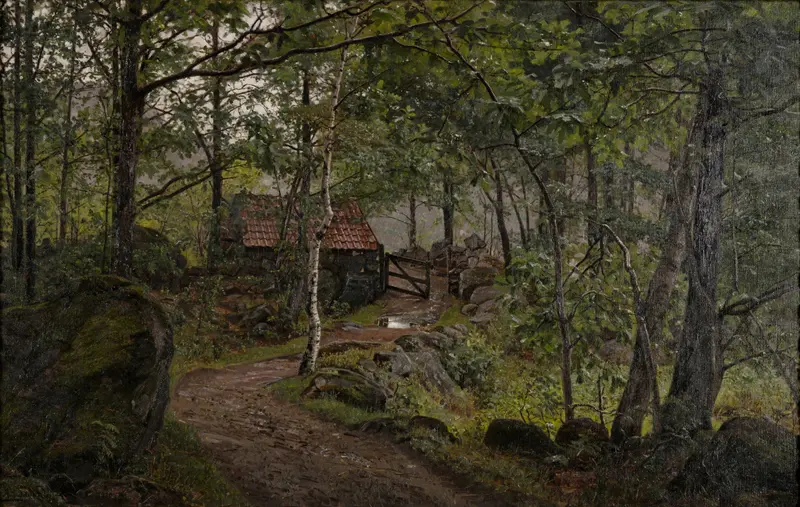
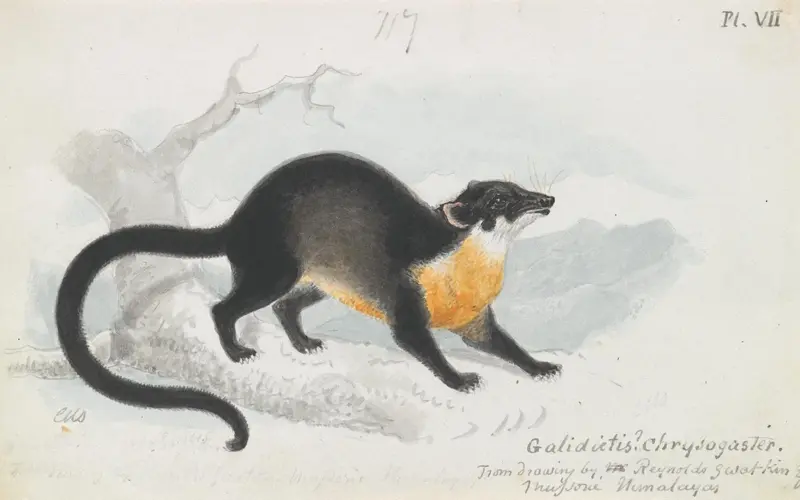
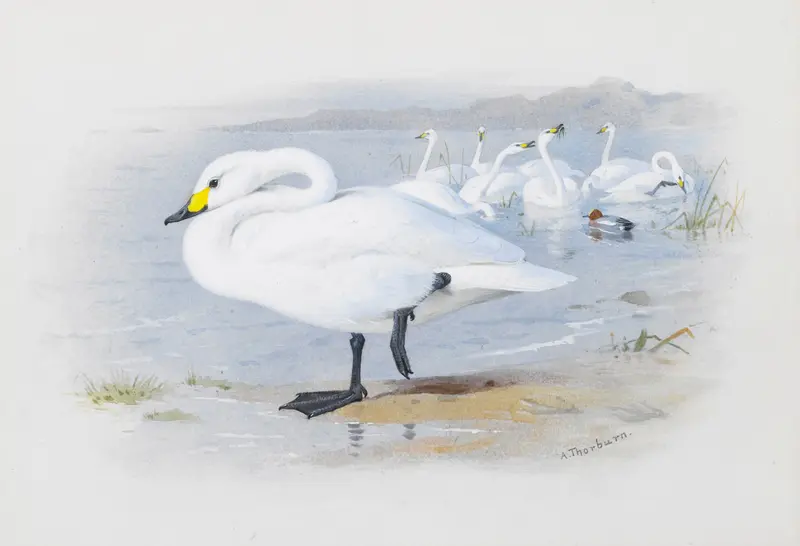
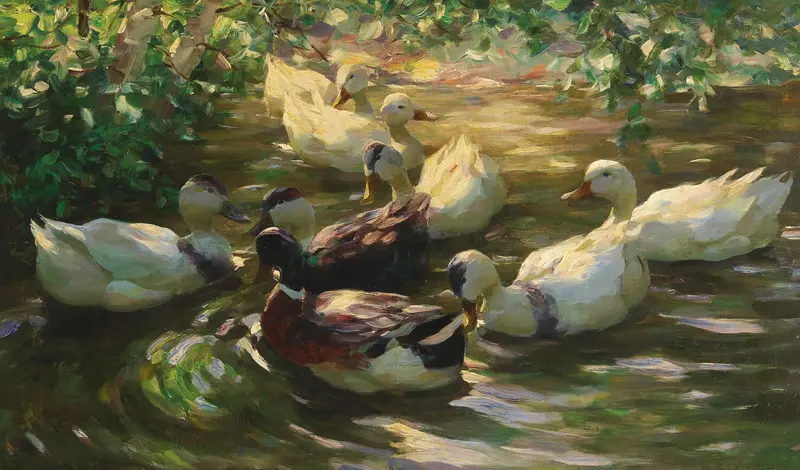
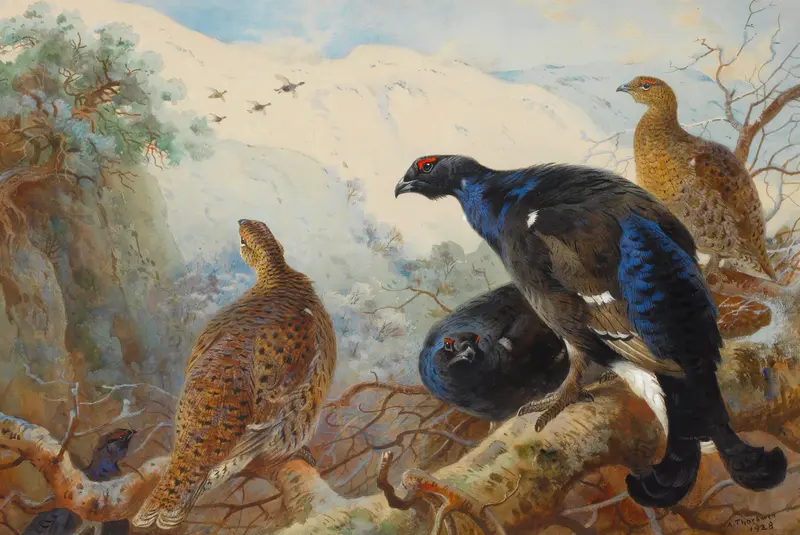
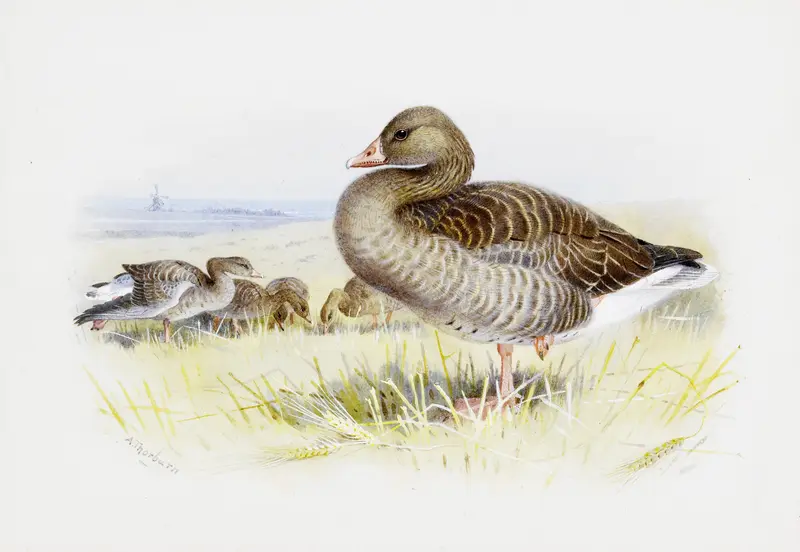
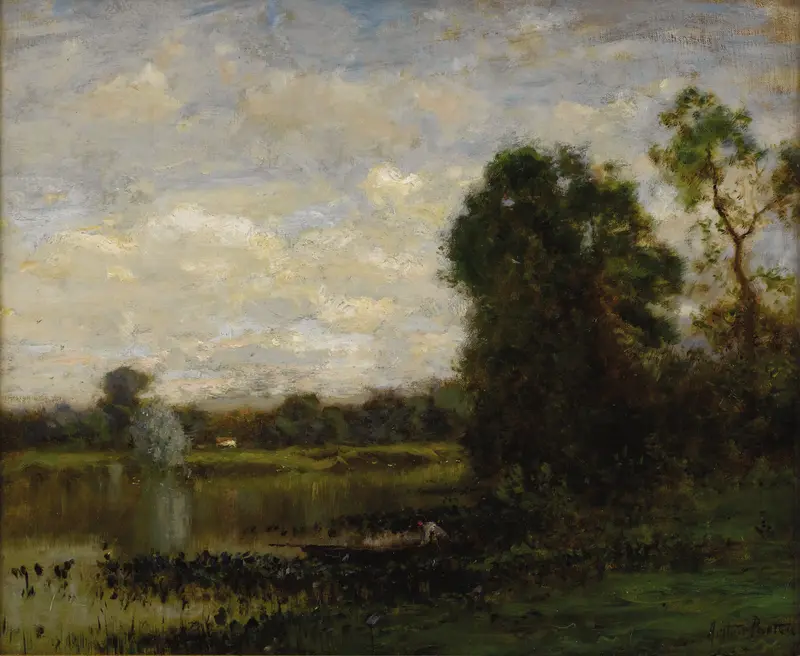
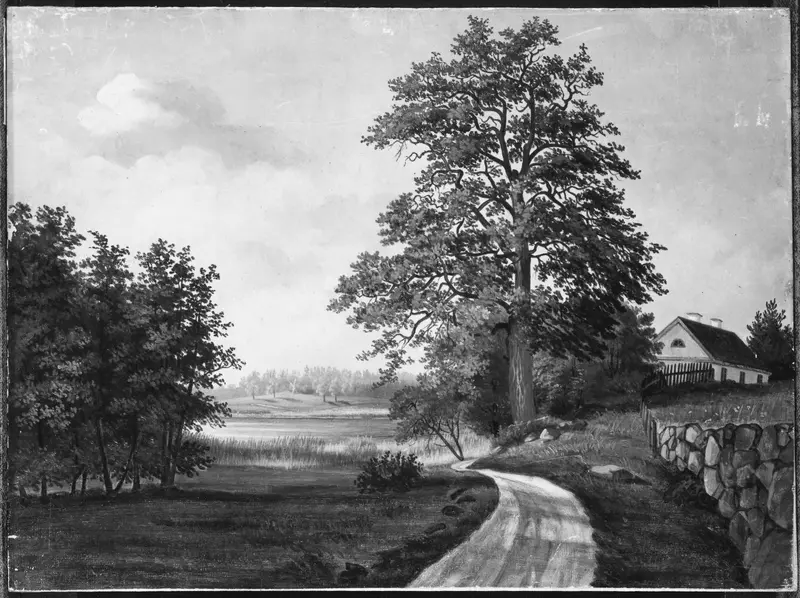
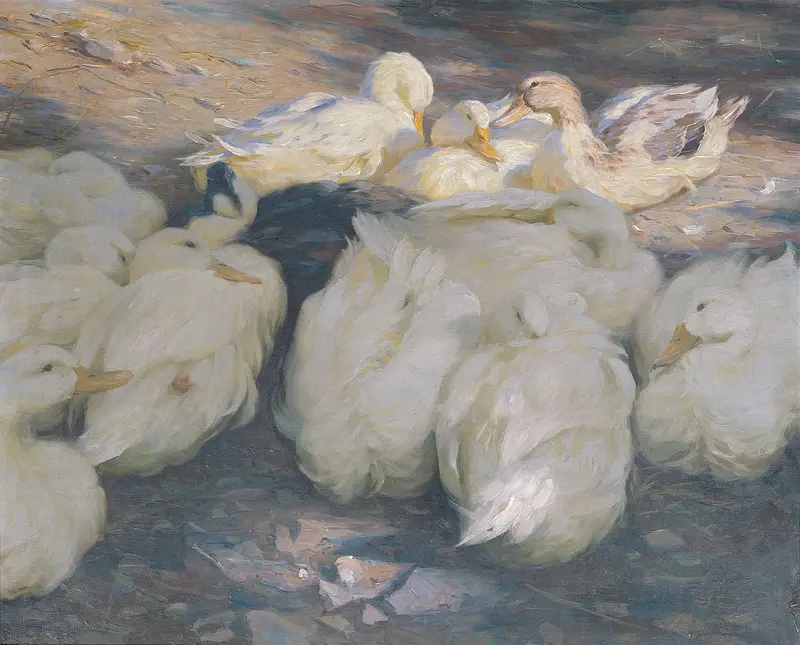
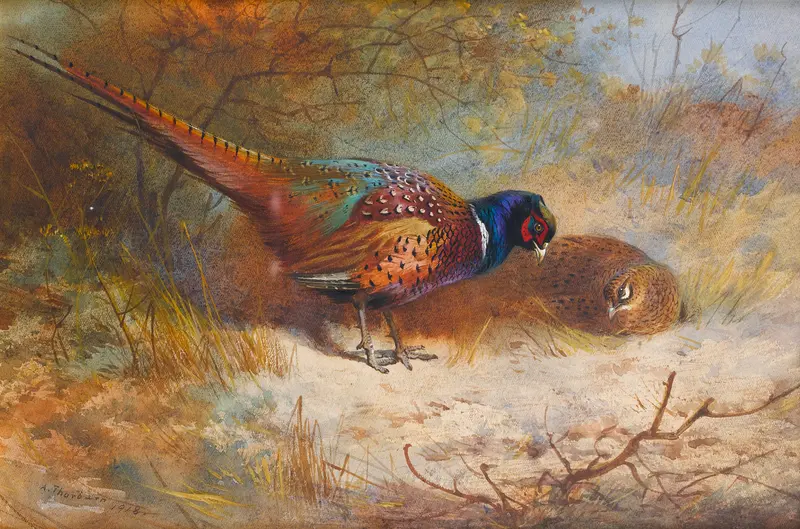
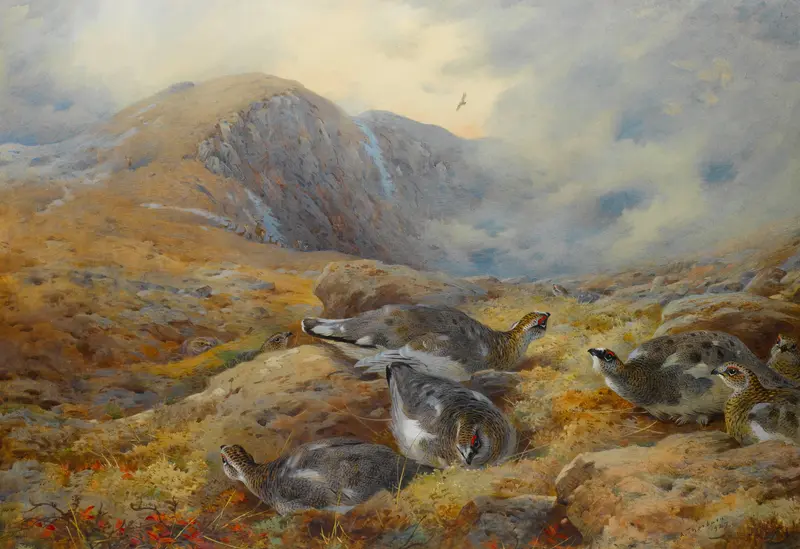
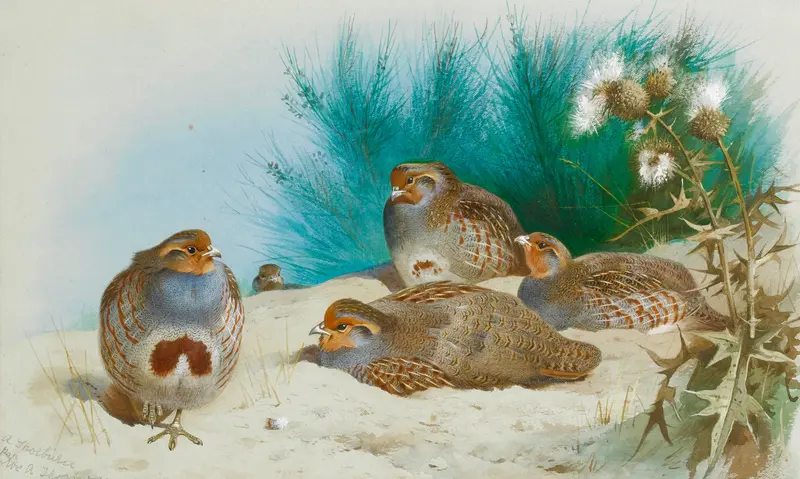
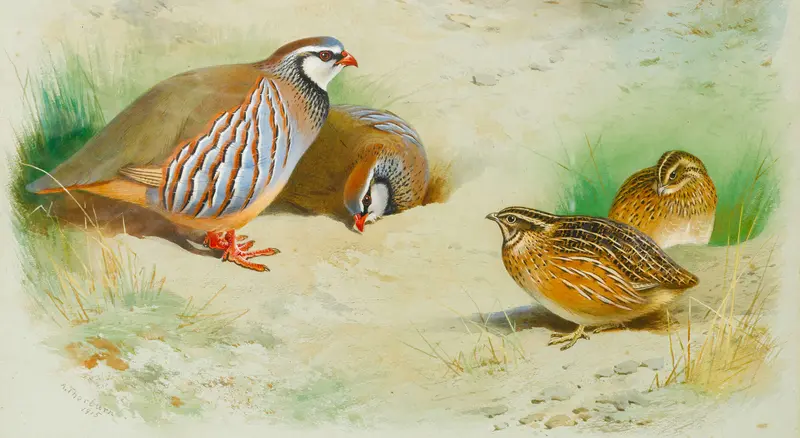
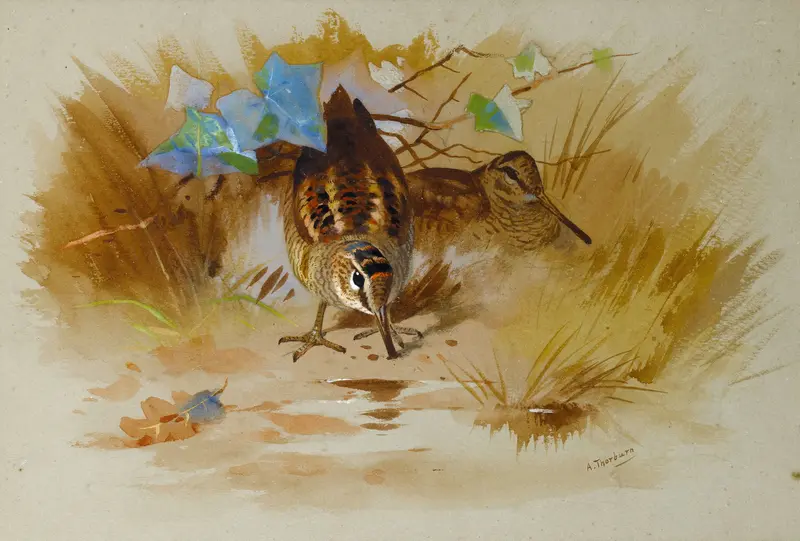
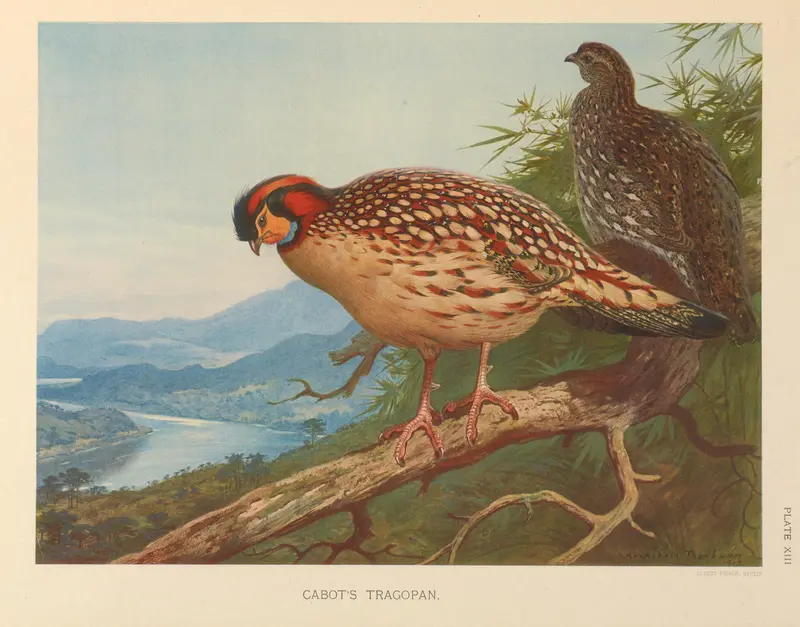
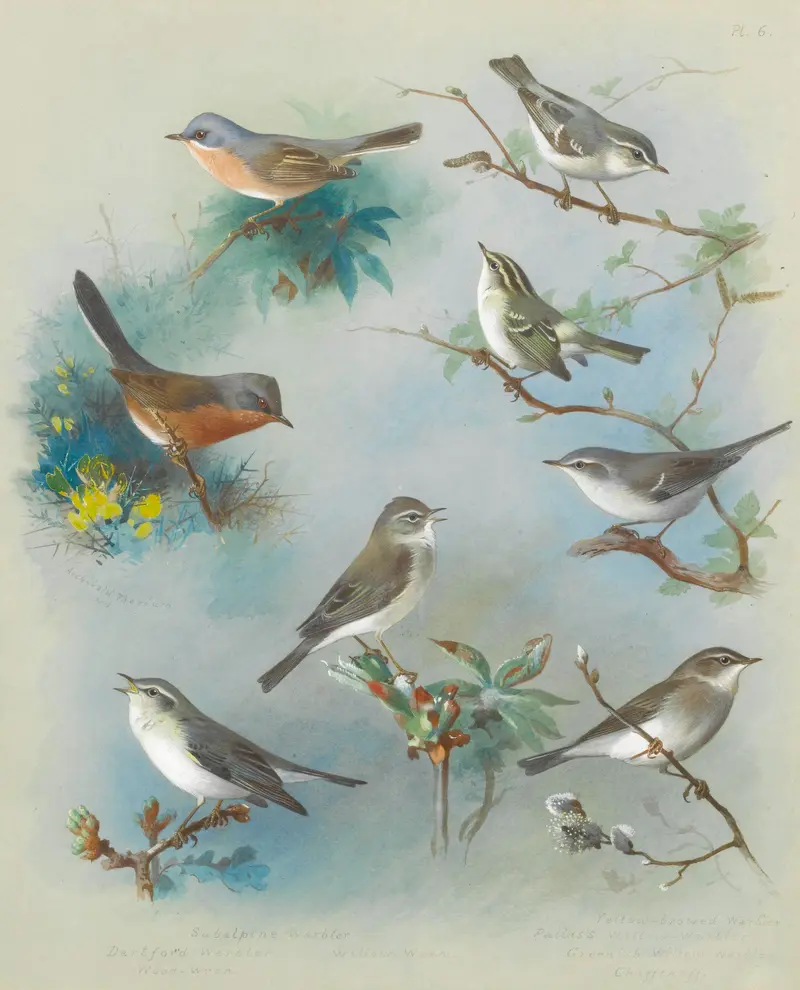
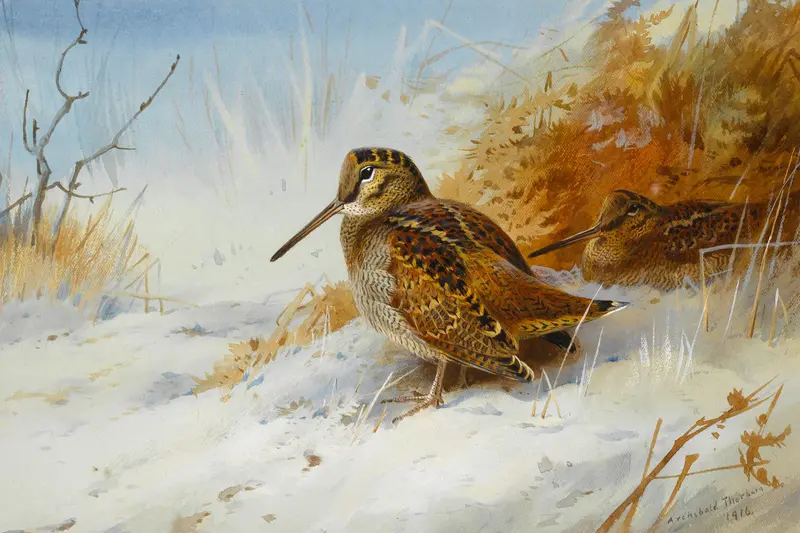
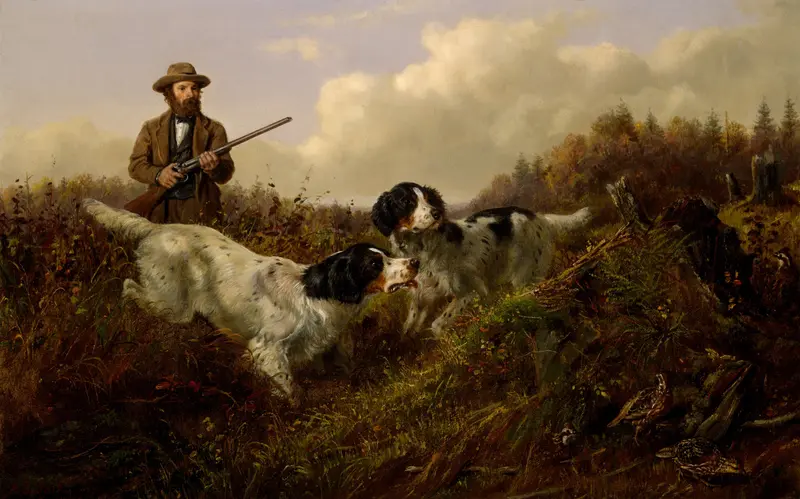
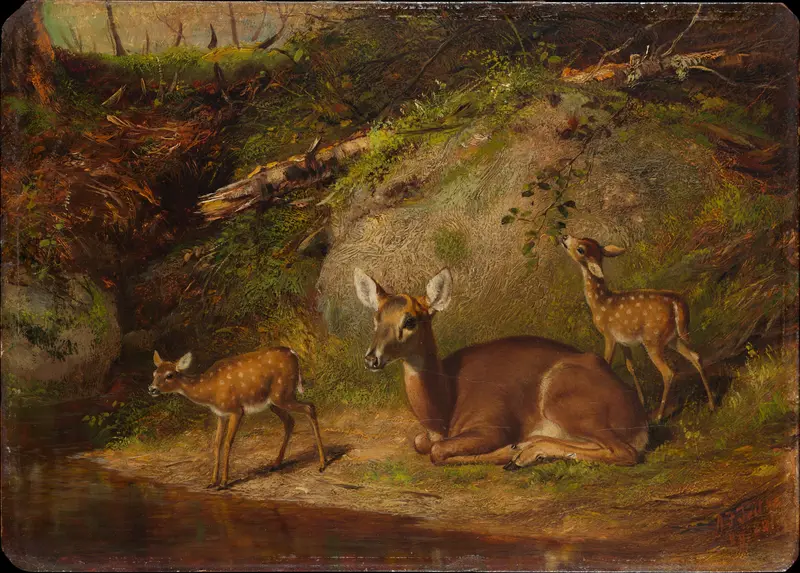
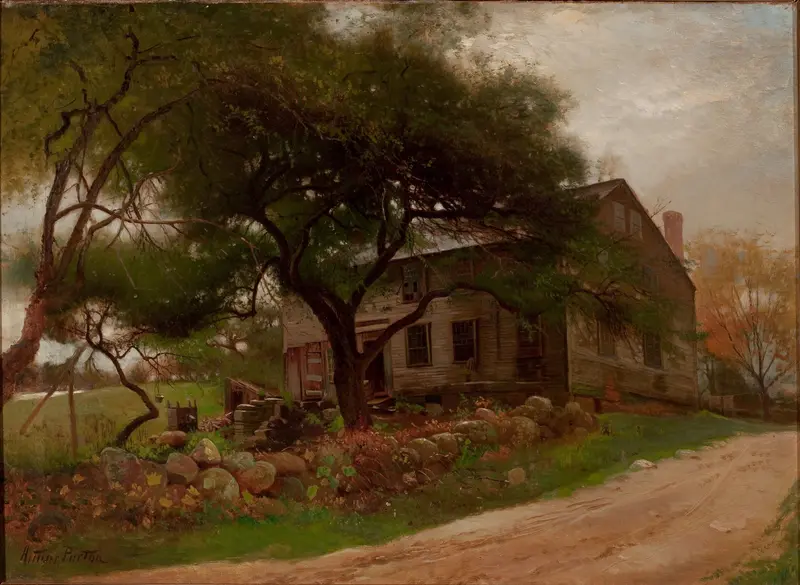
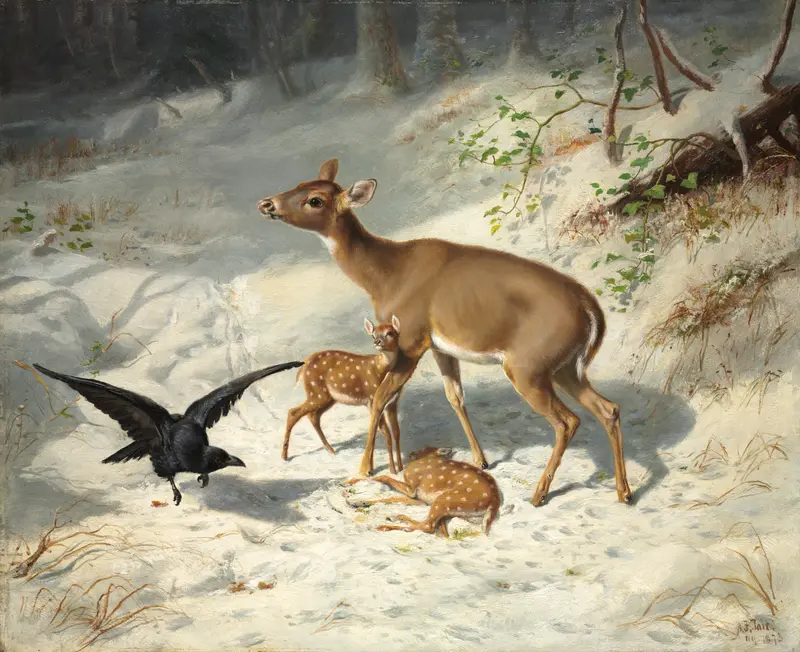
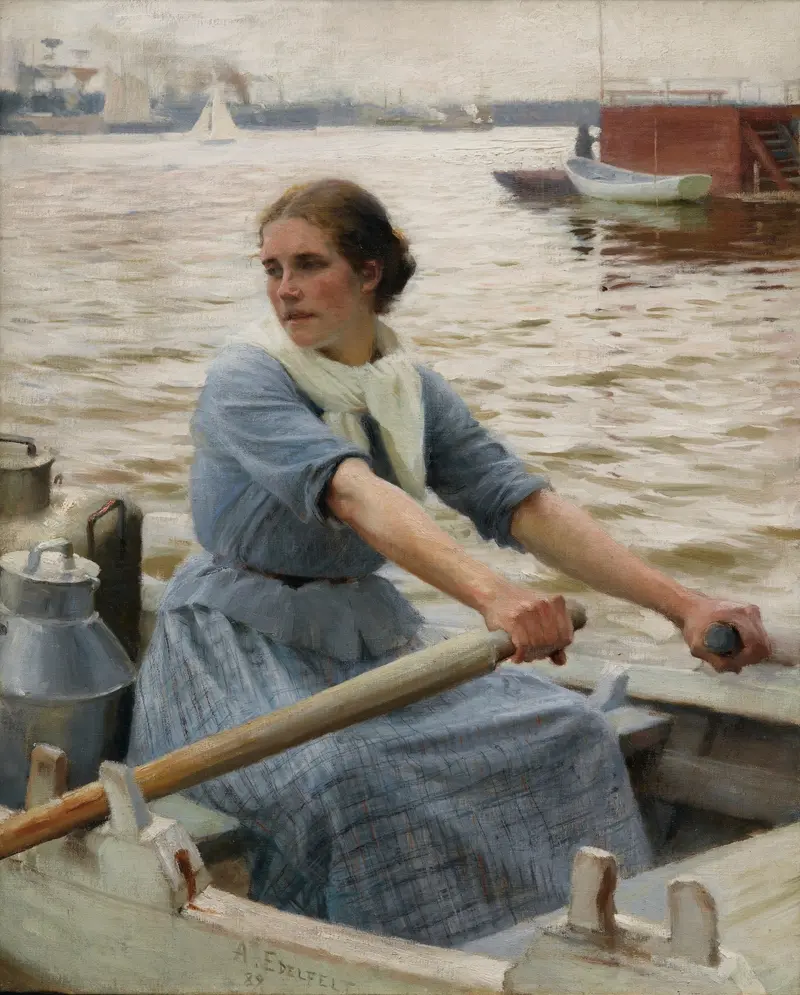
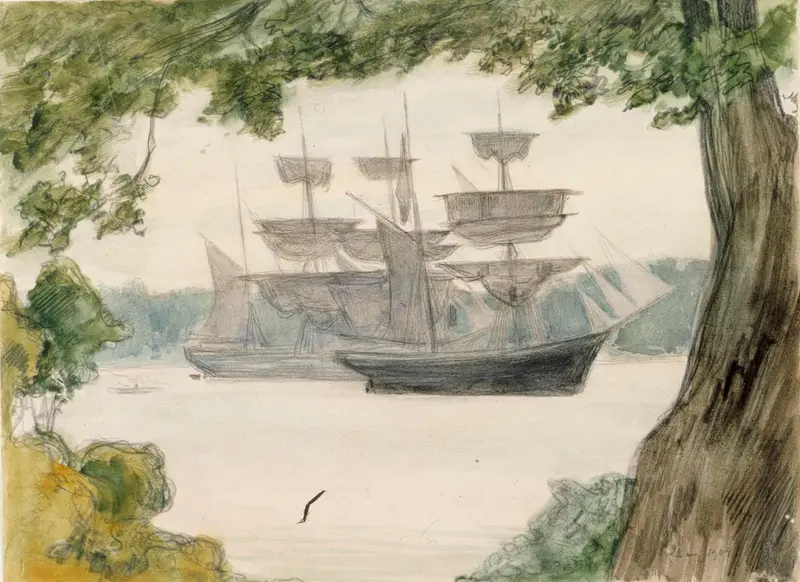
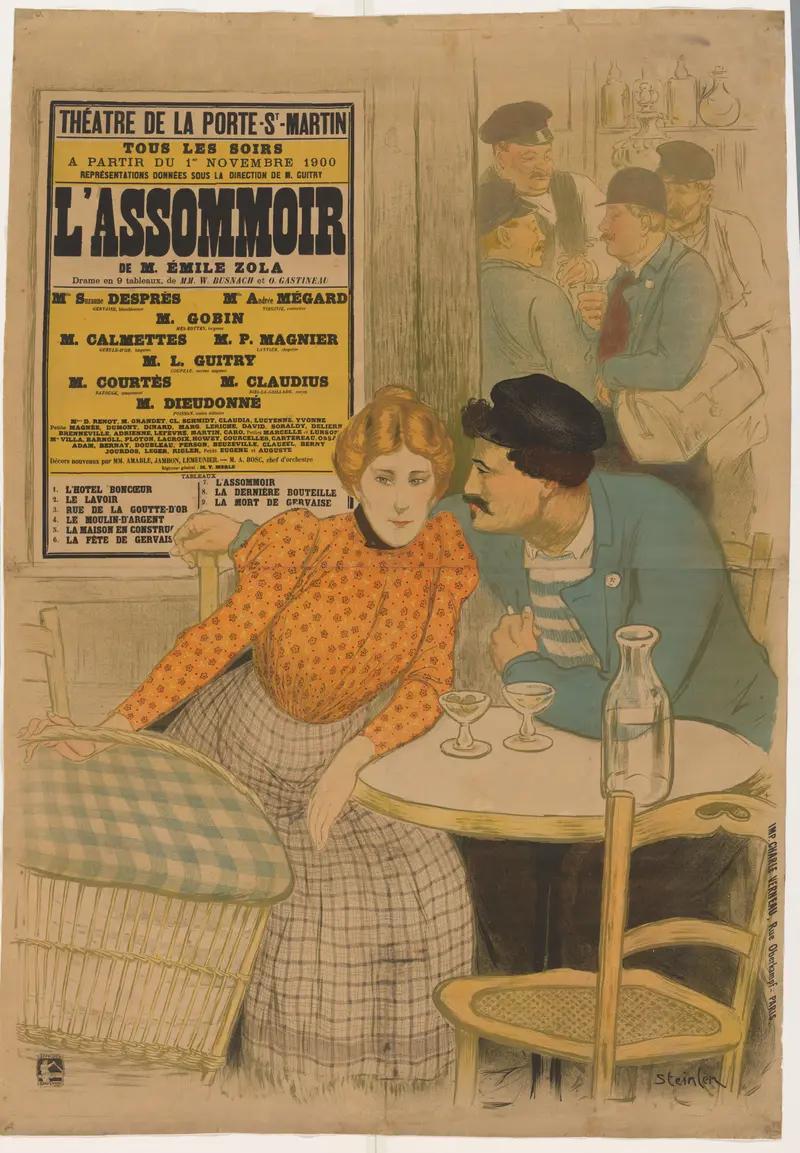
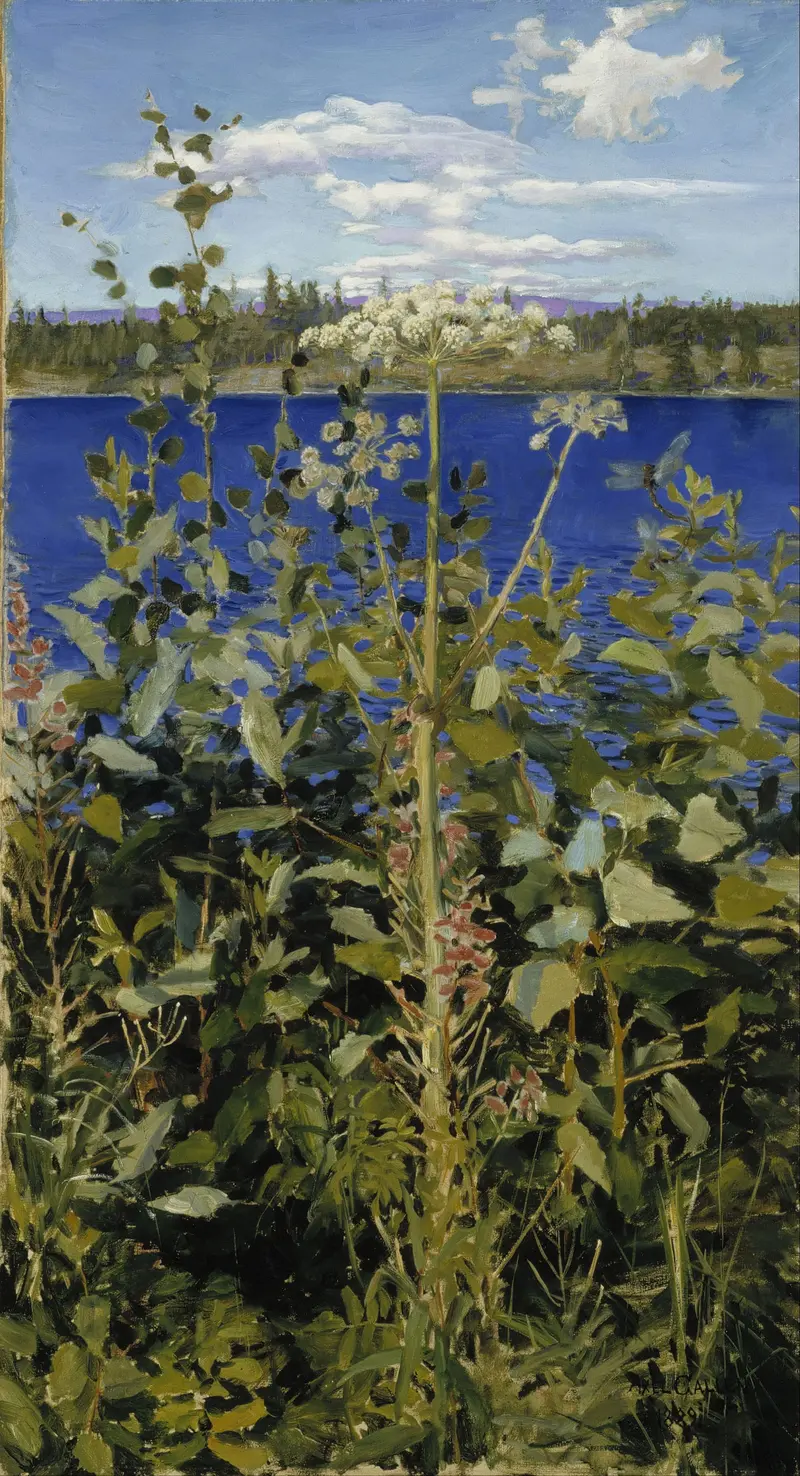
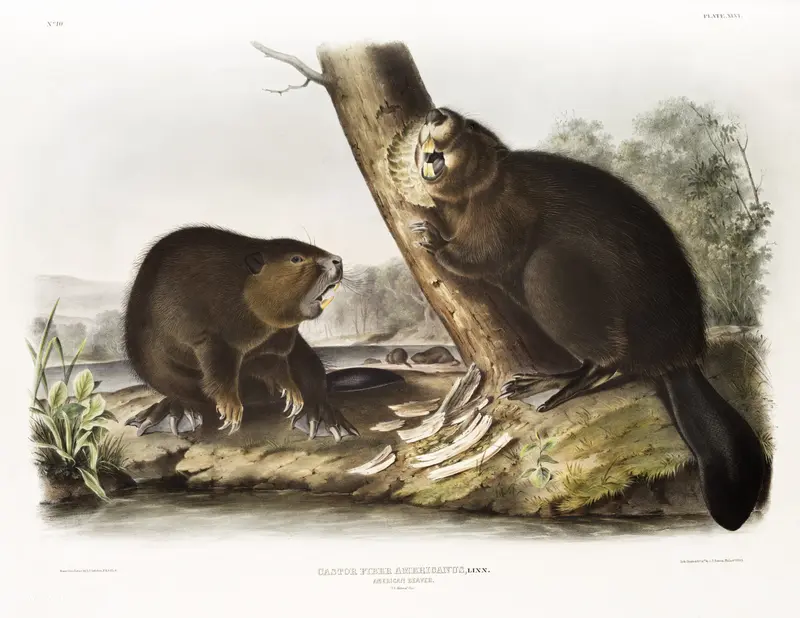
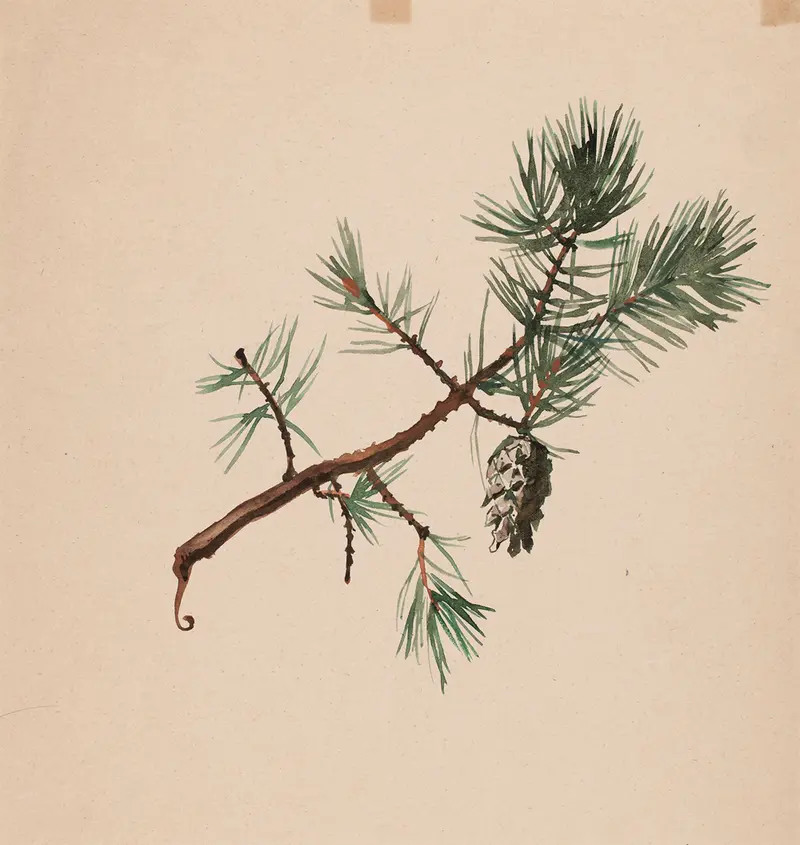
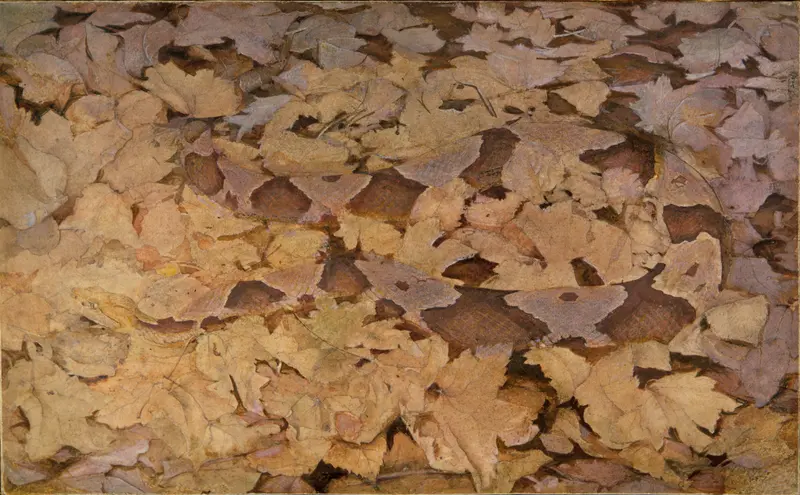
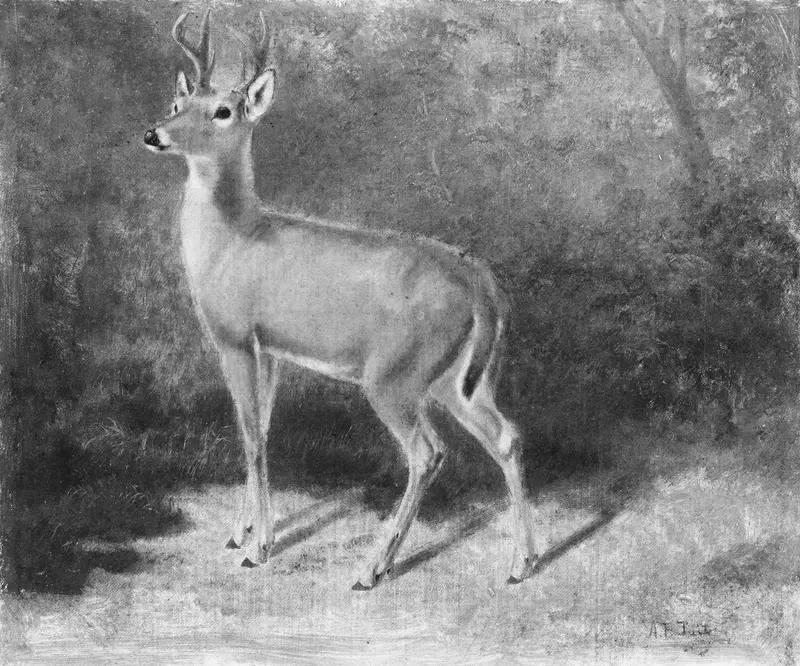
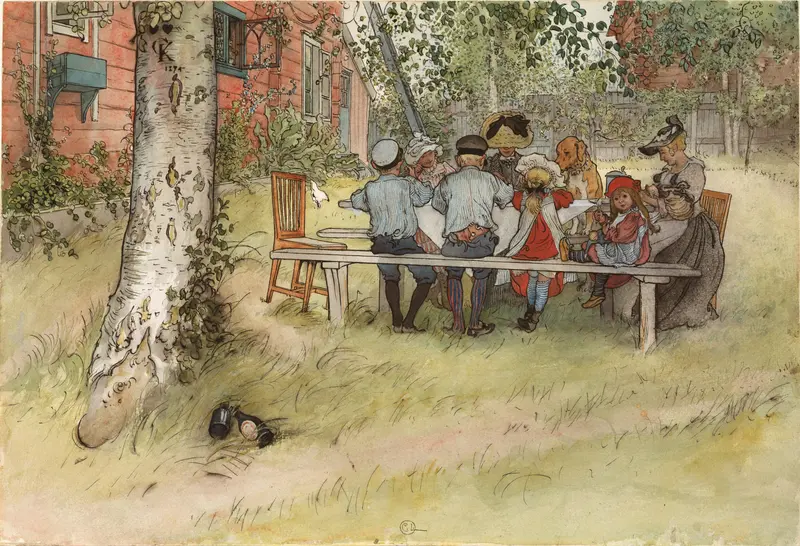
Bird and animal studies, botanical plates, landscapes, scenes of rural life and seascapes. All public domain, free to download.

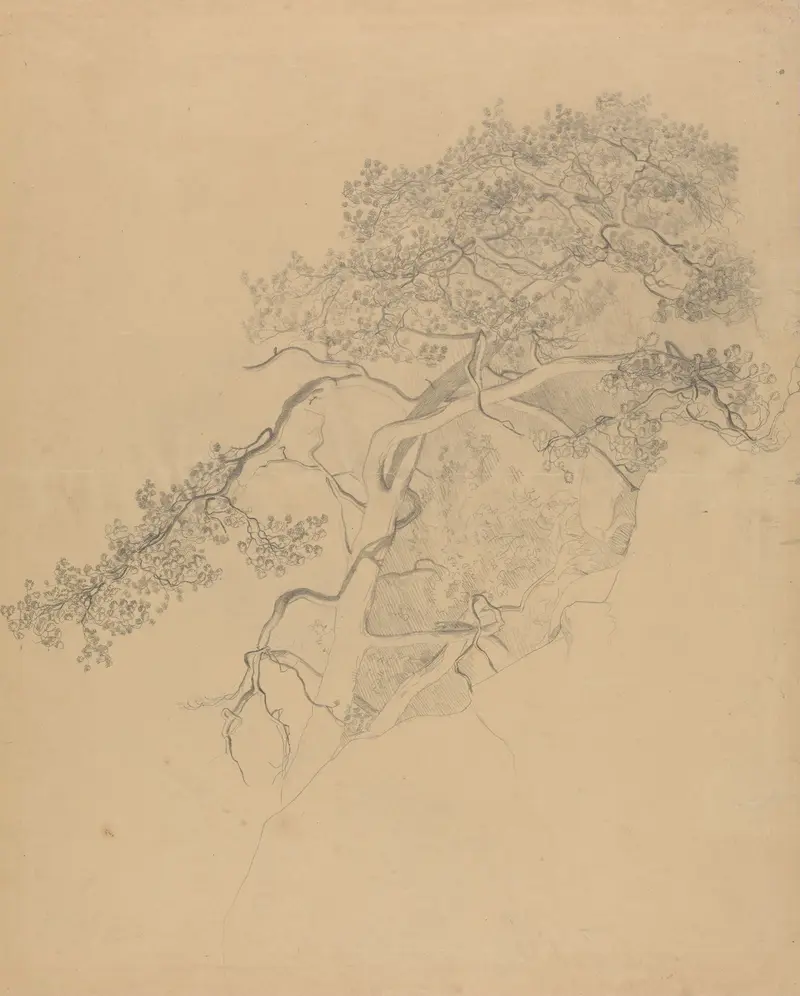

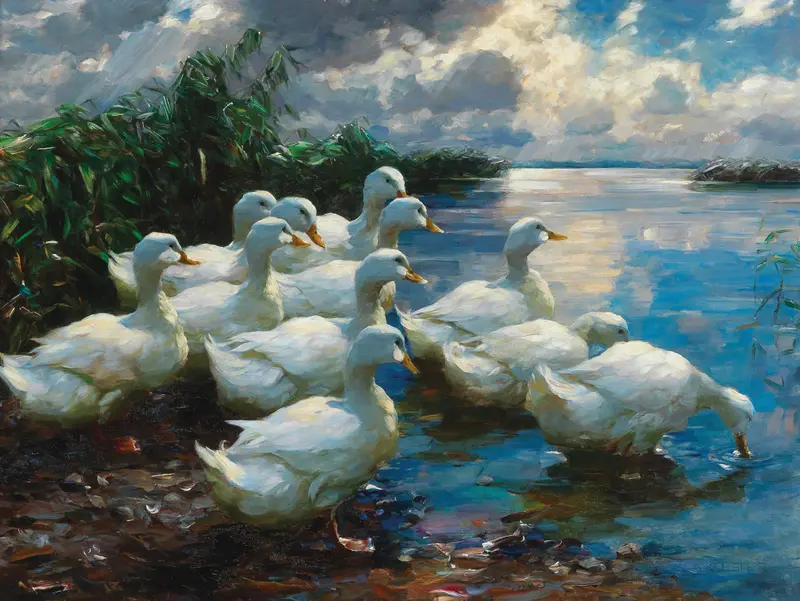
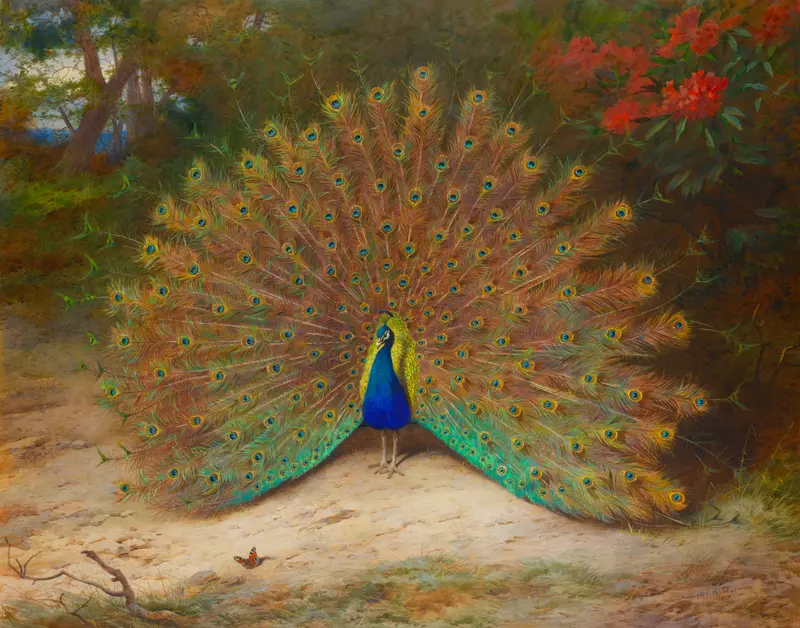
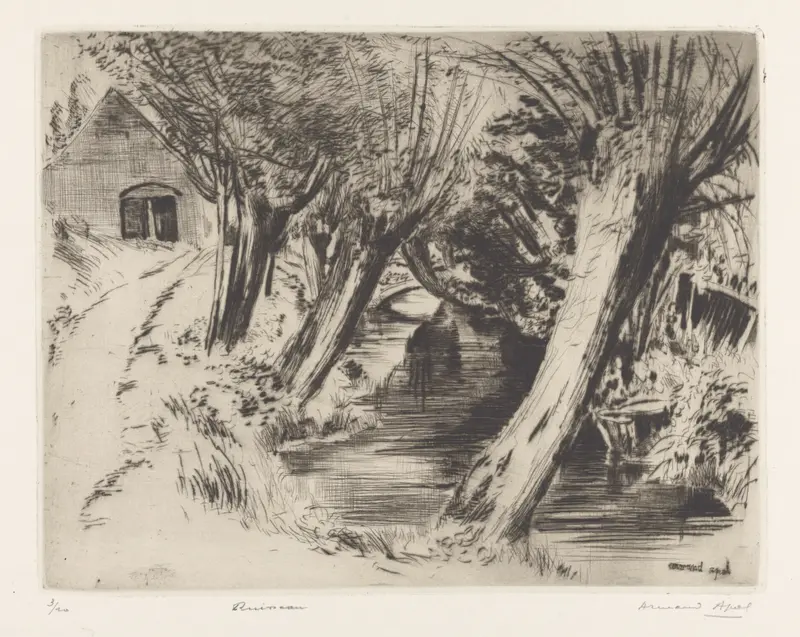
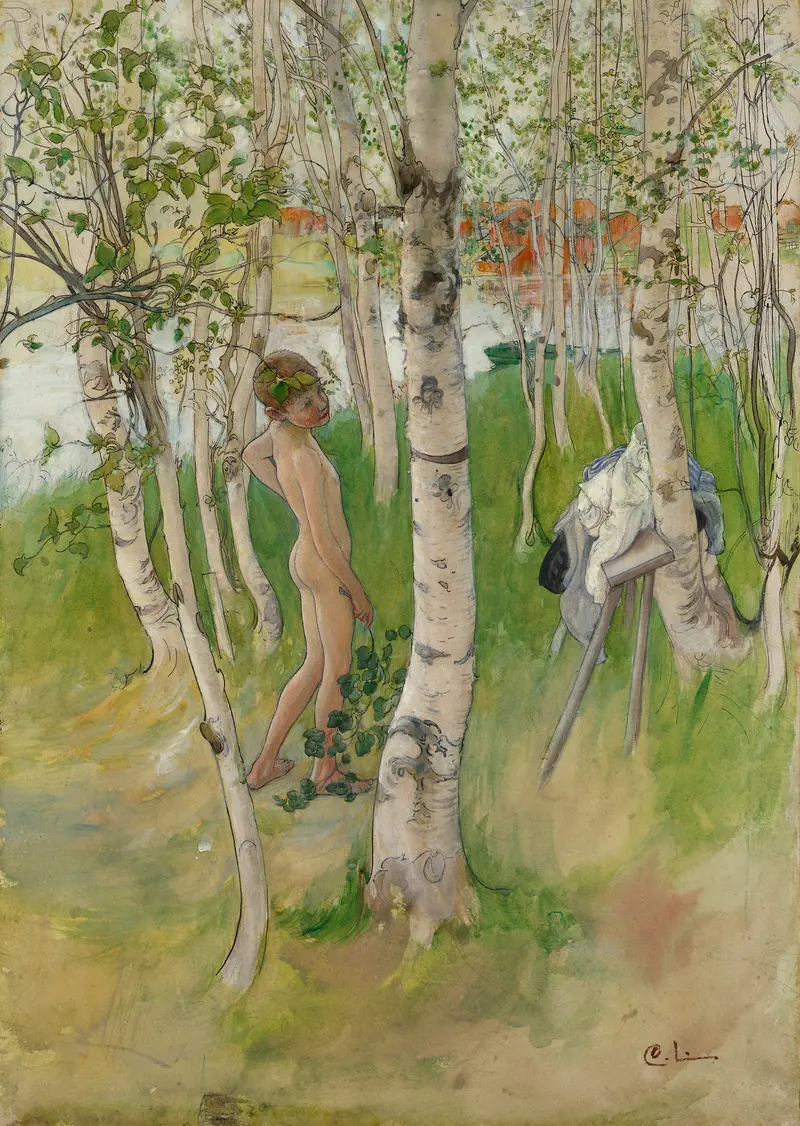
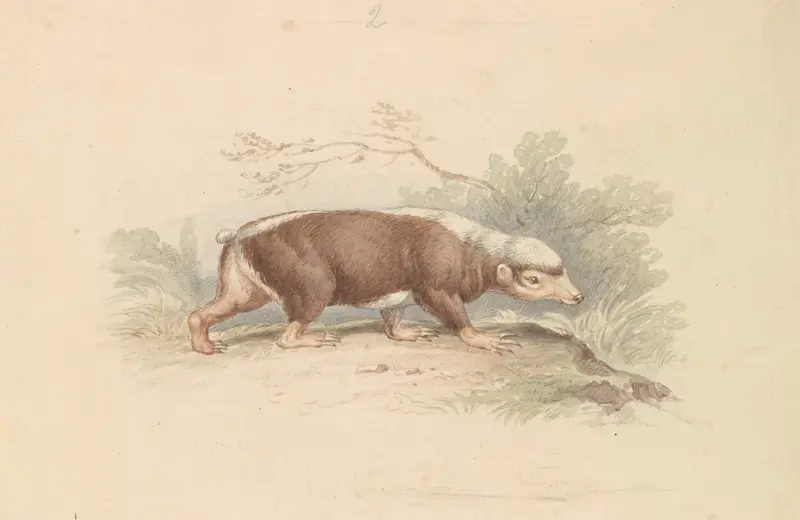
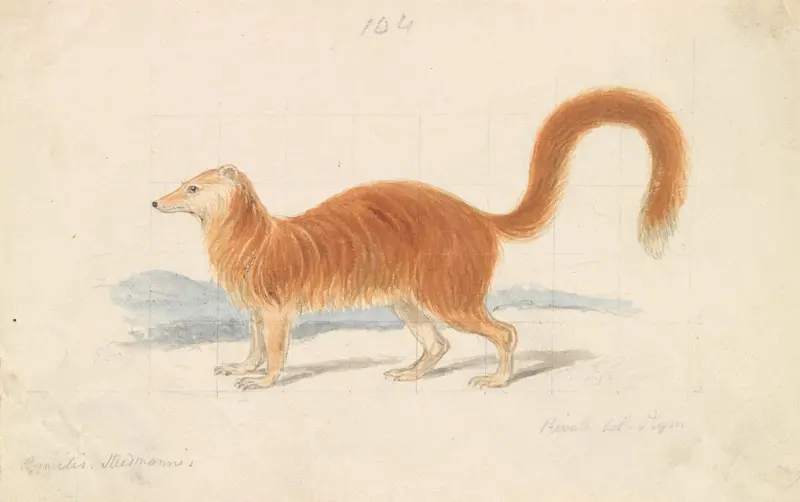
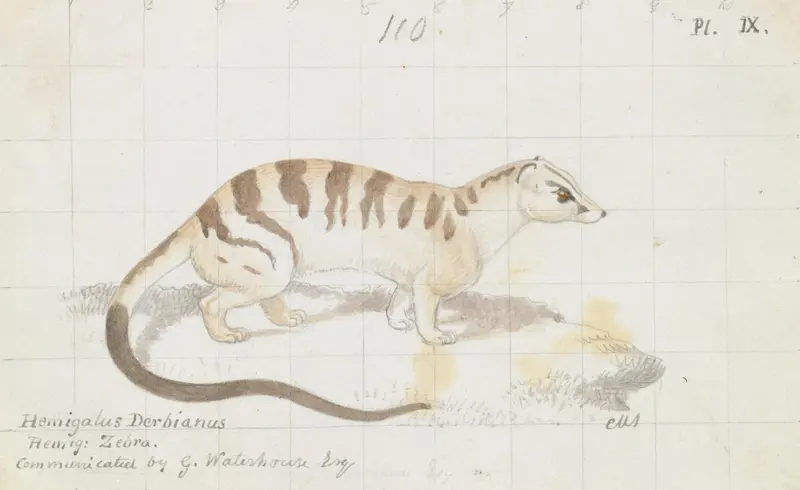




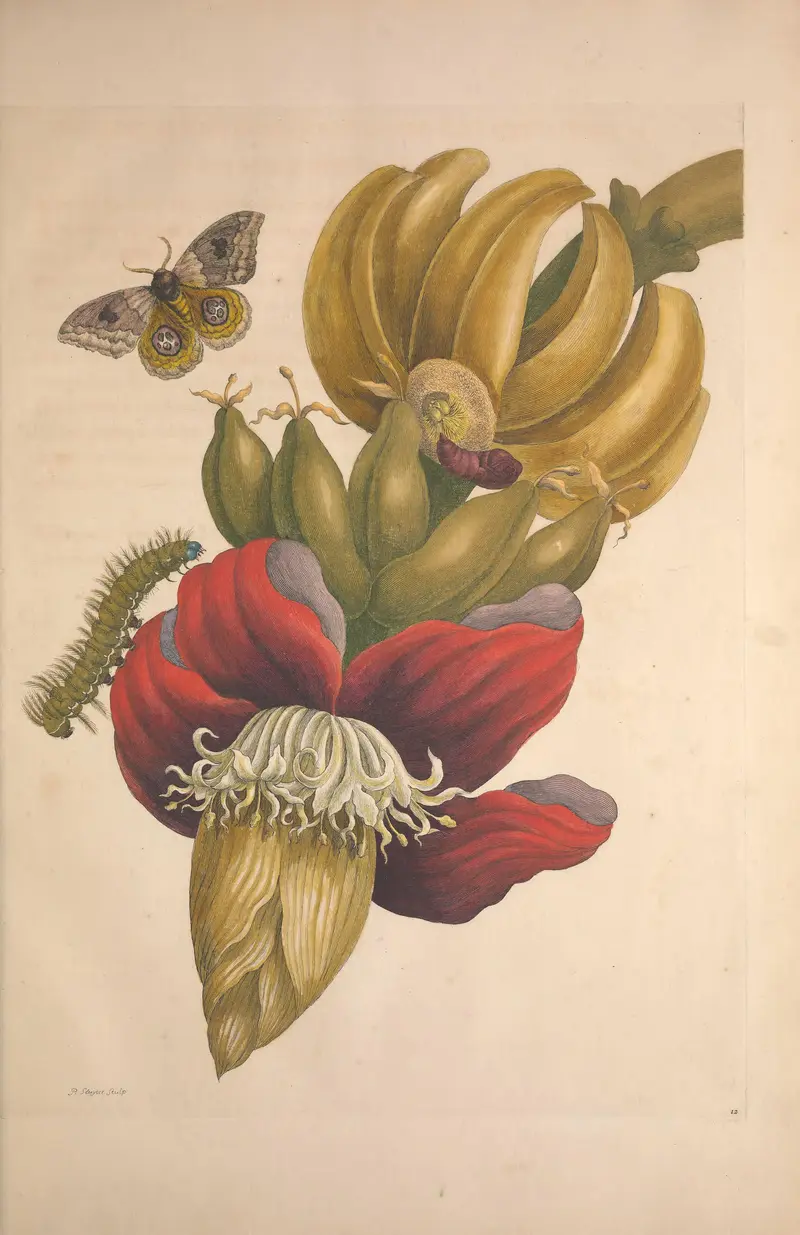
Famous Naturalism paintings
The best-known Naturalist paintings in our collection. Click any painting to see it up close and download it free.
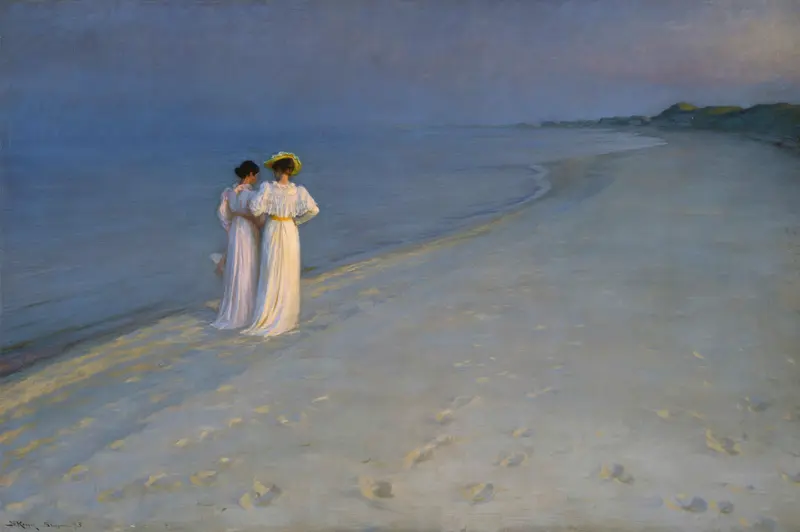 Summer Evening on Skagen's Southern BeachP. S. Krøyer
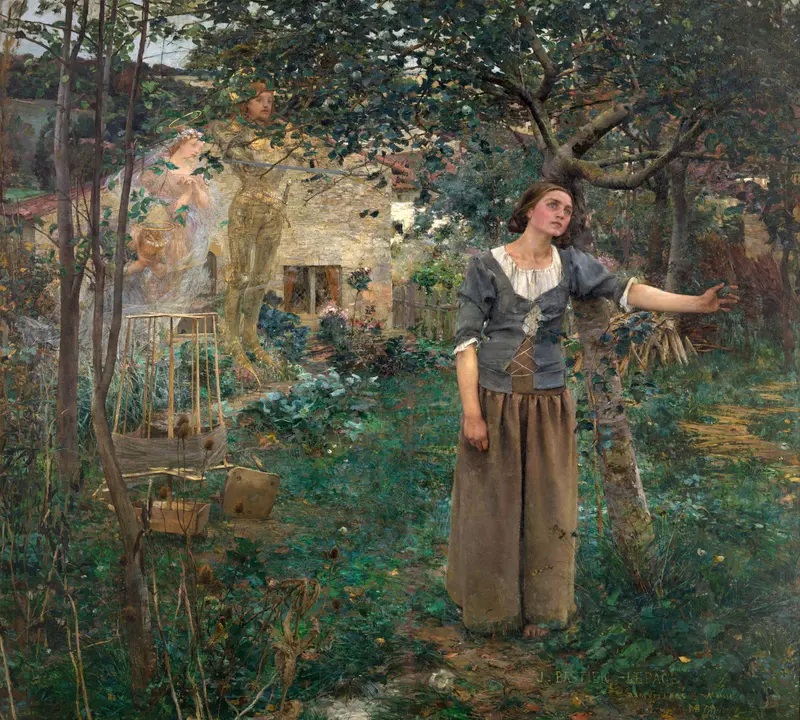 Joan of ArcJules Bastien-Lepage
 The Luxembourg Gardens, ParisAlbert Edelfelt
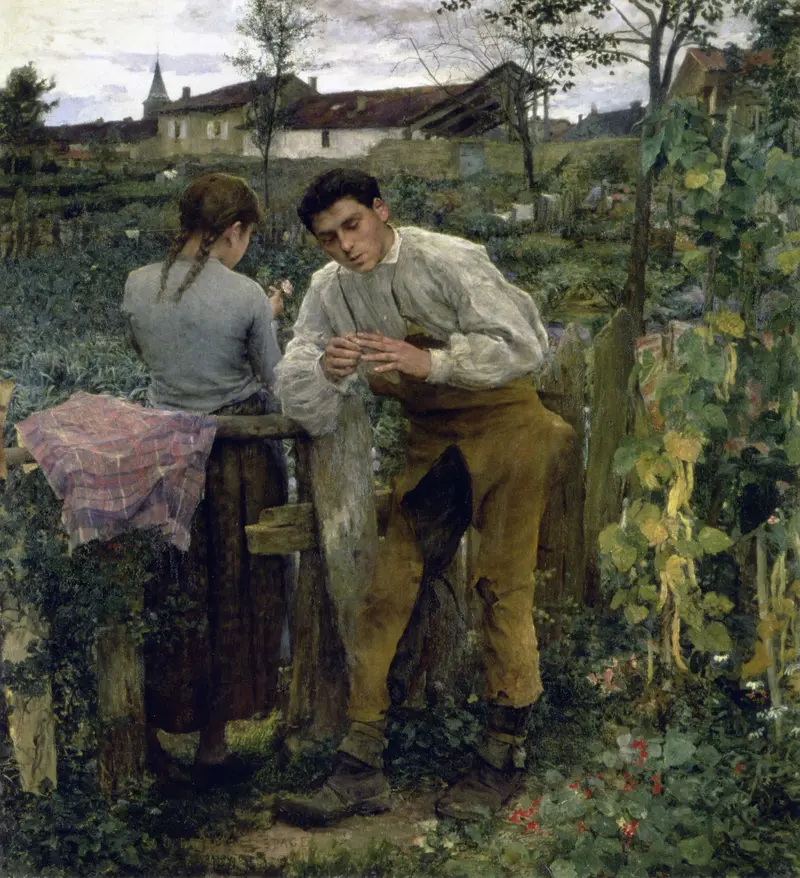 Village LoveJules Bastien-Lepage
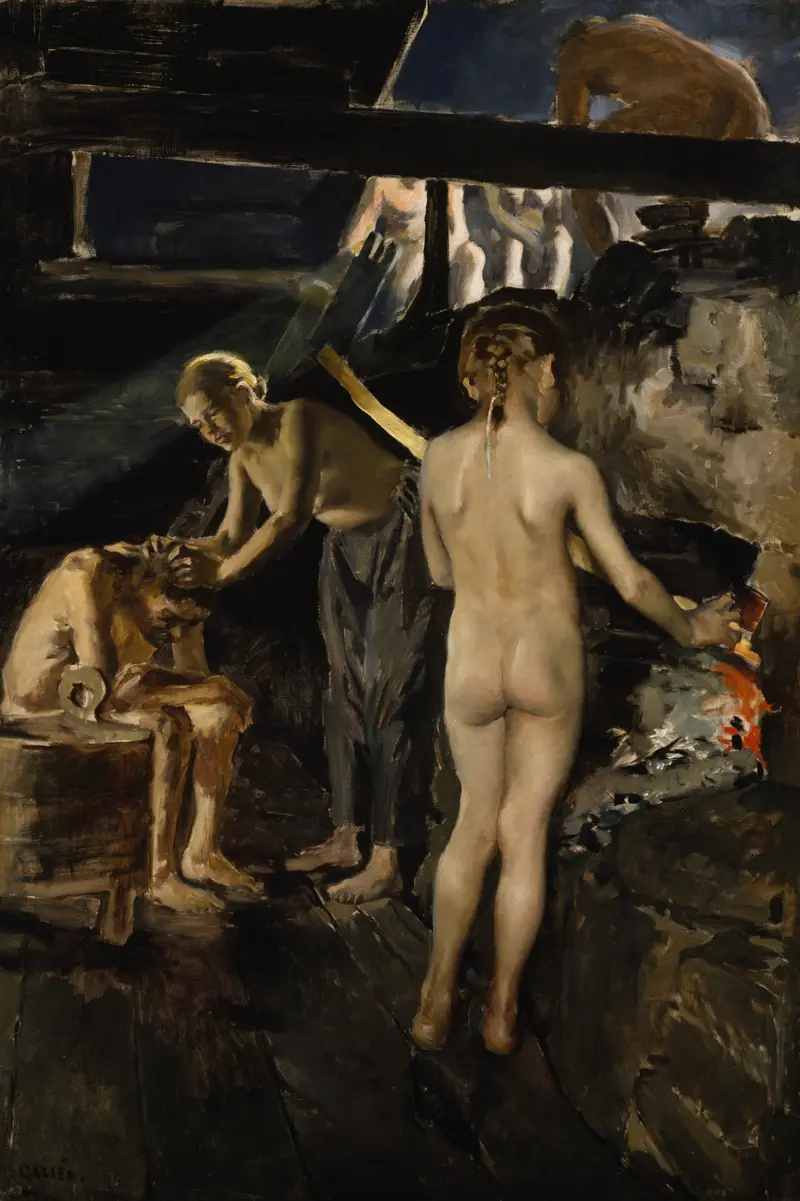 In the SaunaAkseli Gallen-Kallela
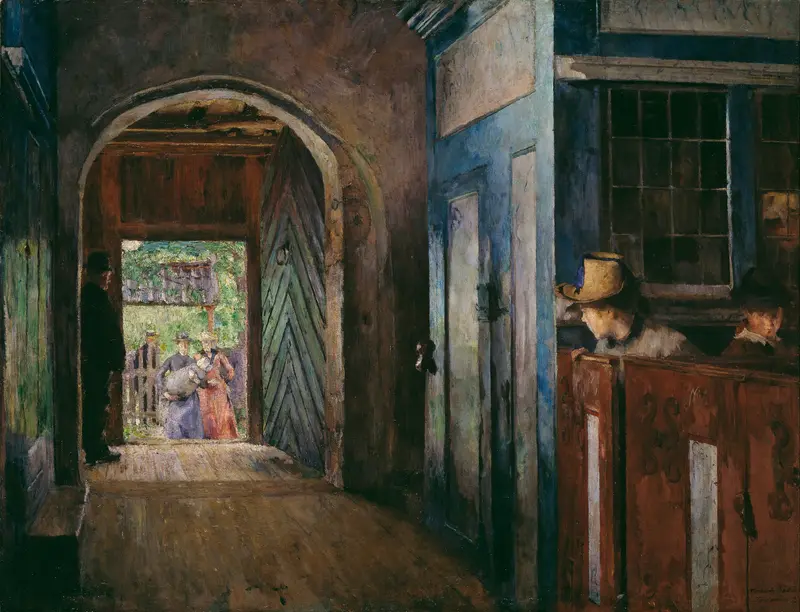 Christening in Tanum ChurchHarriet Backer
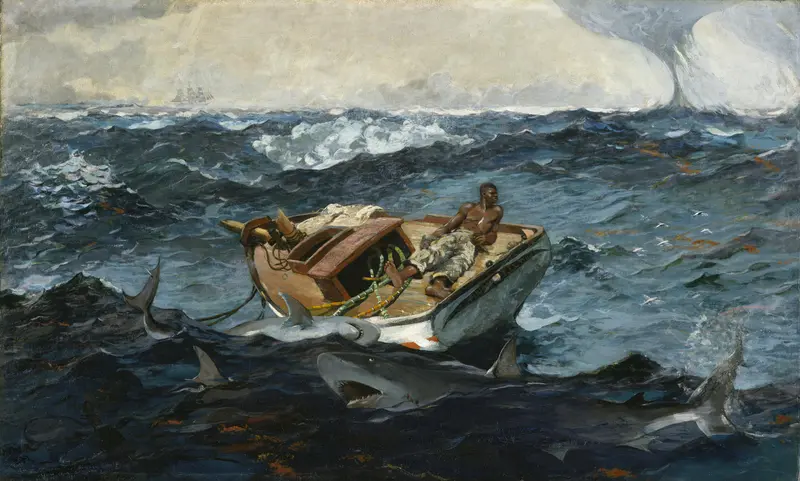 The Gulf StreamWinslow Homer
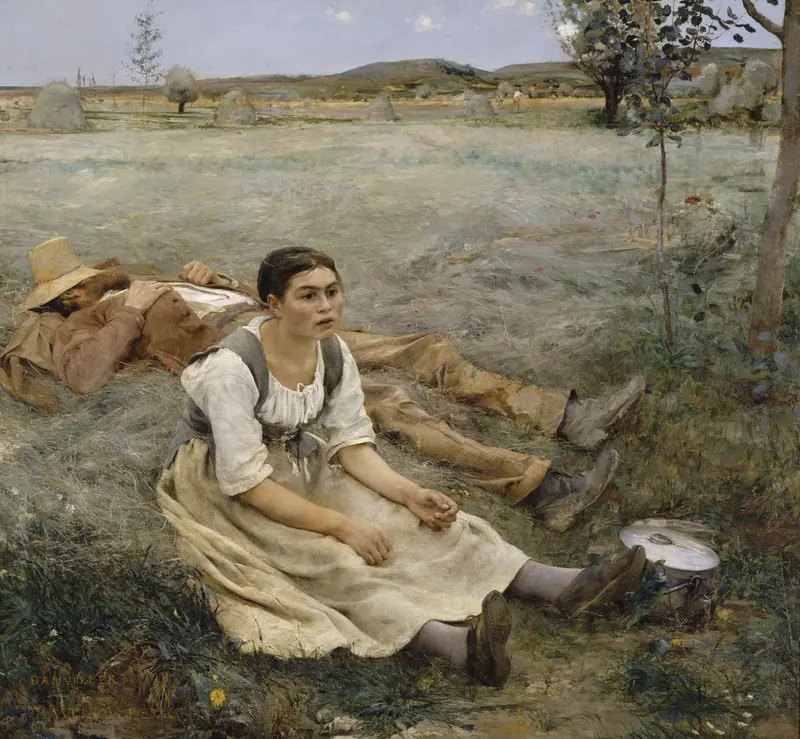 Hay MakingJules Bastien-Lepage
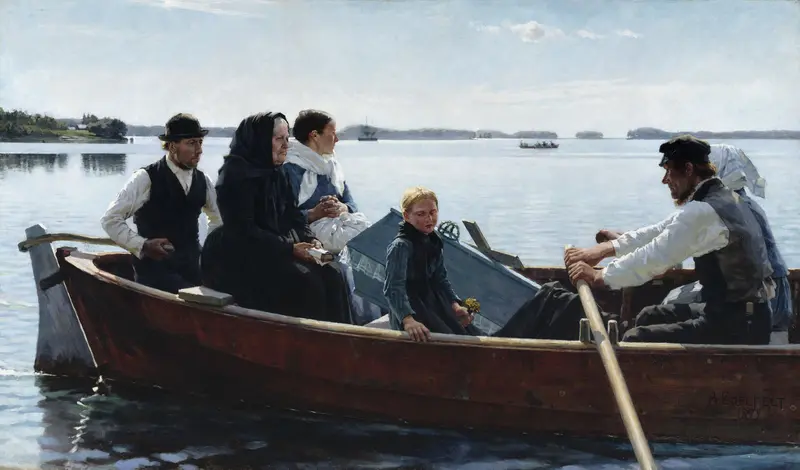 Conveying the Child's CoffinAlbert Edelfelt
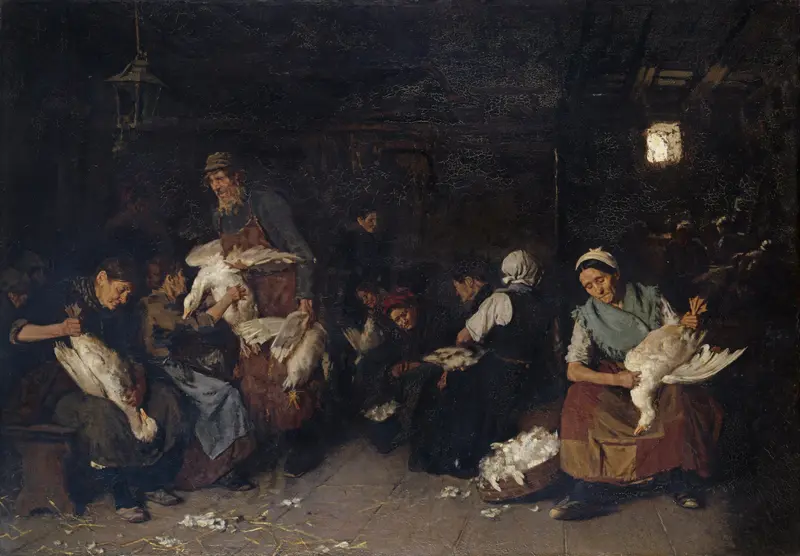 Women Plucking GeeseMax Liebermann
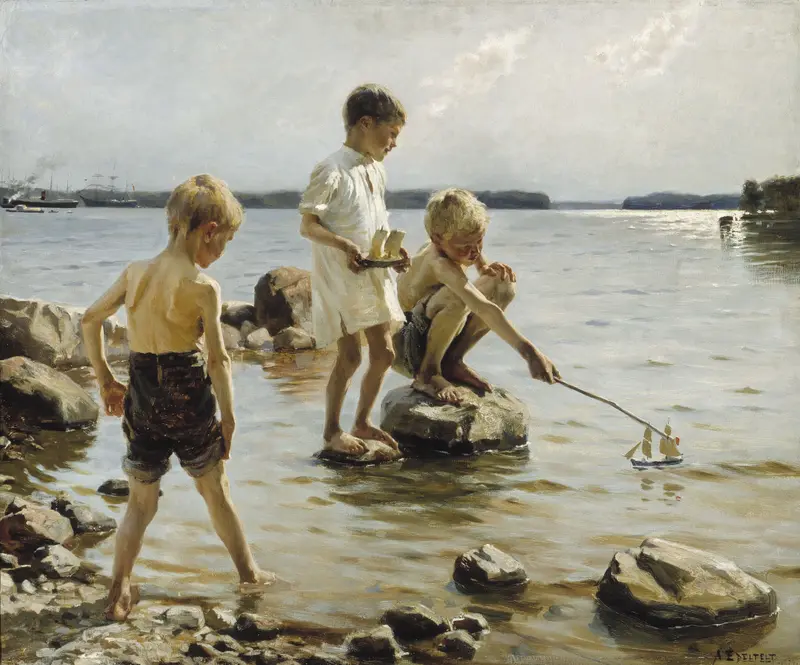 Boys Playing on the ShoreAlbert Edelfelt
 The Song of the LarkJules Breton
Famous Naturalism artists
Ten Naturalist painters, from Bastien-Lepage and Lhermitte in France to the Newlyn School in Cornwall and the painters of Finland, Denmark and Norway. Each link opens all their paintings.
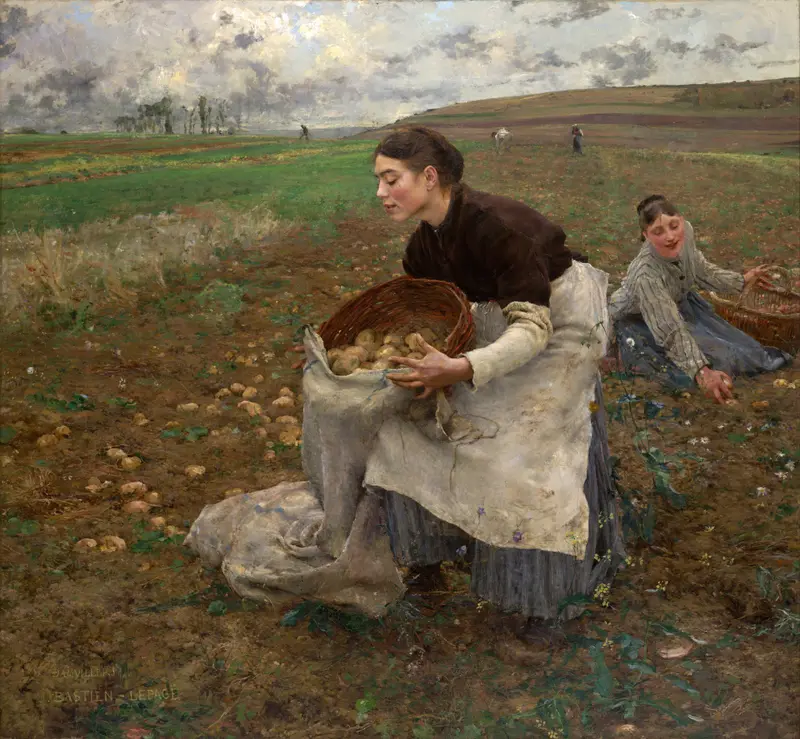 Jules Bastien-Lepage1848–1884. The foremost naturalist painter, in the words of a review of the Musée d'Orsay's 2007 retrospective; he painted the peasants of his native village, Damvillers, and died at 36.
 Léon Lhermitte1844–1925. French painter of harvests and field work, whom the Orsay's 2007 Bastien-Lepage catalogue counts among the painters Bastien-Lepage influenced. His The Harvesters (1888–89) is in the Art Institute of Chicago.
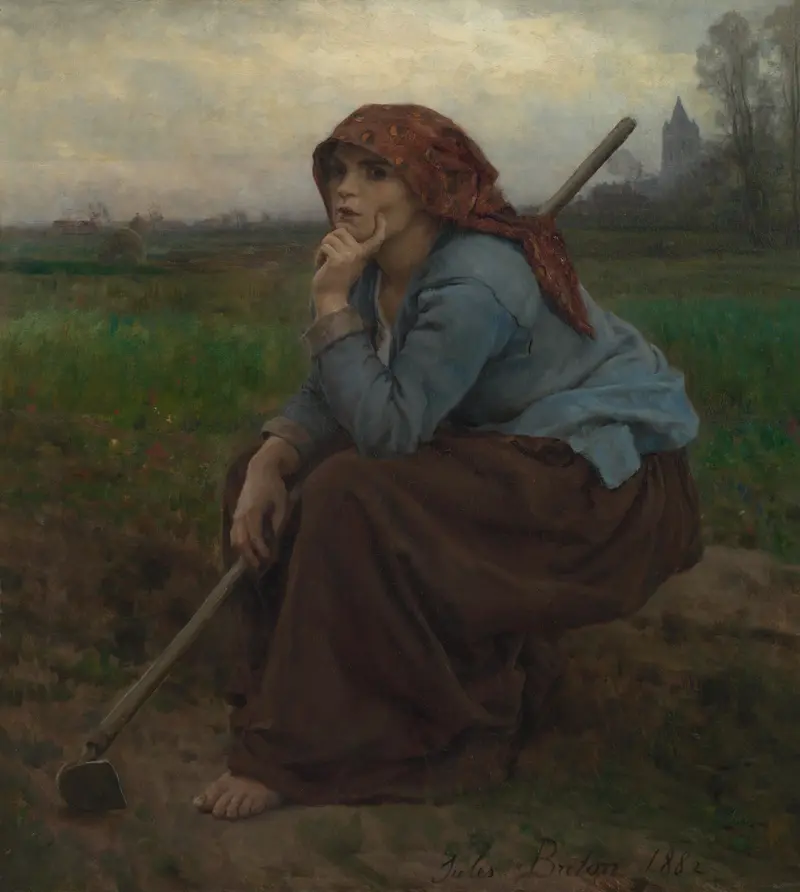 Jules Breton1827–1906. Grew up in the village of Courrières in northern France and painted its people in an idealized style that won him immense popularity, the Art Institute of Chicago says.
 Pascal Dagnan-Bouveret1852–1929. Painted Breton pilgrims from photographs and single models; the Gulbenkian says his Breton Women at a Pardon triumphed at the 1889 Salon, when naturalism was at its most popular.
 George Clausen1852–1944. English painter of country life whom Tate names with La Thangue and Stott as a rural naturalist; he was among the English naturalists drawn to Bastien-Lepage in London.
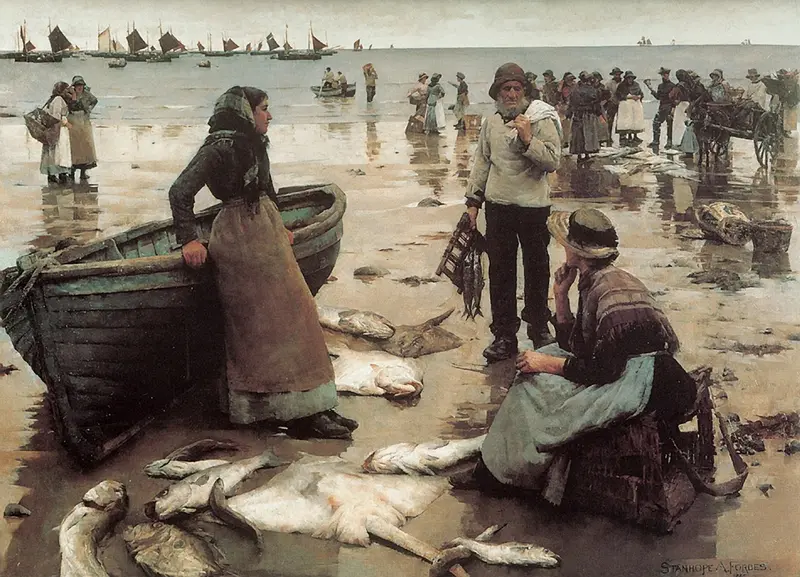
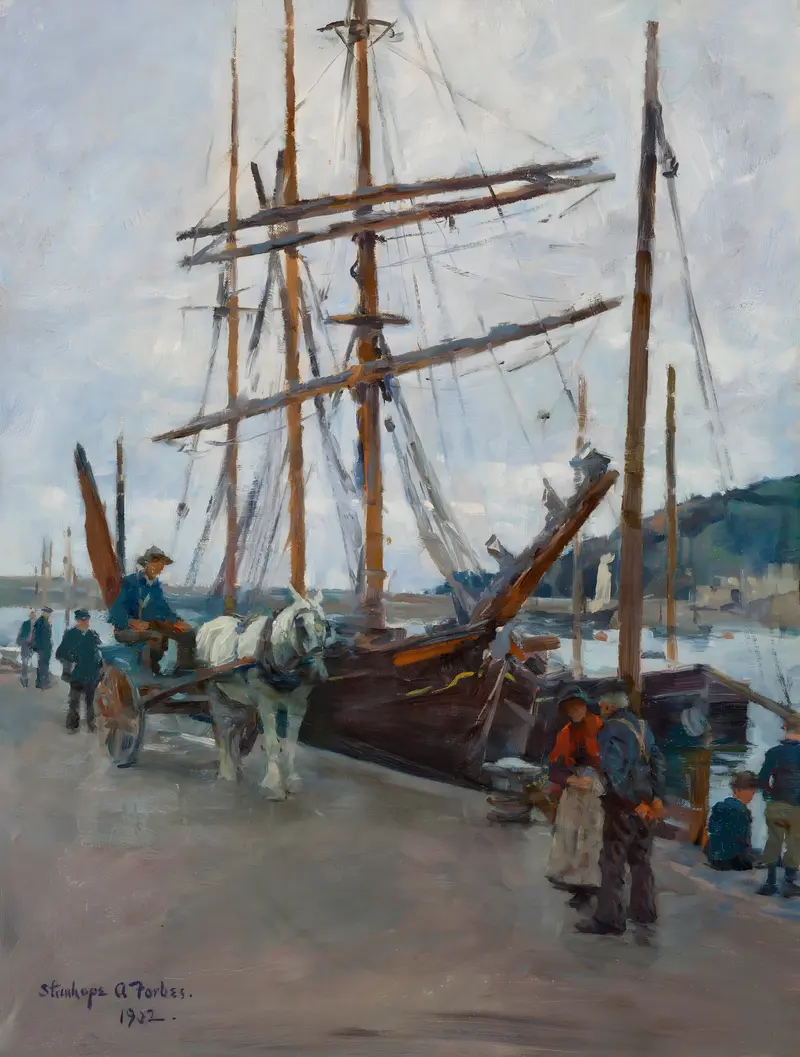 Stanhope Forbes1857–1947. Led the Newlyn School in Cornwall with Frank Bramley, Tate says; a photograph shows him painting on a beach in high wind, his canvas held down with guy ropes.
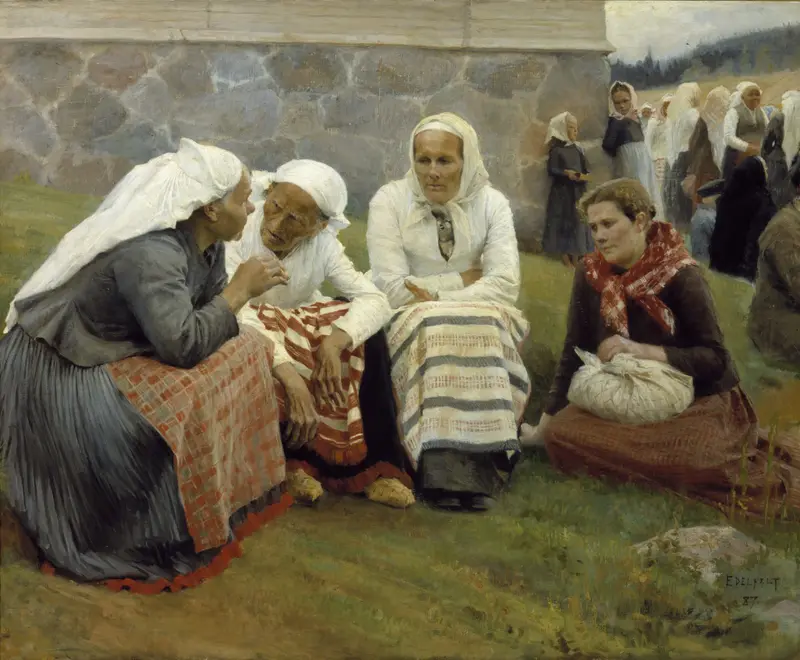 Albert Edelfelt1854–1905. Finnish painter who became an advocate of plein-air realism in the late 1870s; in 1880 he was the first Finnish artist to win a medal at the Paris Salon, the Ateneum says.
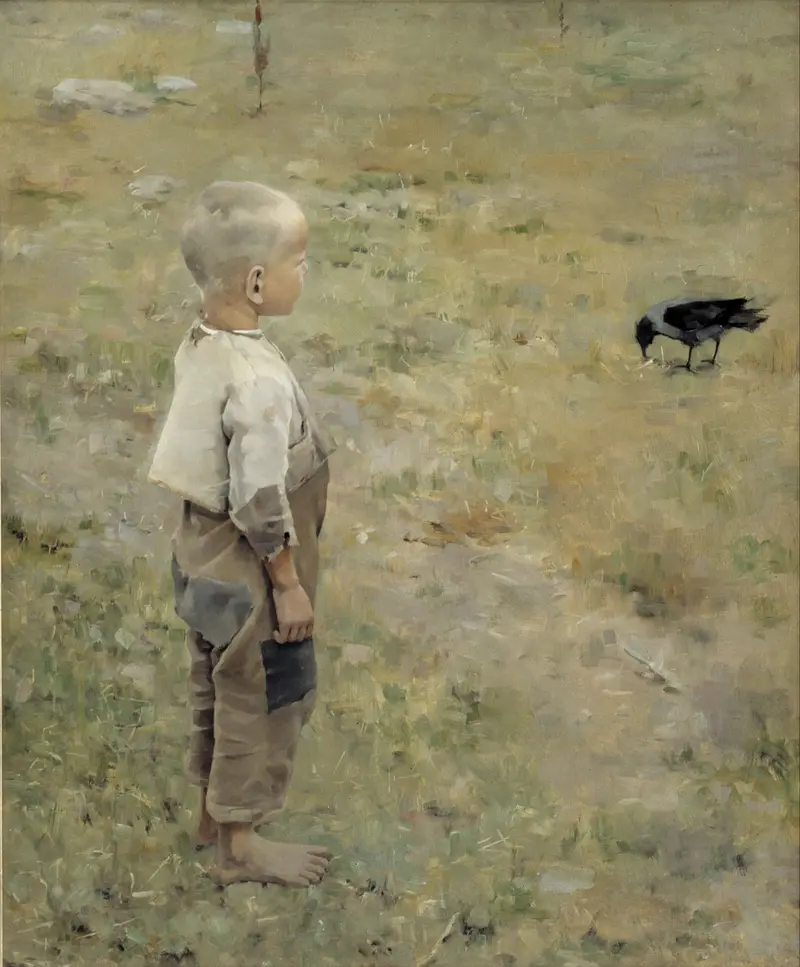 Akseli Gallen-Kallela1865–1931. In the 1880s he painted Finnish country people, saunas and Paris backyards from life; the Orsay's 2007 Bastien-Lepage catalogue counts him among the painters Bastien-Lepage influenced.
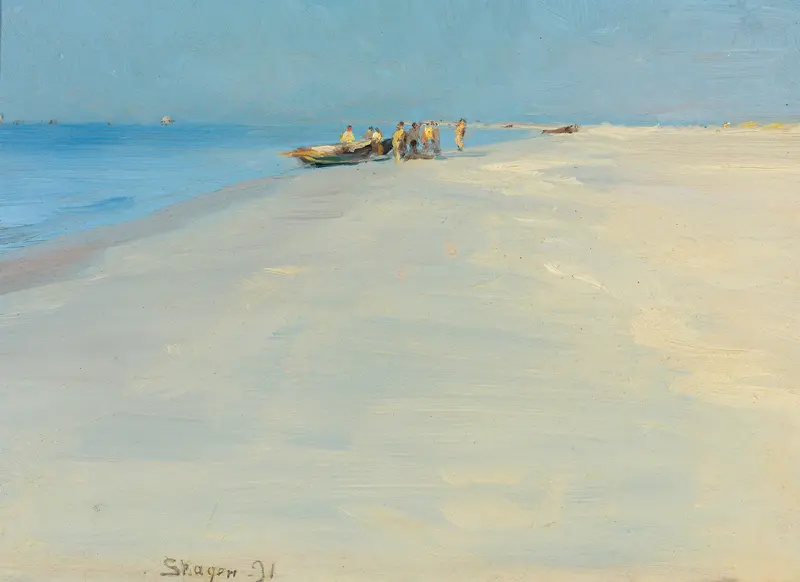 P. S. Krøyer1851–1909. Painter of the Skagen artists' colony in Denmark; the Skagens Museum says the idea for Summer Evening on Skagen's Southern Beach came on a walk after a dinner party in 1892.
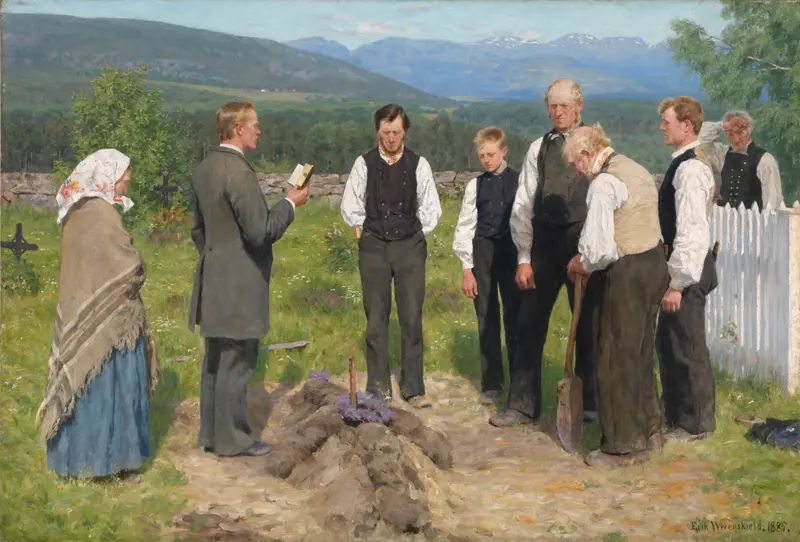
 Erik Werenskiold1855–1938. Norwegian illustrator of folktales and a naturalist, the Nasjonalmuseet says; his Peasant Burial (1883–85) has been regarded as a principal work of Norwegian art since its first showing.
French Naturalist paintings of peasant life
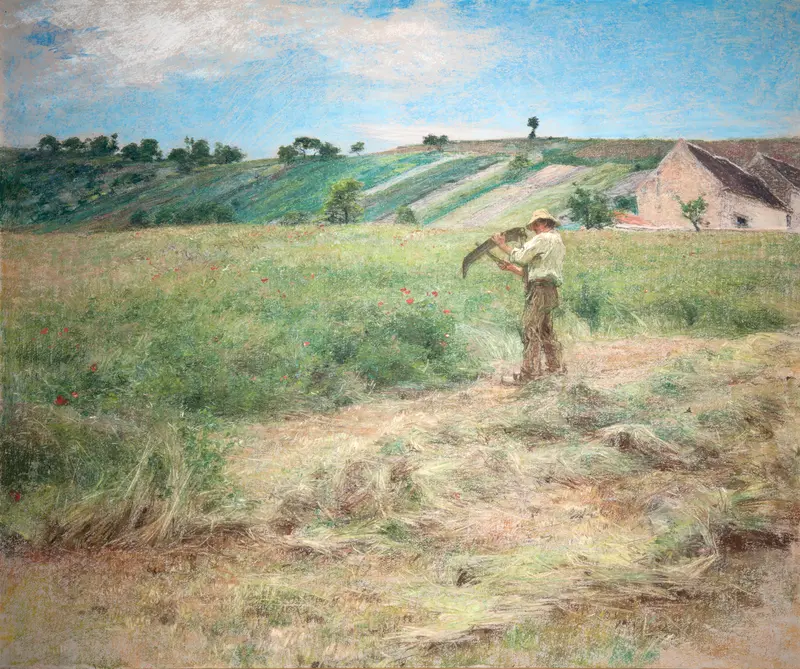
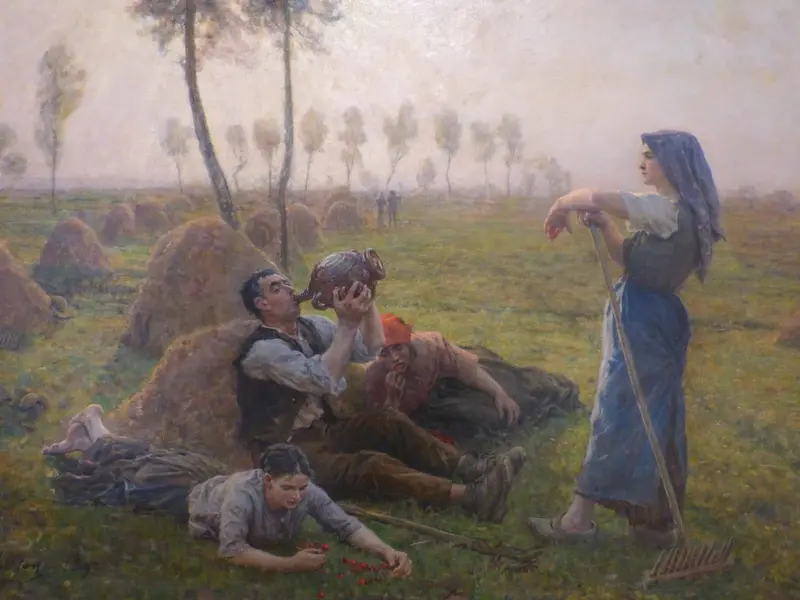
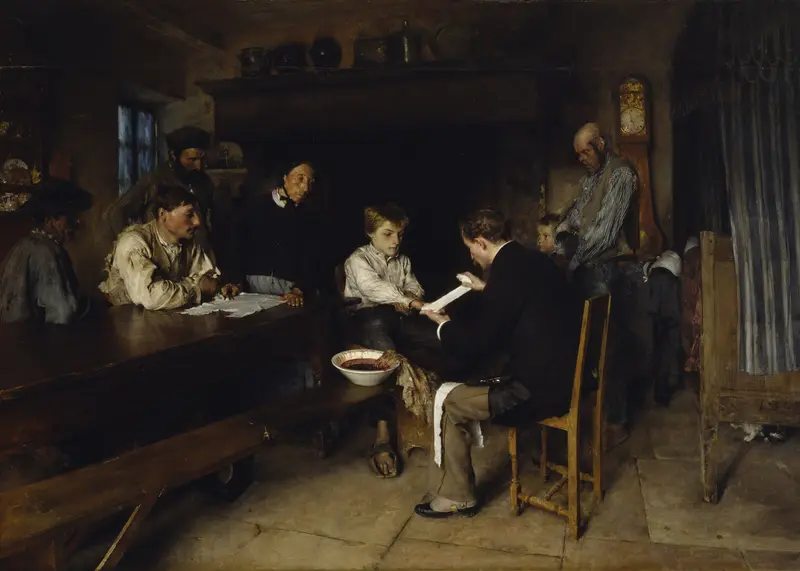
Tate describes rural naturalism as scenes of country life painted in a realist, often sentimentalized manner. In France, the Musée d'Orsay's 2007 Bastien-Lepage catalogue traces his influence on Léon Lhermitte, and Dagnan-Bouveret's Breton scenes came as naturalism reached the height of its popularity in the late 1880s, the Gulbenkian says.
Scandinavian and Finnish Naturalism
In Norway, the Nasjonalmuseet says, painting outdoors was a key element of the naturalist's program, where truth challenged beauty as an artistic ideal. In Finland, Albert Edelfelt became an advocate of plein-air realism at the end of the 1870s, and the young Akseli Gallen-Kallela was among the painters Bastien-Lepage influenced.
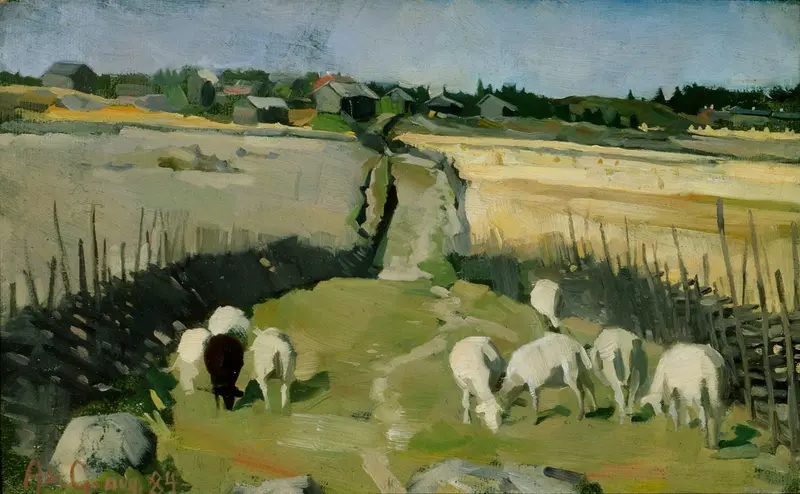
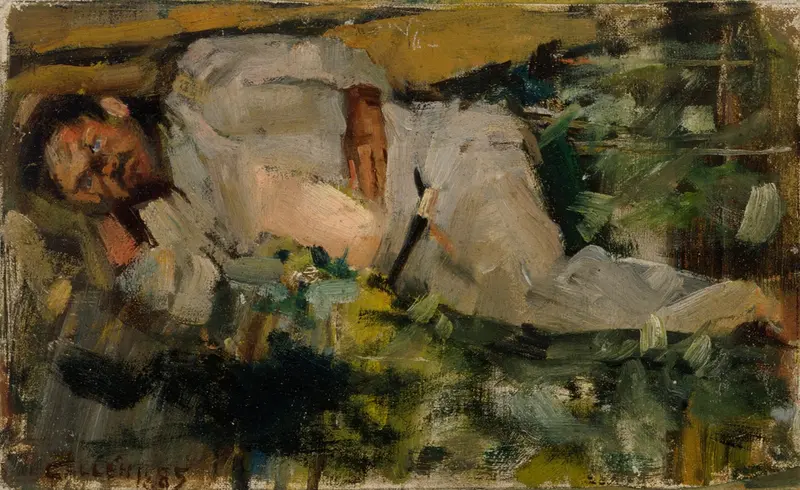
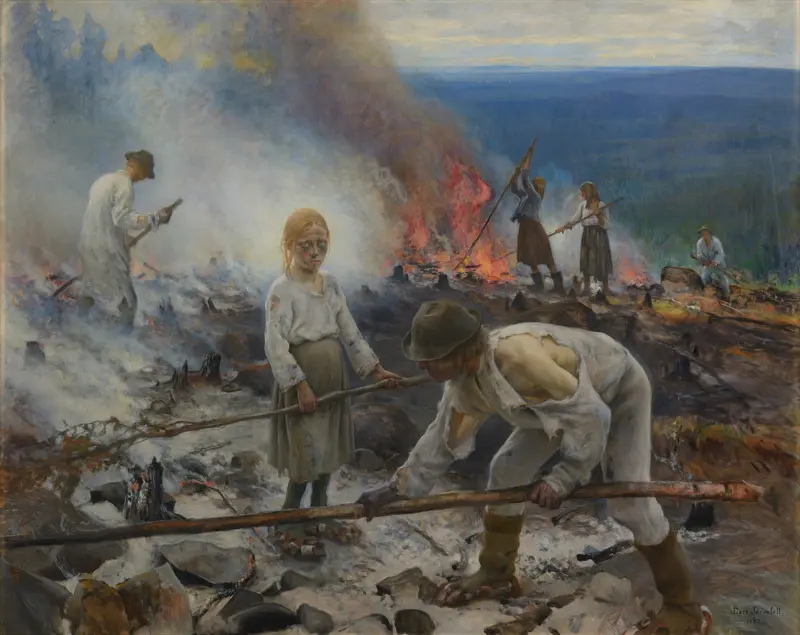
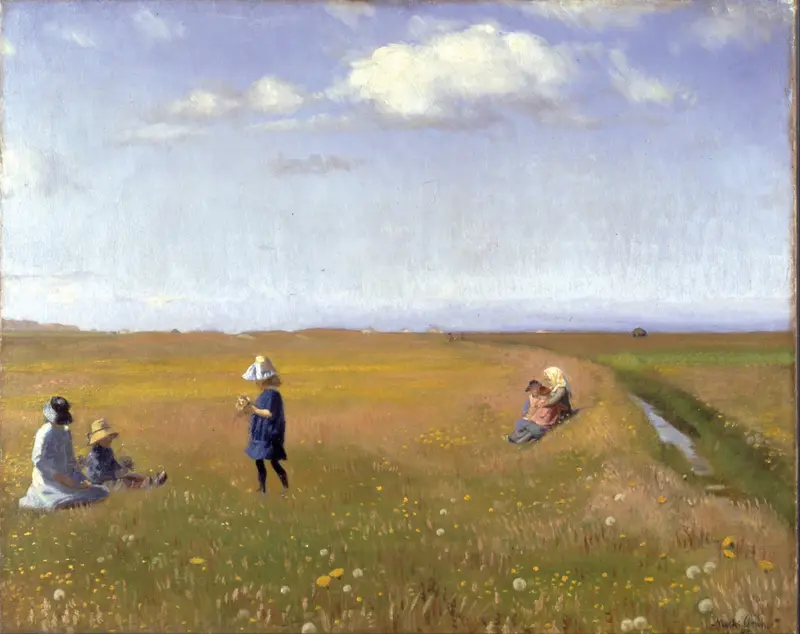
Characteristics of Naturalism: how to recognize it
Rural life, often softened
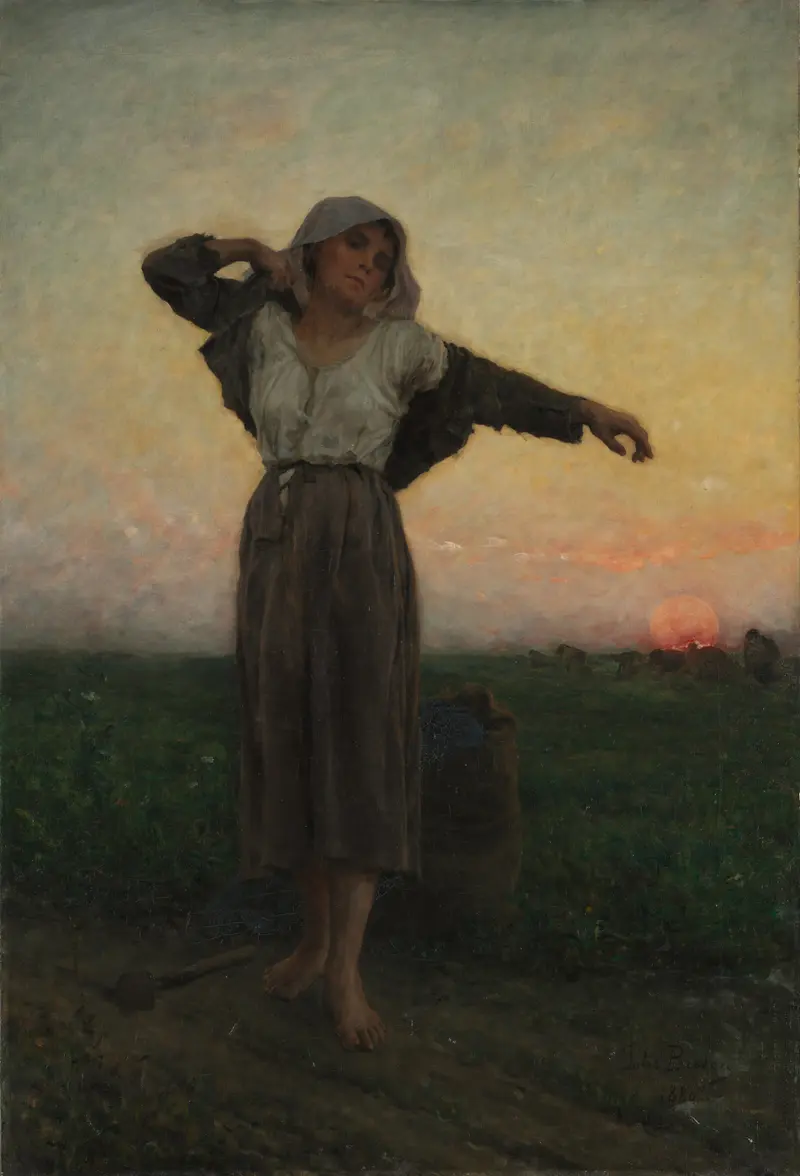
A barefoot girl with a sickle stops to listen to a lark at sunrise. Tate describes rural naturalism as scenes of country life in a realist, often sentimentalized manner, which sets it apart from the grittier Realism of Courbet.
The Song of the Lark, Jules Breton
Painted outdoors, from life
Edelfelt painted this funeral boat entirely outdoors, at Haikko near Porvoo. Painting outdoors was a key element of the naturalist's program, the Nasjonalmuseet in Oslo says, and Tate calls plein-air painting an important technique in the development of naturalism.
Conveying The Child’s Coffin (A Child’s Funeral), Albert Edelfelt
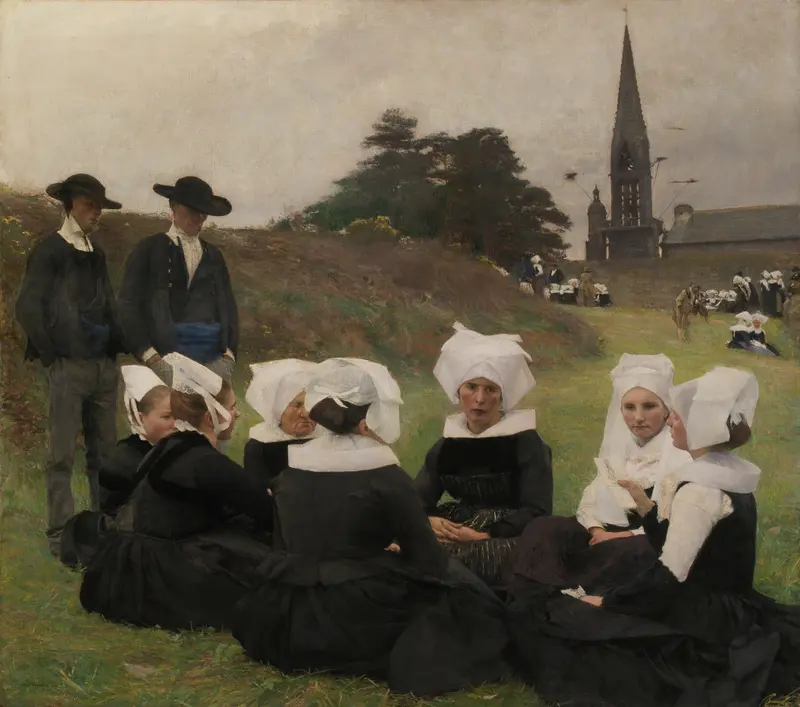
Real people, studied one by one
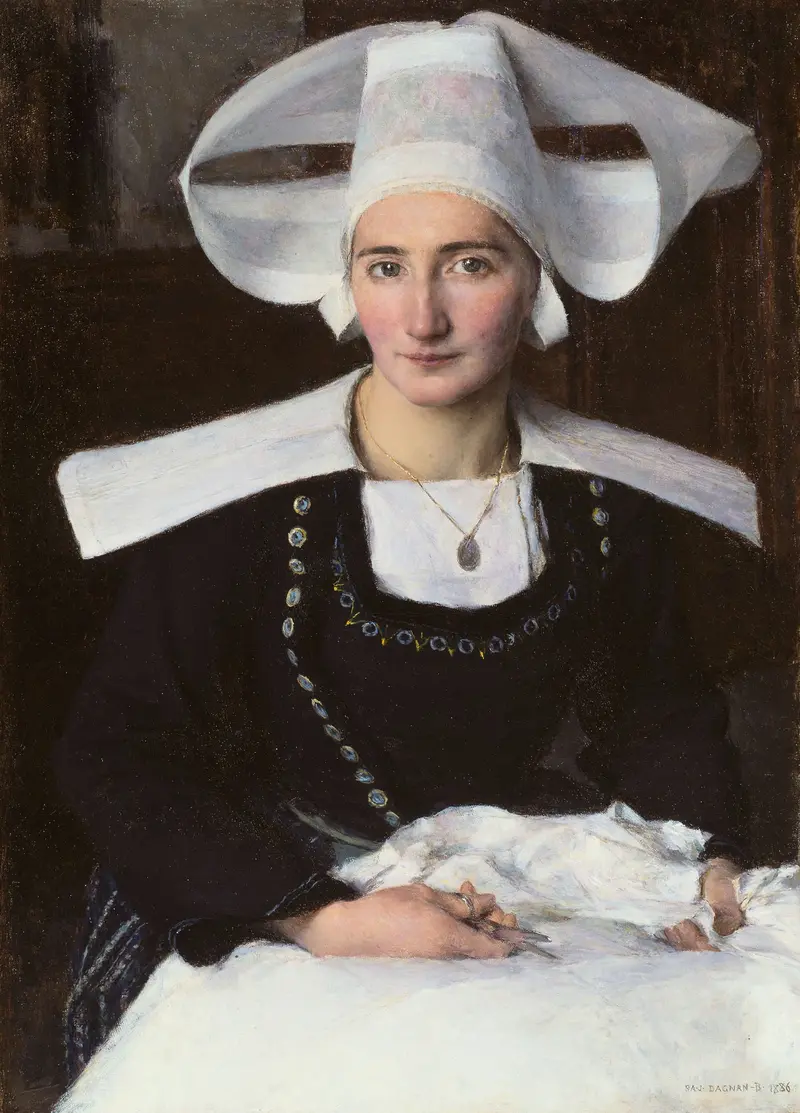
Dagnan-Bouveret photographed the pardon at Rumengol and painted single models before arranging these women in his studio. The Gulbenkian calls the result an ethnographic picture that casts an analytical gaze on a rural world resisting the changes of the late 1800s.
Breton Women at a Pardon, Pascal-Adolphe-Jean Dagnan-Bouveret
Everyday modern life in daylight
Naturalism was not only rural: Edelfelt spent more than a year on this Paris park, outdoors and in the studio, and borrowed Impressionist devices such as complementary colors, the Ateneum says.
The Luxembourg Gardens, Paris, Albert Edelfelt
A photographic eye
Bastien-Lepage sets the horizon unusually high, so the pale hay fills most of the canvas, and frames the two haymakers close up. The Musée d'Orsay calls the composition daringly photographic and counts the steep perspective, light palette and close framing as signs of modernity within the naturalist approach.
Hay Making, Jules Bastien-Lepage
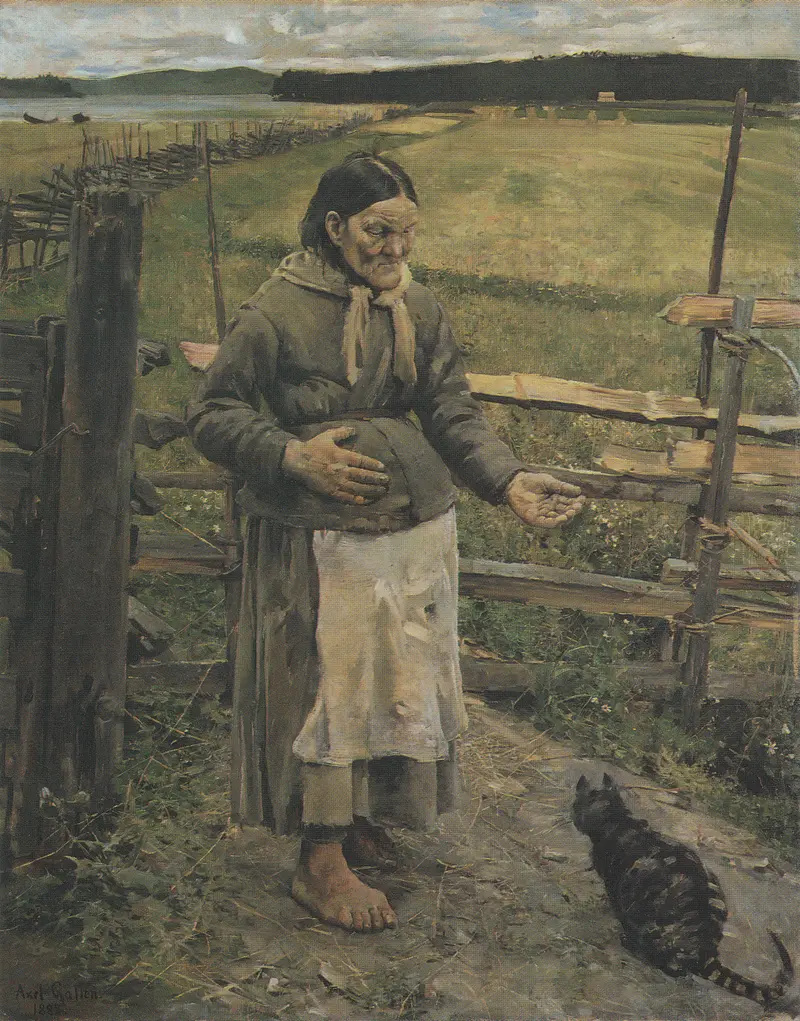
No idealizing of age or poverty
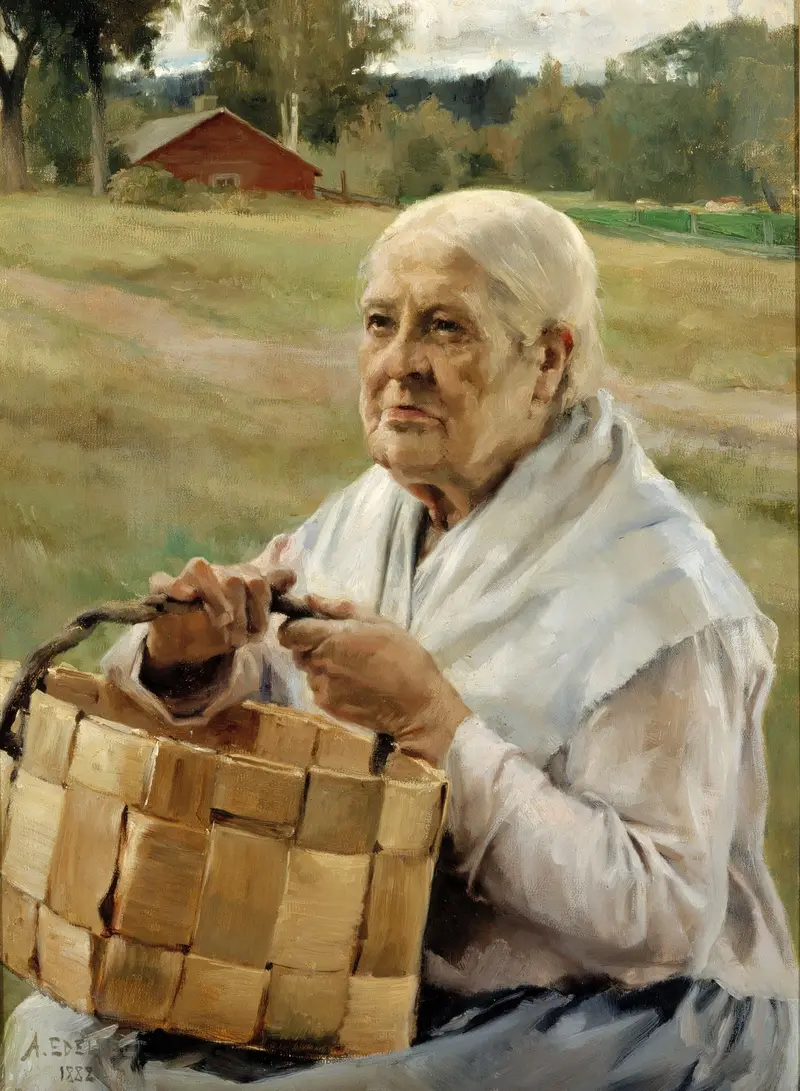
Gallen-Kallela paints the old woman's bare feet, patched apron and weathered face as he saw them. For the naturalists, the Nasjonalmuseet says, truth challenged beauty as an artistic ideal.
Old Woman With a Cat, Akseli Gallen-Kallela
Before and after Naturalism
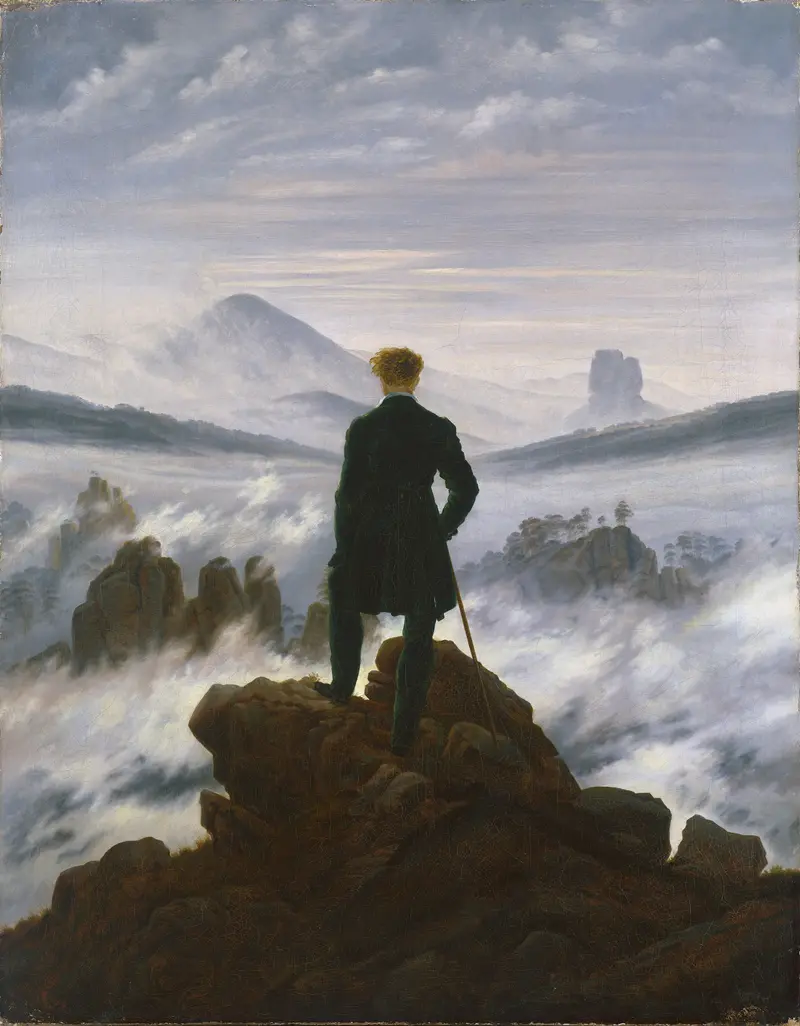 Romanticismc. 1780–1850
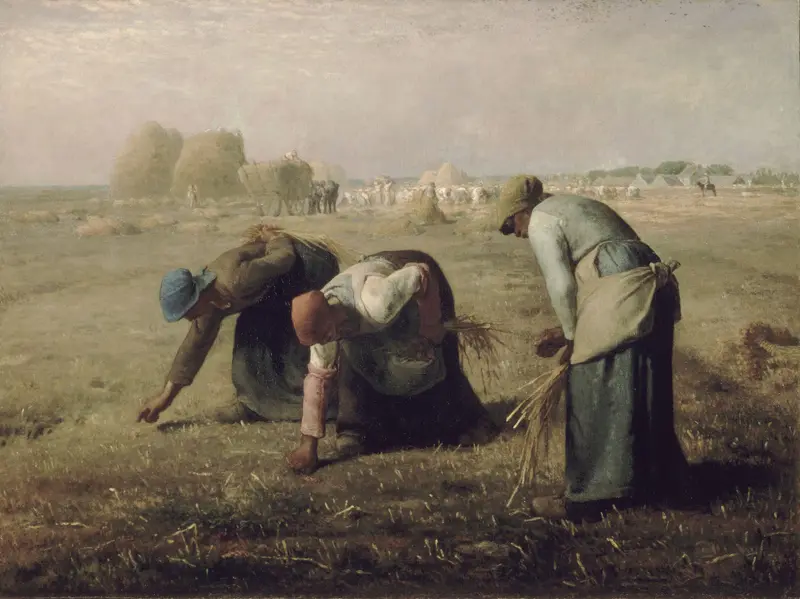 Realismc. 1840–1880
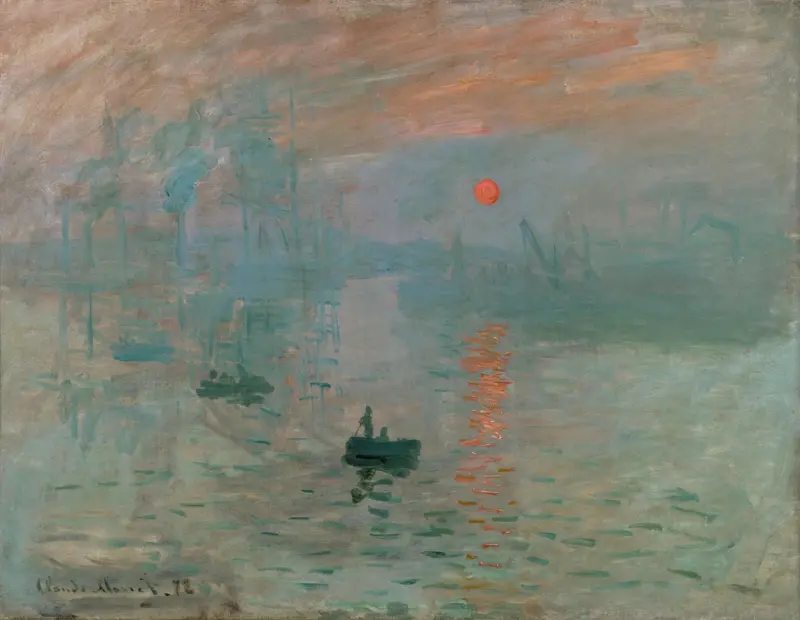 Impressionismc. 1867–1886
- Naturalismlate 1870s–1890s
 Symbolismc. 1886–1900
Naturalism vs Realism and Impressionism
| Compared | Realism | Naturalism | Impressionism |
|---|---|---|---|
| When | c. 1840–1880 | Late 1870s–1890s | c. 1867–1886 |
| Subject | Peasants, workers and everyday life, often gritty | Rural labor, village life and fishermen, often sentimental | Landscapes and scenes of everyday modern life |
| How it is painted | Unidealized, from direct observation | Careful finish and solid figures, often outdoors from life | Quick, broken brushstrokes, outdoors, to catch passing light |
| Famous example | Courbet, A Burial at Ornans | Breton, The Song of the Lark | Monet, Impression, Sunrise |
| Key artists | Courbet, Millet, Daumier | Bastien-Lepage, Lhermitte, Dagnan-Bouveret, Clausen, Edelfelt | Monet, Renoir, Degas, Pissarro, Morisot |
List of famous Naturalism paintings and their artists
The famous Naturalism paintings: who painted them, when, and where each one is today.
Show the listHide the list
| Painting | Painted by | Year | Medium | Size | Located in | City |
|---|---|---|---|---|---|---|
| Summer Evening on Skagen's Southern Beach | P. S. Krøyer | 1893 | Oil on canvas | 100 × 150 cm (39.4 × 59.1 in) | Skagens Museum | Skagen |
| Joan of Arc | Jules Bastien-Lepage | 1879 | Oil on canvas | 254 × 279.4 cm (100 × 110 in) | Metropolitan Museum of Art | New York |
| The Luxembourg Gardens, Paris | Albert Edelfelt | 1887 | Oil on canvas | 141.5 × 186.5 cm (55.7 × 73.4 in) | Finnish National Gallery | Helsinki |
| Village Love | Jules Bastien-Lepage | 1882 | Oil on canvas | 194 × 180 cm (76.4 × 70.9 in) | Pushkin Museum of Fine Arts | Moscow |
| In the Sauna | Akseli Gallen-Kallela | 1889 | Oil on canvas | 120 × 81 cm (47.2 × 31.9 in) | Finnish National Gallery | Helsinki |
| Christening in Tanum Church | Harriet Backer | 1892 | Oil on canvas | 109 × 142 cm (42.9 × 55.9 in) | National Museum of Art, Architecture and Design | Oslo |
| The Gulf Stream | Winslow Homer | 1899; reworked by 1906 | Oil on canvas | 71.4 × 124.8 cm (28.1 × 49.1 in) | Metropolitan Museum of Art | New York |
| Hay Making | Jules Bastien-Lepage | 1877 | Oil on canvas | 180 × 195 cm (70.9 × 76.8 in) | Musee d'Orsay | Paris |
| Conveying the Child's Coffin | Albert Edelfelt | 1879 | Oil on canvas | 120 × 204 cm (47.2 × 80.3 in) | Finnish National Gallery | Helsinki |
| Women Plucking Geese | Max Liebermann | 1872 | Oil on canvas | 118 × 172 cm (46.5 × 67.7 in) | Alte Nationalgalerie | Berlin |
| Boys Playing on the Shore | Albert Edelfelt | 1884 | Oil on canvas | 90 × 107.5 cm (35.4 × 42.3 in) | Finnish National Gallery | Helsinki |
| The Song of the Lark | Jules Breton | 1884 | Oil on canvas | 110.6 × 85.8 cm (43.5 × 33.8 in) | Art Institute of Chicago | Chicago |
| Breton Women at a Pardon | Pascal Dagnan-Bouveret | 1887 | Oil on canvas | 125 × 141 cm (49.2 × 55.5 in) | Calouste Gulbenkian Museum | Lisbon |
| Parisian Backyard | Akseli Gallen-Kallela | 1884 | Oil on canvas | 28 × 23 cm (11 × 9.1 in) | Finnish National Gallery | Helsinki |
| Peasant Burial | Erik Werenskiold | 1883–1885 | Oil on canvas | 102.5 × 150.5 cm (40.4 × 59.3 in) | National Museum of Art, Architecture and Design | Oslo |
| A Fish Sale on a Cornish Beach | Stanhope Forbes | 1885 | Oil on canvas | 118.5 × 154 cm (46.7 × 60.6 in) | The Box, Plymouth | Plymouth |
| Old Woman with a Cat | Akseli Gallen-Kallela | 1885 | Oil on canvas | 121 × 96.5 cm (47.6 × 38 in) | Turku Art Museum | Turku |
Naturalism: questions and answers
What does naturalism mean in art?
In art, naturalism means painting things as they look to the eye, from direct observation, rather than idealized or stylized by convention. Tate calls it a broad 19th-century movement that represented things closer to the way we see them, pioneered in Britain by John Constable and often linked with painting out of doors. The Getty's art vocabulary adds that a naturalistic work need not dwell on flaws, so it can be faithful and still somewhat idealized. As a movement, Naturalism ran from the late 1870s to the 1890s and was led in France by Jules Bastien-Lepage.
Sources: Tate: Naturalism · Getty AAT: naturalism · Nineteenth-Century Art Worldwide: Jules Bastien-Lepage, Musée d'Orsay exhibition review
When did the Naturalism art movement start and end?
Naturalism began in France in the late 1870s and lasted through the 1890s. Bastien-Lepage's Hay Making was very popular at the Salon of 1878, and Émile Zola hailed it as the masterpiece of naturalism in painting, the Musée d'Orsay says. The Calouste Gulbenkian Museum says naturalism reached the height of its popularity in the late 1880s. By then Symbolism, whose name was coined in 1886, was turning away from the realistic depiction of the natural world seen in Realism, Impressionism and Naturalism, Tate says.
Sources: Musée d'Orsay: Hay Making (Google Arts & Culture) · Calouste Gulbenkian Museum: Les Bretonnes au Pardon (Google Arts & Culture) · Tate: Symbolism
Who were the main Naturalist artists?
The leading Naturalist was Jules Bastien-Lepage, whom a review of the Musée d'Orsay's 2007 retrospective calls the foremost naturalist painter; the exhibition catalogue traces his influence on Léon Lhermitte, Léon Frédéric, George Clausen and Akseli Gallen-Kallela. Pascal Dagnan-Bouveret's Breton scenes were naturalist successes at the Salon. In Britain, Tate names Clausen, Henry Herbert La Thangue, Edward Stott and the Newlyn School of Stanhope Forbes and Frank Bramley; in Norway, the Nasjonalmuseet counts Erik Werenskiold and Harriet Backer among the naturalists.
Sources: Nineteenth-Century Art Worldwide: Jules Bastien-Lepage, Musée d'Orsay exhibition review · Calouste Gulbenkian Museum: Les Bretonnes au Pardon (Google Arts & Culture) · Tate: Rural naturalism · Tate: Newlyn school · Nasjonalmuseet: Erik Werenskiold, Peasant Burial · Nasjonalmuseet: Harriet Backer, Christening in Tanum Church
What is the difference between naturalism and realism in art?
Realism is mostly about what is painted, naturalism about how it looks. Tate defines Realism as the mid-19th-century movement that painted subjects from everyday life in a naturalistic manner, with a certain grittiness, and naturalism as representing things closer to the way we see them. The rural Naturalists of the 1880s were gentler: Tate says their tendency to sentimentality sets them apart from the grittier Realism of Gustave Courbet and his followers. The Getty's art vocabulary draws the same line, noting that naturalism need not focus on the flaws and imperfections a realist work may show.
Sources: Tate: Realism · Tate: Naturalism · Tate: Rural naturalism · Getty AAT: naturalism
How is Naturalism different from Impressionism?
Both painted out of doors and from life, but the Naturalists kept a careful finish and solid, detailed figures, while the Impressionists, Tate says, broke their brushwork into quick, separate dabs to catch fleeting light. The National Gallery of Victoria says Salon audiences liked Bastien-Lepage's October because it combined the high finish of an academic picture with the looser brushwork associated with the Impressionists. Edelfelt borrowed Impressionist devices such as complementary colors for The Luxembourg Gardens, yet worked on it for more than a year, the Ateneum says.
Sources: Tate: Impressionism · National Gallery of Victoria: October (Google Arts & Culture) · Ateneum, Finnish National Gallery: The Luxembourg Gardens (Google Arts & Culture)
What are the characteristics of naturalism in painting?
Naturalist paintings show rural work and everyday life, with real, individual people painted close to how they look, often out of doors and in daylight. Tate links naturalism with plein-air painting and describes rural naturalism as scenes of country life in a realist, often sentimentalized manner. The Nasjonalmuseet in Oslo says painting outdoors was a key element of the naturalist's program, where truth challenged beauty as an artistic ideal. The Musée d'Orsay points to the high horizon, close framing and light palette of Bastien-Lepage's Hay Making as signs of modernity within the naturalist approach.
Sources: Tate: Naturalism · Tate: Rural naturalism · Nasjonalmuseet: Erik Werenskiold, Peasant Burial · Musée d'Orsay: Hay Making (Google Arts & Culture)
What is rural naturalism?
Rural naturalism is Tate's name for 19th-century paintings of country life in a realist, often sentimentalized manner. Tate says that tendency to sentiment distinguishes it from the grittier Realism of Courbet and his followers, and that in Britain it is exemplified by the Newlyn School and by George Clausen, Henry Herbert La Thangue and Edward Stott. In France, Bastien-Lepage painted the peasants of his own village, Damvillers; the National Gallery of Victoria says he despised city painters whose sentimental views of rustic life showed their ignorance of it.
Sources: Tate: Rural naturalism · National Gallery of Victoria: October (Google Arts & Culture) · Nineteenth-Century Art Worldwide: Jules Bastien-Lepage, Musée d'Orsay exhibition review
Who was Jules Bastien-Lepage?
Jules Bastien-Lepage (1848–1884) was the French painter who led Naturalism, and whose death at 36 ended a career of about a decade. A review of the Musée d'Orsay's 2007 retrospective calls him the foremost naturalist painter and his Joan of Arc, in the Metropolitan Museum of Art, one of the majestic icons of the 19th century. He painted large pictures of the peasants of his native village, Damvillers, such as Hay Making and October, and in London he became a magnet for English naturalists such as George Clausen and Henry Herbert La Thangue.
Sources: Nineteenth-Century Art Worldwide: Jules Bastien-Lepage, Musée d'Orsay exhibition review · The Met: Joan of Arc · Musée d'Orsay: Hay Making (Google Arts & Culture) · National Gallery of Victoria: October (Google Arts & Culture)
What is plein air painting, and why did it matter to the Naturalists?
Plein air means painting finished pictures out of doors, in front of the subject, and it was central to Naturalism. Tate calls it an important technical approach in the development of naturalism, taken up widely by the rural naturalists and above all by the Newlyn School; a photograph shows Stanhope Forbes painting on a beach in high wind, his canvas and easel held down with guy ropes. In Finland, the Ateneum says, Edelfelt's Conveying the Child's Coffin (1879) was the first exhibited Finnish painting made entirely outdoors.
Sources: Tate: Plein air · Ateneum, Finnish National Gallery: Conveying a Child's Coffin (Google Arts & Culture)
What was the Newlyn School?
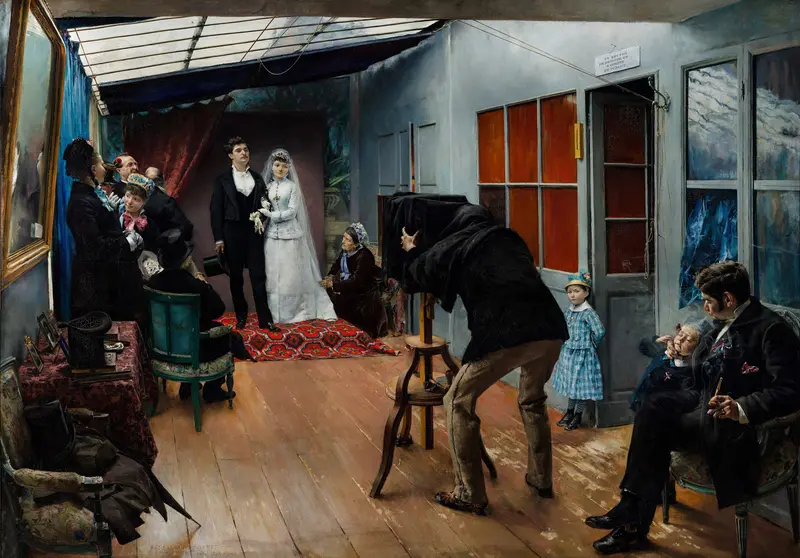
The Newlyn School was a group of painters who settled in the Cornish fishing towns of Newlyn and St Ives from the early 1880s, led by Stanhope Forbes and Frank Bramley. Tate says they combined working directly from the subject, in the open air where they could, with scenes of rural life, above all the life of fishermen. It calls Forbes's The Health of the Bride (1889) and Bramley's A Hopeless Dawn (1888) quintessential Newlyn masterpieces.
Sources: Tate: Newlyn school · Tate: Plein air
What was Naturalism like in Scandinavia and Finland?
Naturalism took strong root in Norway and Finland in the 1880s. The Nasjonalmuseet in Oslo calls Erik Werenskiold a naturalist and his Peasant Burial (1883–85), probably painted mostly outdoors, a principal work of Norwegian art, and says Harriet Backer, who lived in Paris from 1878 to 1888, is considered both a naturalist and an early impressionist. In Finland, Albert Edelfelt became an advocate of plein-air realism in the late 1870s, and in 1880 he was the first Finnish artist to win a medal at the Paris Salon, the Ateneum says.
Sources: Nasjonalmuseet: Erik Werenskiold, Peasant Burial · Nasjonalmuseet: Harriet Backer, Christening in Tanum Church · Ateneum, Finnish National Gallery: Conveying a Child's Coffin (Google Arts & Culture)
What are some examples of naturalism in art?
Well-known examples are Bastien-Lepage's Joan of Arc (1879) in the Metropolitan Museum of Art and his Hay Making (1877) in the Musée d'Orsay, Jules Breton's The Song of the Lark (1884) in the Art Institute of Chicago and Dagnan-Bouveret's Breton Women at a Pardon (1887) in the Calouste Gulbenkian Museum. In Britain, Tate counts Frank Bramley's A Hopeless Dawn (1888) and Stanhope Forbes's The Health of the Bride (1889) as Newlyn masterpieces; in Finland, the Ateneum holds Edelfelt's Conveying the Child's Coffin (1879).
Sources: The Met: Joan of Arc · Musée d'Orsay: Hay Making (Google Arts & Culture) · Art Institute of Chicago · Calouste Gulbenkian Museum: Les Bretonnes au Pardon (Google Arts & Culture) · Tate: Newlyn school · Ateneum, Finnish National Gallery: Conveying a Child's Coffin (Google Arts & Culture)
Where can you see Naturalist paintings?
In Paris, the Musée d'Orsay has Bastien-Lepage's Hay Making; in New York, the Metropolitan Museum of Art has his Joan of Arc; and the Art Institute of Chicago has Breton's The Song of the Lark and Lhermitte's The Harvesters. The National Gallery of Victoria in Melbourne has Bastien-Lepage's October, the Ateneum in Helsinki has the naturalist pictures of Edelfelt and Gallen-Kallela shown on this page, the Nasjonalmuseet in Oslo has Werenskiold's Peasant Burial and Backer's Christening in Tanum Church, and the Skagens Museum in Denmark has Krøyer's Summer Evening on Skagen's Southern Beach.
Sources: Musée d'Orsay: Hay Making (Google Arts & Culture) · The Met: Joan of Arc · Art Institute of Chicago · Art Institute of Chicago: The Harvesters · National Gallery of Victoria: October (Google Arts & Culture) · Ateneum, Finnish National Gallery: The Luxembourg Gardens (Google Arts & Culture) · Nasjonalmuseet: Erik Werenskiold, Peasant Burial · Nasjonalmuseet: Harriet Backer, Christening in Tanum Church · Skagens Museum: Summer Evening on Skagen's Southern Beach (Google Arts & Culture)
Is Naturalist art in the public domain, and can I download it free?
Yes. Every painter named on this page died by 1947, so their paintings are in the public domain in the United States and in countries where copyright ends 70 years after the artist's death. You can download them free and use them for anything, including commercial projects. A few countries have their own rules on photographs of artworks, so check them if you publish outside the U.S.
Sources: Cornell University Library: Copyright Term and the Public Domain
How we chose the famous paintings
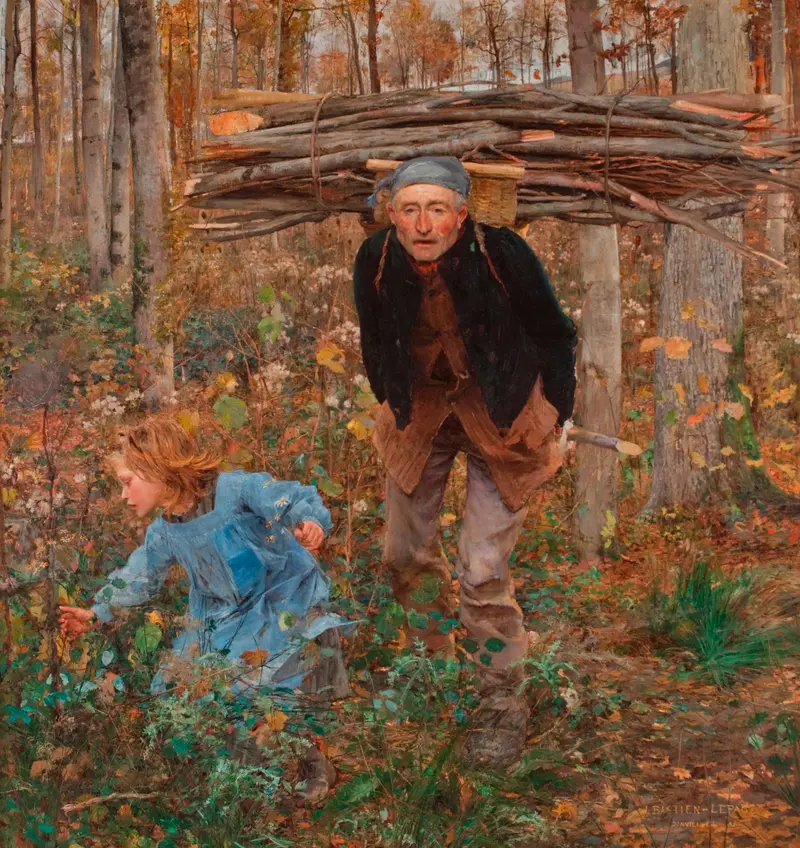
The famous paintings on this page are the Naturalist paintings known most widely around the world, measured by the number of languages that have an encyclopedia entry about each one, checked in November 2026. We count works that our catalogue, Wikidata or the holding museum classes as naturalist, and scenes of rural and everyday life from the late 1870s to the 1890s by painters whom museums describe as naturalists or as followers of Jules Bastien-Lepage. No painter has more than three, which is why Bastien-Lepage's October and The Wood Gatherer and Edelfelt's La Laitière appear further down.
Winslow Homer's The Gulf Stream is included because our catalogue and Wikidata both class it as Naturalism; Homer's other paintings appear on our Realism page. We left out a few well-known Scandinavian pictures that no museum or Wikidata record we could find classes as naturalist, such as Krøyer's Hip, Hip, Hurrah! and Anna Ancher's Sunlight in the Blue Room.
Dates, sizes and locations come from the museums' own records and from Wikidata.
Spotted a mistake? Tell us and we will correct it.