
Falls of the Chulilla — History & Facts
Where does light end, and longing begin? In this piece, we find ourselves suspended between reality and dreams, where nature’s beauty beckons yet remains elusive. Look to the left at the cascading waters, their silvery hues catching the light in a dance of glimmer and shadow. The artist employs a soft palette of blues and greens that blend seamlessly, evoking a serene yet dynamic atmosphere. Notice how the delicate brushstrokes create a sense of movement in the water, while the surrounding foliage seems to cradle the falls, emphasizing their majesty.
Each element draws the viewer's gaze, inviting us into a tranquil reverie. As you explore further, consider the interplay of light and dark—a metaphor for the tension between clarity and obscurity. The luminous highlights suggest an ethereal quality, hinting at the fleeting nature of beauty itself. This juxtaposition may speak to the artist's own longing for connection with the sublime, bridging the gap between the earthly and the transcendent.
The distant horizon, shrouded in mist, poses questions about what lies beyond the immediate view, inviting contemplation of the unknown. During the time this work was created, Charles Hamilton Smith was immersed in the Romantic movement, which emphasized emotion and the sublime. While the exact date remains uncertain, he was active in the early 19th century, a period marked by rapid changes in society and nature, influencing his portrayal of landscapes as expressions of personal and collective longing. As he painted, Smith sought to capture the ever-elusive beauty of the natural world, reflecting not only his artistic journey but the zeitgeist of an era in search of deeper meaning.
More Artworks by Charles Hamilton Smith
Browse all →
Situation of H.M.S. Hecla & Griper
Charles Hamilton Smith
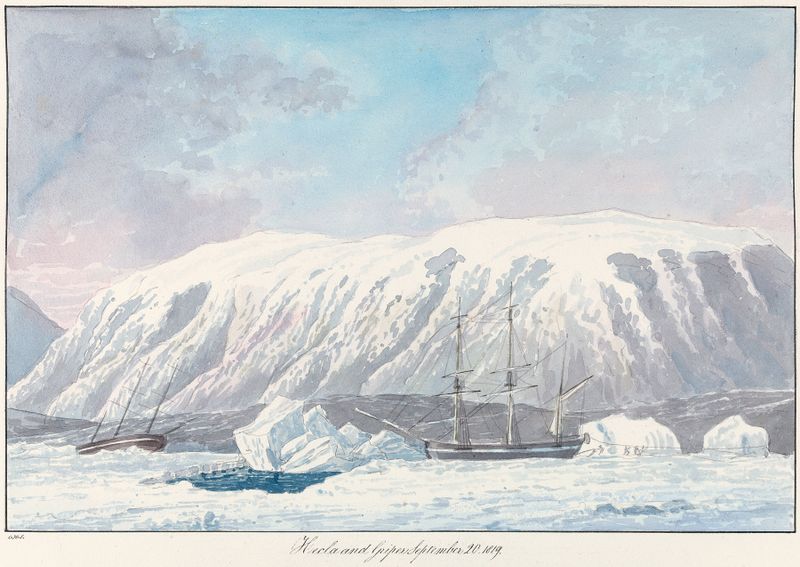
Hecla and Griper
Charles Hamilton Smith

Friendly Cove, Nootka Sound
Charles Hamilton Smith

Iceberg in Baffin’s Bay
Charles Hamilton Smith
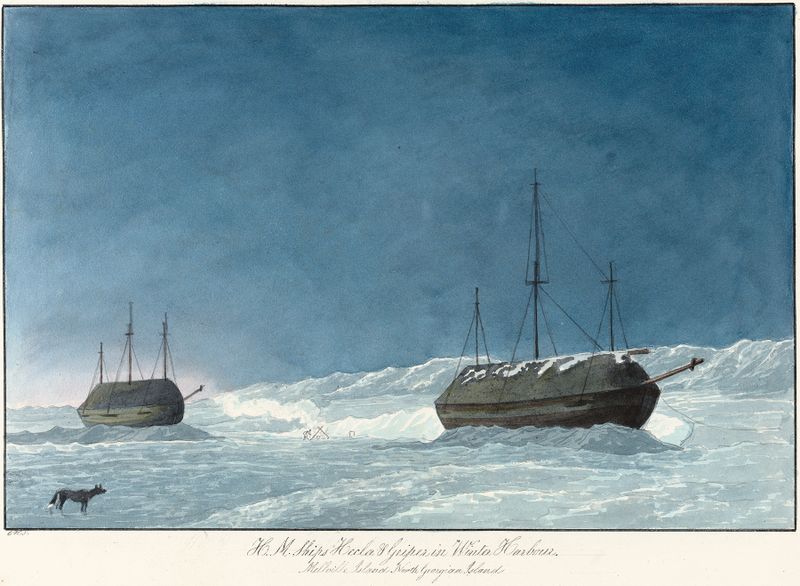
H. M. Ships Hecla and Griper in Winter Harbour
Charles Hamilton Smith

The Erebus & Terror in a Gale in the Pack of the Ice
Charles Hamilton Smith
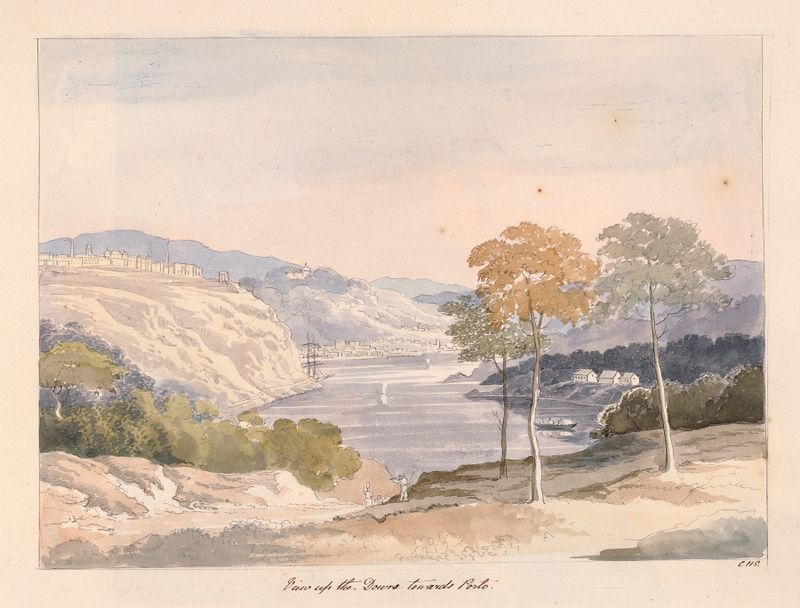
View of the Douro towards Porto
Charles Hamilton Smith
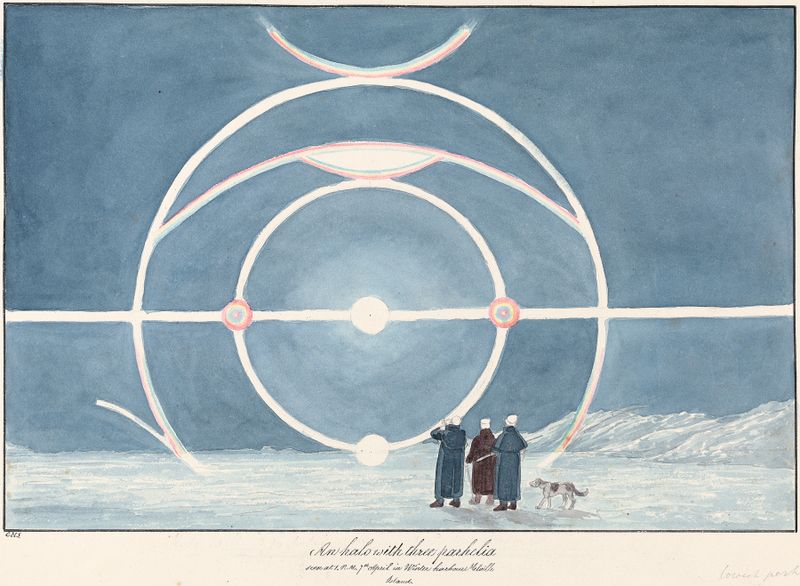
Halo with Three Parhelia, Winter Harbour Melville Island
Charles Hamilton Smith
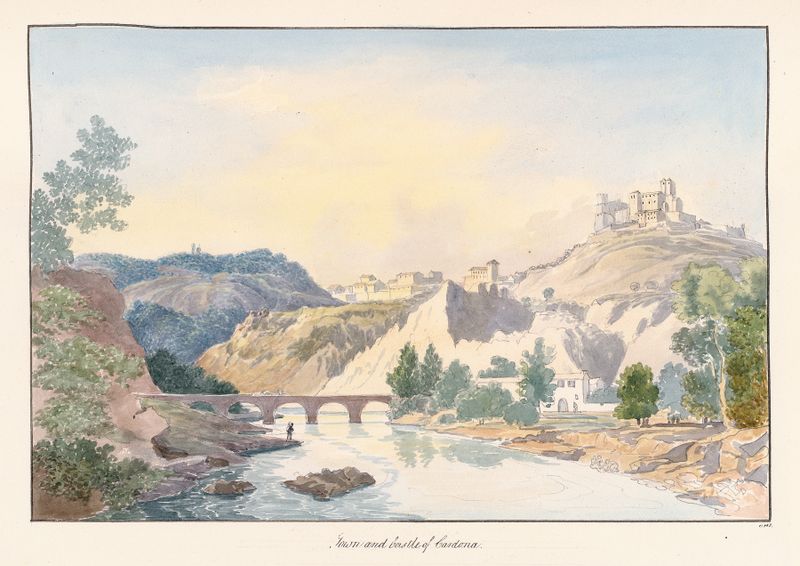
Town and Castle of Cardona
Charles Hamilton Smith
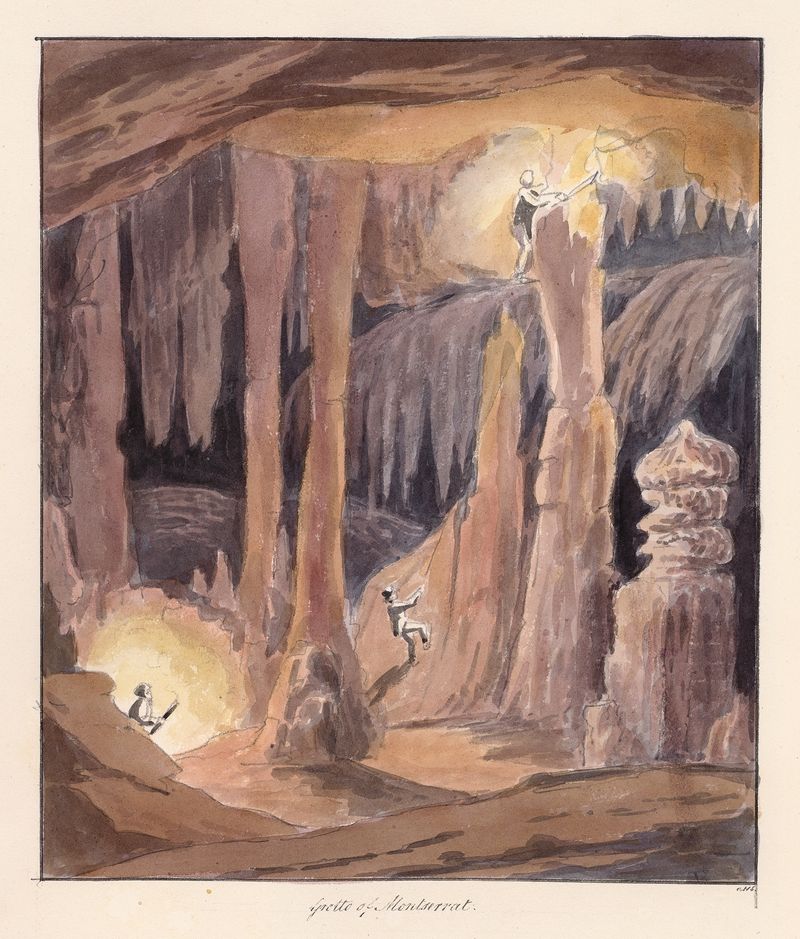
Grotto of Montserrat
Charles Hamilton Smith





