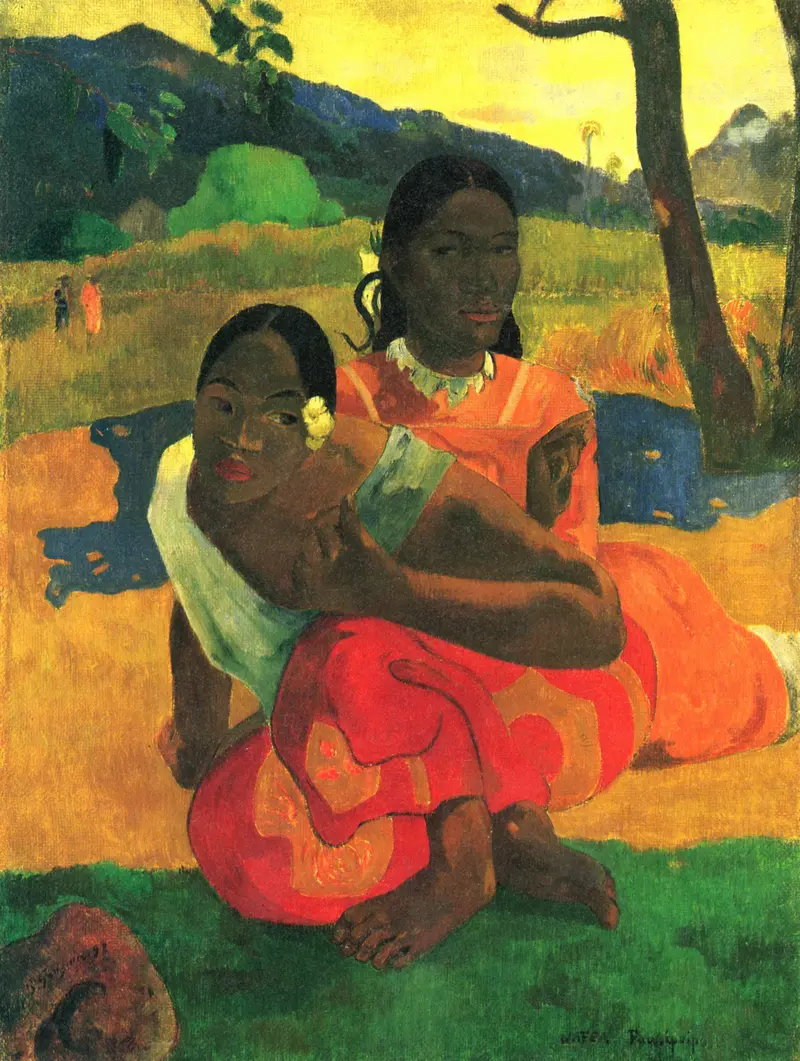
False position — History & Facts
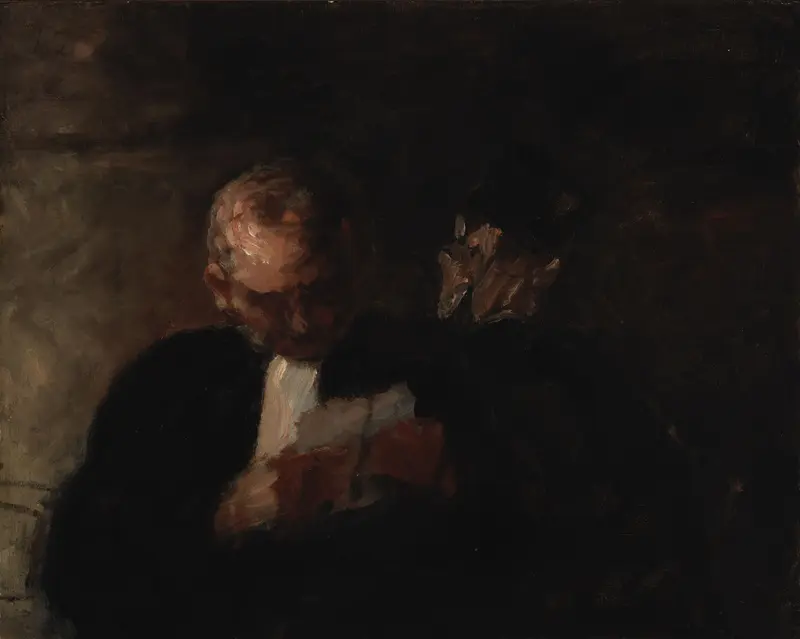
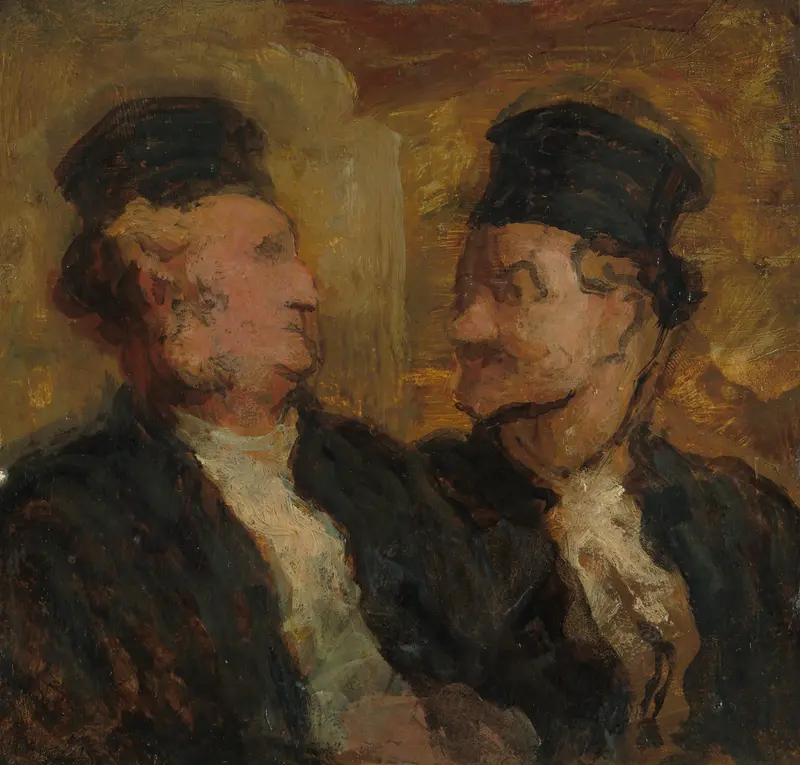
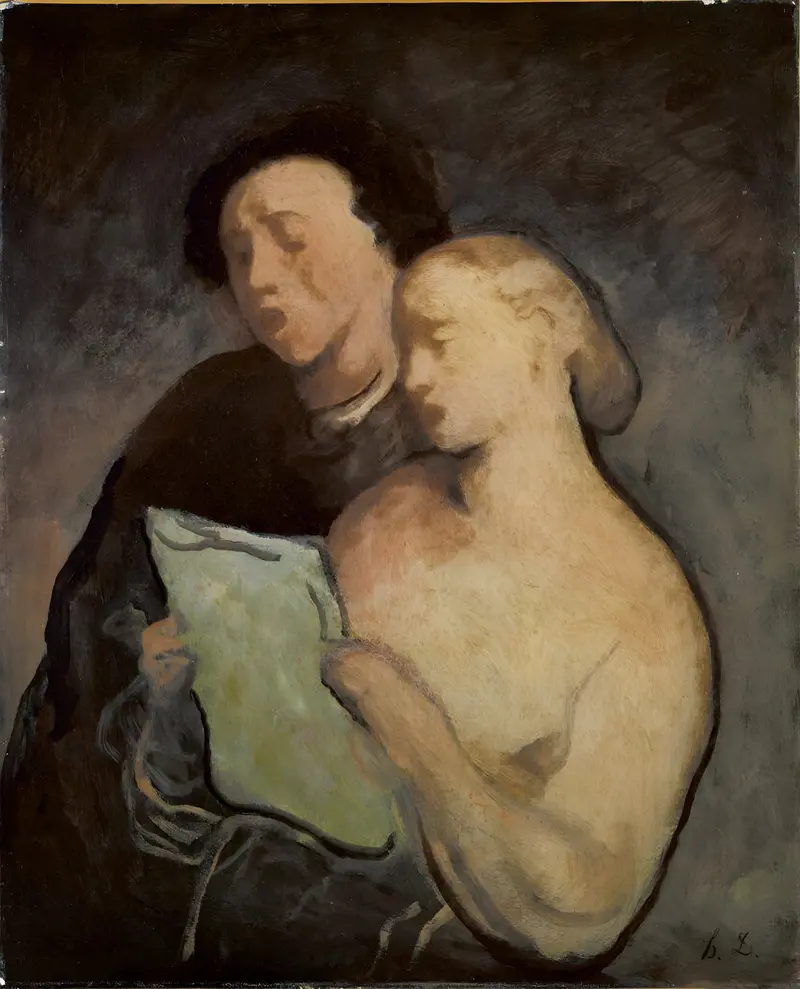
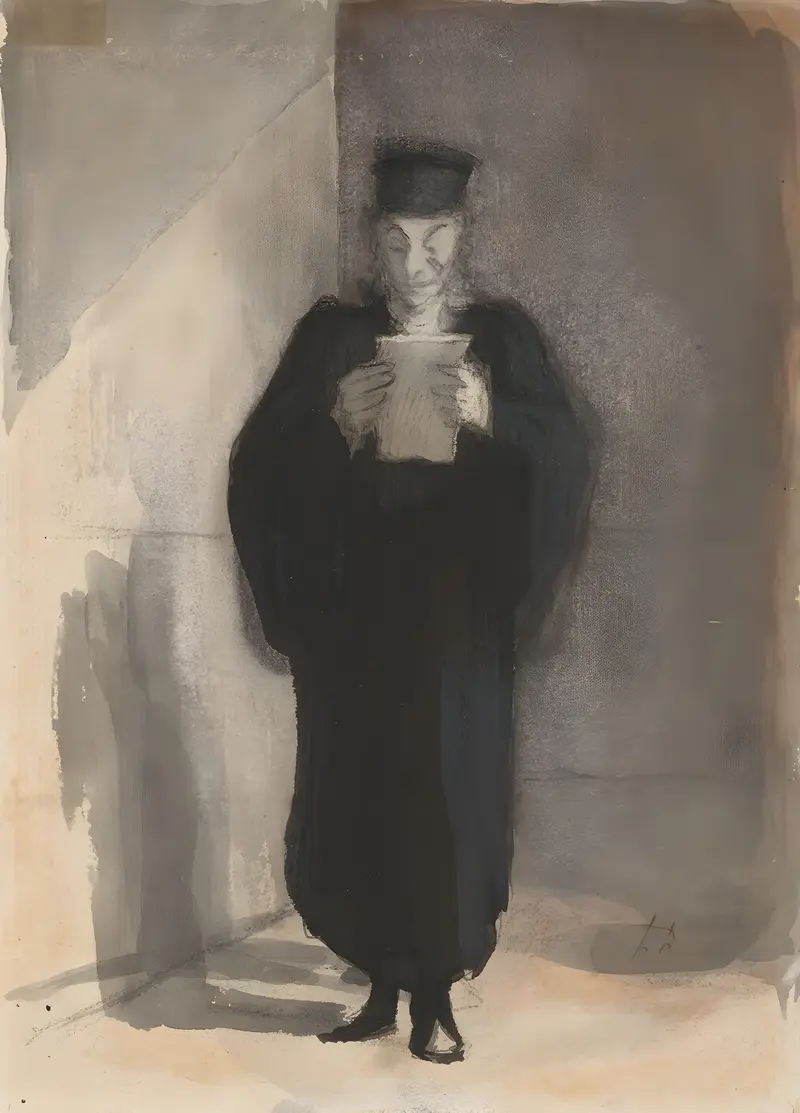
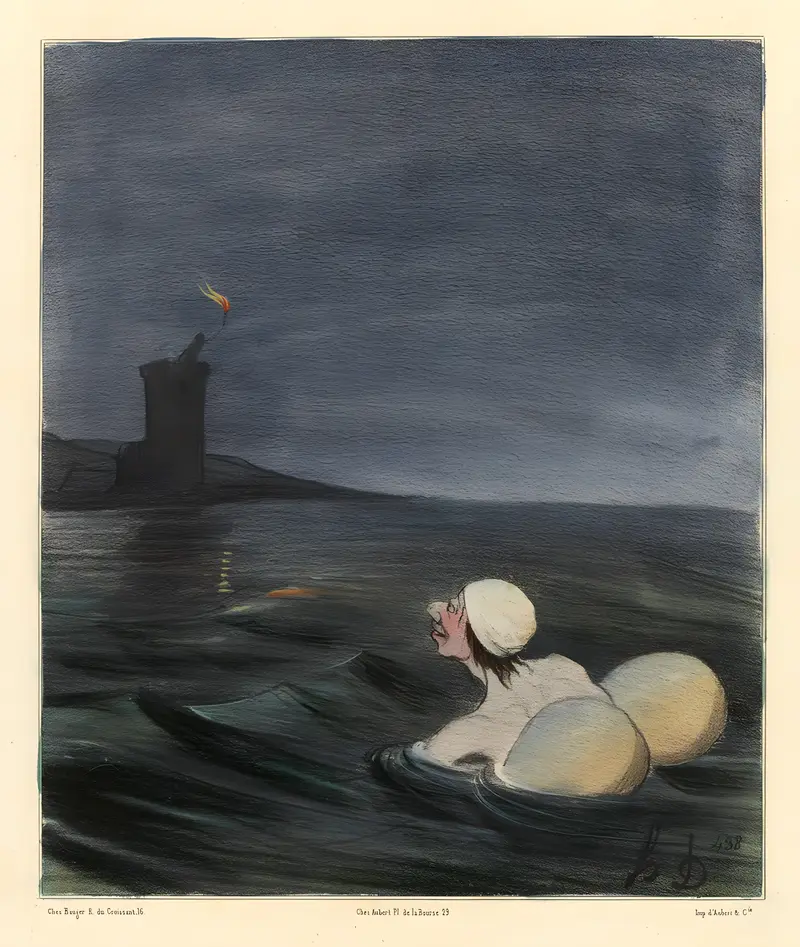
In False Position, Honoré Daumier presents a scene filled with rich colors and dramatic contrasts. The central figure, a man, appears to be in a precarious situation, surrounded by a chaotic environment. The use of dark tones juxtaposed with brighter highlights draws the viewer's attention to the man's expression of distress.
This setting reflects the social struggles of the time, capturing a moment of tension and uncertainty. The painting is executed in oil on canvas, showcasing Daumier's skill in blending realism with expressive detail. The figures are rendered with a focus on their emotional states, emphasizing the narrative quality of the work. Viewers can observe the meticulous brushwork that brings texture to the clothing and background.
This attention to detail enhances the overall impact of the scene, making it relatable and engaging. Honoré Daumier was a prominent figure in the Realism movement, known for his social commentary through art. False Position reflects his commitment to portraying the struggles of everyday people. An interesting fact about this work is that it serves as a critique of social and political issues of the 19th century, highlighting the plight of the working class.
Daumier's ability to convey complex emotions through simple scenes makes this piece significant in his oeuvre.