
Farms — History & Facts
The stillness of a landscape whispers secrets buried beneath the layers of earth and time. In the serene expanse of Farms, the quietude is palpable, a testament to the harmony between nature and human endeavor. Look to the foreground where gentle strokes of green blend seamlessly into the canvas, suggesting fields ripe for harvest. The horizon stretches wide, defining the vast sky, painted in soft blues and grays that evoke a sense of tranquility.
Notice how the muted color palette enhances the feeling of stillness, while the scattered farmhouses dotting the landscape anchor the viewer’s gaze, inviting contemplation of the lives within. The delicate interplay between light and shadow further emphasizes the silence, as the sun shyly peeks through clouds, casting a gentle glow on the earth below. Beneath the calm surface, this work holds deeper meanings. The contrast between the expansive sky and agricultural land hints at the fragility of rural life amidst nature's vastness.
The silence implies a solitude, as if the viewer is drawn into a moment of reflection or introspection. Each farmhouse stands as a silent witness, embodying the stories and struggles of those who have toiled the land, while the wide-open space invokes feelings of both freedom and isolation. Jan van Goyen painted Farms during a period marked by the burgeoning Dutch Golden Age, around 1633-34. Living in a time of great change, he was deeply influenced by the art movements surrounding him, embracing a focus on landscapes that conveyed both beauty and a sense of realism.
This period saw him refining his technique, using muted tones to evoke emotional depth, and developing a unique style that would become emblematic of Dutch landscape painting.
More Artworks by Jan van Goyen
Browse all →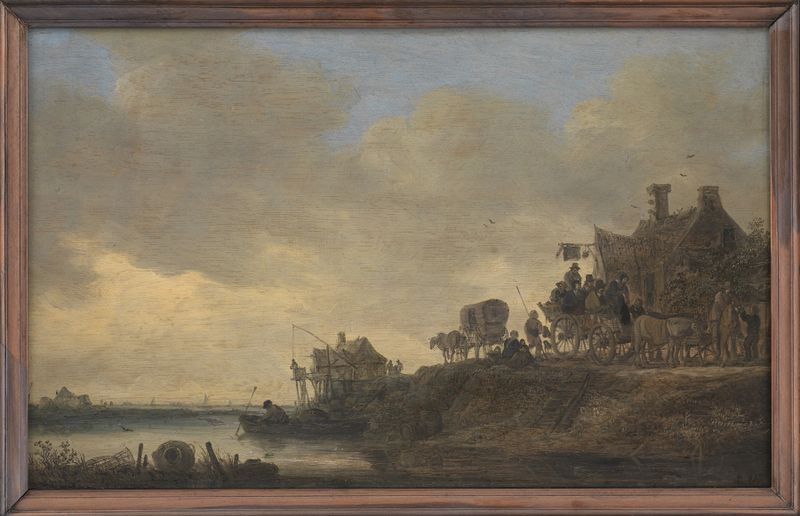
River Scene with the ‘Swan’ Tavern
Jan van Goyen

The Valkhof in Nijmegen
Jan van Goyen
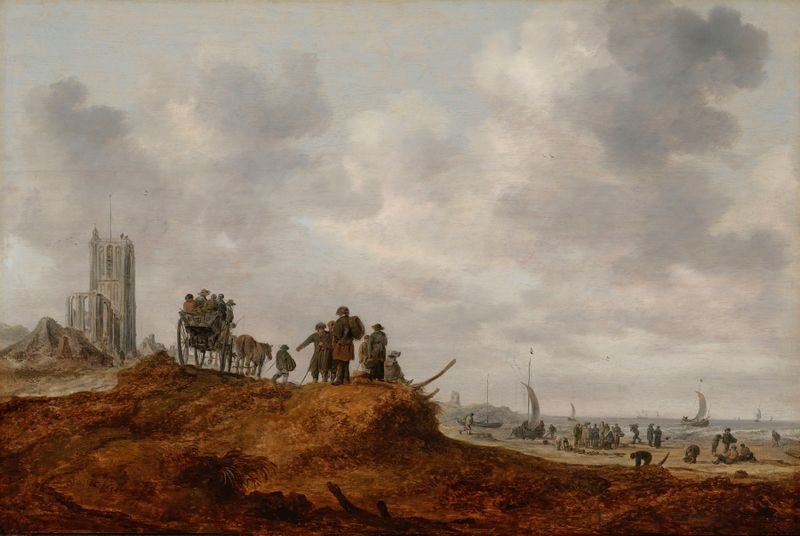
The Old Church at Egmond aan Zee
Jan van Goyen
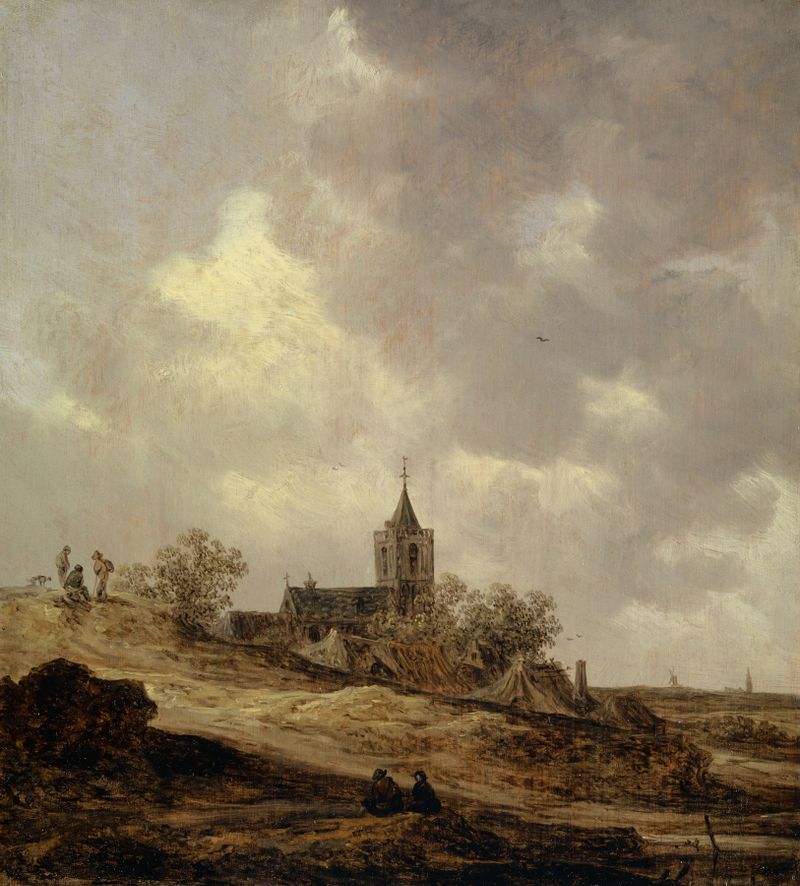
Village Church seen from the Dunes
Jan van Goyen
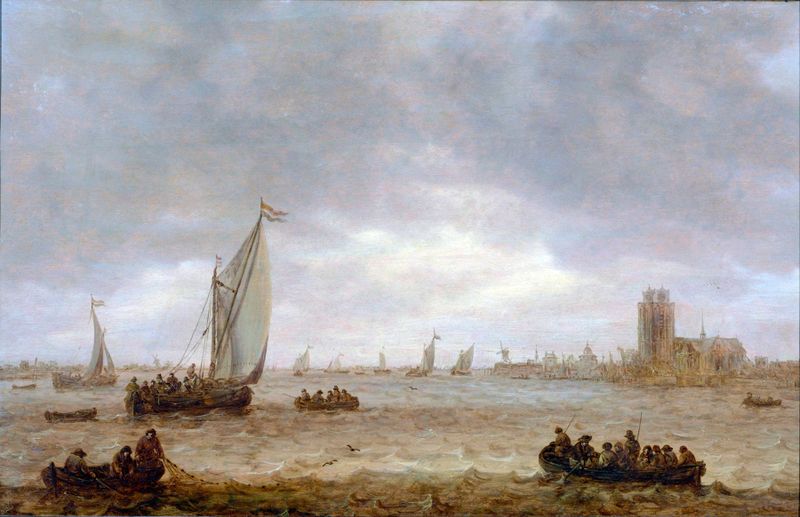
Mouth of the Meuse
Jan van Goyen

River Landscape with the Pellecussen Gate near Utrecht
Jan van Goyen
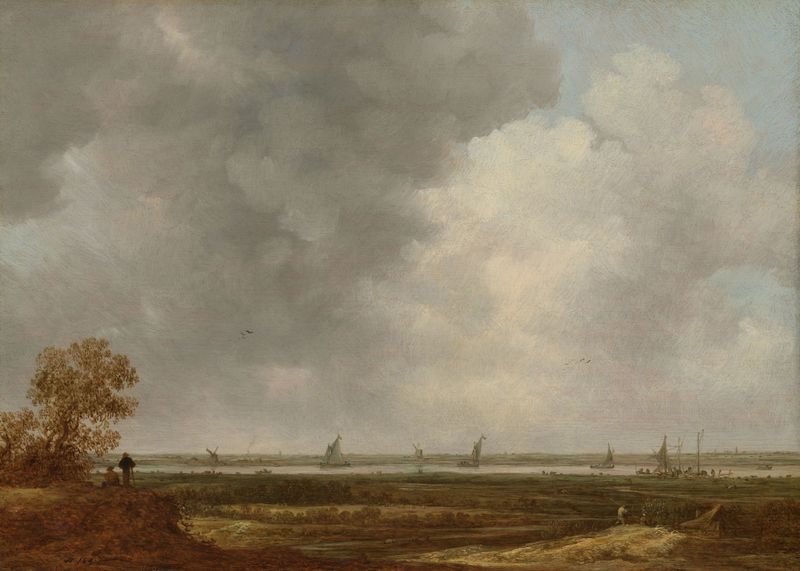
Panoramic View of a River with Low-lying Meadows
Jan van Goyen
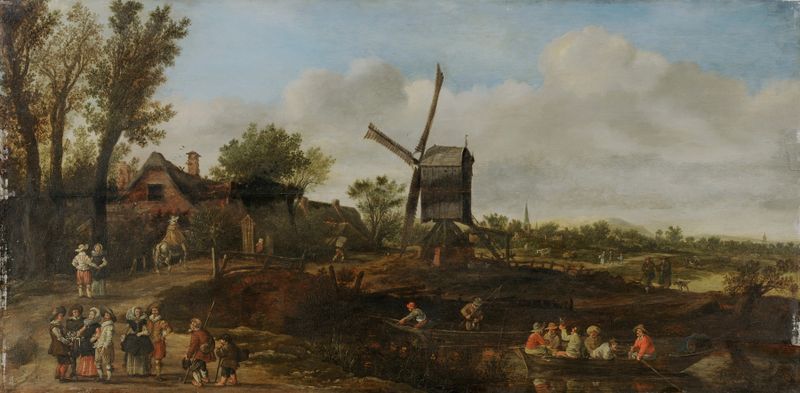
Dutch Landscape
Jan van Goyen
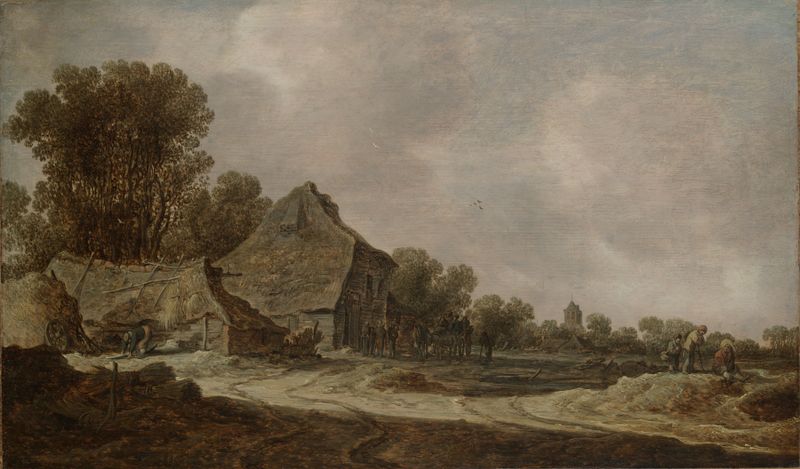
A Sandy Road with Thatched Cottages
Jan van Goyen
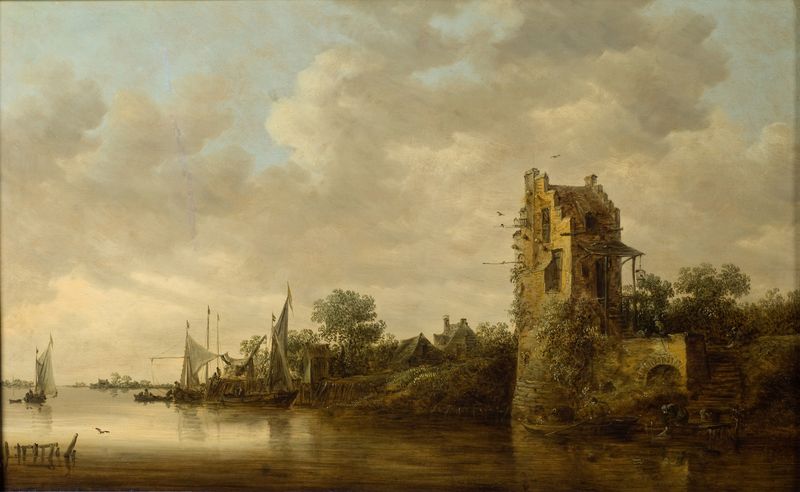
Riverside with an Old Tower
Jan van Goyen





