Febuary — History & Facts
In that fleeting moment between turmoil and tranquility, the colors of ecstasy swirl and intertwine, inviting the viewer to dive deeper into the essence of February. Look to the left at the bold strokes of crimson and deep indigo that intertwine like dancers in a passionate embrace. Notice how the artist employs varied textures, layering paint to breathe life into the canvas, creating a palpable energy that seems to pulse with emotion. The play of light and shadow pulls you toward the central figures, capturing a delicate balance between turmoil and harmony. In this work, the contrast between the vibrant hues and the somber undertones reveals a hidden narrative of yearning and hope.
The tumultuous brushwork suggests an internal struggle, while the moments of clarity in the composition hint at a fleeting joy. Each detail, from the swirling clouds overhead to the subtle expressions on the figures’ faces, deepens our understanding of the complexity of human emotion, particularly the ecstasy found in fleeting moments. Frederik Marinus Kruseman painted February in 1855 during a period marked by personal challenges and a shifting artistic landscape. He was living in the Netherlands, where romanticism was giving way to realism.
Kruseman sought to bridge these styles, expressing profound emotional states while grounding his work in the observable world, reflecting a time when artists were beginning to explore the depths of human experience and emotion through their work.
More Artworks by Frederik Marinus Kruseman
Browse all →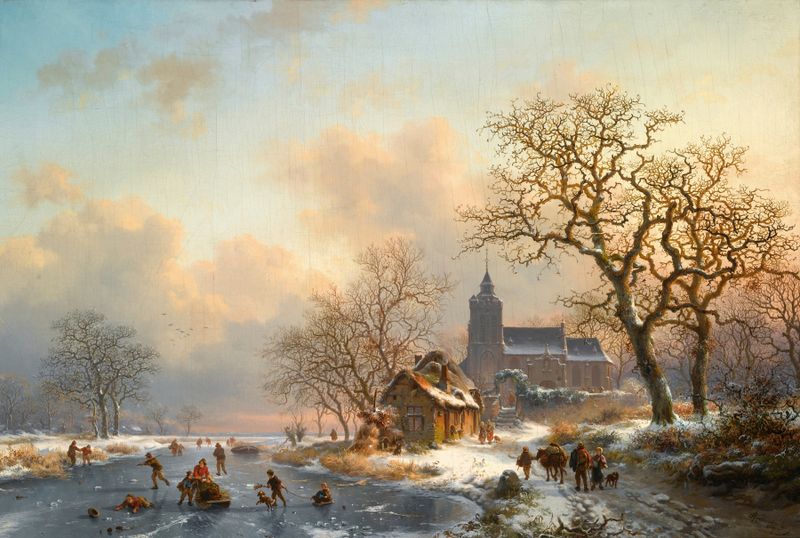
A Winter Landscape With Skaters On A Frozen River
Frederik Marinus Kruseman

Winter Landscape With Strollers And Skaters
Frederik Marinus Kruseman

Monk Meditating near a Ruin by Moonlight
Frederik Marinus Kruseman
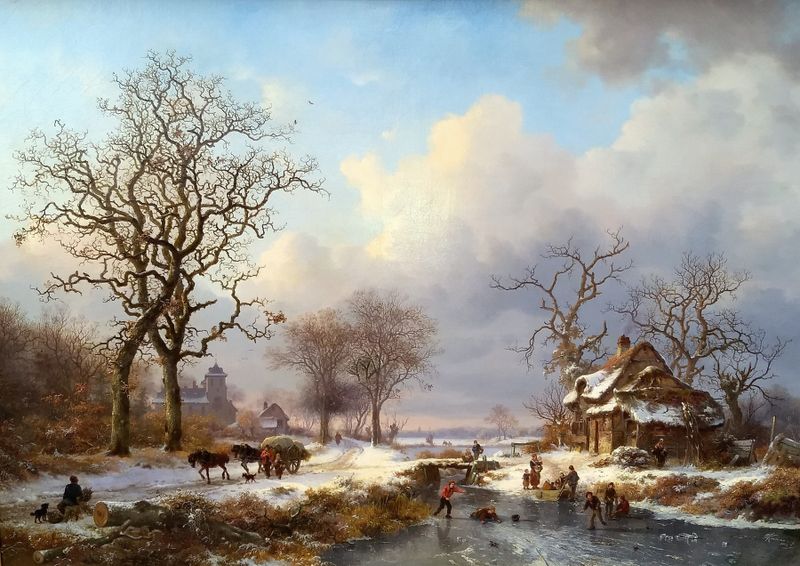
Dutch Winter Landscape with Skaters
Frederik Marinus Kruseman

Winter landscape with figures on a frozen river
Frederik Marinus Kruseman
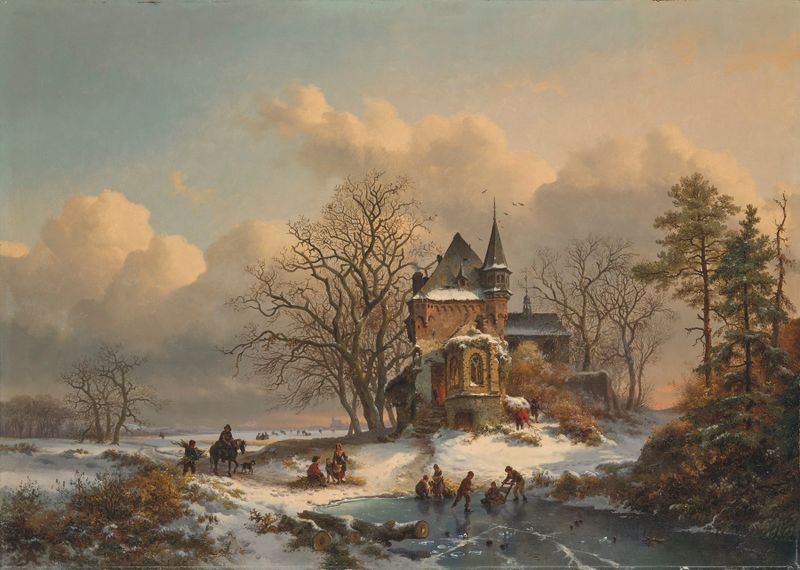
Winter landscape with skaters
Frederik Marinus Kruseman
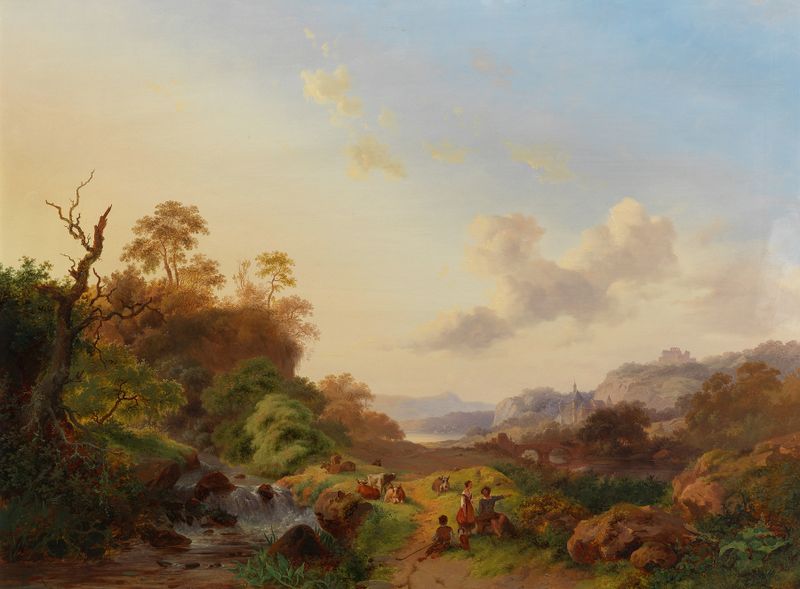
Summer landscape with figures and cattle near a waterfall
Frederik Marinus Kruseman
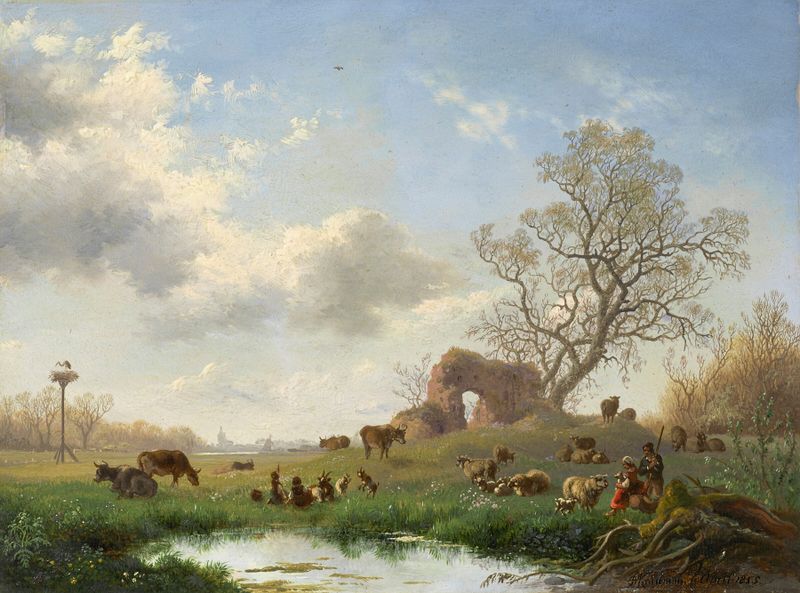
April
Frederik Marinus Kruseman
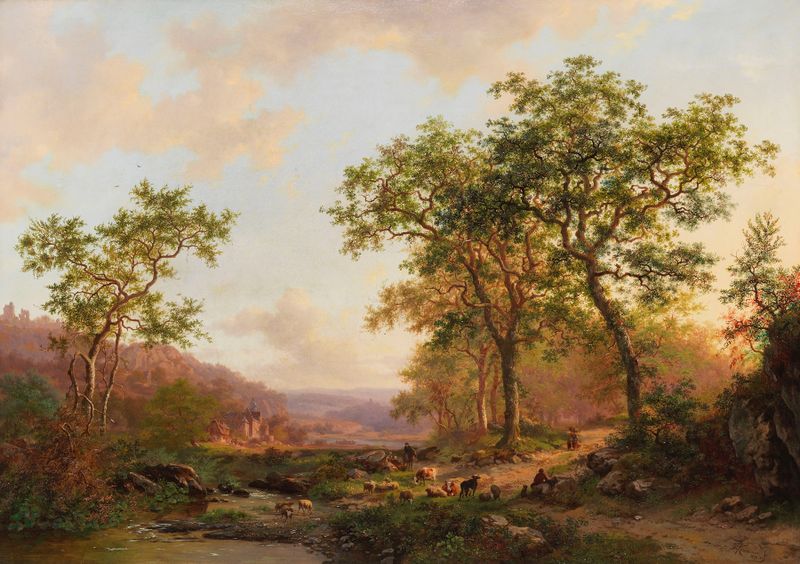
Weite Landschaft im Abendlicht
Frederik Marinus Kruseman
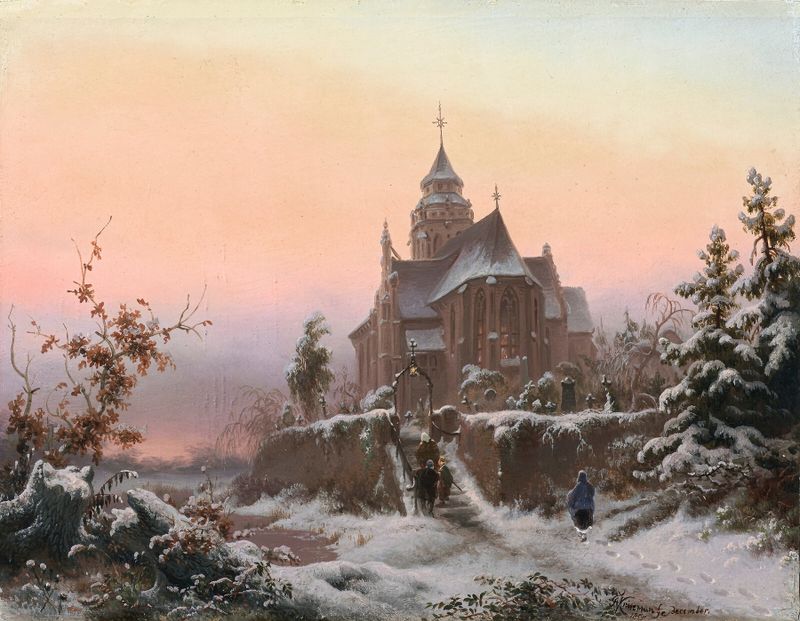
December
Frederik Marinus Kruseman