
Feet of Saint Sebastian? — History & Facts
When did color learn to lie? The rich hues of deep reds and earth tones invite the viewer to delve beneath their surface, intriguing and unsettling in equal measure. Here, truth and illusion entwine, beckoning contemplation about the nature of faith and representation. Look to the center of the canvas, where powerful limbs emerge — the feet of Saint Sebastian, bound and exposed. The artist has rendered the flesh with a tactility that invites touch, each toe delicately modeled in light and shadow.
Notice how the background recedes into obscurity, emphasizing the saint's suffering, while an ethereal glow bathes his feet in a haunting reverence, blurring the line between agony and sanctity. In this work, the contrast between the vibrant colors and the somber subject matter evokes a sense of duality. The juxtaposition of the vigorous reds against the muted earth tones symbolizes the tension between the vibrant life of the spirit and the mortal coil. Moreover, the positioning of the feet serves as a reminder of vulnerability amidst suffering, grounding the saint’s divine narrative in the raw reality of human experience. Created in 1485, this piece by an unidentified artist reflects the Renaissance's complex engagement with spirituality and human emotion.
At this time, artists were increasingly exploring themes of devotion, often intertwining them with the burgeoning humanistic ideals of the period. Within this context, the work illustrates both a devotion to traditional iconography and an emerging desire for personal, emotional engagement with the divine.
More Artworks by Unidentified artist
Browse all →
Self-portrait with a Bandaged Ear and Pipe
Unidentified artist

Feast in the House of Levi
Unidentified artist
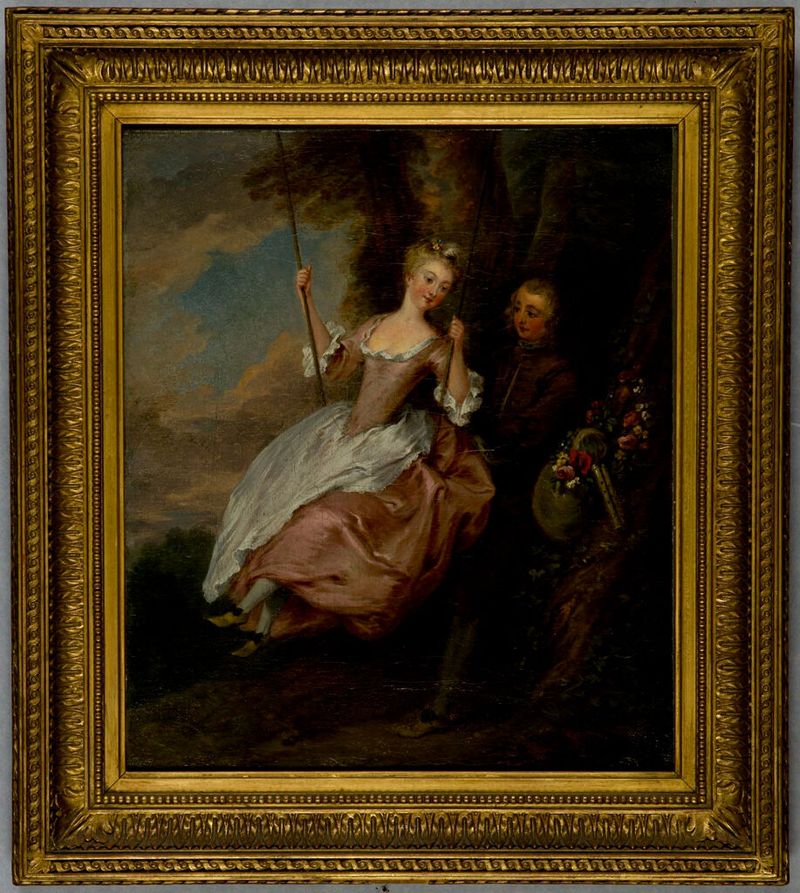
The Swing
Unidentified artist

Geoffrey Chaucer (1340?-1400)
Unidentified artist

Portrait of Michelangelo after the "Strozzi" original in the Uffizi Gallery
Unidentified artist
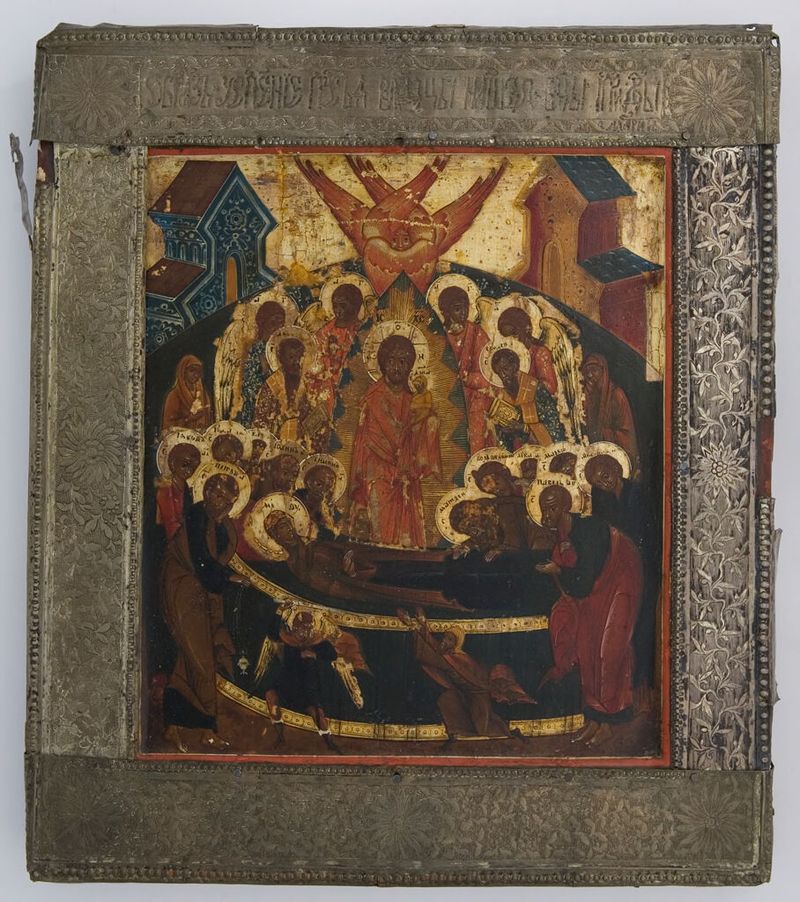
Dormition of the Virgin
Unidentified artist

Charles I (after a van Dyck painting in the Staatliche Museen, Gemaldegalerie, Dresden)
Unidentified artist

Madonna and Child
Unidentified artist

John Winthrop, the Younger (1606-1676)
Unidentified artist

Crucifix with the Virgin and Saint John the Evangelist, Christ the Redeemer, and a Praying Woman
Unidentified artist
More Religious Art
Browse all →
The Return of the Prodigal Son
Rembrandt van Rijn

The Garden of Earthly Delights
El Bosco

Count Orgaz’ funeral
El Greco

The Hundred Guilder Print: the central piece with Christ preaching, the plate arched
Rembrandt van Rijn

The Descent from the Cross
Rogier van der Weyden

The return of the prodigal son
Rembrandt van Rijn