Feldblumenstrauß — History & Facts
What secret hides in the quiet of the canvas? As life unfolds, it is the fleeting beauty of nature that beckons us to pause and reflect on our own mortality. Look to the center where a vibrant bouquet bursts forth with an array of wildflowers—daisies, cornflowers, and poppies—each petal painted with meticulous care. The technique reveals a tapestry of brushstrokes, blending hues of violet, gold, and azure, creating a luminous glow that dances across the canvas. Notice how the light falls upon the flowers, illuminating their delicate textures while casting gentle shadows, inviting the viewer’s eye to wander among the blossoms. Amidst this vibrant display lies a poignant contrast: the flowers, full of life and color, remind us of the ephemeral nature of existence.
Each bloom, at its peak, suggests a fleeting moment, hinting at the inevitability of decay. The stillness of the composition serves as a quiet meditation on beauty and transience, urging contemplation of our own experiences and the cycles of life that unfold around us. Created in 1906 during a period of artistic exploration in Vienna, the artist was immersed in the burgeoning movement of modernism, which focused on the emotional resonance of color and form. Amidst personal upheavals, Feldblumenstrauß emerged as a testament to both the artist’s technical prowess and a profound reflection on the nature of beauty, captured at a moment when cultural and artistic boundaries were beginning to blur.
More Artworks by Olga Wisinger-Florian
Browse all →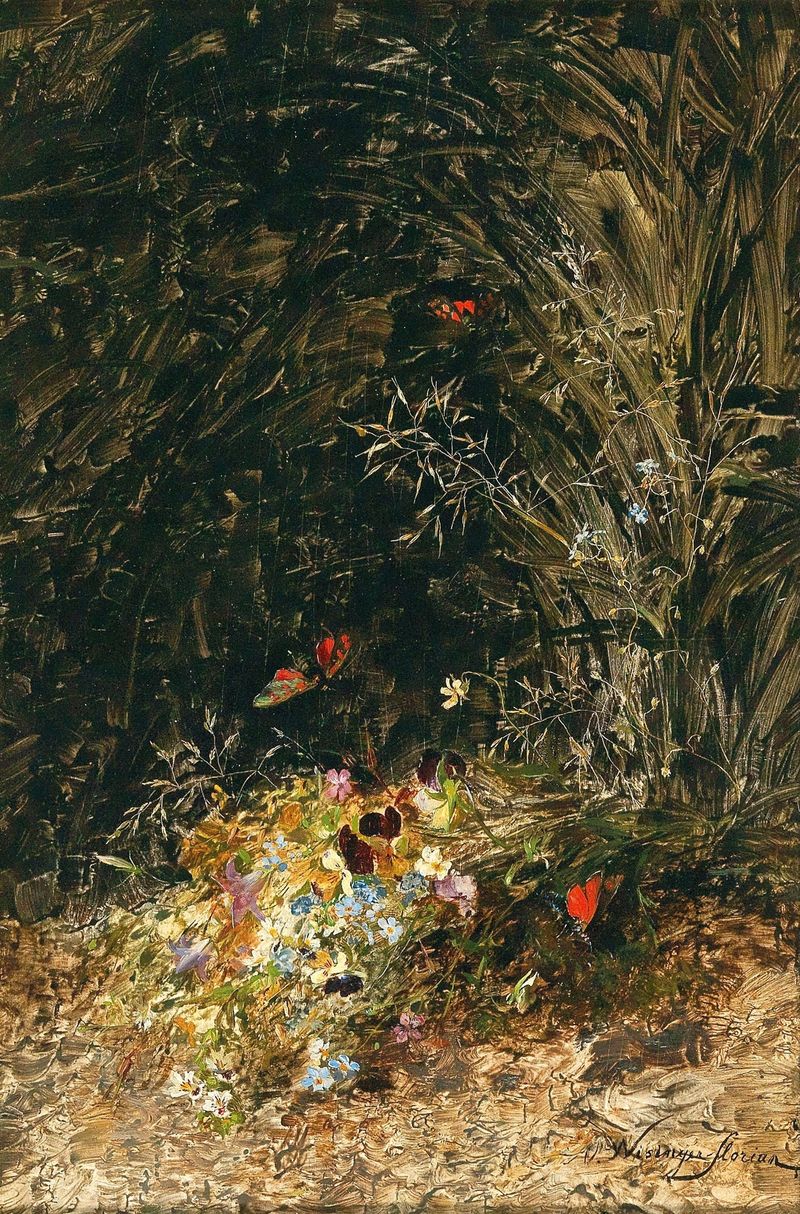
A bouquet of wildflowers
Olga Wisinger-Florian

Aulandschaft
Olga Wisinger-Florian

On the North Sea
Olga Wisinger-Florian
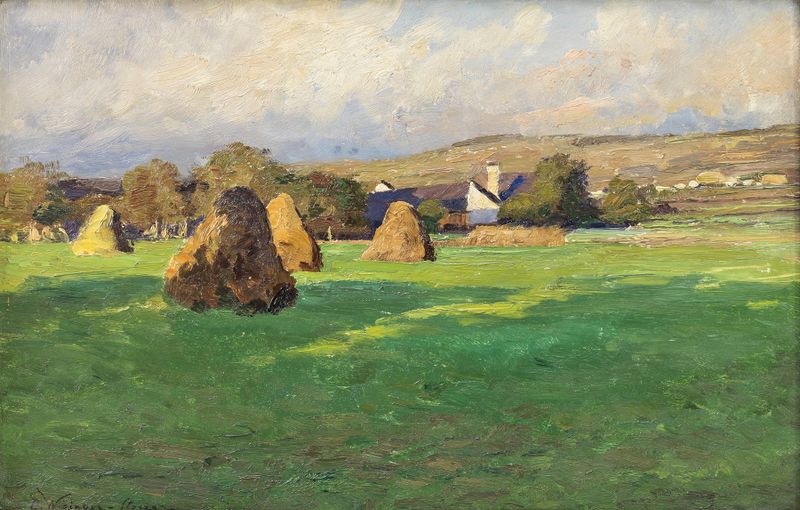
Abendliche Sommerlandschaft mit Strohmandeln
Olga Wisinger-Florian
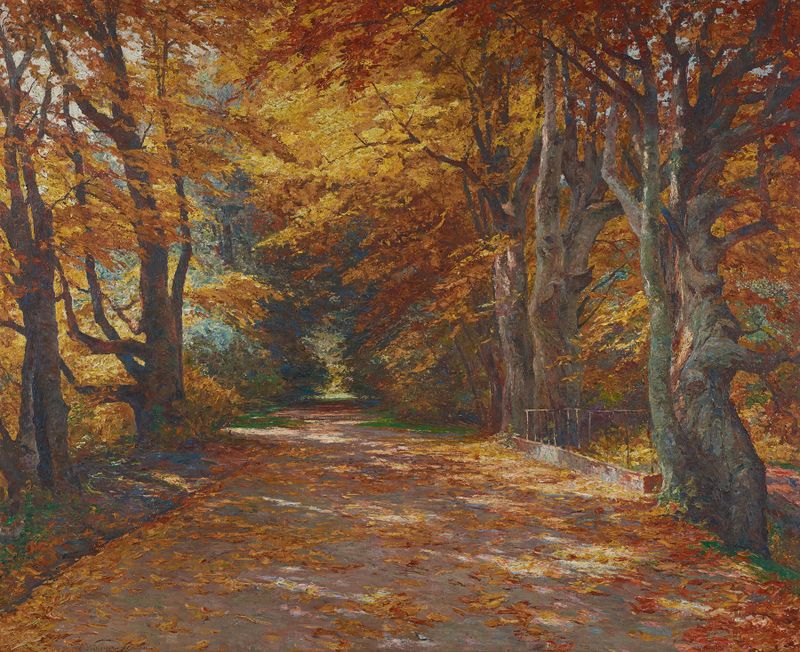
Praterallee im Herbst Herbstliche Allee
Olga Wisinger-Florian
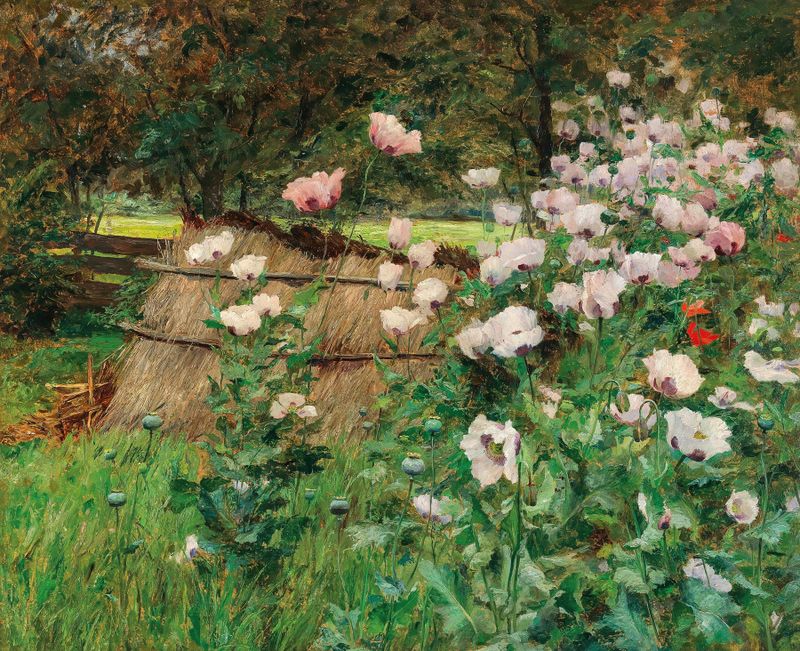
Im Bauerngarten
Olga Wisinger-Florian

Parklandschaft
Olga Wisinger-Florian
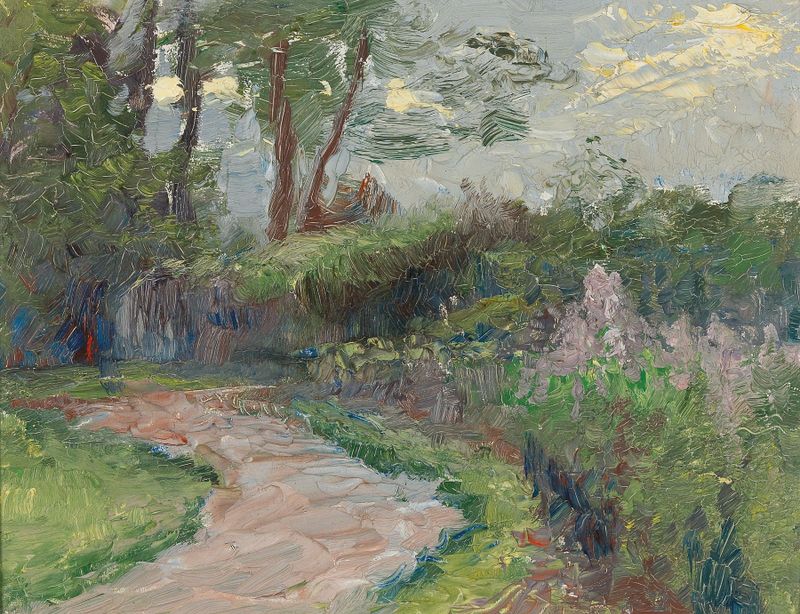
Path in the Park
Olga Wisinger-Florian

Abend
Olga Wisinger-Florian
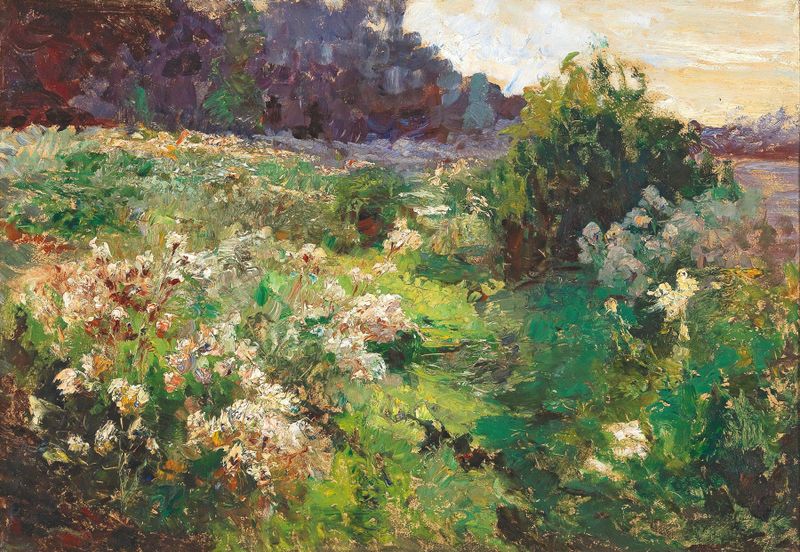
Meadow
Olga Wisinger-Florian