
Felsenküste — History & Facts
Can paint confess what words never could? In Felsenküste, the silence of nature speaks volumes, enveloping the viewer in a palpable sense of loss and longing. Look to the left at the jagged cliffs, their textures almost tactile against the soft palette of the sky. Notice how the muted shades of grey and blue blend seamlessly, creating a haunting backdrop that seems to echo the weight of unspoken sorrow. The brushstrokes, both deliberate and erratic, guide the eye across the surface, revealing a tumultuous relationship between land and sea.
The interplay of light and shadow plays a crucial role, drawing attention to the craggy formations that stand resilient yet vulnerable, embodying the very essence of grief. In the depths of this landscape lie contrasts that resonate deeply. The starkness of the cliffs counters the fluidity of the waves, suggesting a struggle between permanence and transience. The absence of human figures emphasizes isolation, inviting the viewer to reflect on their own experiences of absence, while the gentle ebb of the water whispers secrets of what has been lost.
Each element of the composition speaks to a larger narrative of longing, reminding us that nature, too, carries the weight of unexpressed emotions. Hans Wilt painted Felsenküste during a period of personal turmoil, where the echoes of the past deeply influenced his artistic voice. Created in the early 20th century, his work reflects the shifting tides of modern art, which was grappling with existential themes and a search for meaning in an increasingly fragmented world. Wilt's own life, marked by loss and introspection, resonates throughout this piece, encapsulating a universal experience that transcends time.
More Artworks by Hans Wilt
Browse all →
Die Salzach bei Hallein
Hans Wilt

Blick auf die Salzburger Altstadt von der Nonnbergstiege
Hans Wilt

Frühling im Wienerwald
Hans Wilt
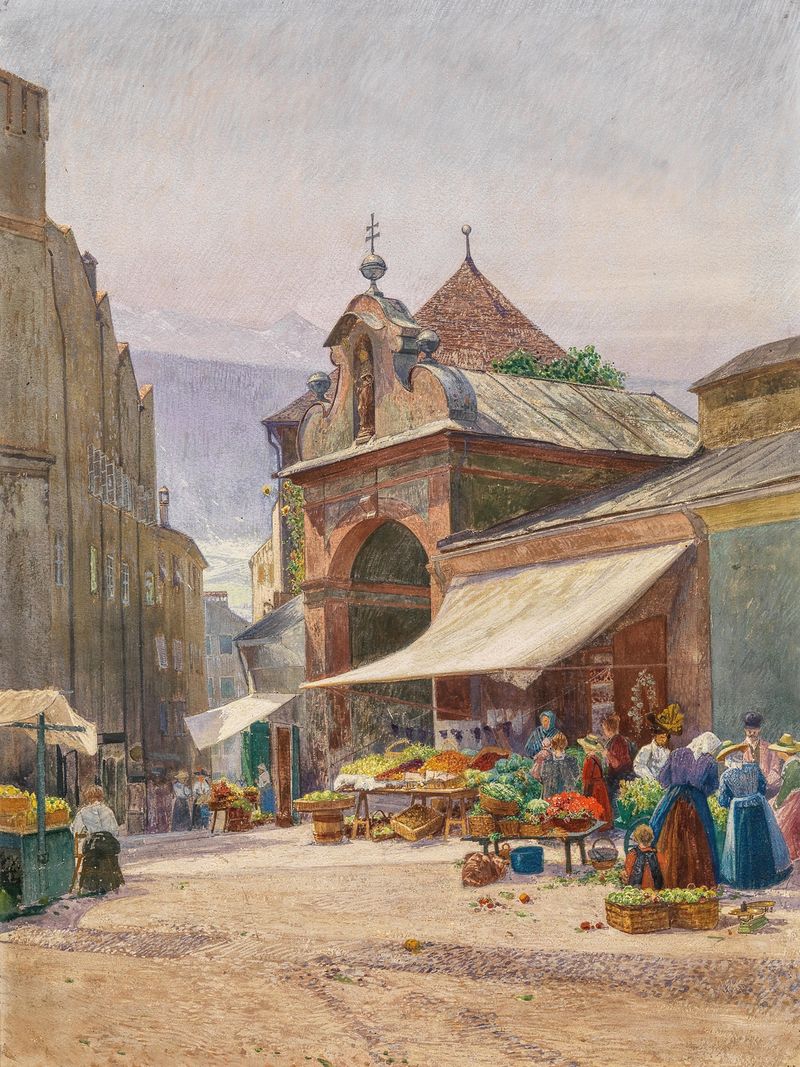
Markt in Hall
Hans Wilt
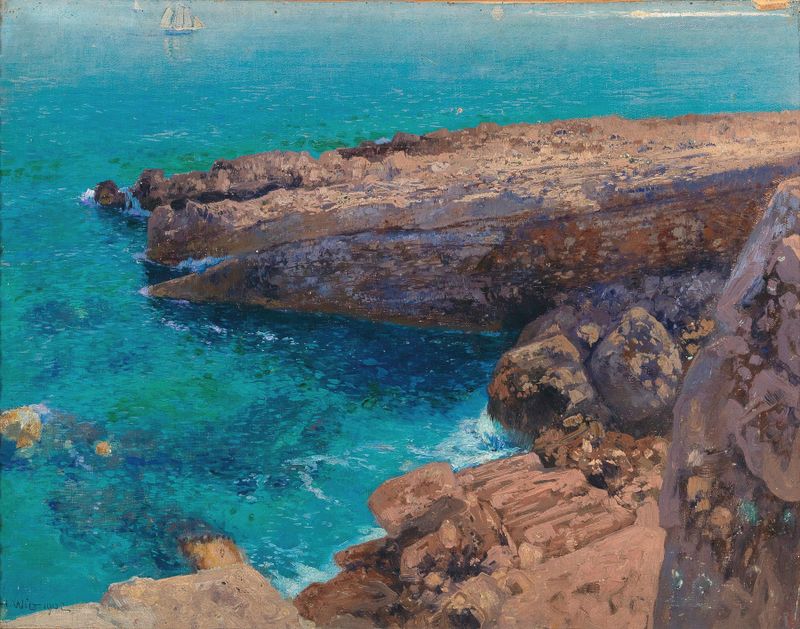
A rocky coast, in the background a sailing boat
Hans Wilt
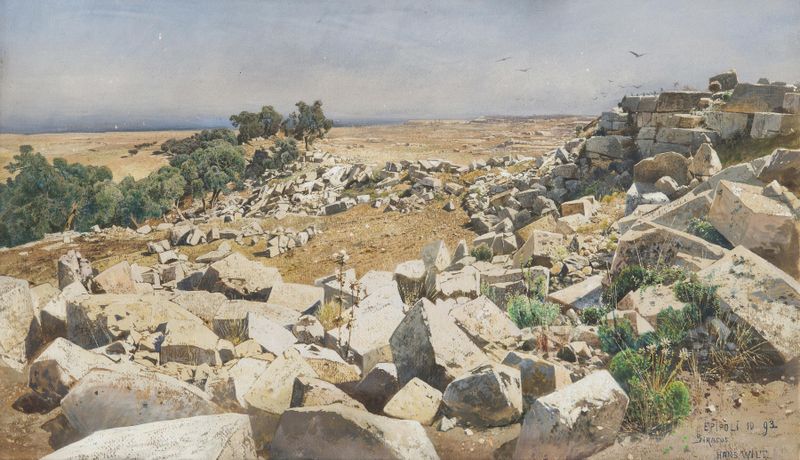
A Motif from the Syracuse Vicinity
Hans Wilt
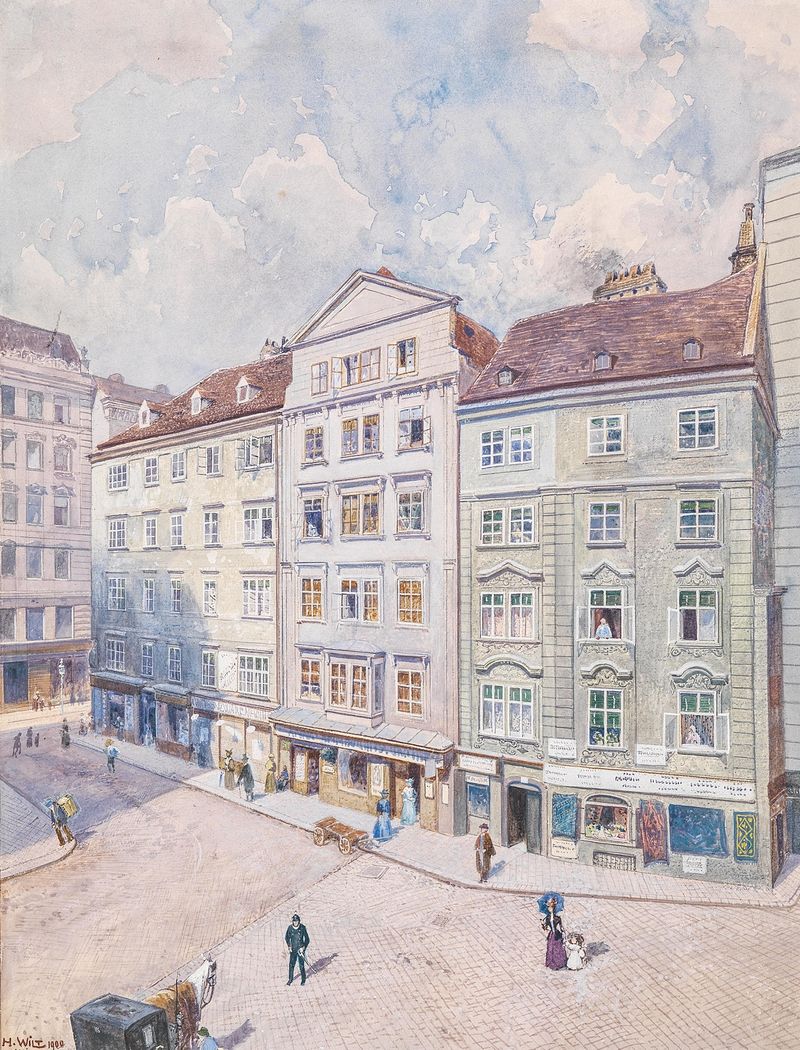
Wiener Häuserfront
Hans Wilt

Morgenstimmung im Hafen von Lussin
Hans Wilt
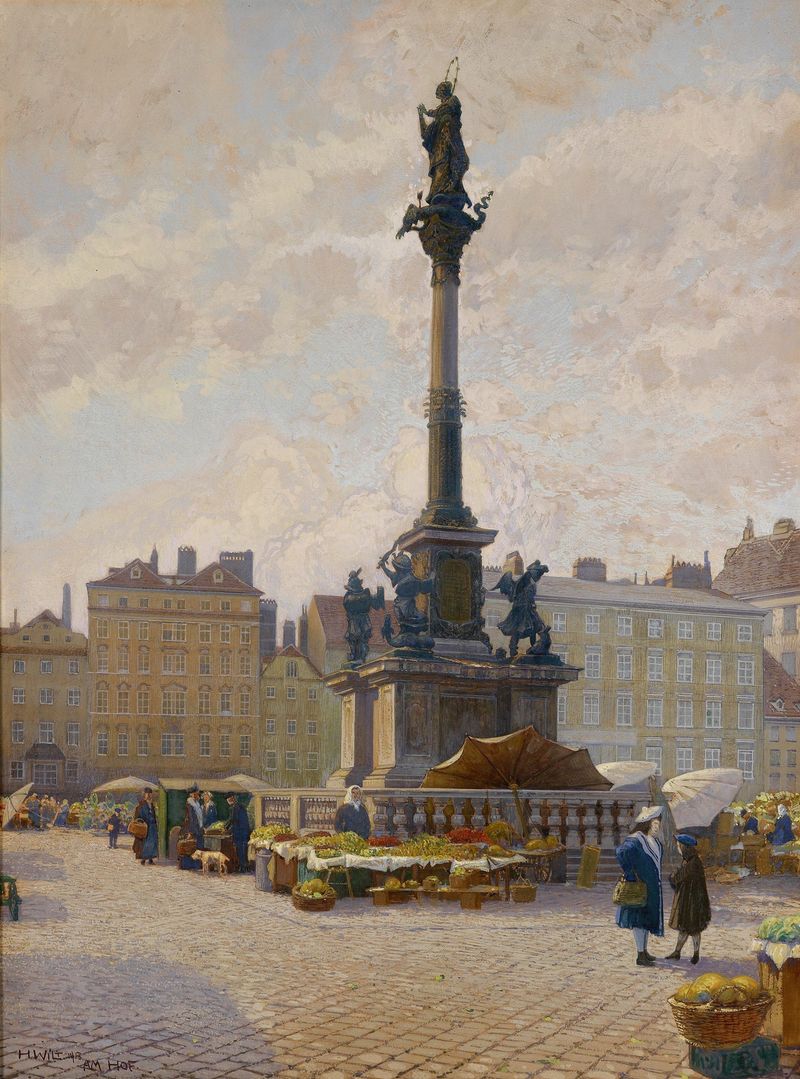
Blumenmarkt Am Hof
Hans Wilt
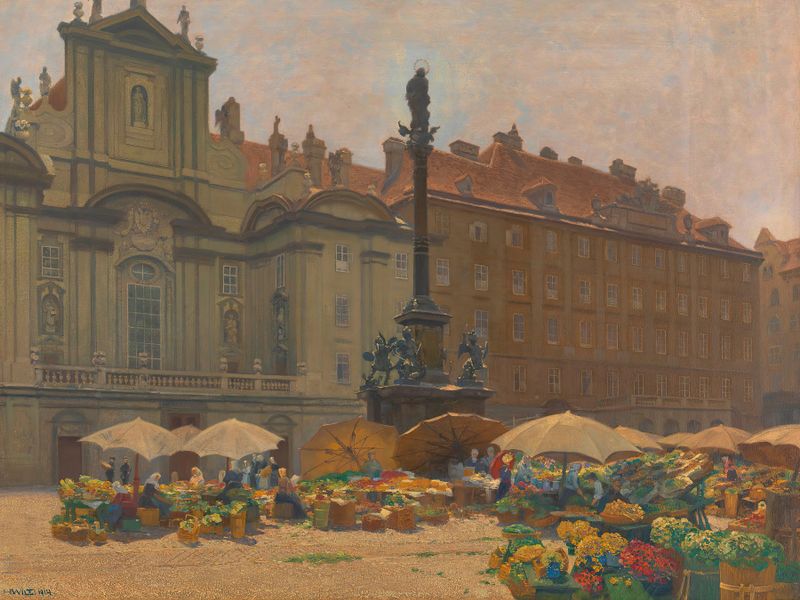
Am Hof (Kirche, Kriegsministerium und Mariensäule mit Blumenmarkt )
Hans Wilt





