Blumenmarkt Am Hof — History & Facts
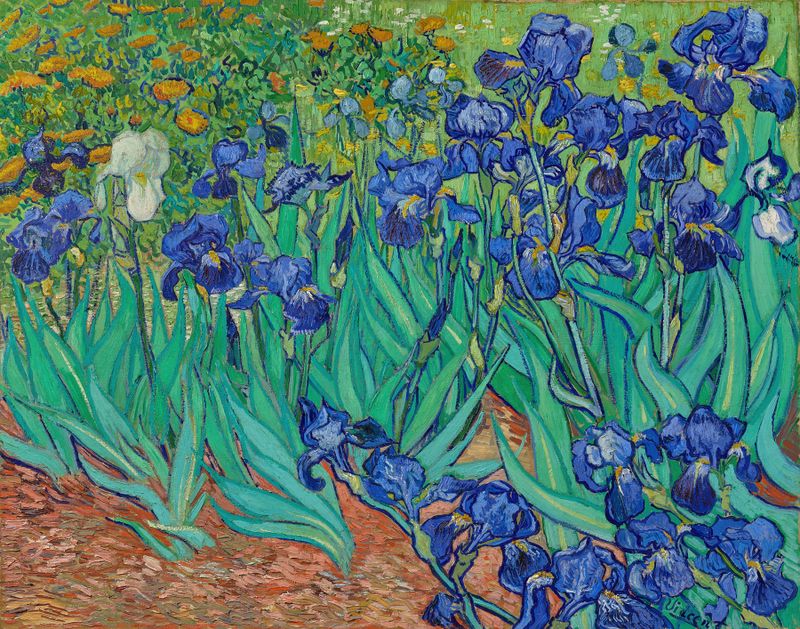
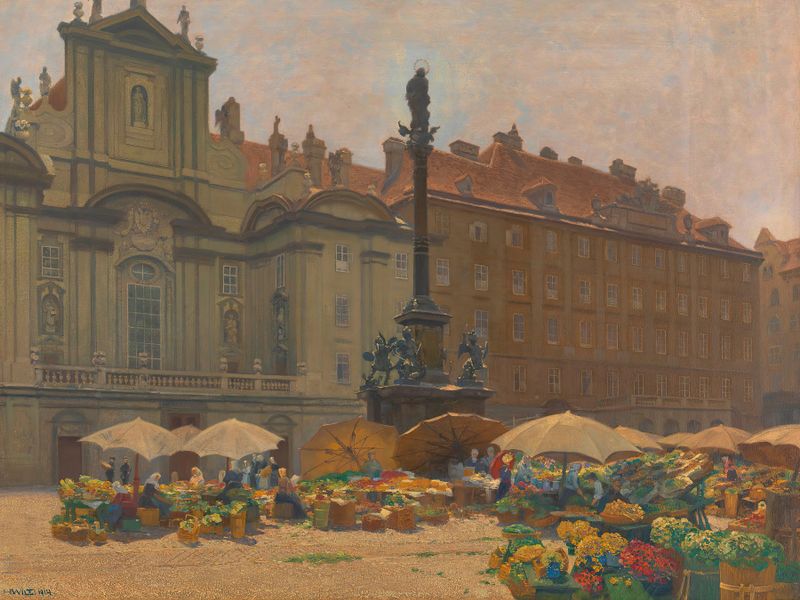
In the delicate interplay of beauty and decay, we find a reflection of our own fleeting existence. Look closely at the vibrant blooms that dominate the canvas, each petal painted with meticulous brushstrokes. Notice how the flowers burst forth in a riot of color against the muted backdrop, almost as if vying for attention in a world where their beauty is ephemeral. The careful arrangement of the flora draws the eye, leading us to the market scene, where a sense of vibrancy clashes with an undercurrent of melancholy. Delve deeper into the painted details — the wilting petals that hint at impermanence, the shadows creeping at the edges of the vibrant display.
They speak to the passage of time, reminding us that even the most beautiful moments are tinged with decay. The juxtaposition of fresh blooms against signs of fading life encapsulates a tension that resonates with viewers, prompting reflections on the cycles of life and the inevitability of change. In 1913, Hans Wilt painted this work during a time of turmoil in Europe, on the cusp of the Great War. His surroundings were filled with the burgeoning modernity of the early 20th century, yet, amid the chaos, he focused on the intimate and the transient.
The art scene was evolving rapidly, but as Wilt captured the essence of this market, he also explored the themes of decay and the fleeting nature of beauty, foreshadowing the tumult that lay ahead.
More Artworks by Hans Wilt
Browse all →
Die Salzach bei Hallein
Hans Wilt

Felsenküste
Hans Wilt

Blick auf die Salzburger Altstadt von der Nonnbergstiege
Hans Wilt

Frühling im Wienerwald
Hans Wilt
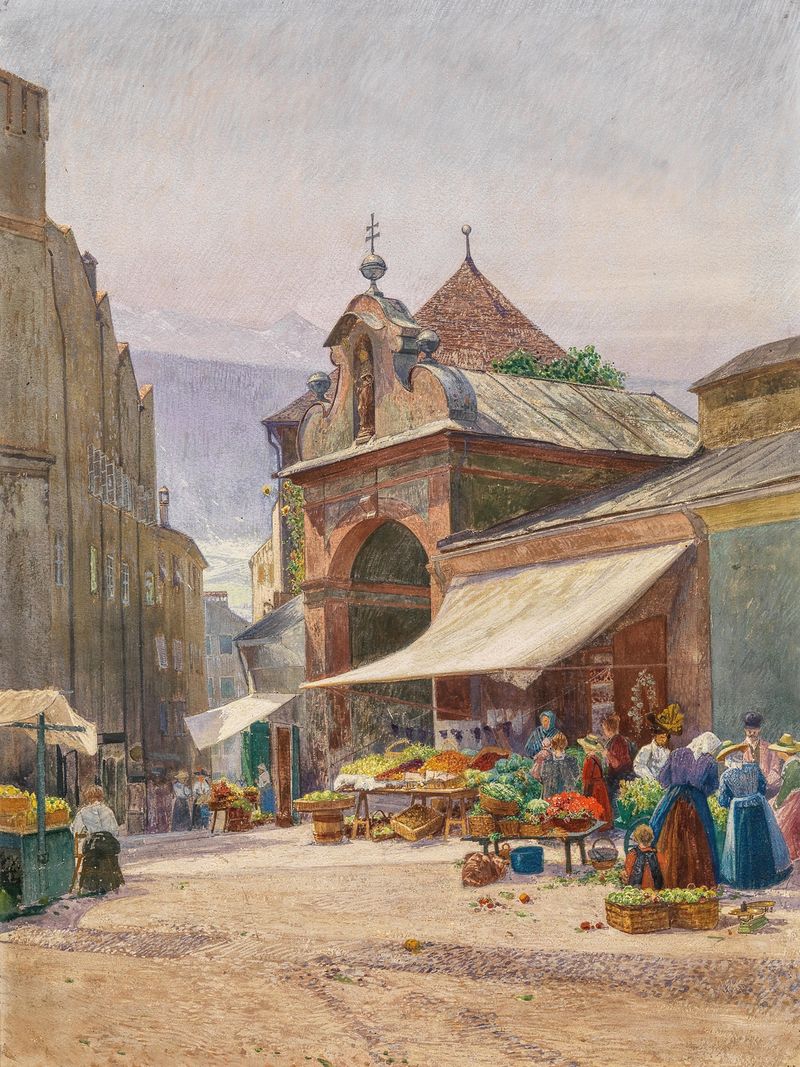
Markt in Hall
Hans Wilt

A rocky coast, in the background a sailing boat
Hans Wilt
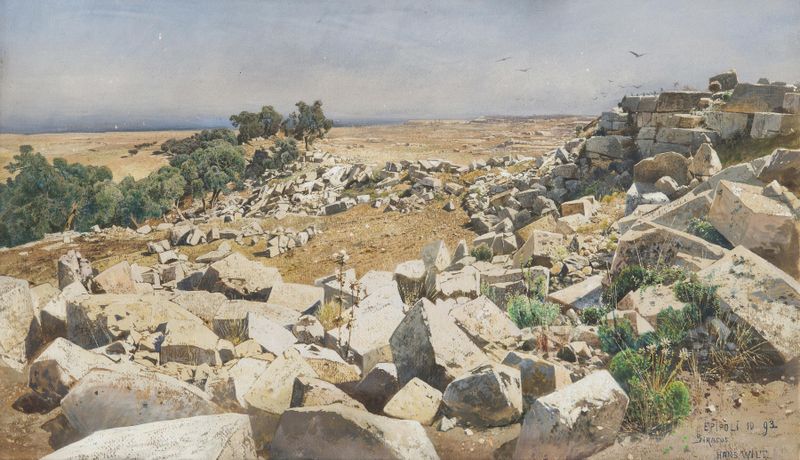
A Motif from the Syracuse Vicinity
Hans Wilt
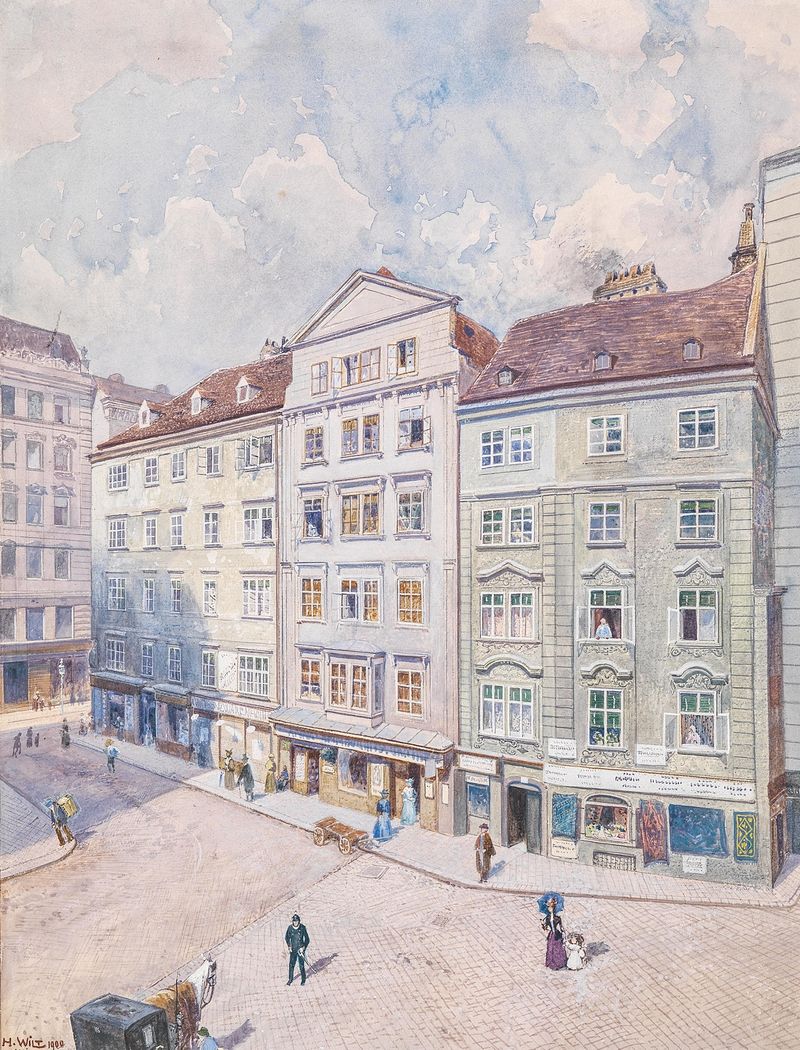
Wiener Häuserfront
Hans Wilt

Morgenstimmung im Hafen von Lussin
Hans Wilt
Am Hof (Kirche, Kriegsministerium und Mariensäule mit Blumenmarkt )
Hans Wilt