
Wiener Häuserfront — History & Facts
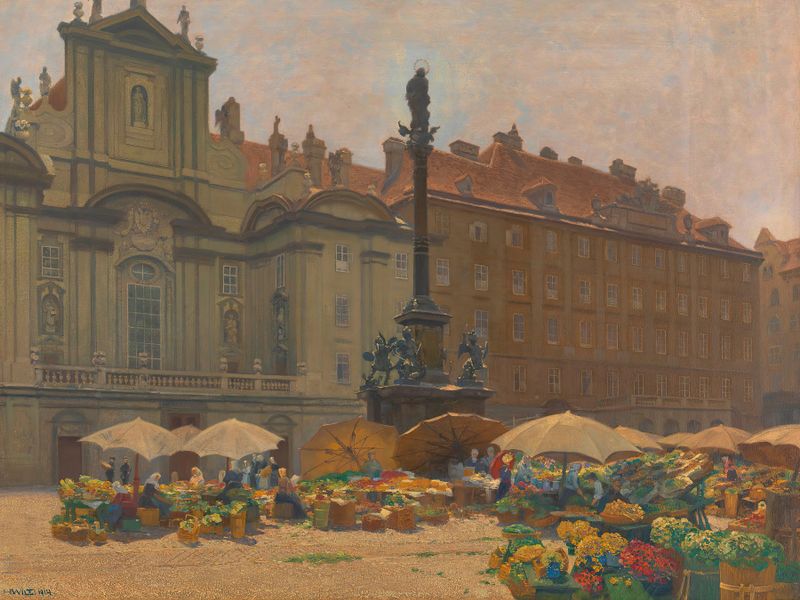
In the stillness of a bustling city, there lies an unspoken void that captures the essence of human existence. The absence of vibrancy invites us to look deeper, to confront the spaces between what is seen and what is felt. Focus first on the elegant facade that dominates the canvas, a symphony of muted earth tones invoking a sense of historical weight. The rhythmic arrangement of windows and balconies draws the eye upward, suggesting stories untold.
Notice how the light dances upon the surfaces, illuminating a texture that feels both inviting and distant. The deliberate brushstrokes create a sense of quiet reflection, emphasizing the architectural details while leaving the surrounding air heavy with contemplation. Within this structured beauty, there lies an emotional tension, a contrast between the solidity of the building and the ephemeral nature of life itself. The voids between windows suggest absence—moments untouched by the passage of time or human presence.
This juxtaposition resonates with the viewer, prompting introspection on isolation and connectivity in urban life. Here, architecture becomes a metaphor for the human condition: grand yet lonely. Hans Wilt produced Wiener Häuserfront at the turn of the century, a time marked by rapid urbanization and artistic experimentation in Vienna. The canvas reflects both the architectural beauty of the city and hints at the burgeoning movements in modern art.
As society grappled with change, Wilt's work stands as a quiet commentary on the relationship between the built environment and the soul of its inhabitants.
More Artworks by Hans Wilt
Browse all →
Die Salzach bei Hallein
Hans Wilt

Felsenküste
Hans Wilt

Blick auf die Salzburger Altstadt von der Nonnbergstiege
Hans Wilt

Frühling im Wienerwald
Hans Wilt
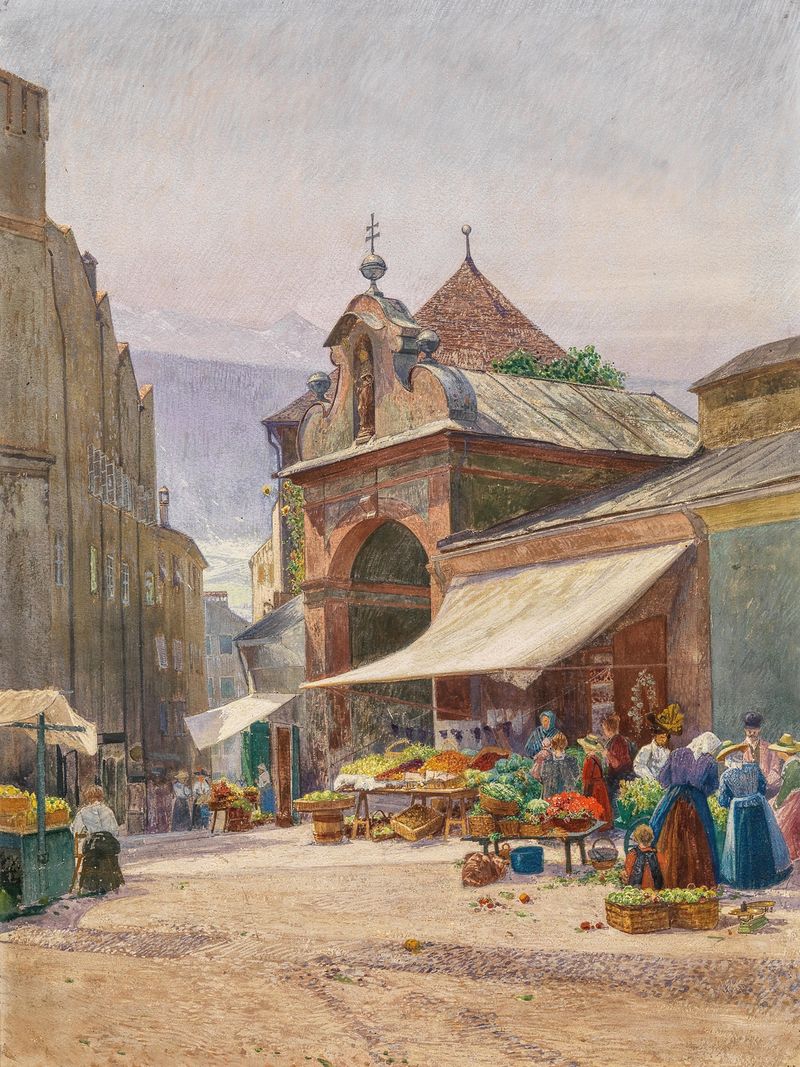
Markt in Hall
Hans Wilt
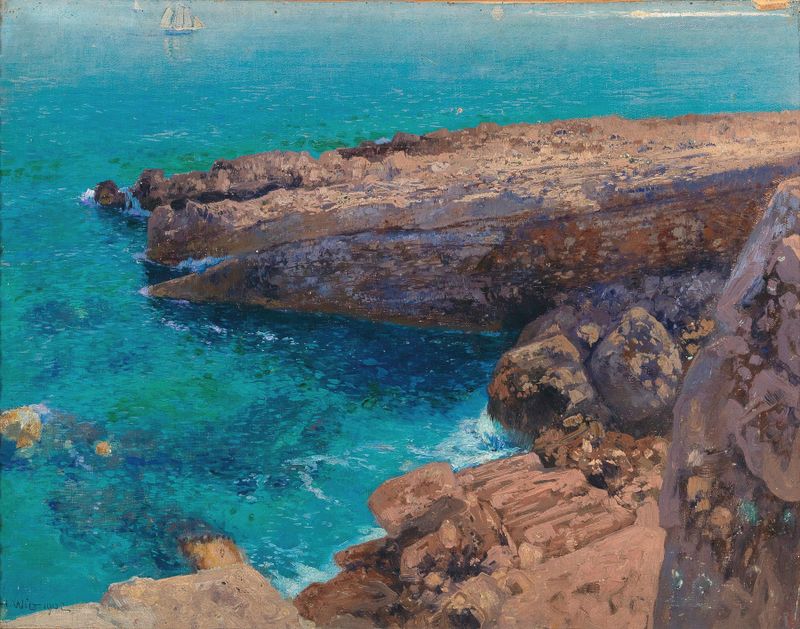
A rocky coast, in the background a sailing boat
Hans Wilt
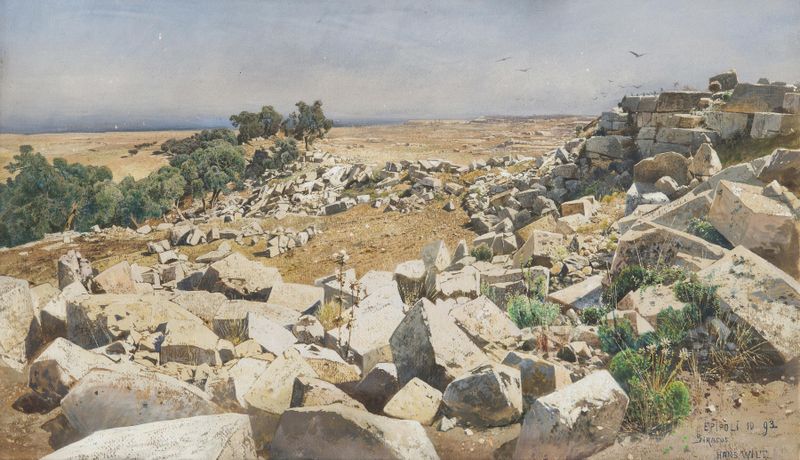
A Motif from the Syracuse Vicinity
Hans Wilt

Morgenstimmung im Hafen von Lussin
Hans Wilt
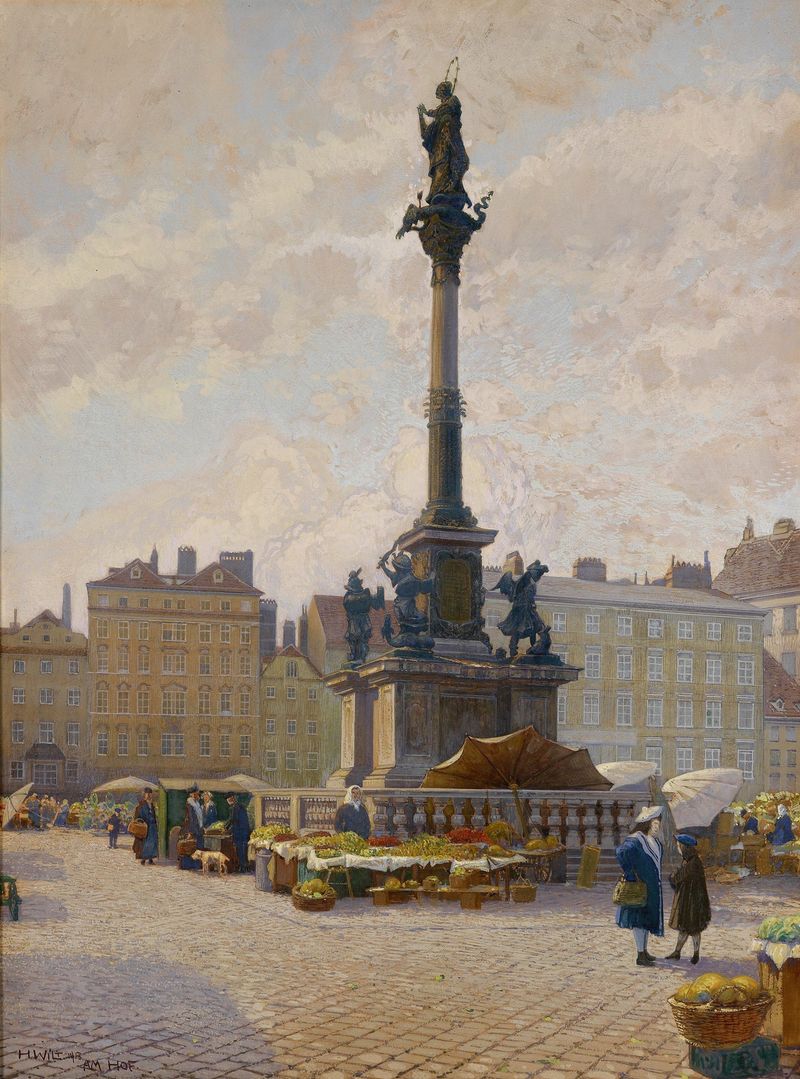
Blumenmarkt Am Hof
Hans Wilt
Am Hof (Kirche, Kriegsministerium und Mariensäule mit Blumenmarkt )
Hans Wilt
More Architecture Art
Browse all →
The statue of Liberty
Frédéric Auguste Bartholdi

View of Houses in Delft, Known as ‘The Little Street’
Johannes Vermeer

View of Houses in Delft, Known as ‘The Little Street’
Johannes Vermeer

The Cathedral in Rouen. The portal, Grey Weather
Claude Monet

The yellow house
Vincent van Gogh

The Church in Auvers-sur-Oise, View from the Chevet
Vincent van Gogh