
Frühling im Wienerwald — History & Facts
What if silence could speak through light? In Hans Wilt's Frühling im Wienerwald, the interplay between nature and tranquility invites a reflective pause, urging us to contemplate beauty in its purest form. Focus on the vivid greens that dominate the canvas, drawing your eye first to the lush foliage that seems to whisper secrets of the forest. Notice how the dappled sunlight filters through the leaves, casting ethereal patterns on the forest floor. Wilt's delicate brushstrokes create a harmonious blend, evoking the serene rustling of trees and the gentle caress of a spring breeze, thus inviting the viewer into a moment of stillness. The painting embodies a sense of renewal, symbolized by the vibrant blooms that peek through the greenery, hinting at the cycle of life.
Yet, the juxtaposition of vivid color against shadow speaks to the ephemeral nature of beauty and existence. Each element, from the soaring trees to the delicate flowers, evokes a tension between the joy of spring and the inevitable passage of time, allowing viewers to reflect on their own connections to nature and beauty. In 1909, Wilt painted this piece during a period marked by artistic experimentation in Vienna, as the city was at the forefront of the secessionist movement. Amidst personal and professional transitions, he sought to encapsulate the essence of the natural world, capturing the delicate balance between light and shadow, life and silence in this lyrical homage to the Wienerwald.
More Artworks by Hans Wilt
Browse all →
Die Salzach bei Hallein
Hans Wilt

Felsenküste
Hans Wilt

Blick auf die Salzburger Altstadt von der Nonnbergstiege
Hans Wilt
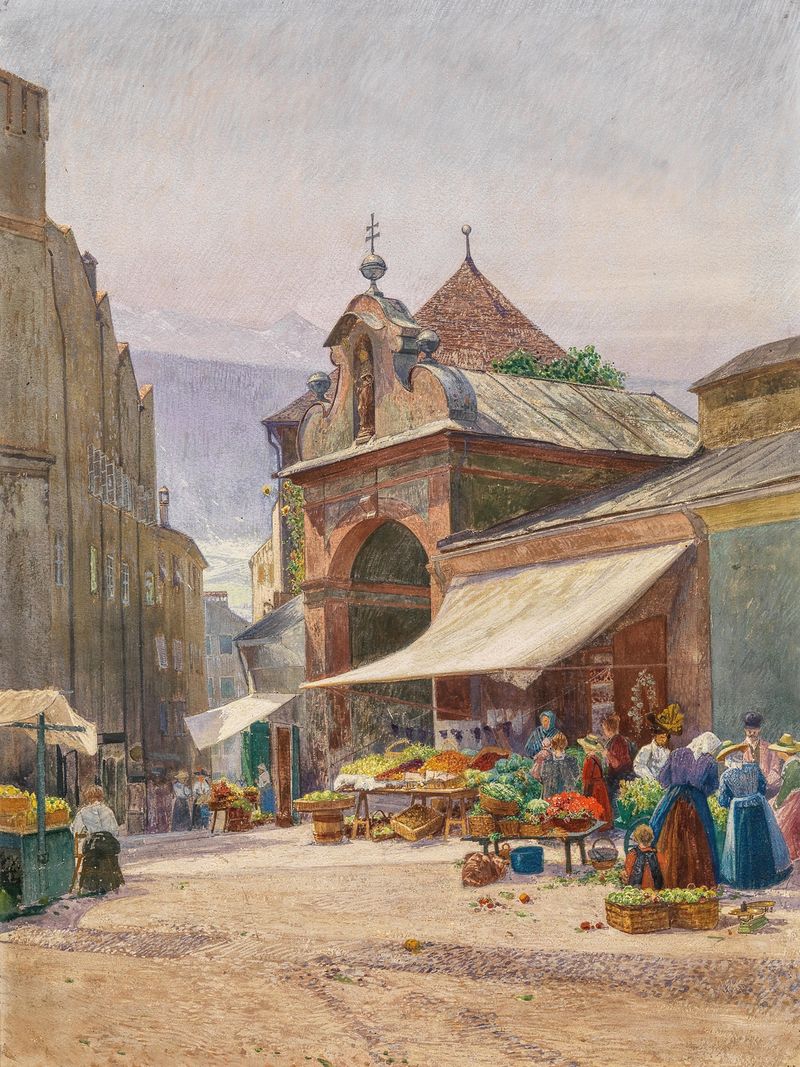
Markt in Hall
Hans Wilt
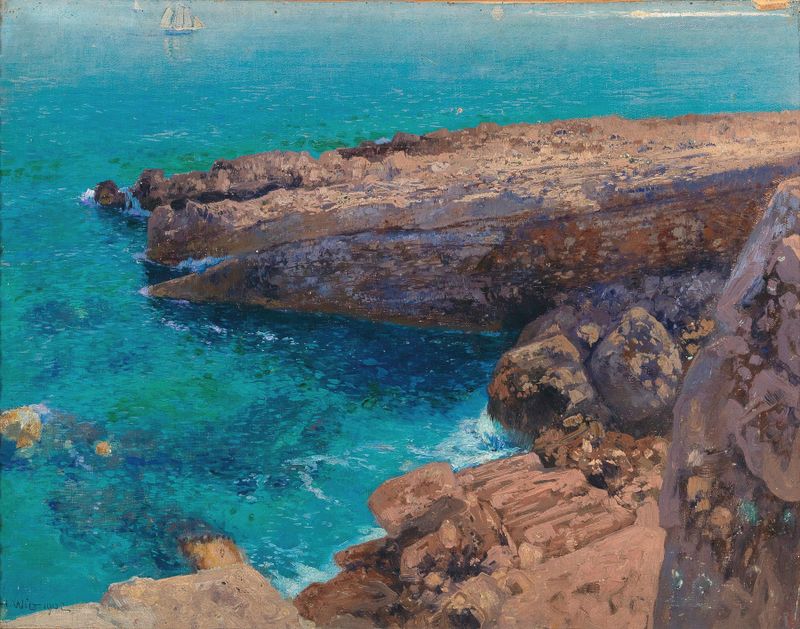
A rocky coast, in the background a sailing boat
Hans Wilt
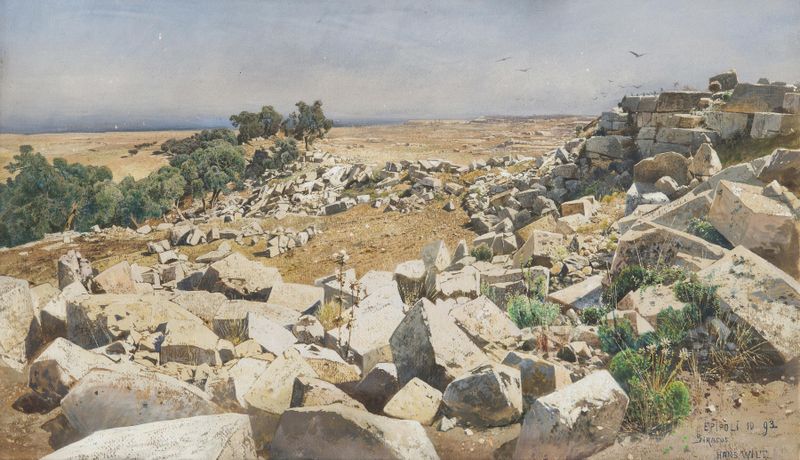
A Motif from the Syracuse Vicinity
Hans Wilt
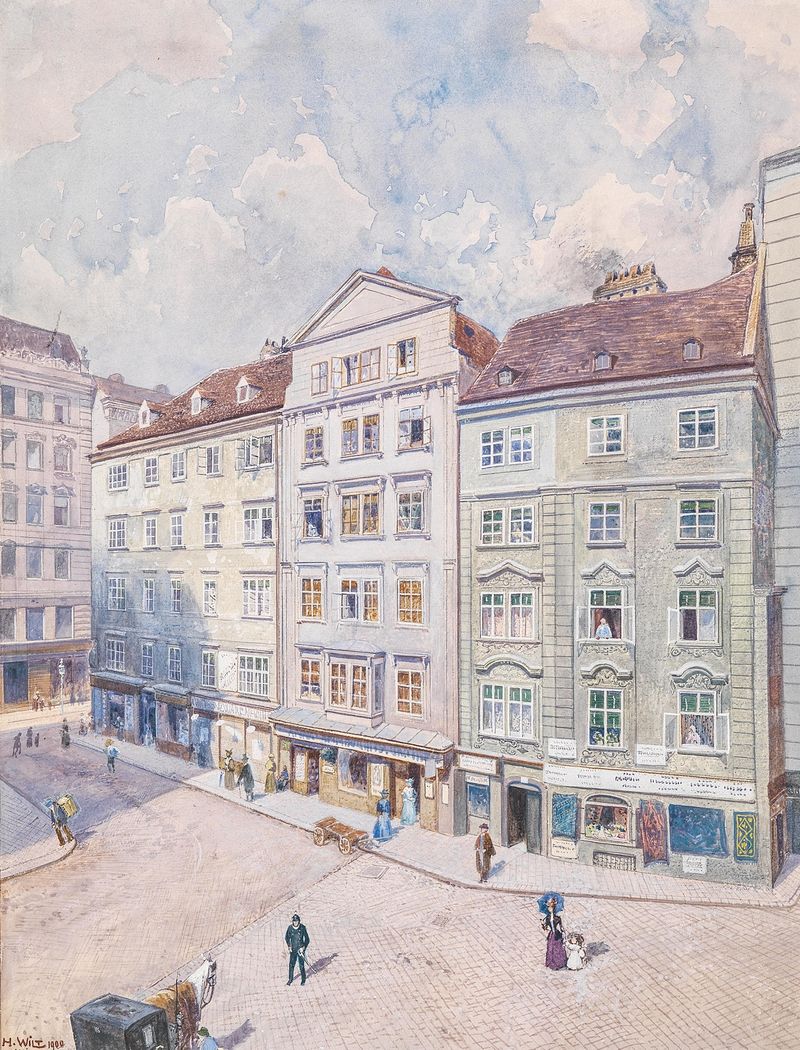
Wiener Häuserfront
Hans Wilt

Morgenstimmung im Hafen von Lussin
Hans Wilt
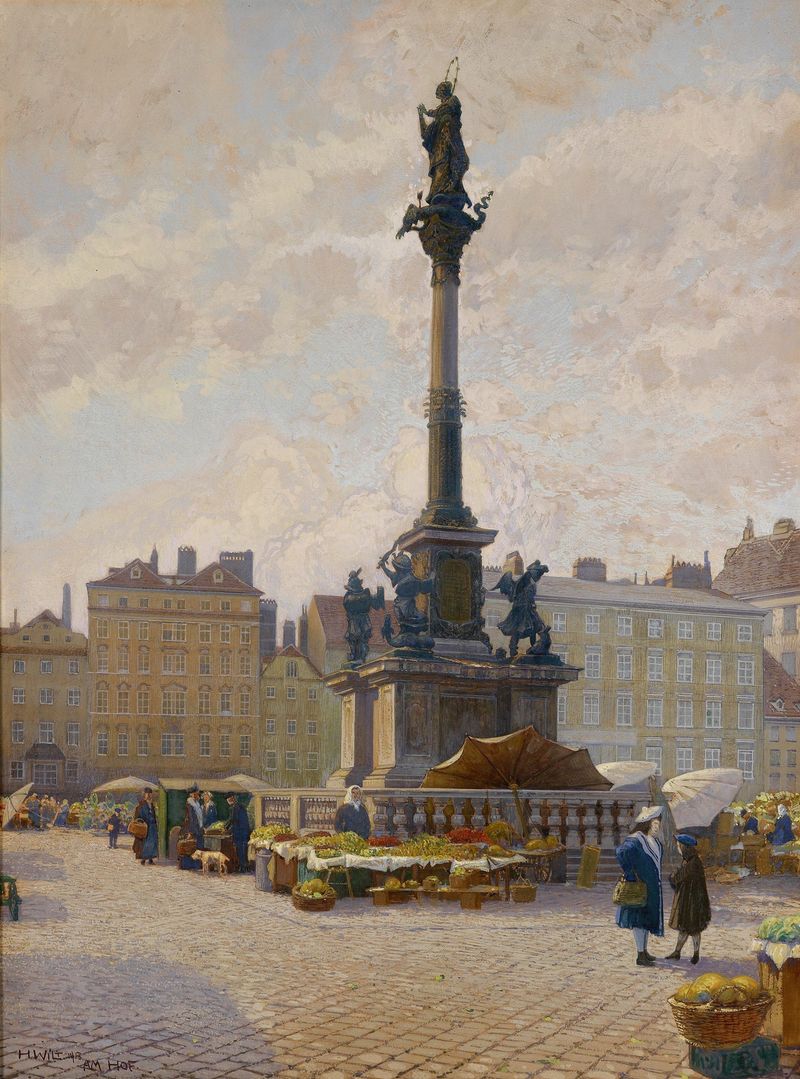
Blumenmarkt Am Hof
Hans Wilt
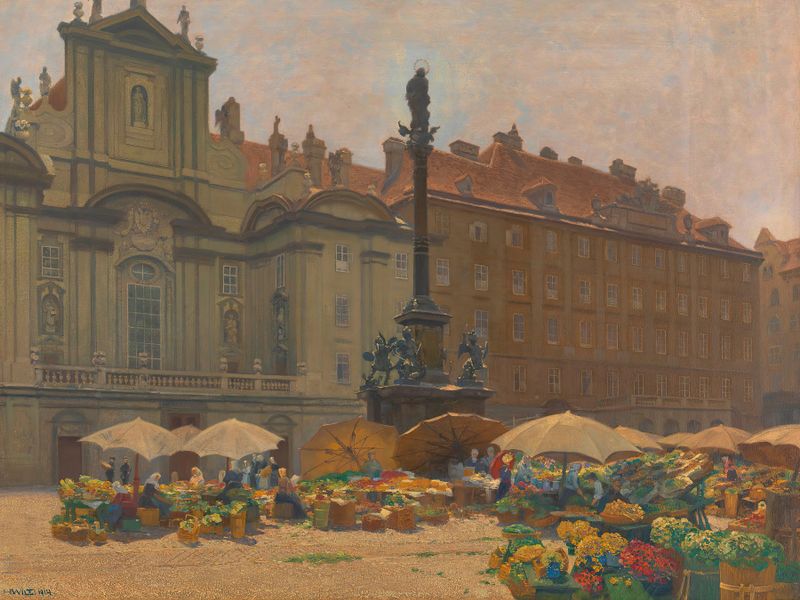
Am Hof (Kirche, Kriegsministerium und Mariensäule mit Blumenmarkt )
Hans Wilt





