Discover insights about this artwork
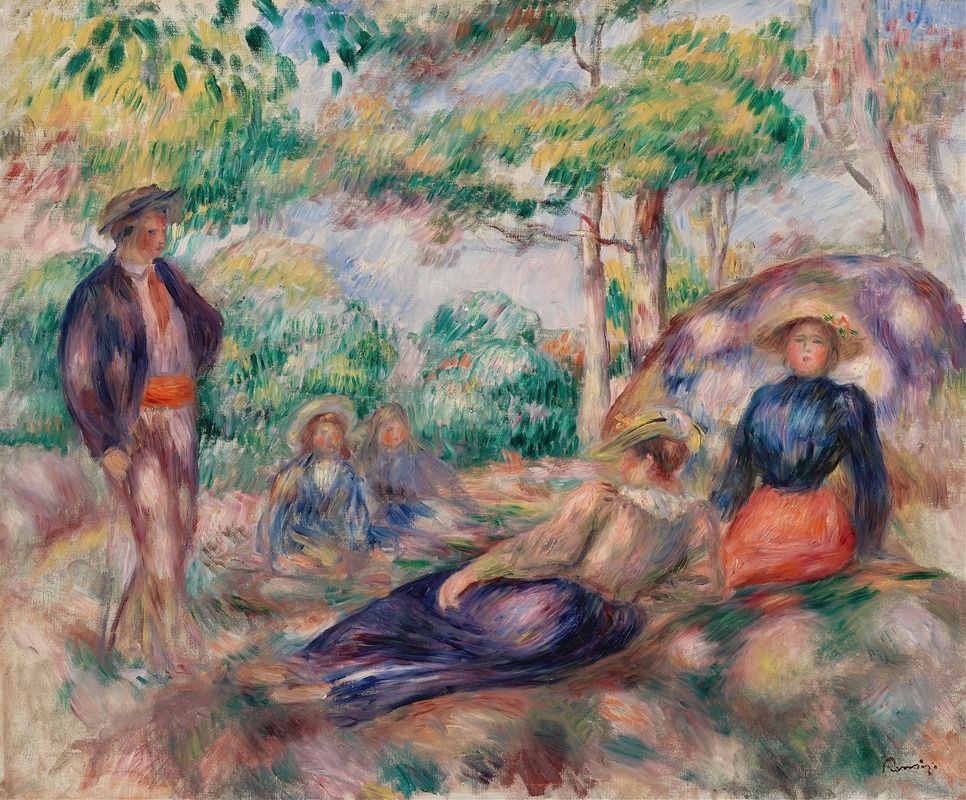
Femme allaitant son enfant — History & Facts
In Femme allaitant son enfant, Paul Cézanne presents a tender scene of a mother nursing her child. The colors are warm and earthy, with soft browns and greens dominating the palette. The figures are rendered with Cézanne's characteristic brushstrokes, creating a sense of volume and depth.
The setting appears intimate, emphasizing the bond between mother and child. The painting is executed in oil on canvas, a medium that allows for rich texture and layering of colors. Cézanne's technique involves short, deliberate brushstrokes that build up the forms and create a sense of solidity. The composition is balanced, with the figures centrally placed, drawing the viewer's eye.
The approximate dimensions of the work are 60 x 80 cm. Paul Cézanne, a pivotal figure in the transition from Impressionism to modern art, created Femme allaitant son enfant in the 1890s. This work reflects his interest in everyday subjects and the exploration of human relationships. An interesting fact about this painting is that it showcases Cézanne's ability to convey emotion through simple yet profound imagery.
It remains a significant example of his approach to depicting intimate moments.
More Artworks by Paul Cézanne
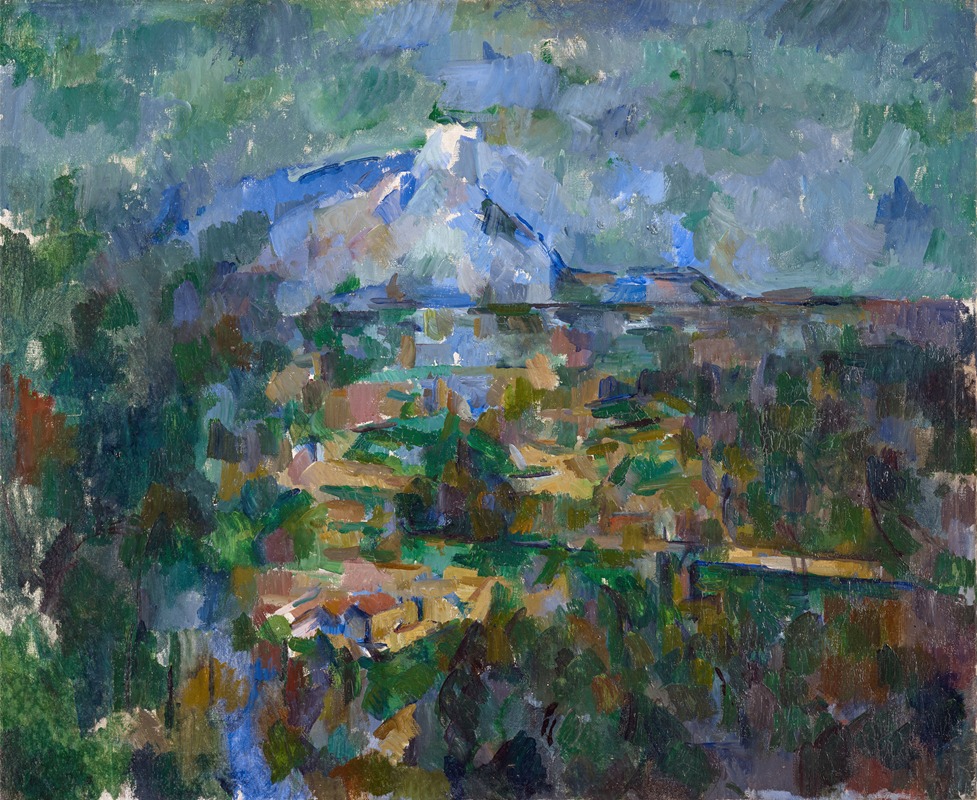
The Mont Sainte-Victoire Seen From Les Lauves
Paul Cézanne
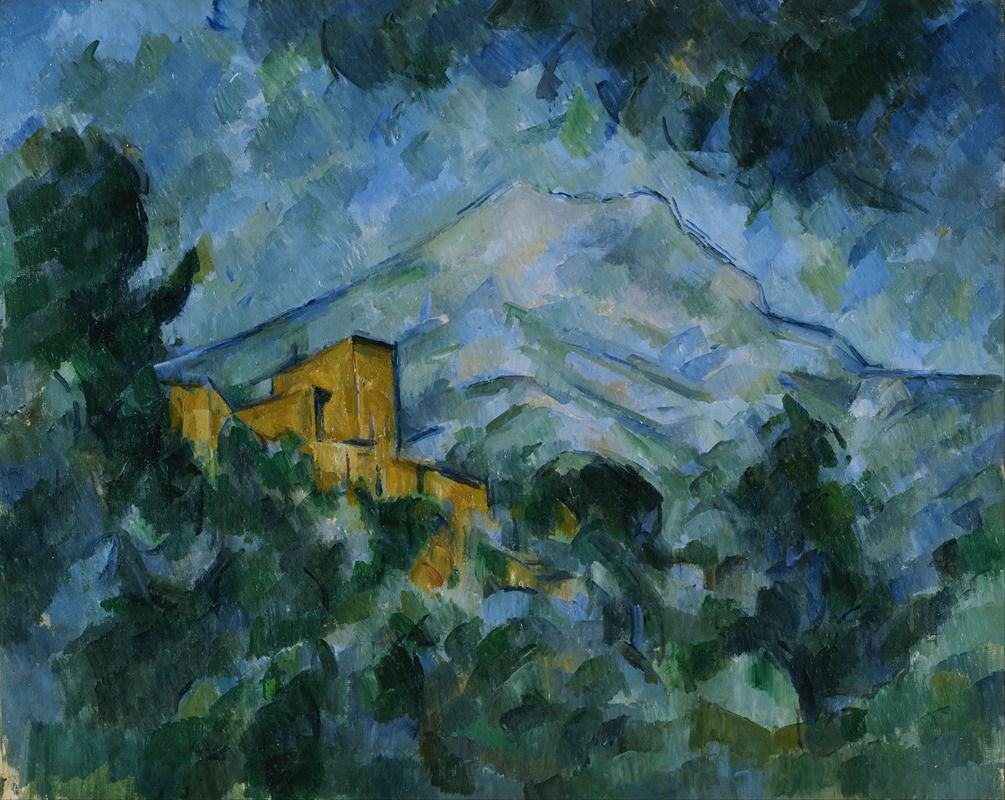
Mont Sainte-Victoire and Château Noir
Paul Cézanne
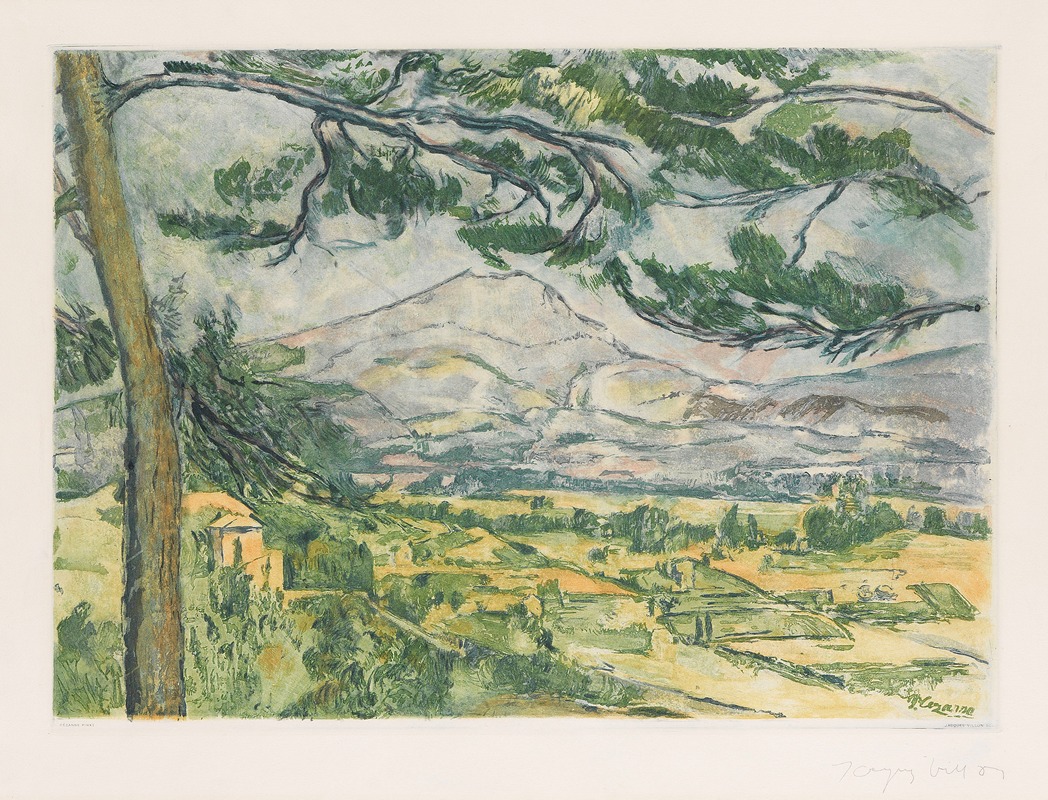
La Montagne Sainte-Victoire
Paul Cézanne
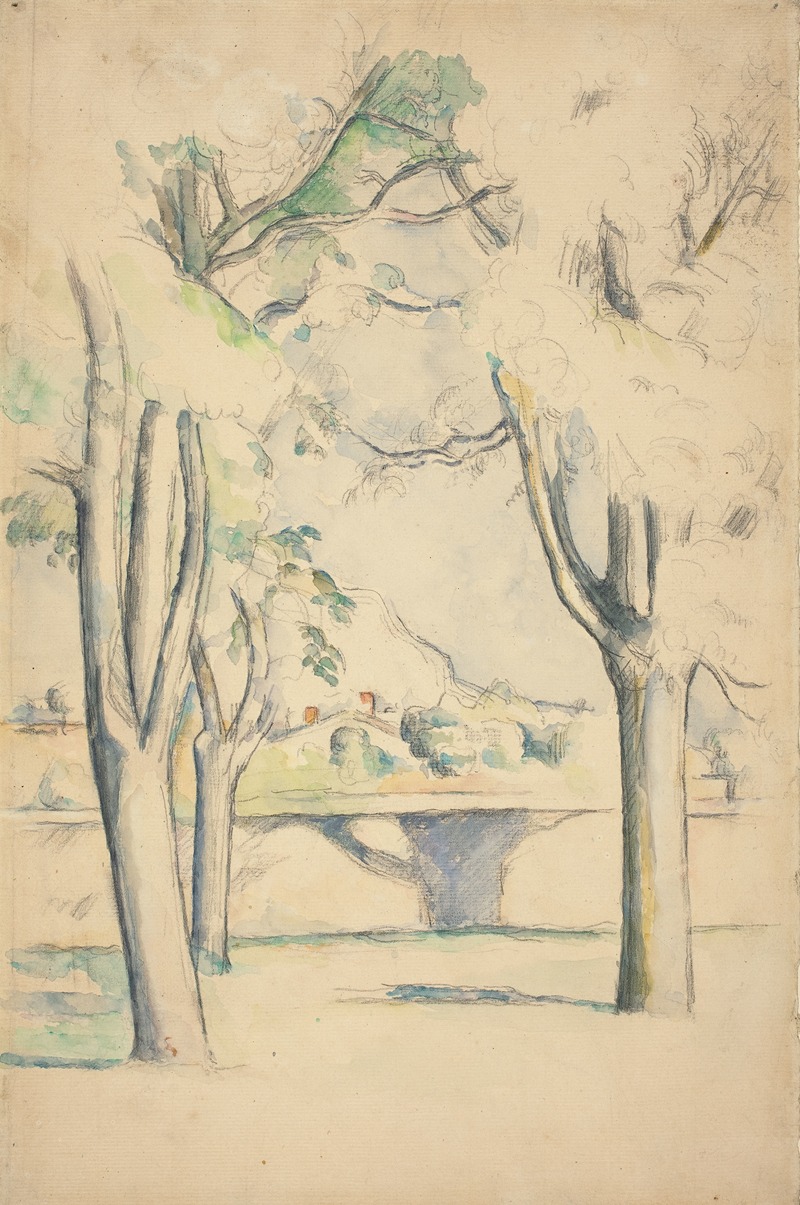
Mont Sainte-Victoire Seen beyond the Wall of the Jas de Bouffan
Paul Cézanne
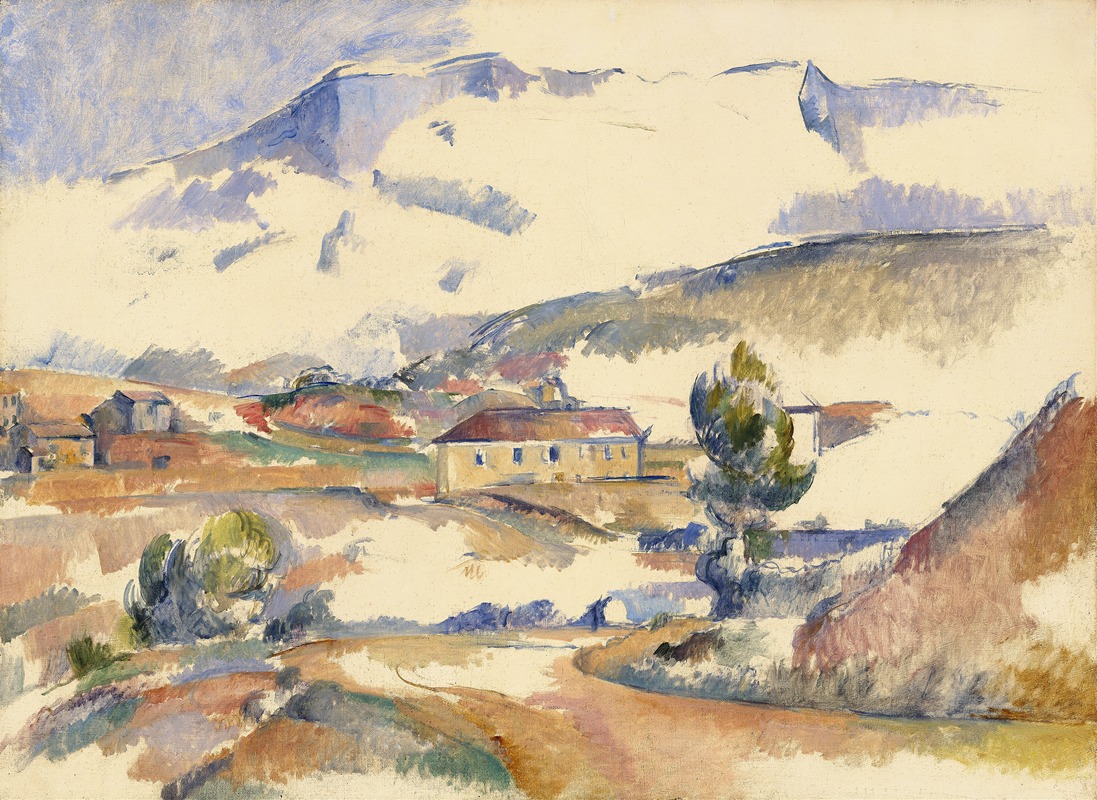
Montagne Sainte-Victoire,from near Gardanne
Paul Cézanne
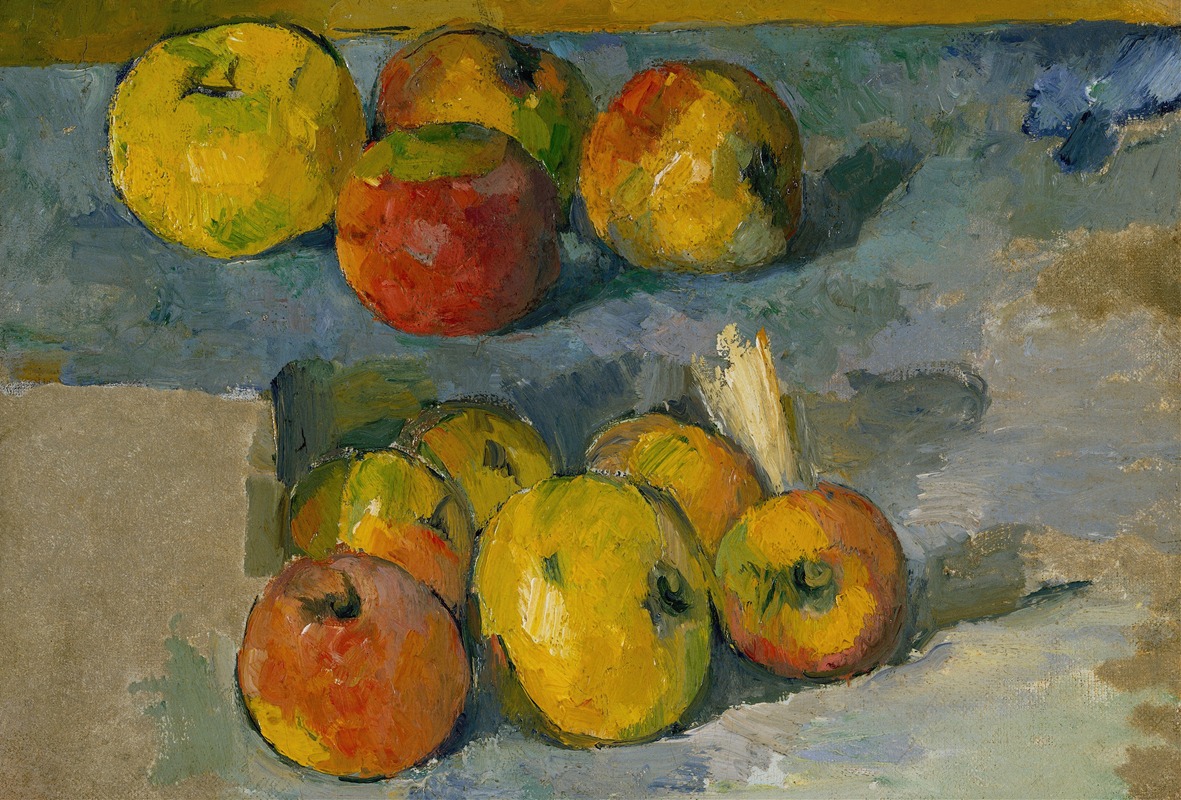
Apples
Paul Cézanne
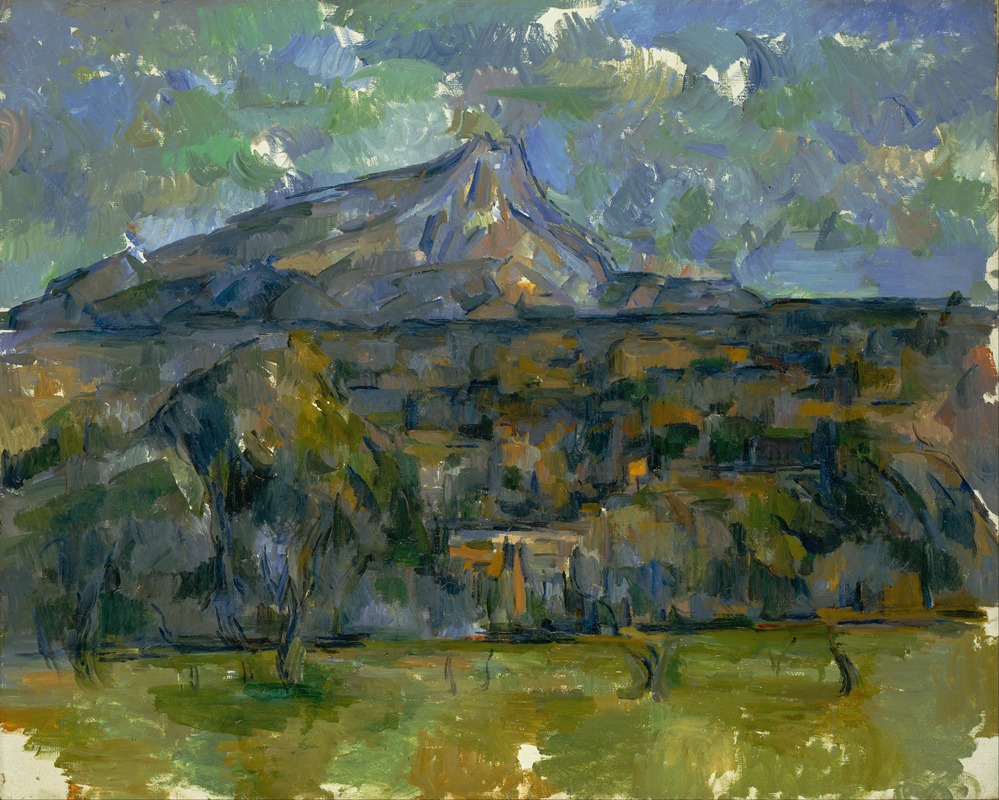
Mont Sainte-Victoire
Paul Cézanne
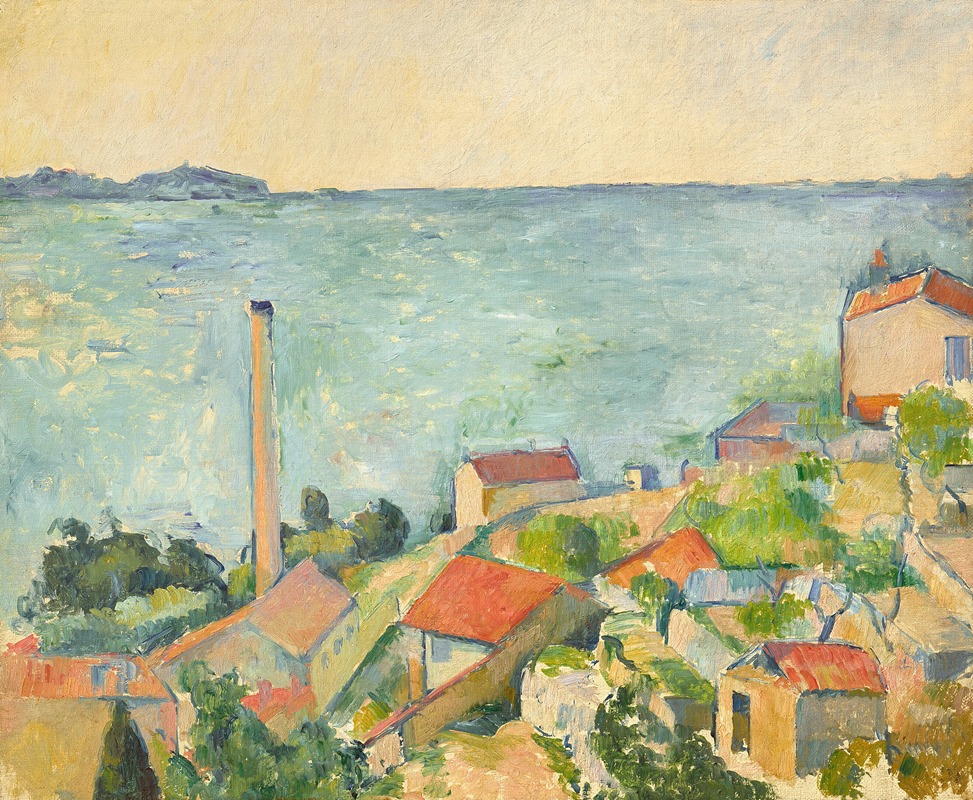
La mer à l’Estaque
Paul Cézanne
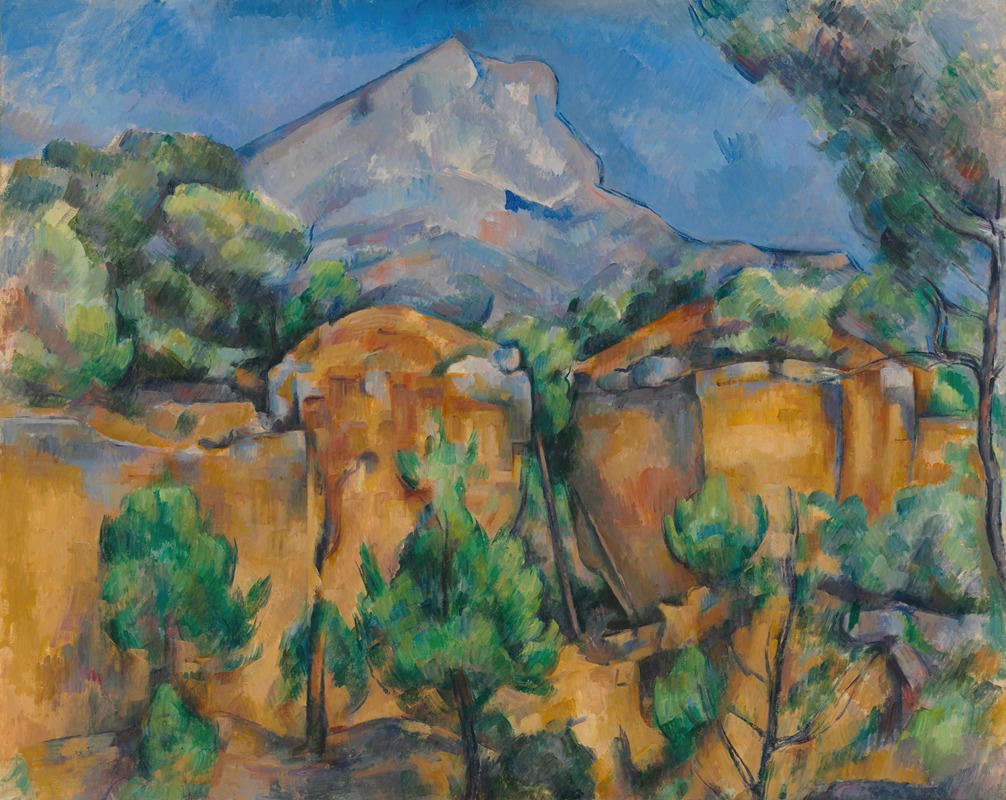
La Montagne Sainte-Victoire vue de la carrière Bibémus
Paul Cézanne
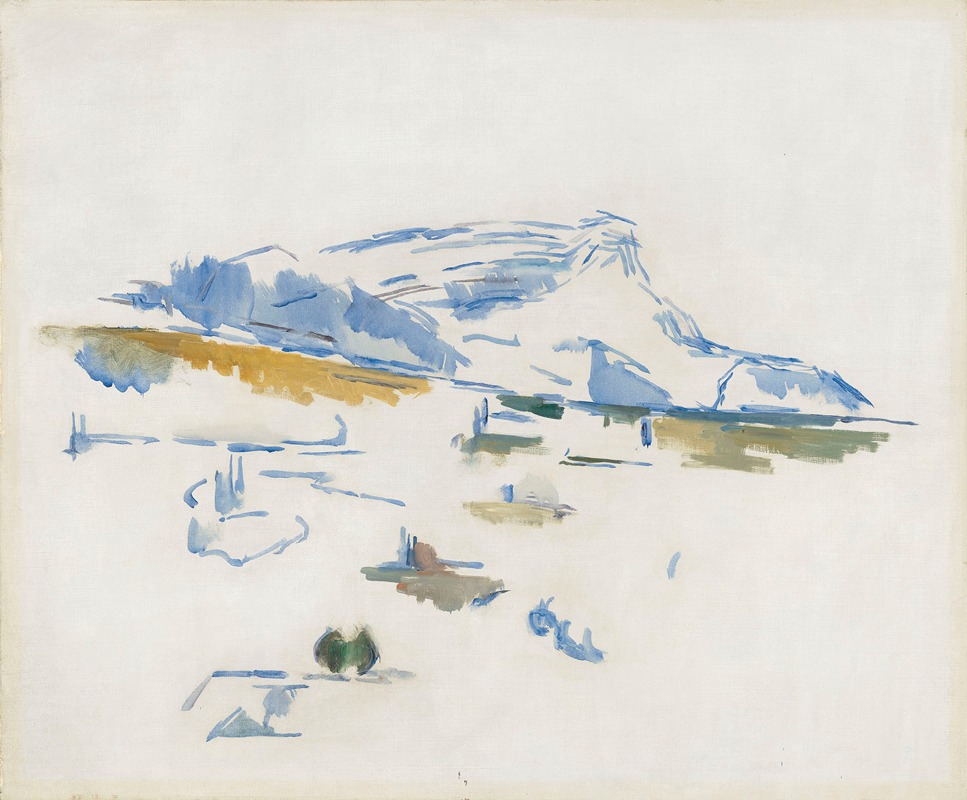
La Montagne Sainte-Victoire vue des Lauves
Paul Cézanne