
Femme assise au bord de la mer — History & Facts
Where does light end, and longing begin? This question echoes within the vibrant brushstrokes of Femme assise au bord de la mer, where the interplay of color and form invites a deeper reflection on solitude and desire. Look to the left at the woman seated on the sandy shoreline, her figure elegantly poised against the horizon. The interplay of soft blues and warm yellows creates a blissful backdrop, while the sunlight dances across the water, illuminating her delicate silhouette. Notice how Valtat masterfully captures the texture of the fabric draping over her form, with strokes that evoke a gentle breeze, seemingly brushing against her skin. In the quiet solitude of this scene, emotional tensions emerge.
The woman's contemplative gaze, directed towards the vast sea, hints at a deep well of longing and introspection. The contrast between the vibrant colors and her muted expression speaks to the complexity of human experience — the beauty of the world around her juxtaposed with an inner yearning. Each brushstroke encapsulates a moment frozen in time, revealing the intersection of peace and desire. Created in 1902, this work reflects a period of experimentation for Valtat, who was deeply influenced by Impressionism and the burgeoning Fauvist movement.
Painting in France during this time, he sought to redefine the representation of light and color, capturing fleeting emotions within a scene. This piece encapsulates not just a moment at the water's edge, but the artist's journey toward expressing the profound connections between our inner lives and the external world.
More Artworks by Louis Valtat
Browse all →
Bord de rivière aux arbres
Louis Valtat

Normandie
Louis Valtat

Paysage du Midi
Louis Valtat
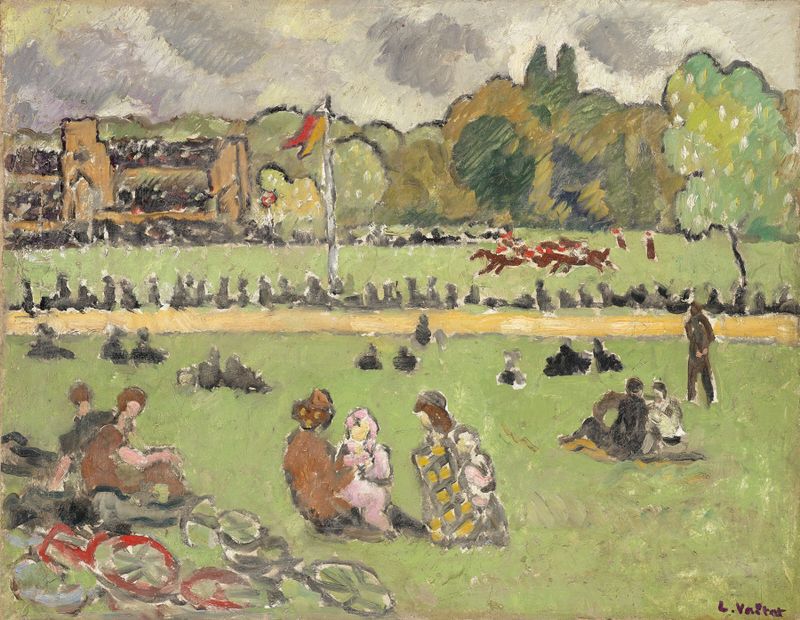
Les Courses
Louis Valtat
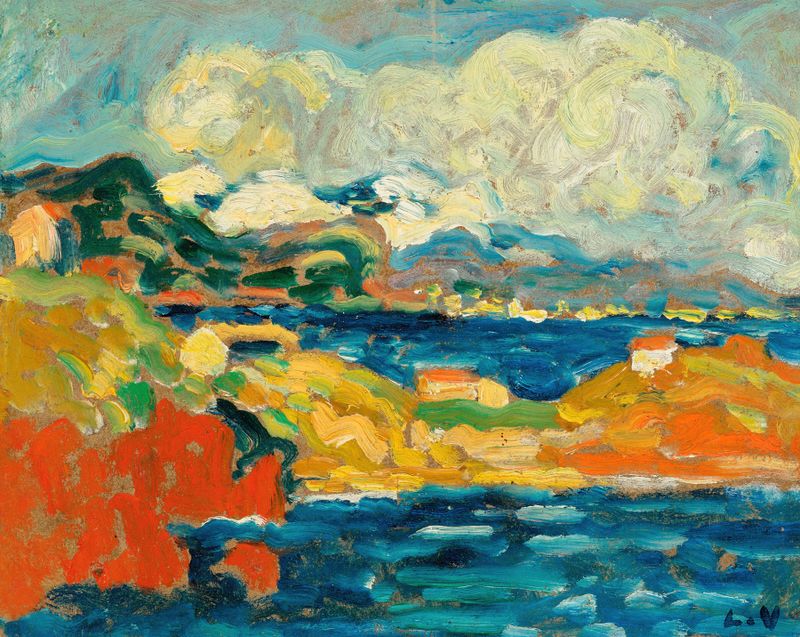
La baie à Anthéor
Louis Valtat
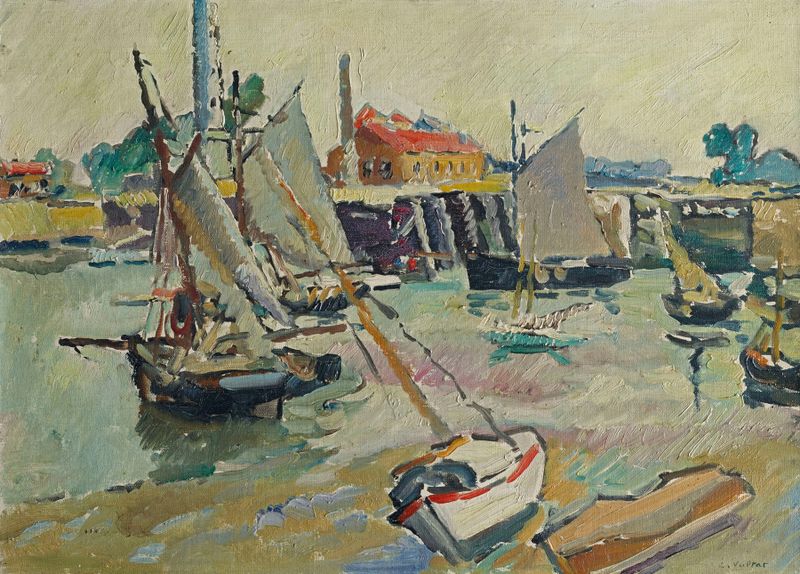
Voiliers au port à marée basse, Ouistreham
Louis Valtat

La maison au bord de la route en Normandie
Louis Valtat

La maison dans le jardin fleuri
Louis Valtat

Le jardin de la maison au toit rouge
Louis Valtat

Chemin, clairière et arbres
Louis Valtat





