
La maison au bord de la route en Normandie — History & Facts
This thought lingers in the air as one contemplates the delicate balance between light and shadow in this evocative piece. Look to the left at the striking interplay of vibrant hues; the golden yellows of the sunlit house contrast with the rich greens of the surrounding landscape. The brushstrokes dance with energy, yet they carry the weight of longing, as if the artist seeks to capture not just a moment, but an elusive emotion. Notice how the shadows stretch across the road, creating a stark division that invites contemplation and reflection—a passage from the brightness of home to the uncertainties beyond. Beneath the surface, a tension emerges between the beauty of the idyllic setting and the shadows that hint at something deeper, perhaps a sense of isolation or nostalgia.
The bold colors represent a celebration of life, while the encroaching shadows suggest a lingering pain, an awareness of the world beyond this serene scene. It is as if the painting captures a fleeting moment of happiness, forever tinged with the knowledge that such moments are often transient. In 1916, Valtat created this work while living in France, during a time when the country was engulfed in the turmoil of World War I. This period marked a significant shift in artistic expression, as artists sought new ways to convey their experiences and emotions amidst chaos.
Valtat's vibrant colors and dynamic compositions became part of the broader movement towards modernism, reflecting both the beauty of nature and the shadows of human struggle.
More Artworks by Louis Valtat
Browse all →
Bord de rivière aux arbres
Louis Valtat

Normandie
Louis Valtat

Paysage du Midi
Louis Valtat
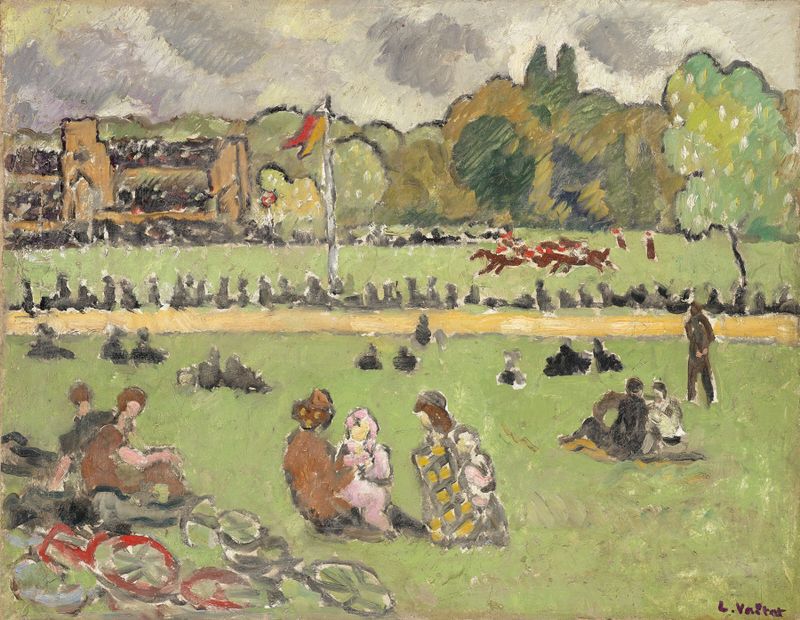
Les Courses
Louis Valtat
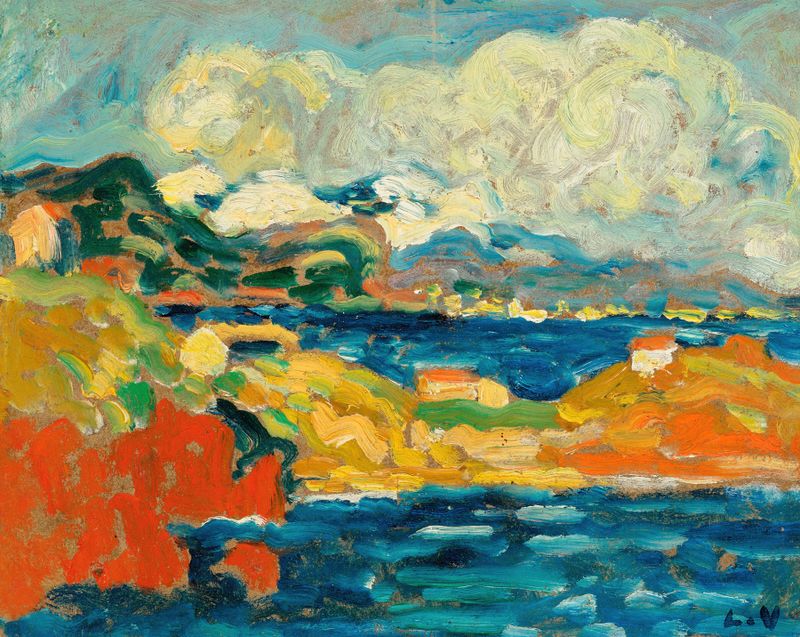
La baie à Anthéor
Louis Valtat

Femme assise au bord de la mer
Louis Valtat
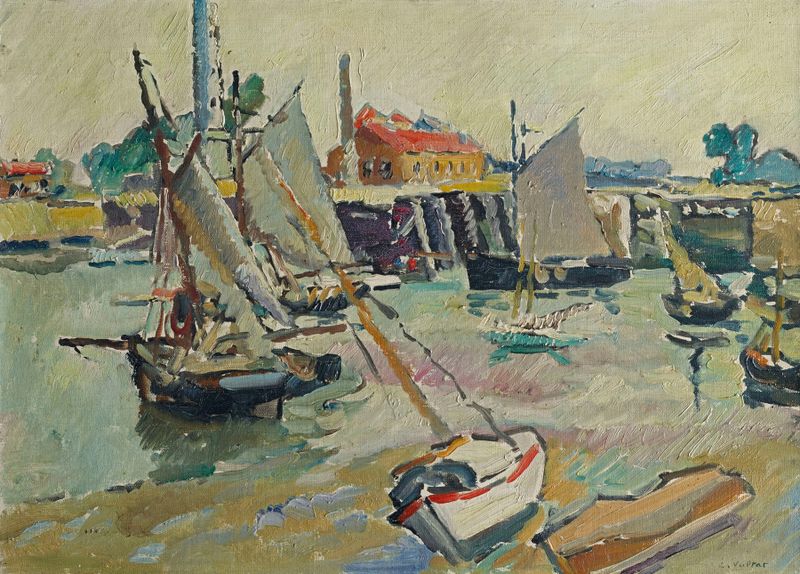
Voiliers au port à marée basse, Ouistreham
Louis Valtat

La maison dans le jardin fleuri
Louis Valtat

Le jardin de la maison au toit rouge
Louis Valtat

Chemin, clairière et arbres
Louis Valtat





