
Les Courses — History & Facts
In Les Courses, the viewer is invited to witness a moment suspended between exhilaration and vulnerability, a testament to the awakening of both hope and sorrow. Look to the center of the canvas, where a vibrant jockey, clad in bright colors, urges his horse forward, embodying the thrill of the race. The surrounding figures blend into a whirl of movement, accentuated by swift brushstrokes that create a palpable energy. Notice how the light streams in from the left, casting shadows that heighten the tension of competition, while splashes of golden hues evoke the warmth of a sunny day, simultaneously hinting at the ephemeral nature of victory. Yet, beneath the surface vibrancy lies a deeper narrative.
The expressions of the onlookers reveal a spectrum of emotions—anticipation, desperation, and fleeting triumph. The jockey’s focused gaze contrasts sharply with the tension in the crowd, suggesting that the pursuit of glory often masks underlying anxiety and fear. This duality, captured in the interplay of light and shadow, speaks to the fragility of ambition and the bittersweet taste of success. Painted in 1919, during a time of post-war reflection, Valtat sought to capture not just the spectacle of horse racing, but also the societal shifts of the era.
Having embraced the influences of Impressionism and the emerging modern style, he infused his work with a vibrant palette and dynamic composition, reflecting both the excitement of renewal and the shadows of a world still recovering from conflict.
More Artworks by Louis Valtat
Browse all →
Bord de rivière aux arbres
Louis Valtat

Normandie
Louis Valtat

Paysage du Midi
Louis Valtat
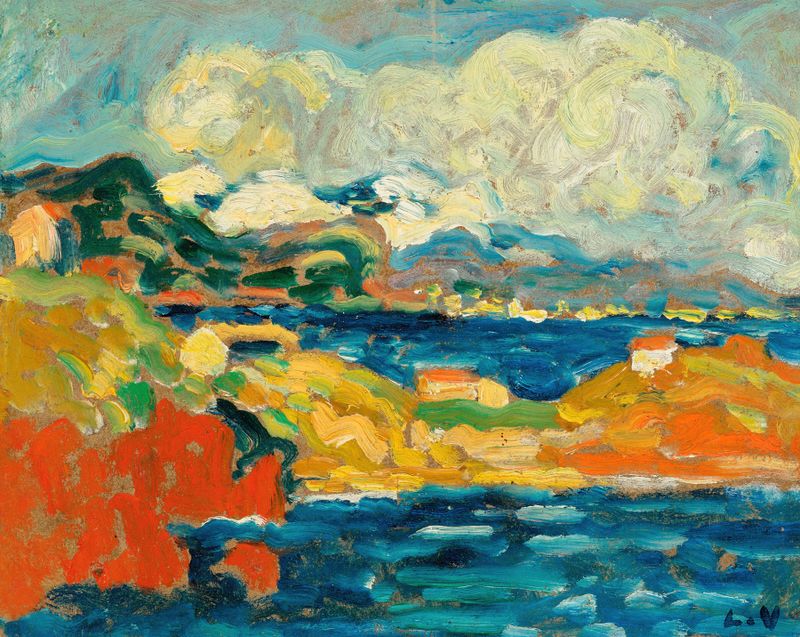
La baie à Anthéor
Louis Valtat

Femme assise au bord de la mer
Louis Valtat
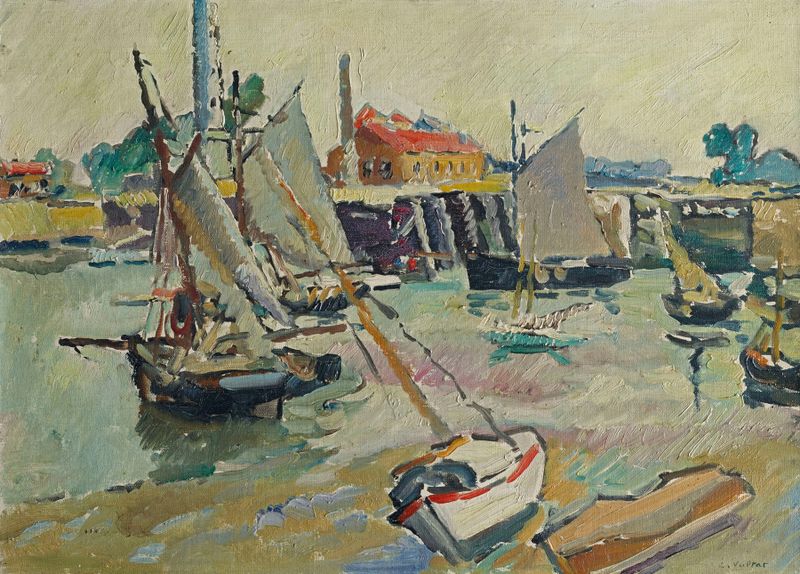
Voiliers au port à marée basse, Ouistreham
Louis Valtat

La maison au bord de la route en Normandie
Louis Valtat

La maison dans le jardin fleuri
Louis Valtat

Le jardin de la maison au toit rouge
Louis Valtat

Chemin, clairière et arbres
Louis Valtat





