
Paysage du Midi — History & Facts
Who listens when art speaks of silence? In Paysage du Midi, the canvas becomes a quiet dialogue between the viewer and the vibrant hues that breathe life into the landscape. Look to the left at the gentle sway of the olive trees, their silvery leaves glimmering under the warm Mediterranean sun. Notice how the vivid strokes of blue and green create a harmonious rhythm, guiding your gaze across the canvas like a soft breeze. The brushwork is both spontaneous and controlled, revealing a masterful balance between chaos and order, while the bright palette evokes an inviting warmth that invites reflection. Within this serene composition lies an undercurrent of tension between nature and the fleeting passage of time.
The lush hills, bathed in sunlight, may suggest abundance, yet the sparse figures in the distance hint at human presence stripped of its grandeur. Each element, from the distant mountains to the vibrant flora, speaks to the truth of existence—at once beautiful and ephemeral, a reminder of life's transient nature. Painted in 1904, this work emerged during a pivotal moment in Valtat's career as he aligned himself with the Post-Impressionist movement in France, a period when artists sought to break free from traditional representations. The vibrant colors and innovative techniques seen here reflect both personal exploration and the broader artistic shifts of the time, as the world began to embrace modernity and the complexities of perception.
More Artworks by Louis Valtat
Browse all →
Bord de rivière aux arbres
Louis Valtat

Normandie
Louis Valtat
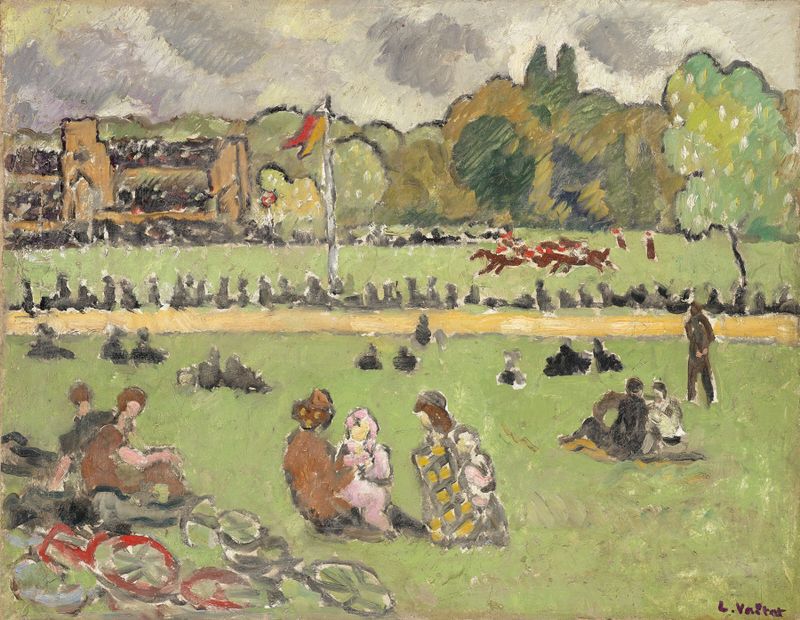
Les Courses
Louis Valtat
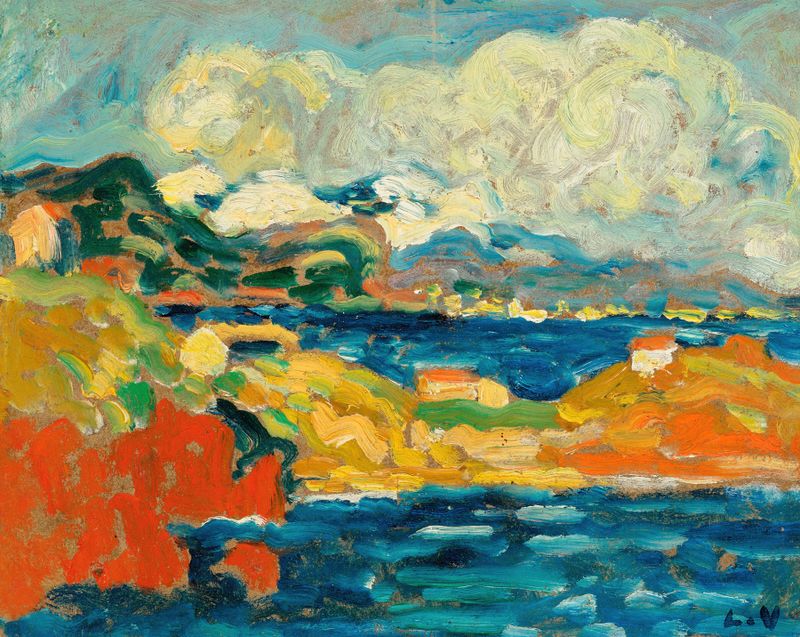
La baie à Anthéor
Louis Valtat

Femme assise au bord de la mer
Louis Valtat
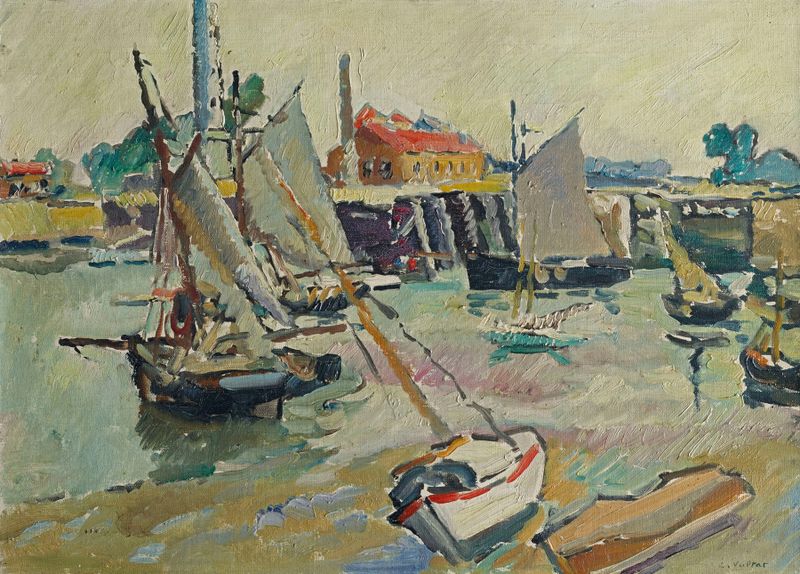
Voiliers au port à marée basse, Ouistreham
Louis Valtat

La maison au bord de la route en Normandie
Louis Valtat

La maison dans le jardin fleuri
Louis Valtat

Le jardin de la maison au toit rouge
Louis Valtat

Chemin, clairière et arbres
Louis Valtat





