
Festivities for the Marriage of the Infanta of Spain — History & Facts
When did color learn to lie? In a grand tapestry of silence, Festivities for the Marriage of the Infanta of Spain unfolds a realm where whispers of joy intertwine with the looming weight of expectation. Look to the left at the opulent drapery, where deep reds and golds swathe the figures, capturing the eye with the richness of royal attire. Notice how the light dances subtly across the faces, illuminating moments of quiet contemplation amidst the vibrant celebration. The composition is a carefully orchestrated symphony, guiding the viewer’s gaze through the intricate formations of nobility, each hand gesture and facial expression meticulously rendered, revealing the artist’s keen understanding of human emotion. Delve deeper into the scene, where the interplay of shadow and light throws the revelers into both brilliance and obscurity.
Each figure is a vessel for the tension between public spectacle and private desire; laughter mingles with the solemnity of tradition. The child peeking from behind a curtain suggests innocence, while the adults' forced smiles hint at unspoken burdens hidden beneath the joyous facade, creating a poignant contrast that resonates with the viewer. This artwork emerged in 1750, a period marked by the flourishing of the Baroque style, even as it began to transition into Rococo. The artist, whose name remains unknown, captured an event steeped in the culture of the Spanish court, reflecting the opulence and complexities of royal life during an era of shifting power dynamics in Europe.
Such scenes were not merely celebrations but also statements of political and social stature, immortalized in a medium that balanced grandeur with the weight of silence.
More Artworks by Unknown Artist
Browse all →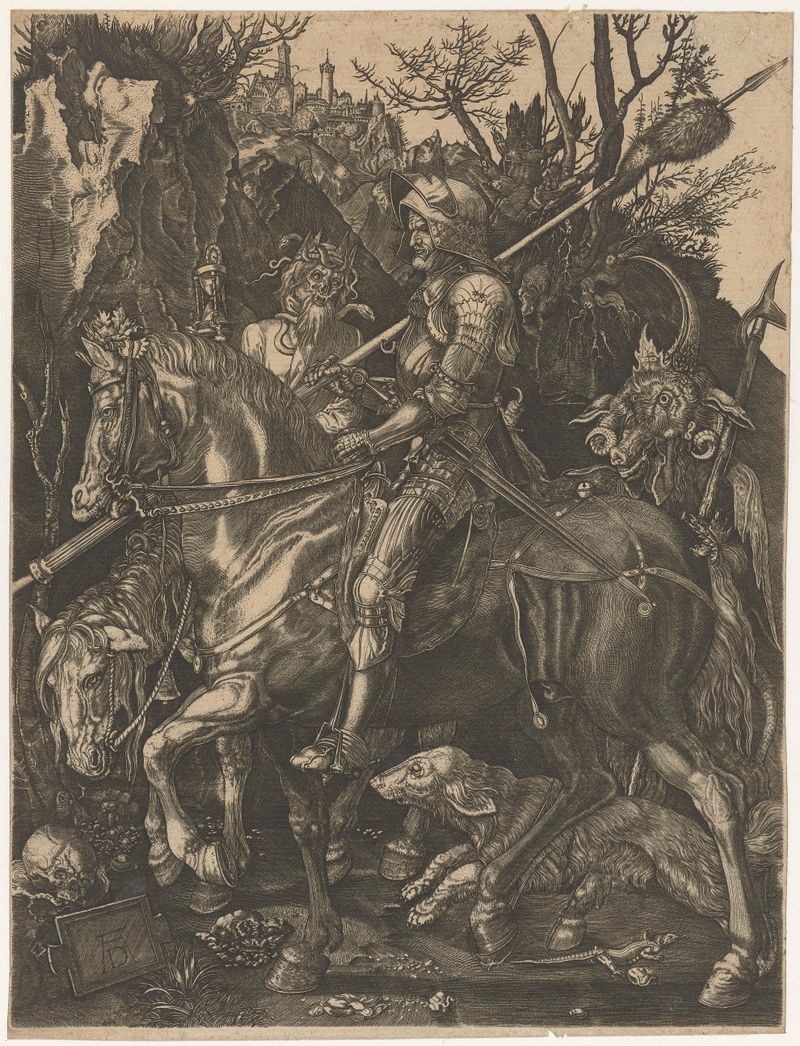
Ridder, Dood en Duivel
Unknown Artist
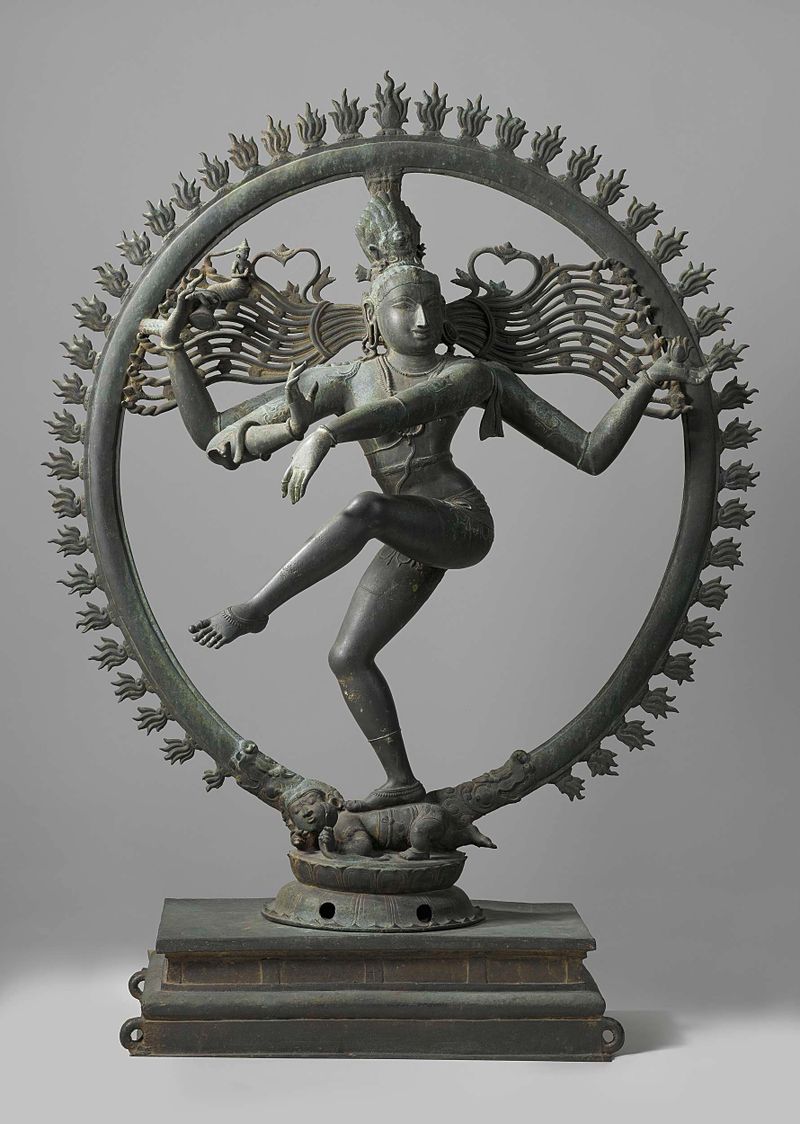
Shiva Nataraja
Unknown Artist
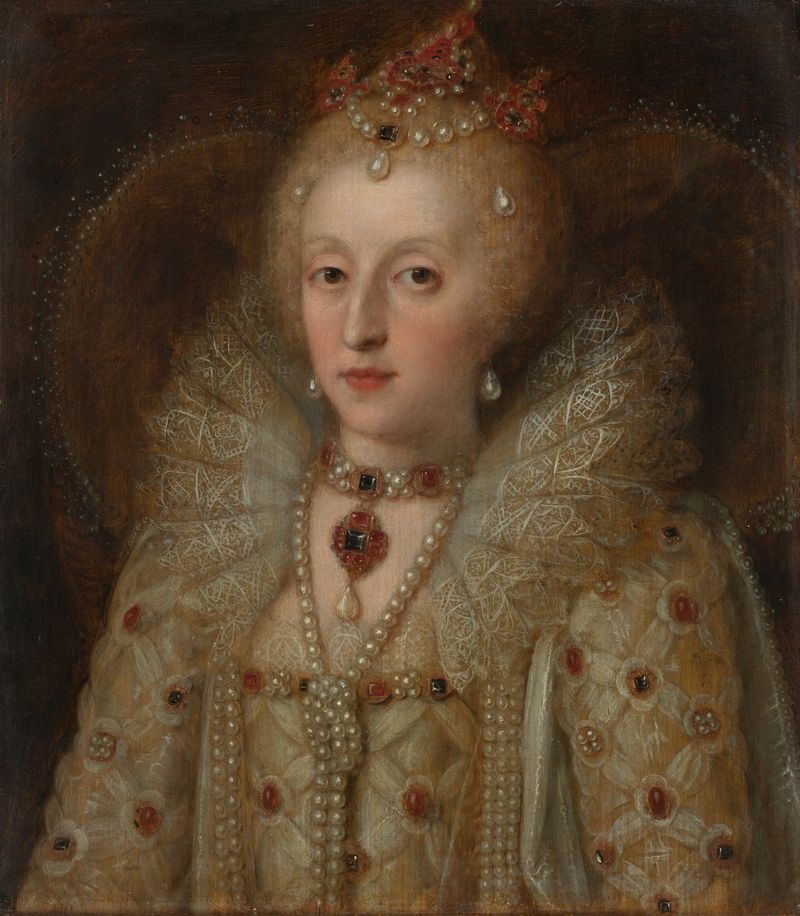
Portrait of Elizabeth I, Queen of England
Unknown Artist
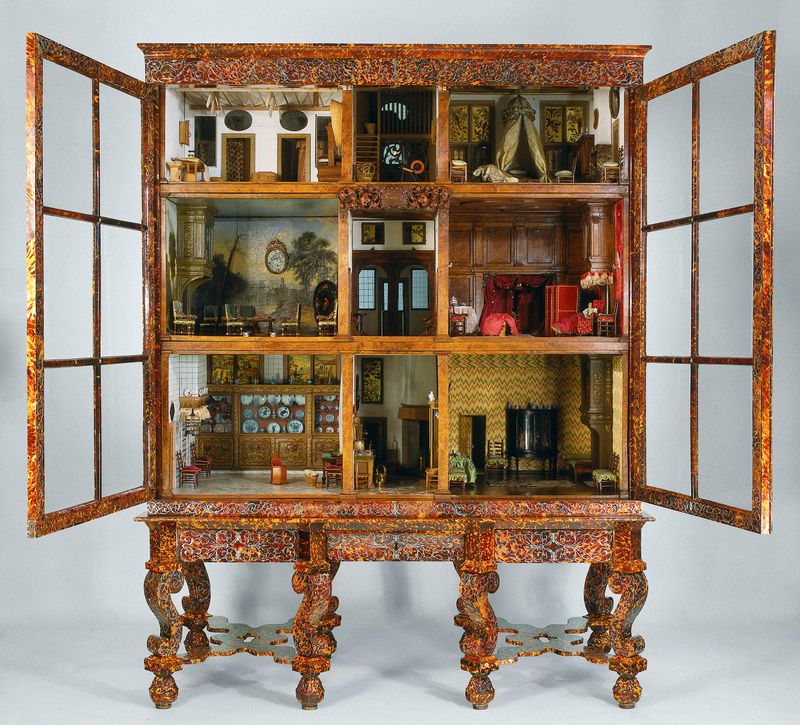
Dolls’ house of Petronella Oortman
Unknown Artist
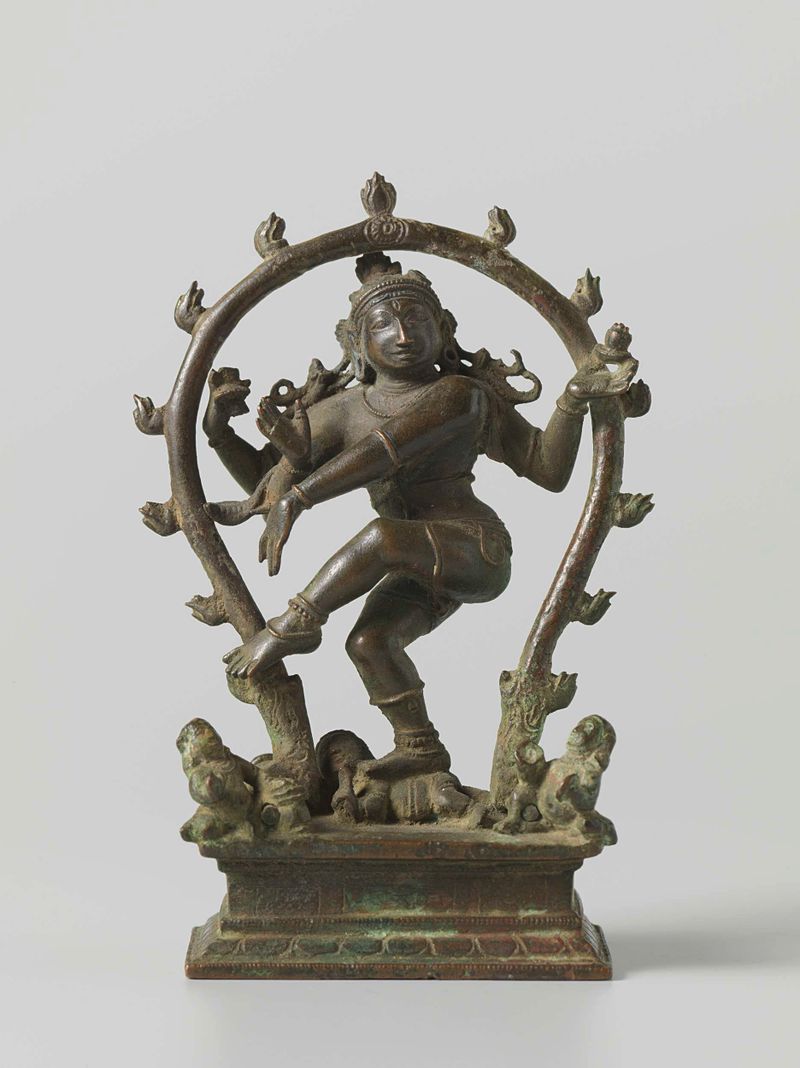
Shiva Nataraja
Unknown Artist

The Tale of Genji
Unknown Artist

The Tale of Genji
Unknown Artist

Cong
Unknown Artist
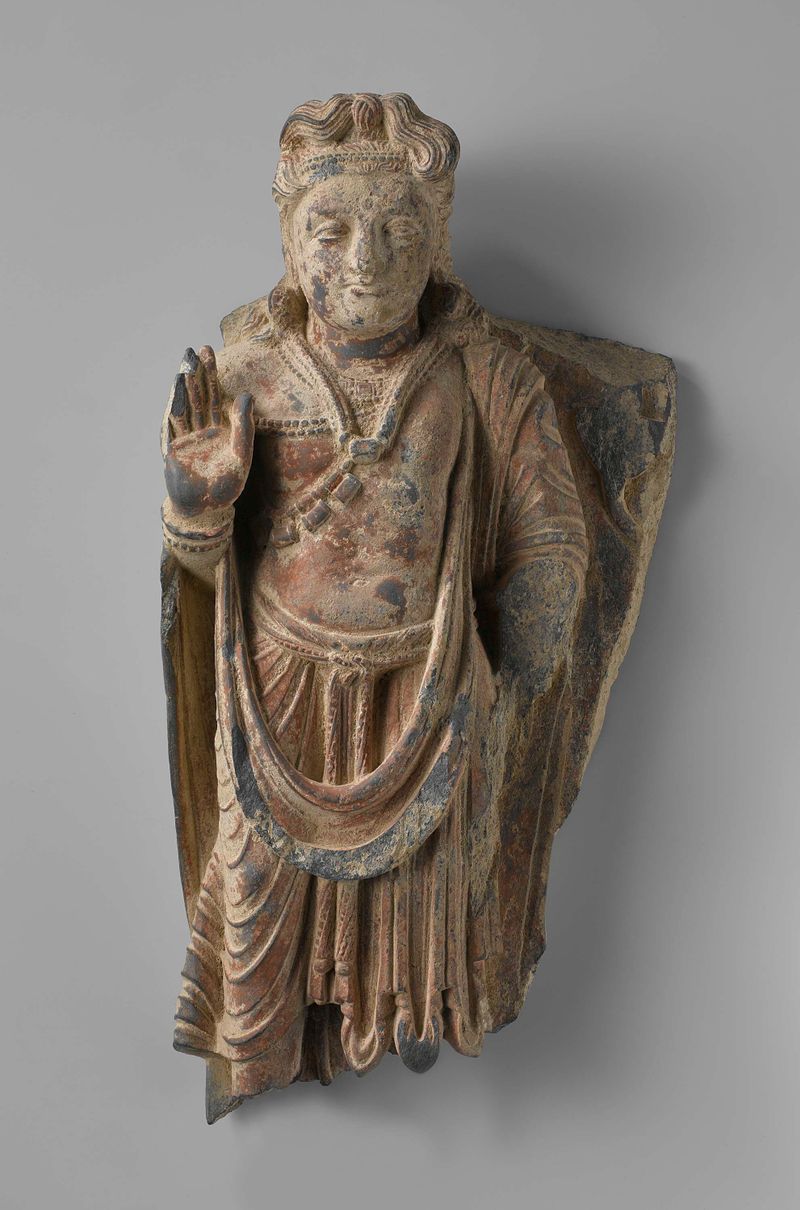
The bodhisattva Maitreya
Unknown Artist

Teabowl with a 'hare's fur' glaze
Unknown Artist
More Historical Art
Browse all →
The Night Watch Militia Company of District II under the Command of Captain Frans Banninck Cocq
Rembrandt van Rijn
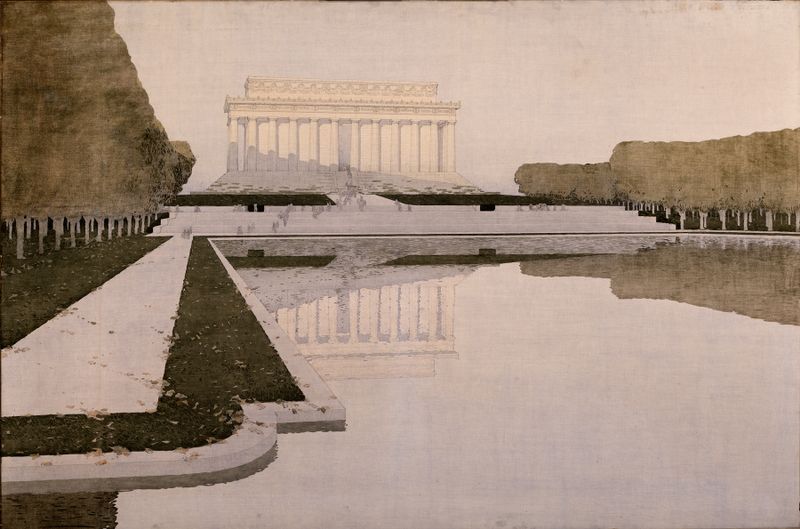
Lincoln Memorial
Henry Bacon
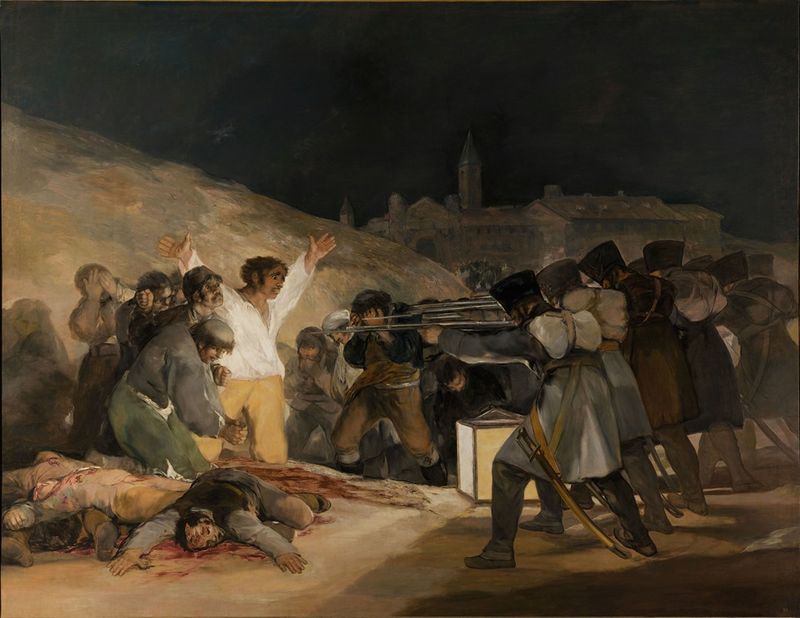
The Third of May 1808
Francisco de Goya

Isaac and Rebecca, Known as ‘The Jewish Bride’
Rembrandt van Rijn
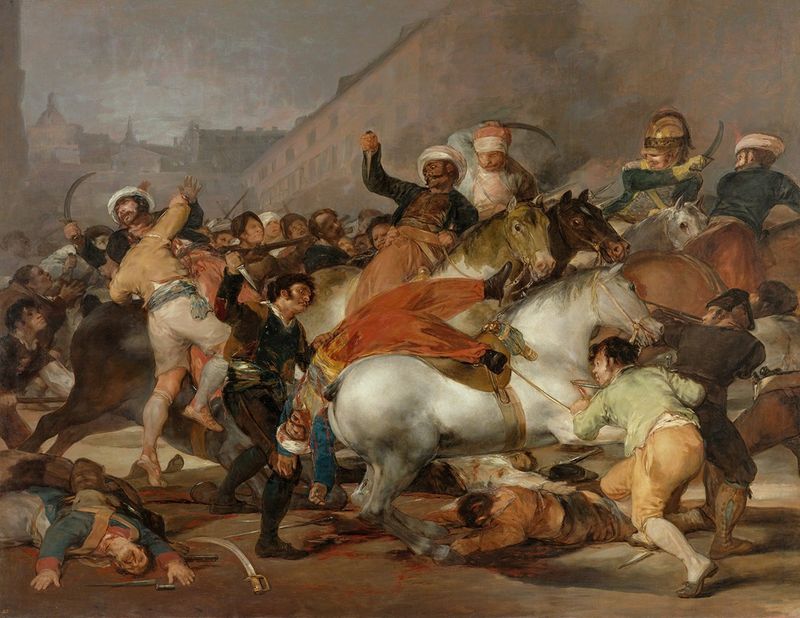
The Charge of the Mamelukes (1814)
Francisco de Goya

De vier ruiters van de apocalyps
Albrecht Dürer