Février (La Belle Jardinière) — History & Facts
The first thing that catches the eye in Février (La Belle Jardinière) is the quiet choreography of winter pruning: a woman, poised and intent, snips at bare branches beneath a pale February sky. Her figure, wrapped in a dark shawl, stands out against the lattice of dormant trees and the cool geometry of a garden wall. The ladder behind her suggests both ambition and care, while the snowdrops at her feet hint at the coming thaw.
Every line is deliberate, from the curling ivy on the balustrade to the delicate lettering of "Février" above, guiding the viewer through a scene of patient anticipation—this is not just a gardener, but a steward of the seasons, caught in the act of coaxing life from winter’s grip. Created in the late 19th century by Eugène Grasset, this etching belongs to a world where allegory and utility often met in the form of decorative calendars and graphic arts. The image’s flattened perspective, stylized outlines, and harmonious palette are hallmarks of the Art Nouveau movement, which sought to bring beauty into everyday objects and spaces. Such works were often commissioned by businesses or publishers to mark the passage of months, blending artistry with the rhythms of daily life.
While history has kept few traces of this particular print’s journey, its presence in the collections of the Musée Carnavalet anchors it firmly in the Paris of Grasset’s day—a city in love with gardens, seasons, and the poetry of ordinary labor. Let your eye linger on the details: each one is a quiet celebration of February’s promise.
More Artworks by Eugène Grasset

Samuel Eviradnus 237 Maison de Victor Hugo
Eugène Grasset
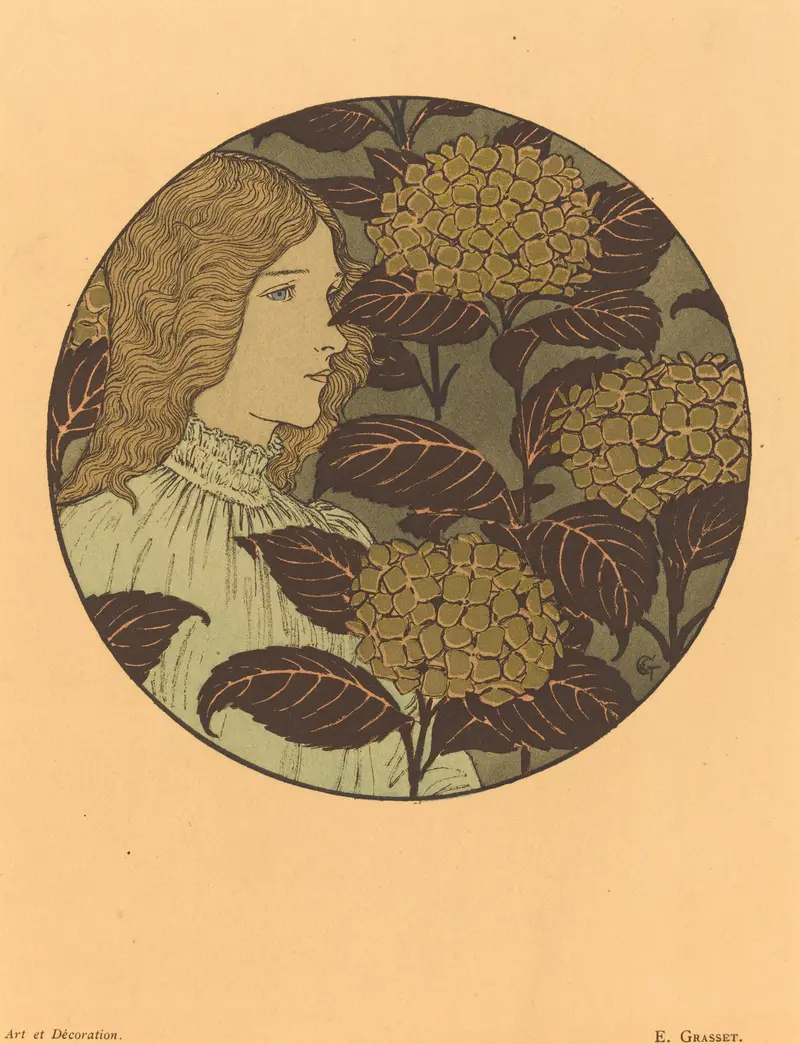
Portrait of a Girl (Roundel)
Eugène Grasset
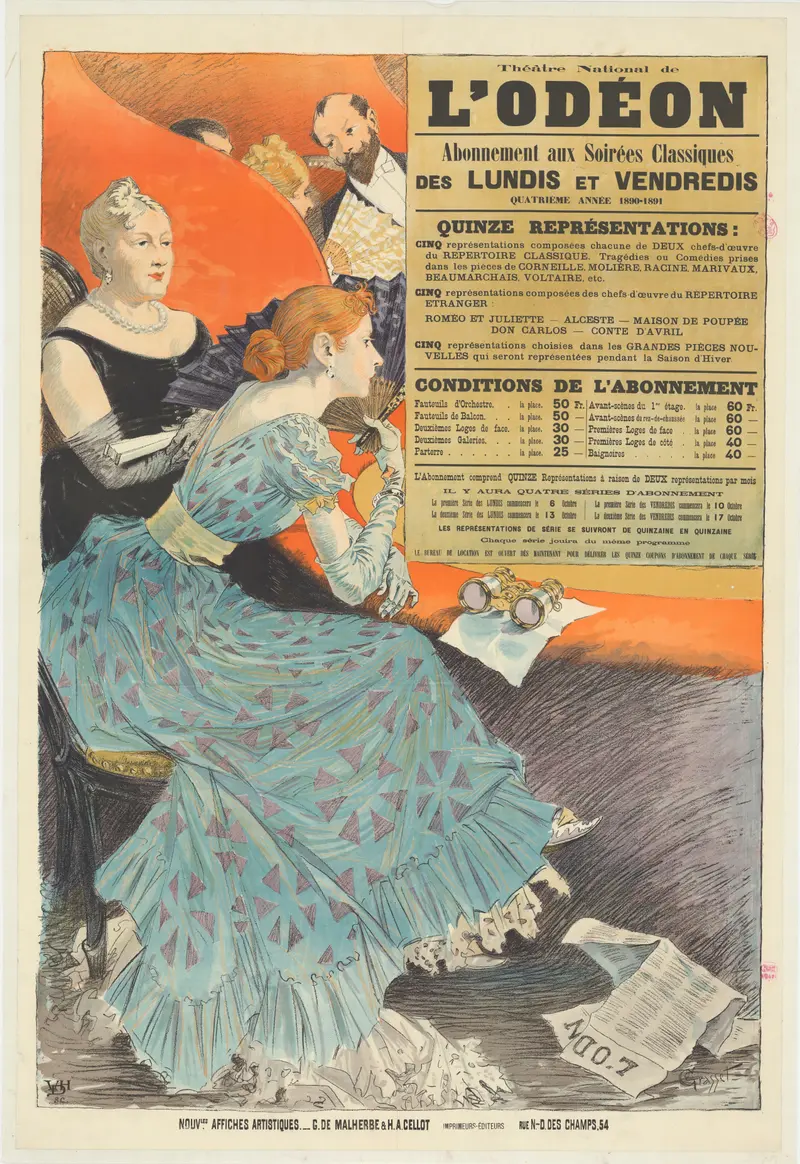
Théâtre National de l'Odéon
Eugène Grasset
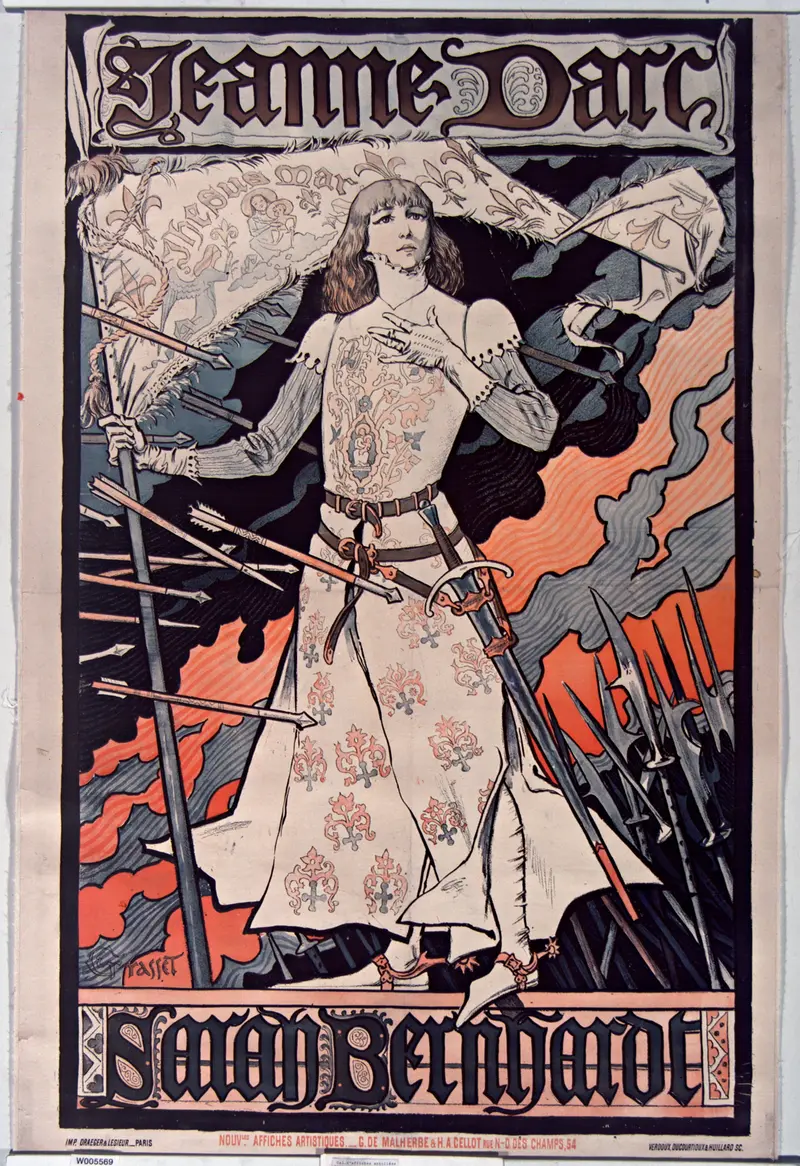
Jeanne d'Arc – Sarah Bernhardt
Eugène Grasset
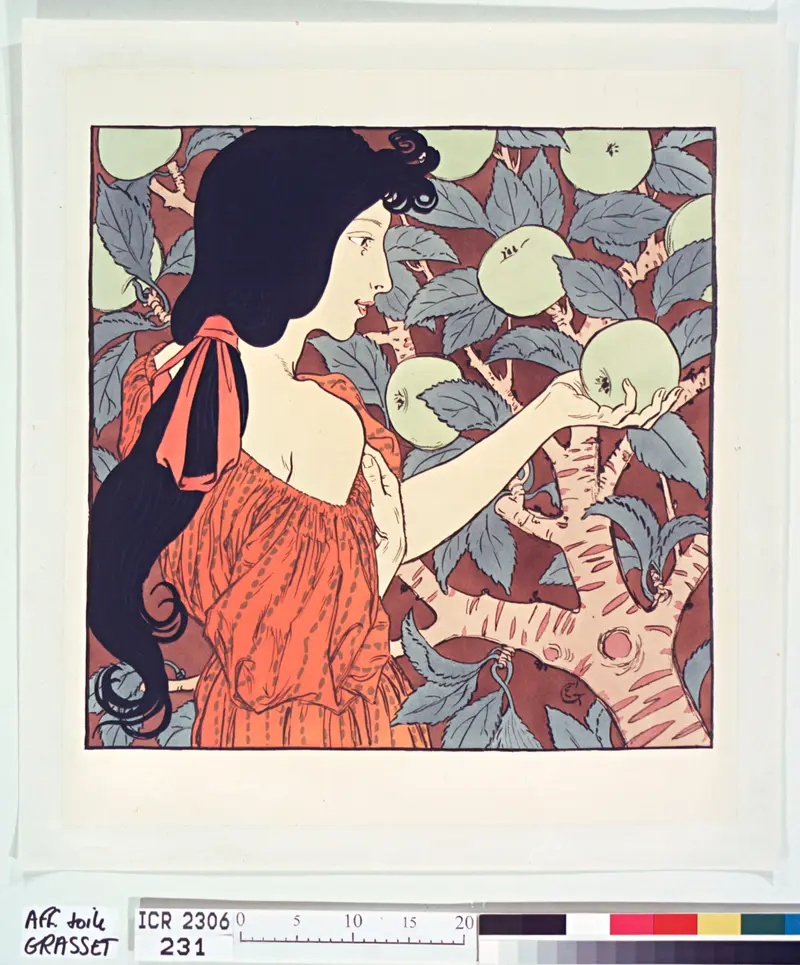
Tentation
Eugène Grasset

Mark Twain's Joan of Arc
Eugène Grasset
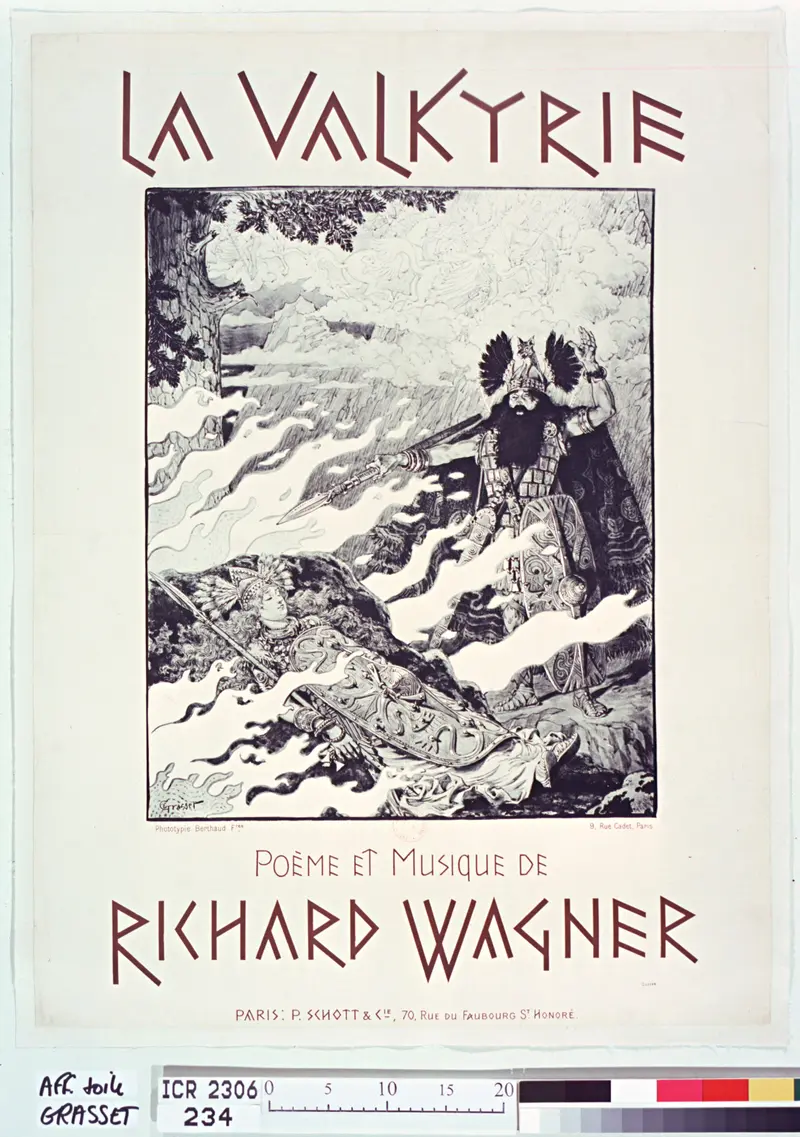
La Walkyrie
Eugène Grasset
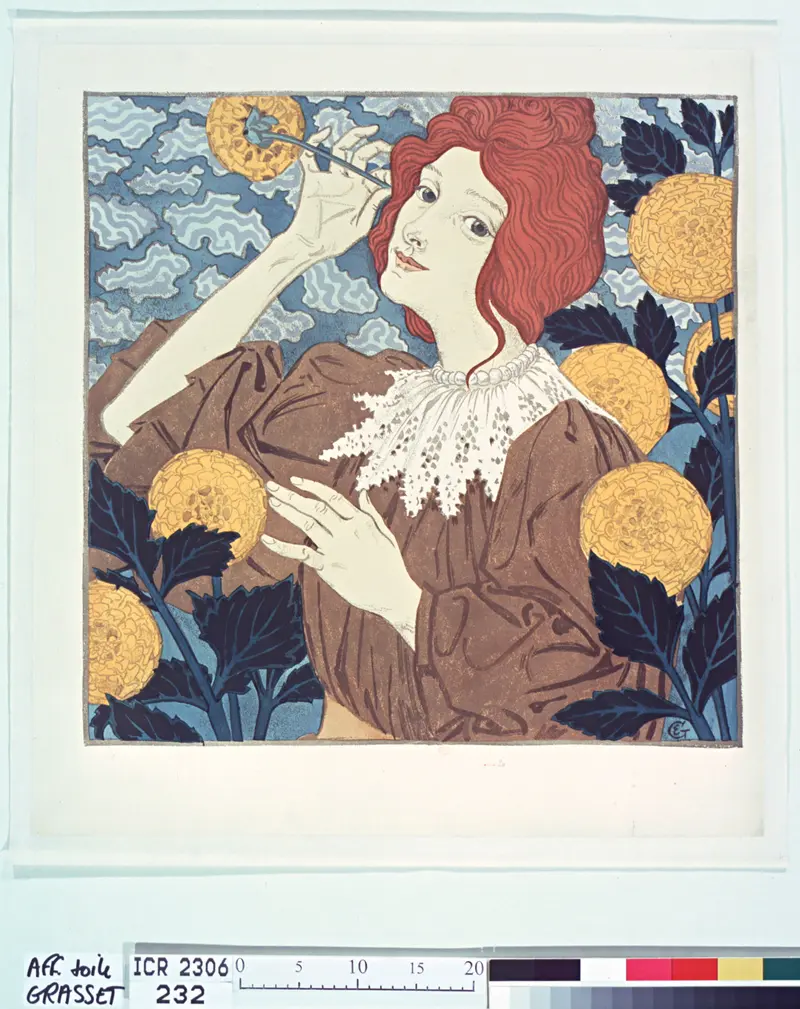
Coquetterie
Eugène Grasset
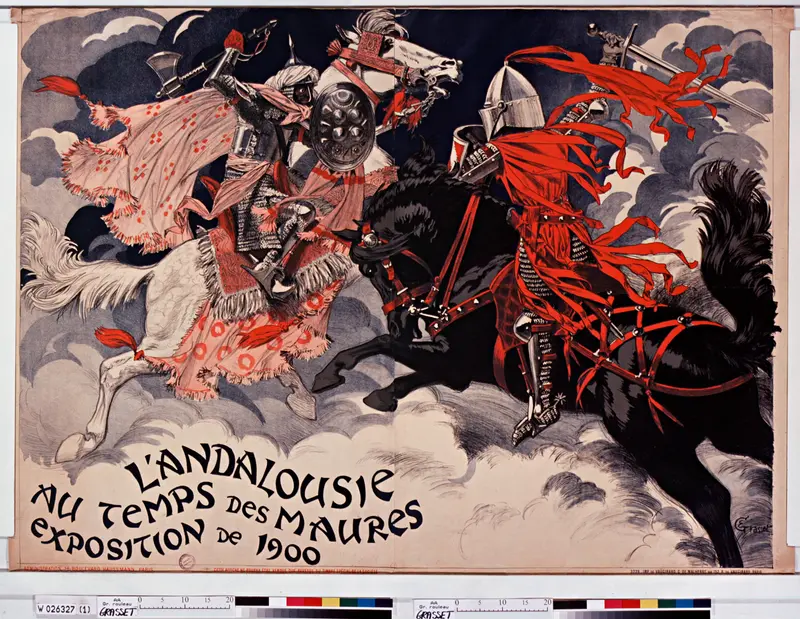
L'Andalousie au temps des Maures
Eugène Grasset
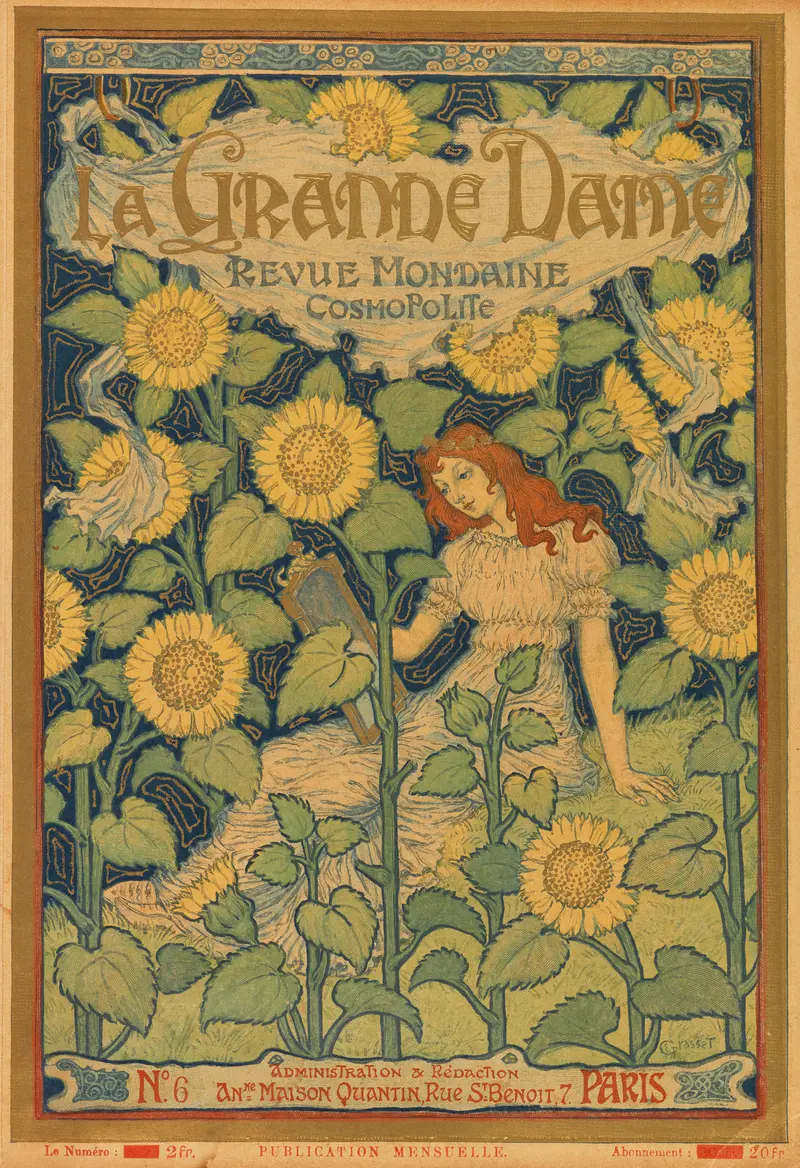
La Grande Dame
Eugène Grasset