Fields and Cereals Studies — History & Facts
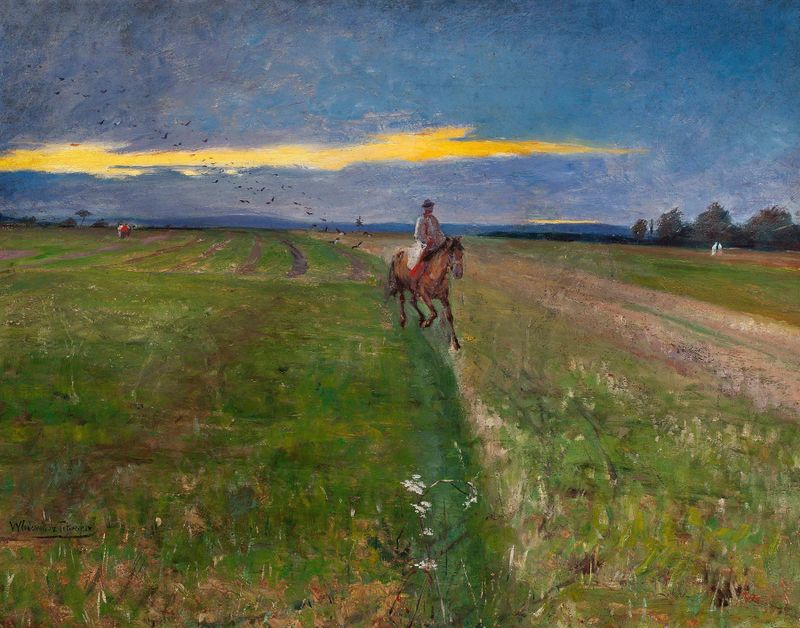
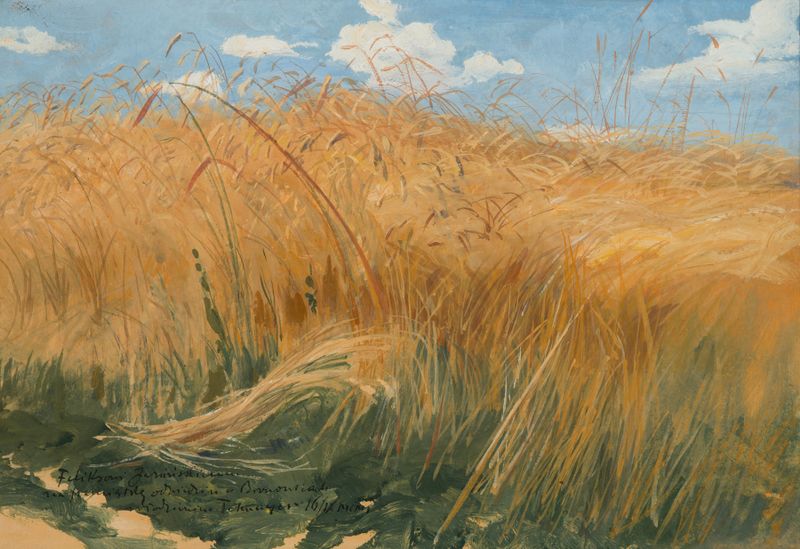
Can beauty exist without sorrow? In the delicate balance of nature, one finds faith woven into the very fabric of existence, captured timelessly in fields of grain. Look closely at the intricate patterns woven across the canvas. The earthy browns and golden yellows blend harmoniously, inviting the viewer's gaze to explore the undulating landscape. Notice how the brushstrokes create an impression of movement — the wind dancing through the tall grasses — while shadows play delicately along the ground.
This rhythmic composition evokes a sense of serene vitality, inviting contemplation of the life that flourishes from the soil. Yet, within this serene imagery lies an undercurrent of tension. The juxtaposition of light and shadow suggests an inevitable cycle of growth and decay, echoing the fragility of human existence. The vibrant fields, while representing abundance and hope, also remind us of the hardships faced by those who toil in them.
Each grain symbolizes not just sustenance, but the labor, dreams, and sometimes despair of the farmers. This duality resonates deeply, as the viewer grapples with the profound beauty that coexists with life’s challenges. Włodzimierz Tetmajer painted Fields and Cereals Studies in 1901 during a period of personal exploration and reflection. Living in Poland, he sought to connect deeply with the rural landscapes and traditions of his homeland, amidst the backdrop of a changing art world that embraced Impressionism.
This painting encapsulates his commitment to capturing both the bountiful beauty of nature and the emotional weight carried by those who cultivate it, marking a pivotal moment in his artistic journey.