Figures on a country road — History & Facts
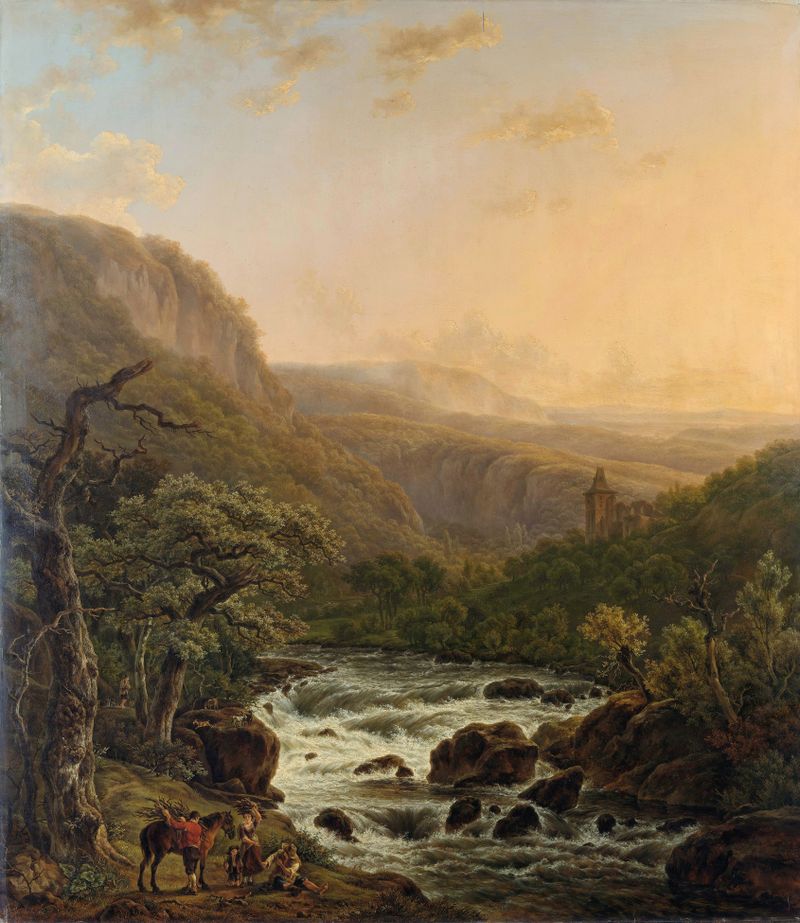
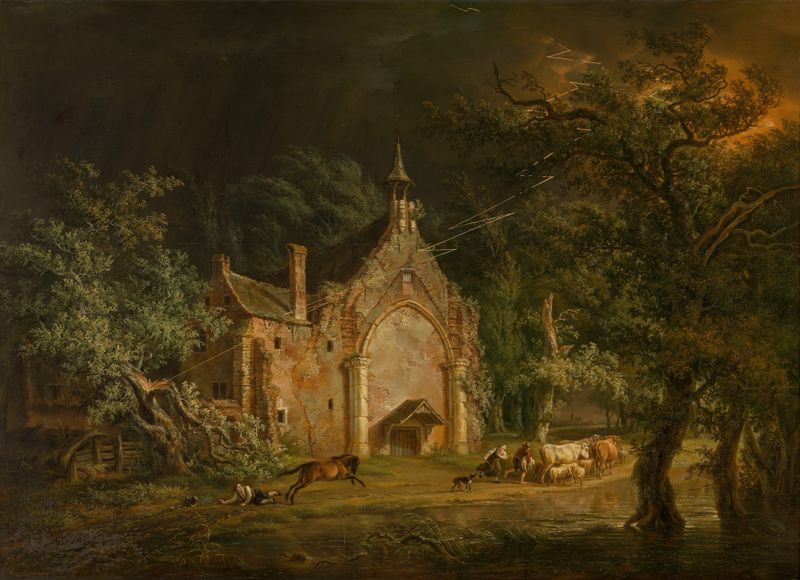
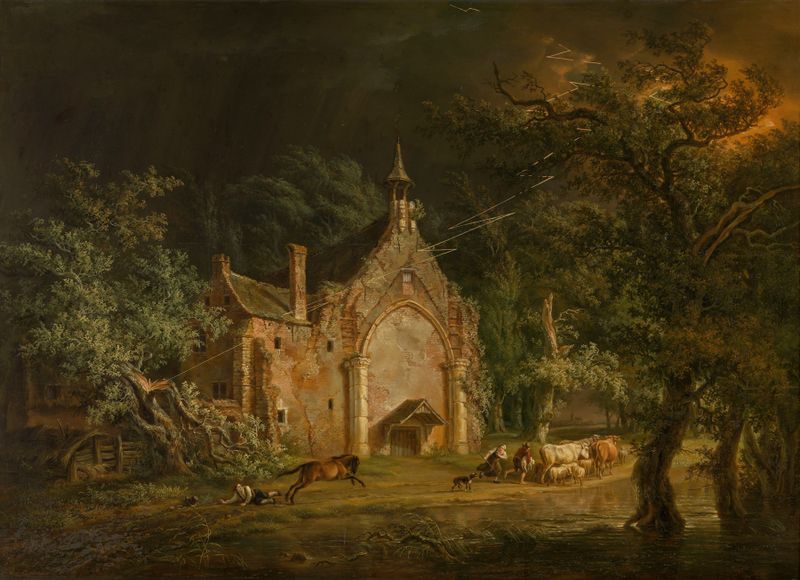
Could a single brushstroke hold eternity? In Figures on a country road, an unyielding sense of obsession weaves through the landscape, inviting viewers into a world where every detail pulses with emotion and intent. Look to the left at the gentle curve of the road, where figures meander with a sense of purpose. The palette is awash in earth tones, soft greens, and muted browns, evoking a serene yet melancholic atmosphere. The brushstrokes are both deliberate and spontaneous, creating a texture that mirrors the flickering thoughts of the passerby.
The sky looms overhead, rendered in wisps of clouds that hint at the passage of time, while the figures, though small, command attention with their dynamic posture against the vast, open background. Yet, it is in the tension between the figures and their surroundings that deeper meanings emerge. Notice the juxtaposition of movement and stillness — the way the road seems to stretch infinitely ahead, symbolizing both the journey of life and the weight of choices. The figures, perhaps lost in their thoughts or conversing, convey emotional depth, suggesting a narrative of connection and solitude.
This subtle play of light and shadow amplifies their presence, as if the road itself serves as a witness to their secrets and aspirations. Henri van Assche painted this work during a period marked by introspection and exploration of the human condition in art. Although the exact date remains uncertain, it reflects a time when artists were increasingly drawn to the themes of daily life and the natural world. Van Assche’s engagement with the landscape genre reveals his desire to capture not just the physical space, but the emotional landscapes that shape human experience.