Figures on a promenade — History & Facts
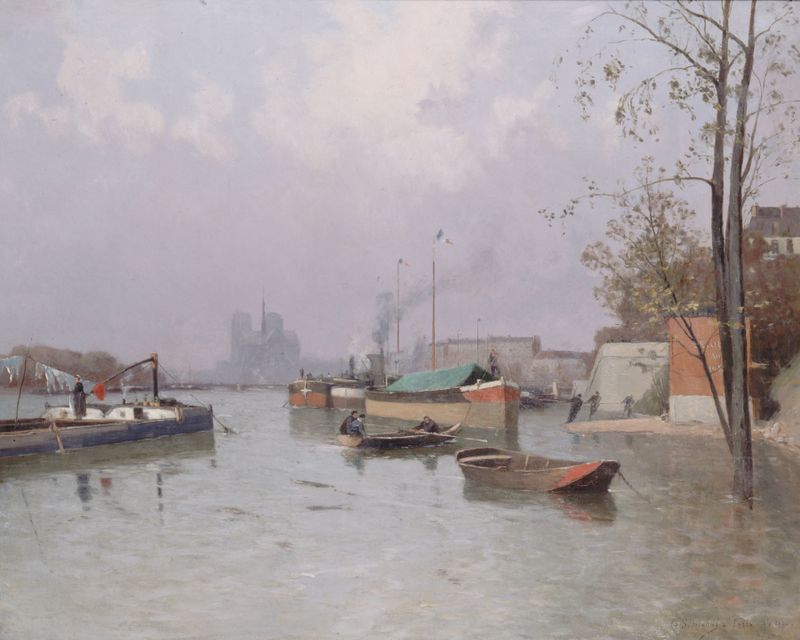
Did the painter know this moment would outlive them? In Figures on a promenade, a picturesque gathering unfolds, rich with the promise of hope and connection, captured in the delicate strokes of a bygone era. Look to the left at the couple seated on a bench, their figures bathed in soft sunlight that filters through the trees. The vibrant greens and gentle pastels evoke a serene atmosphere, while the dynamic play of light and shadow suggests an interplay between joy and introspection. The positioning of the figures creates a harmonious balance, inviting viewers to step into their world and share in their unspoken exchange. As you delve deeper into the scene, notice the contrast between the vitality of the promenaders and the stillness of the bench.
This juxtaposition speaks to the fleeting nature of life and the moments we cherish amidst the bustle. The distant figures, blurred into the background, hint at the broader spectrum of humanity that exists beyond the immediate frame—each person carrying their own hopes and dreams, adding layers to the narrative that is both personal and universal. In 1882, the artist was navigating a transformative period in French art, influenced by the Impressionist movement yet adhering to his own distinct style. Working in Paris, where the cultural landscape was evolving rapidly, he captured the essence of leisure and companionship, reflecting a time when the urban experience was burgeoning.
This painting encapsulates not just a moment but an enduring sentiment, as relevant today as it was then.