
Figures Walking Along the River — History & Facts
In Figures Walking Along the River, we are invited to glimpse the delicate tension between calm and tumultuous forces of nature, embodied by the figures navigating the riverside. Look closely at the serene water’s surface, glistening under a soft golden light as it flows gently along the bank. To the left, a pair of figures strides purposefully, their reflections dancing in the rippling current. Notice the subtle brushwork that captures the rustling leaves overhead; they seem to whisper secrets of the wild.
The muted palette harmonizes greens and browns, while dabs of vibrant white suggest life shimmering just beneath the tranquil veneer. Beneath the surface, there is an unsettling contrast between the serene landscape and the potential violence of nature. The figures, though seemingly at peace, are dwarfed by the imposing trees, reminding us of humanity's fragility in the face of the natural world. Every stroke captures a fleeting moment of calm, yet the very act of walking along the river suggests an impending rush, a reminder that serenity can be deceptive. In 1876, Edmund Darch Lewis painted Figures Walking Along the River while immersed in the American art scene, influenced by the luminism movement that emphasized light and atmosphere.
During this period, landscapes were becoming a focal point for artists in search of capturing the beauty and complexity of the world around them. This work reflects the artist's own exploration of nature’s duality, navigating the delicate border between tranquility and the chaos that lies beneath.
More Artworks by Edmund Darch Lewis
Browse all →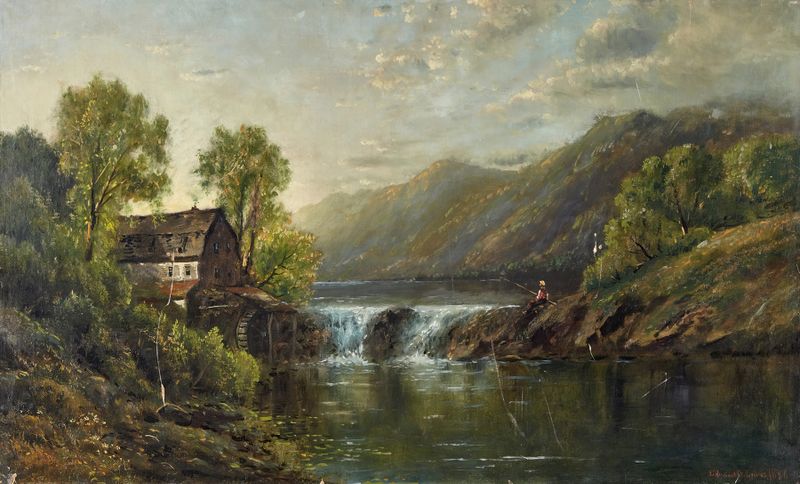
The Old Mill Stream
Edmund Darch Lewis
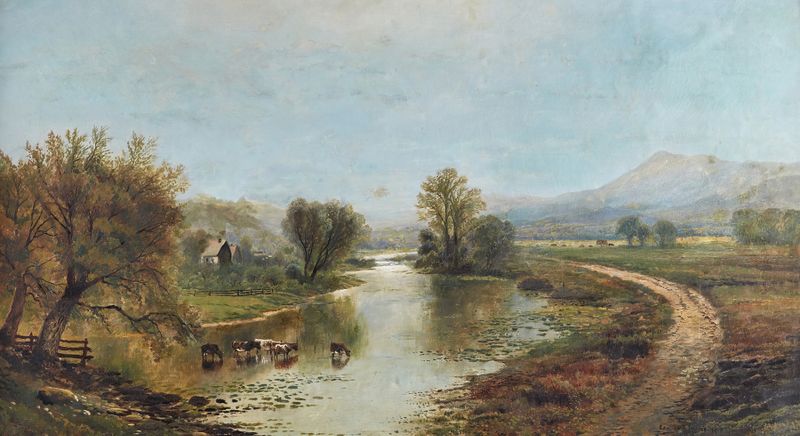
Panoramic Landscape with Farms, River, Cows and Mountains
Edmund Darch Lewis
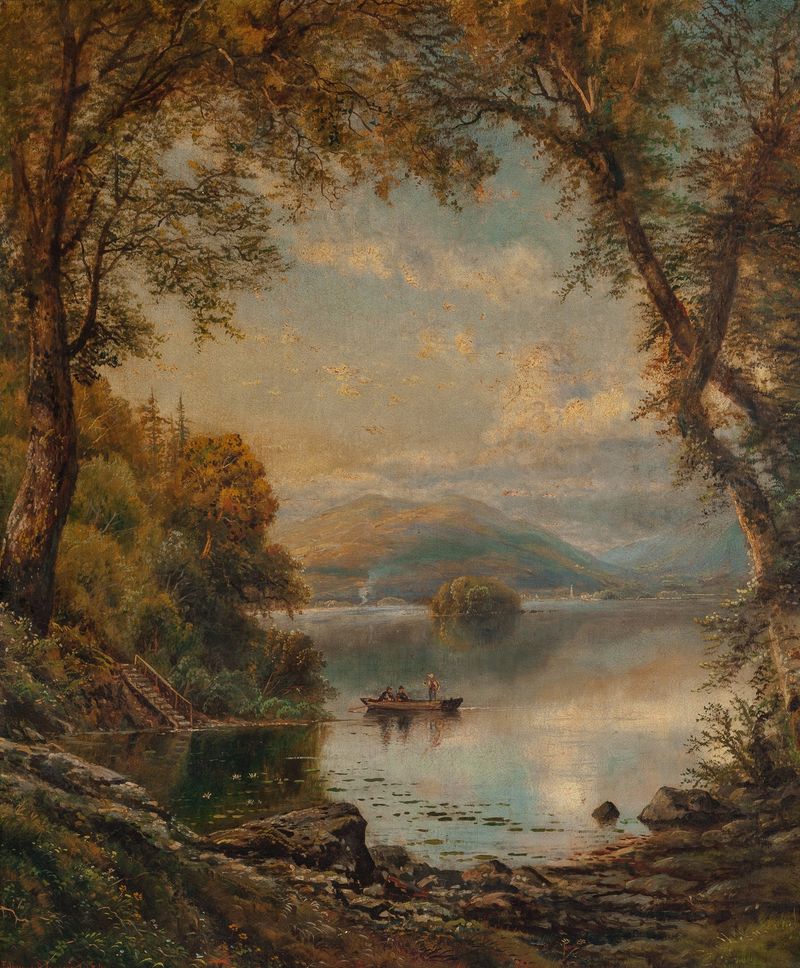
Lake Landscape with Fishermen
Edmund Darch Lewis
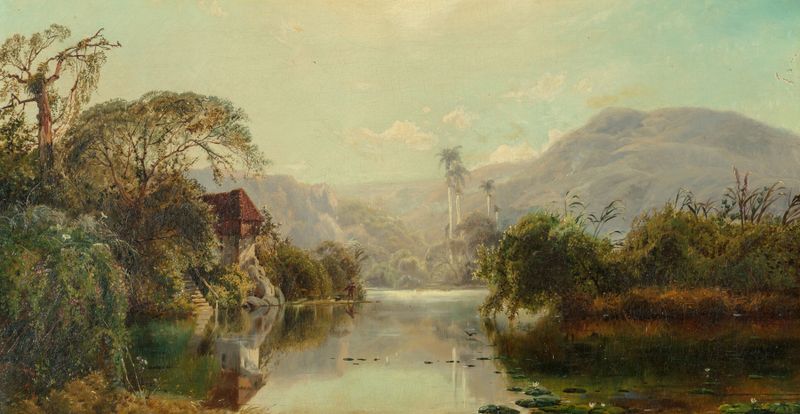
View of Cuba
Edmund Darch Lewis
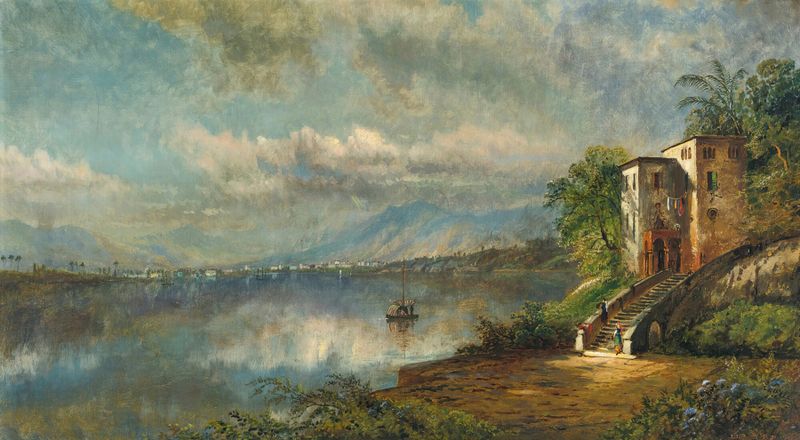
Santiago De Cuba
Edmund Darch Lewis
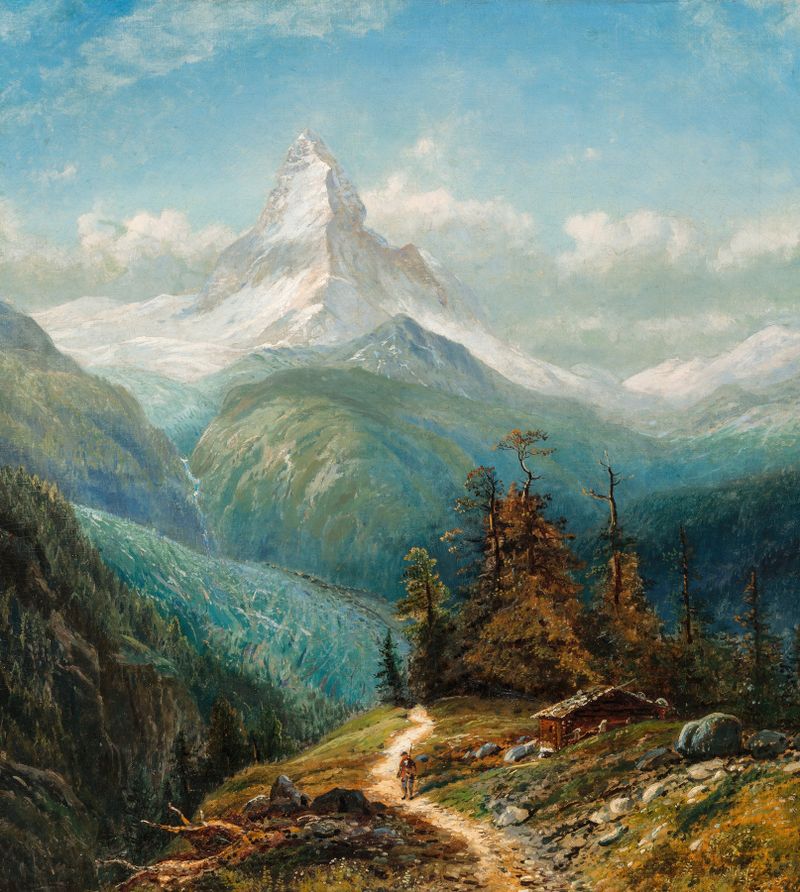
The Matterhorn
Edmund Darch Lewis

Ships at Sea on a Rocky Coast
Edmund Darch Lewis
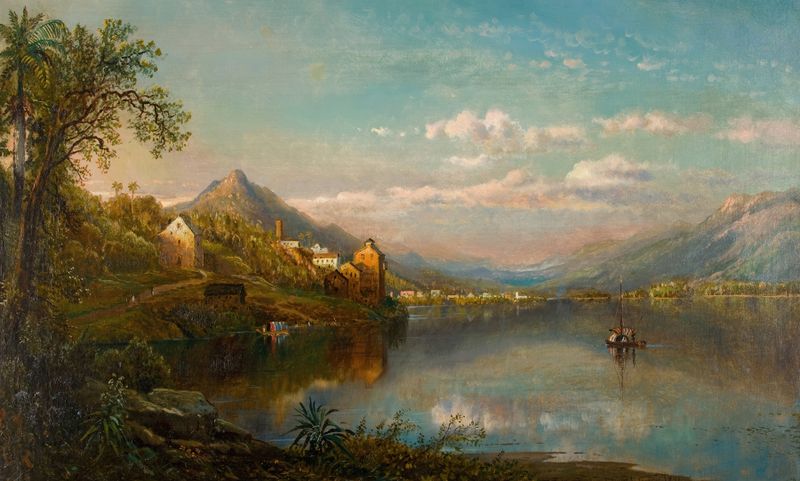
A View of Cuba
Edmund Darch Lewis





