
The Matterhorn — History & Facts
Can paint confess what words never could? In The Matterhorn, the beauty of innocence is captured in a moment that transcends verbal expression. The canvas invites us to breathe in the purity of nature, holding a mirror to the untouched realm of the mountains. Look to the left, where the majestic peak towers against a backdrop of azure skies, its jagged edges softened by gentle light. The artist employs a delicate palette of whites and cool blues, allowing the snow-capped summit to gleam with an ethereal glow.
Notice how the foreground is painted with lush, green meadows, inviting viewers to linger, as if they could step into the frame and feel the cool breeze. Each stroke of the brush breathes life into the landscape, reflecting a serene harmony between the mountain and the earth below. Yet, it is the contrast of nature's grandeur and the realm of human experience that resonates deeply. The quietude of the scene holds a weight of innocence, evoking feelings of nostalgia for simpler times.
The distance between the viewer and the towering Matterhorn speaks to a longing for exploration, while the untouched beauty underscores the fragility of such unblemished landscapes. The incongruity between the sublime mountain and the human longing for connection is a timeless tension. Edmund Darch Lewis painted this work in 1872, during a period marked by a growing fascination with the natural world in the art community. Settled in Pennsylvania, he sought inspiration from the Alps, reflecting the Romantic idealism that permeated the era.
The painting emerged as a testament to his technical prowess and deep appreciation for the sublime, encapsulating the artistic pursuit of capturing both the beauty and the essence of nature.
More Artworks by Edmund Darch Lewis
Browse all →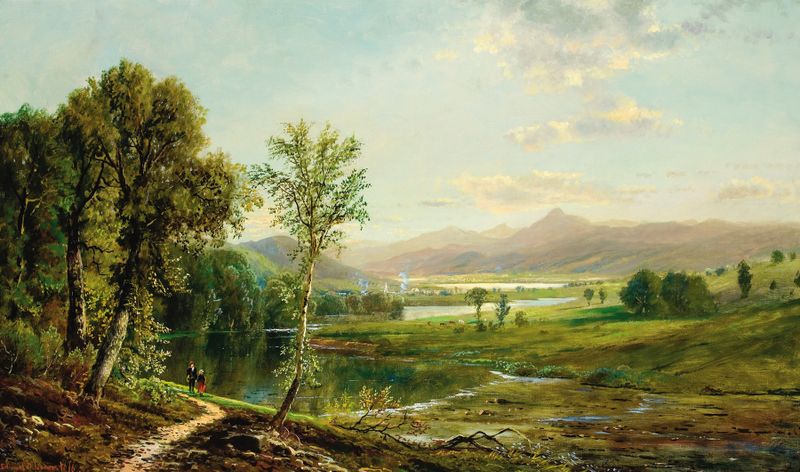
Figures Walking Along the River
Edmund Darch Lewis
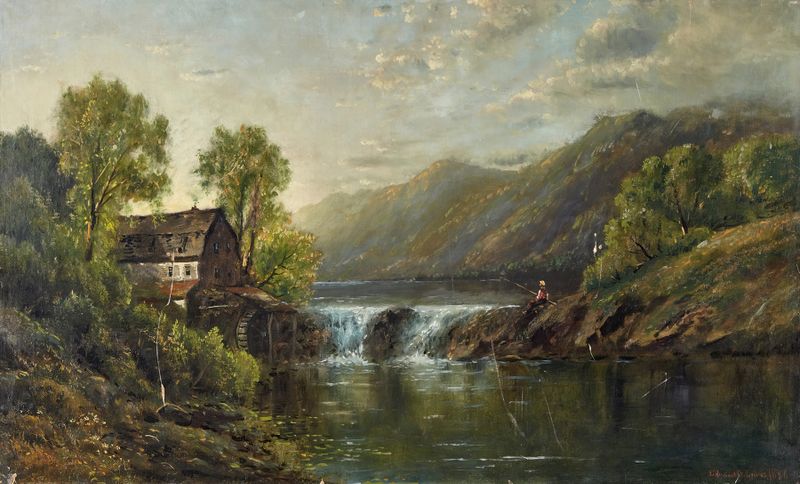
The Old Mill Stream
Edmund Darch Lewis
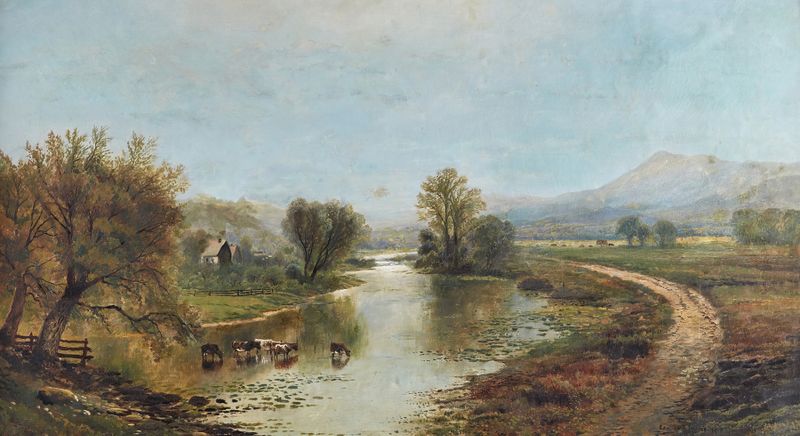
Panoramic Landscape with Farms, River, Cows and Mountains
Edmund Darch Lewis
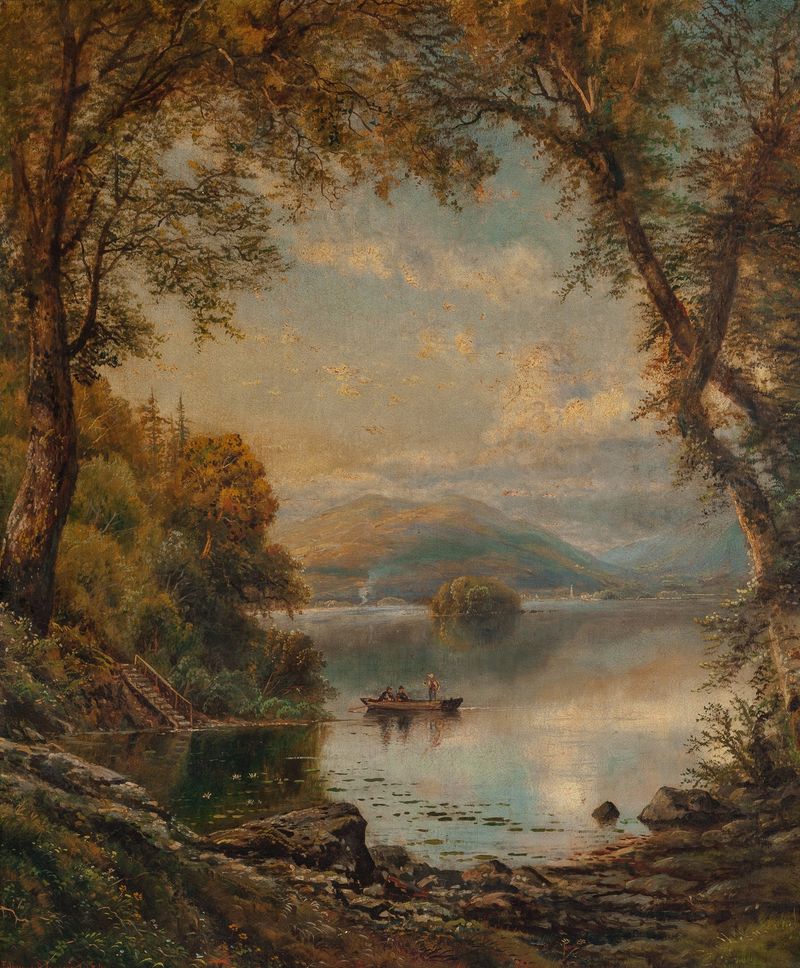
Lake Landscape with Fishermen
Edmund Darch Lewis
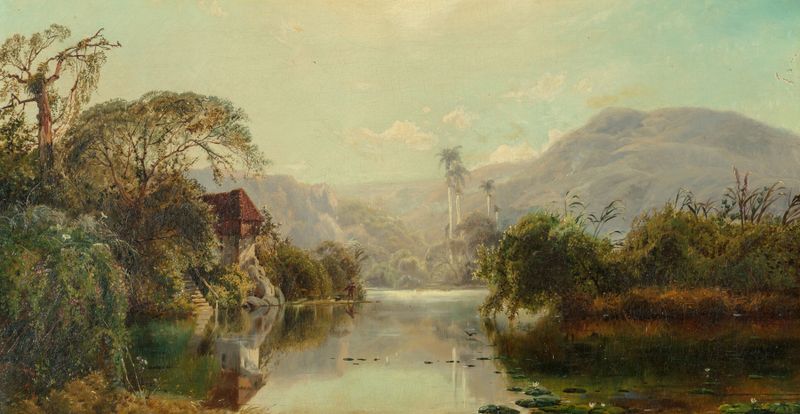
View of Cuba
Edmund Darch Lewis
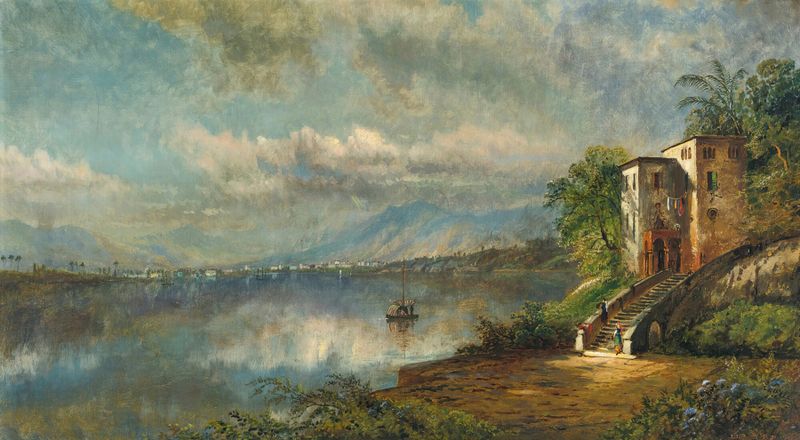
Santiago De Cuba
Edmund Darch Lewis

Ships at Sea on a Rocky Coast
Edmund Darch Lewis
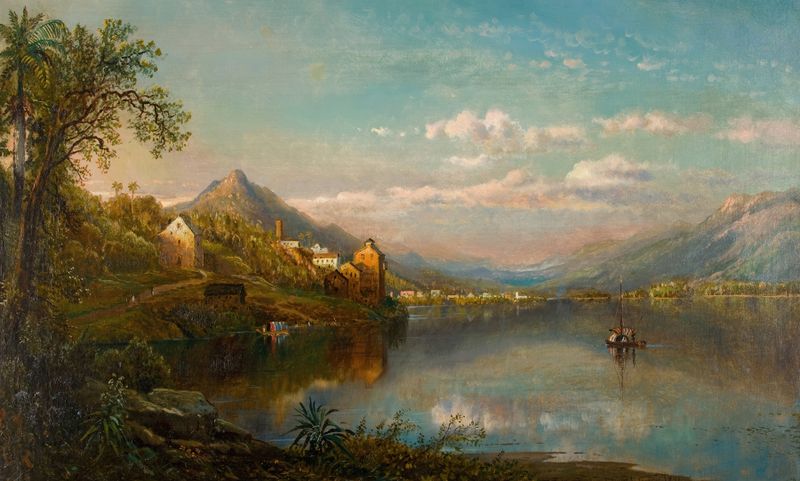
A View of Cuba
Edmund Darch Lewis





