
View of Cuba — History & Facts
Can beauty exist without sorrow? In the calm yet vibrant landscape of Cuba, Edmund Darch Lewis encapsulates a moment of serene transformation, where light and shadow dance across the horizon, hinting at deeper narratives. Look to the left, where the sun bathes the lush greenery in warm golden hues, contrasting with the shadows that creep along the water's edge. The meticulous brushwork reveals individual leaves and rippling waves, inviting your eyes to wander through the tranquil scene. Notice how the palets of greens and blues create a harmonious symphony, blending the lush flora with the shimmering sea, while soft clouds float lazily in the sky, emphasizing the stillness of the moment. Yet, beneath this picturesque surface lies a poignant duality.
The vibrant life blooming in the foreground juxtaposes the still waters that suggest both reflection and depth, hinting at untold stories beneath the surface. This balance of exuberance and quiet melancholy speaks of the island's historical complexities, provoking a realization that beauty often coexists with an underlying sorrow that shapes it. In 1860, Lewis painted this work from his studio in New York, during a time when the United States grappled with pre-Civil War tensions. Influenced by the Romantic movement's fascination with nature, he sought to portray the idyllic landscapes of Cuba, reflecting both personal aspirations and broader artistic trends.
Lewis's commitment to capturing the beauty of the Caribbean reveals a desire to document vanishing worlds as the era of transformation unfolded.
More Artworks by Edmund Darch Lewis
Browse all →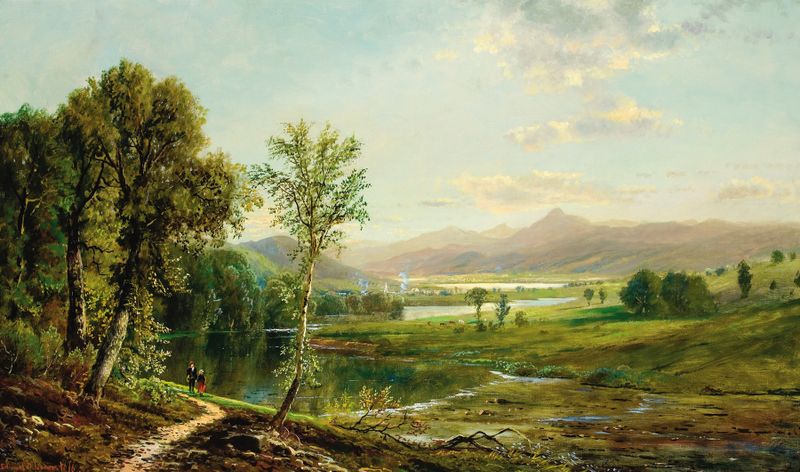
Figures Walking Along the River
Edmund Darch Lewis
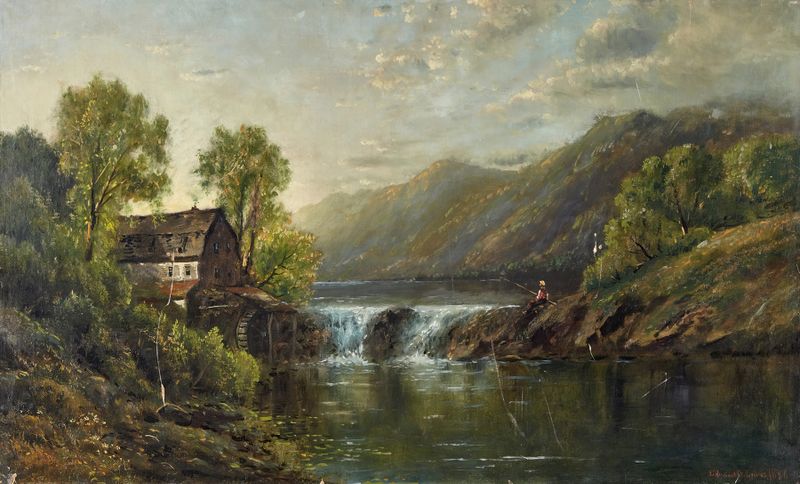
The Old Mill Stream
Edmund Darch Lewis
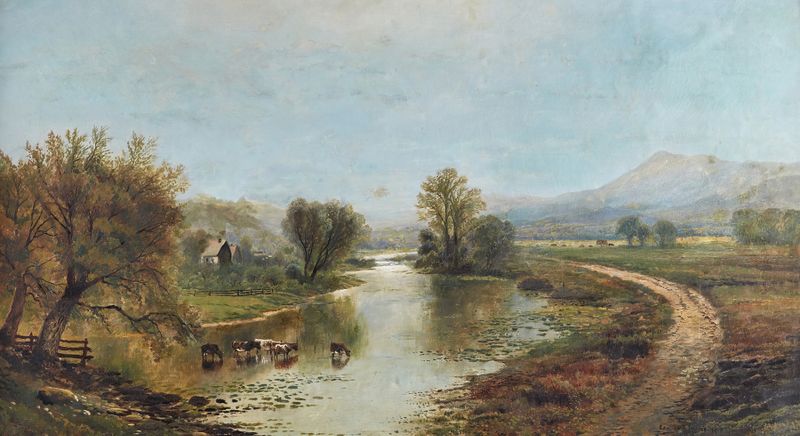
Panoramic Landscape with Farms, River, Cows and Mountains
Edmund Darch Lewis
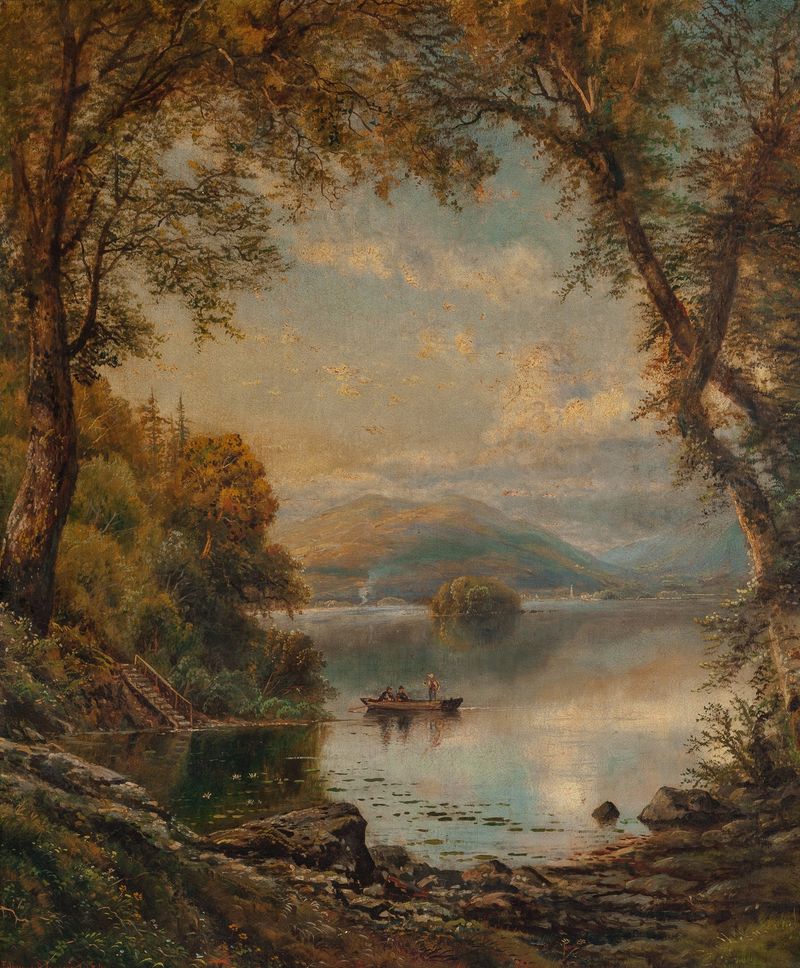
Lake Landscape with Fishermen
Edmund Darch Lewis
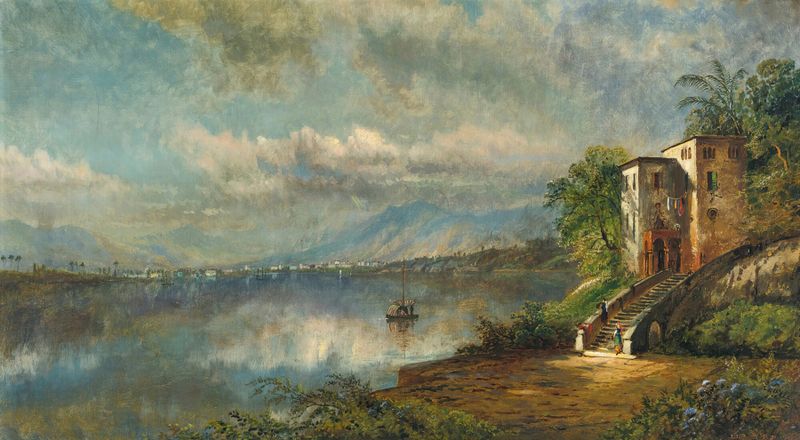
Santiago De Cuba
Edmund Darch Lewis
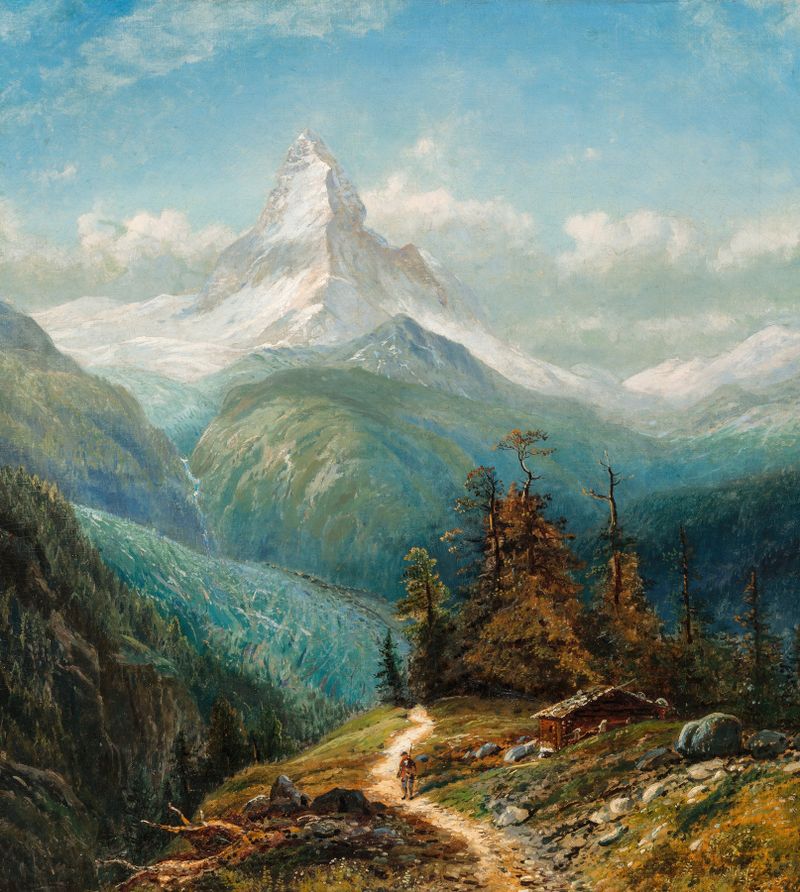
The Matterhorn
Edmund Darch Lewis

Ships at Sea on a Rocky Coast
Edmund Darch Lewis
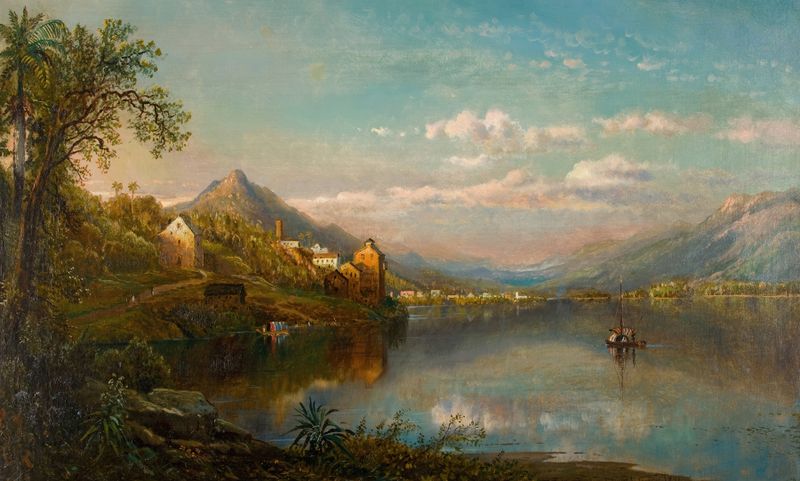
A View of Cuba
Edmund Darch Lewis





