First Buds — History & Facts
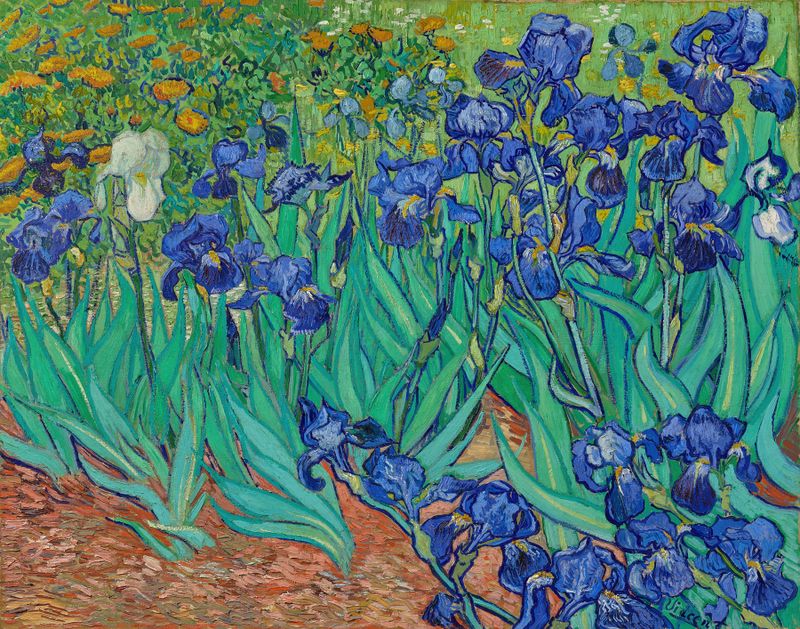
Who listens when art speaks of silence? In First Buds, the stillness hangs like a breath caught between past and present, inviting contemplation and reflection. Look to the upper left corner, where soft greens and delicate whites emerge from a muted background, suggesting the first whispers of spring. The gentle brushstrokes form tender buds, each one seemingly poised to unfold, bathed in a warm light that feels both hopeful and anticipatory. Notice how the composition draws your gaze inward, the subtle interplay of colors evoking a sense of calm while urging you to linger on the intricate details of nature’s awakening. Yet beneath the surface beauty lies an emotional complexity.
The contrast between the vibrant buds and the somber backdrop suggests a poignant tension between renewal and the remnants of winter. Each budding flower symbolizes potential and rebirth, while also evoking the fragility of life and memory. This dichotomy enhances the work's ability to speak to personal experiences of growth, loss, and the quiet moments that shape our understanding of time. In 1910, Heine Rath painted this piece during a period marked by artistic exploration and a burgeoning interest in the intersection of nature and emotion.
Living in a world that was evolving rapidly, Rath was influenced by the Symbolist movement, which sought to convey deeper meanings through imagery. As he captured this moment of awakening, Rath was not only reflecting on the cycle of life but also responding to the broader shifts in society and perception, encapsulating a feeling of nostalgia and hope.