First snow — History & Facts
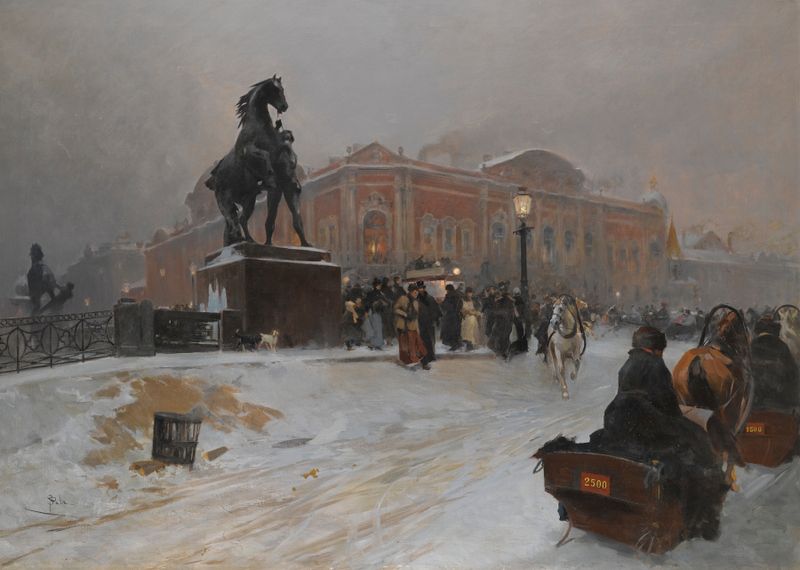
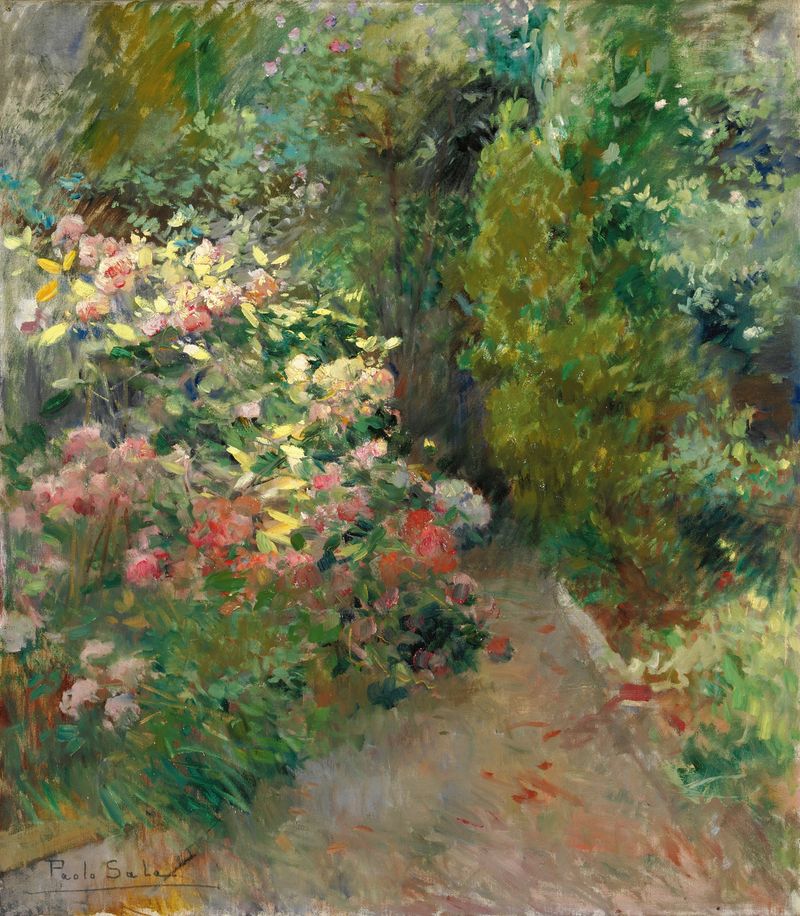
Could a single brushstroke hold eternity? In First Snow, the passage of time takes on an ethereal quality, inviting viewers to consider the fleeting nature of seasons, moments, and memories. Look to the left, where soft, muted whites and grays blend seamlessly, capturing the quiet hush of freshly fallen snow. The delicate strokes evoke a sense of stillness, while the subtle contrasts of light and shadow breathe life into the winter landscape. Notice how the trees frame the scene, their bare branches adorned with a dusting of snow, creating a harmonious balance between emptiness and fullness.
This composition draws the eye inward, encouraging contemplation of what lies beneath the surface of the snow. Hidden beneath the tranquil exterior lies a tension between warmth and cold, life and dormancy. The soft textures suggest both the beauty of nature’s cycles and the melancholy of impermanence, as if the viewer is caught in a moment suspended between the past and the inevitable return of spring. The painting also speaks to the inner landscape of human experience, mirroring the quiet introspection that often accompanies the first snowfall, a moment that captures both nostalgia and hope. In 1908, Paolo Sala created First Snow amidst the burgeoning modernist movement in Italy.
This period saw a shift in artistic expression as artists explored new techniques and themes, reflecting the changing social landscape. Sala, influenced by the Impressionists, sought to convey emotional depth through his rendering of everyday scenes, capturing the essence of life as it unfolded, evoking both memory and reflection.