Oxford Street — History & Facts
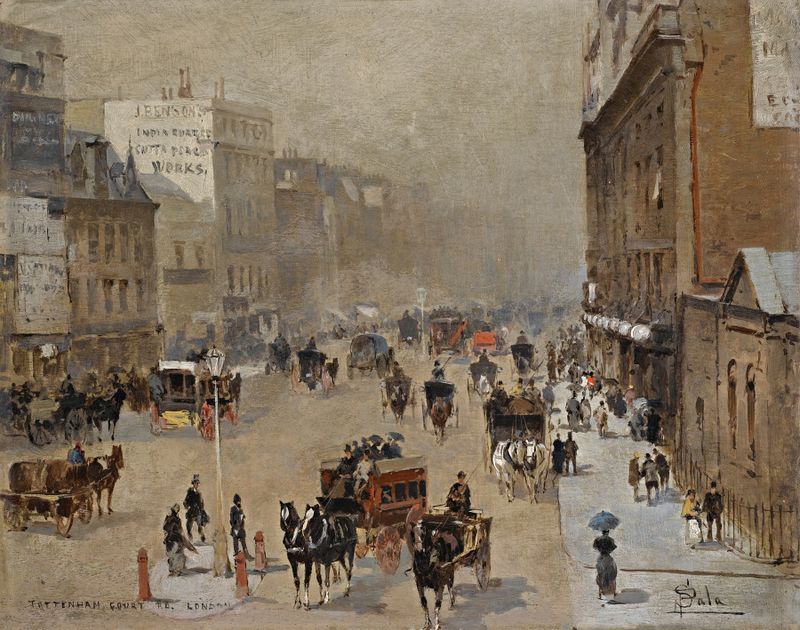
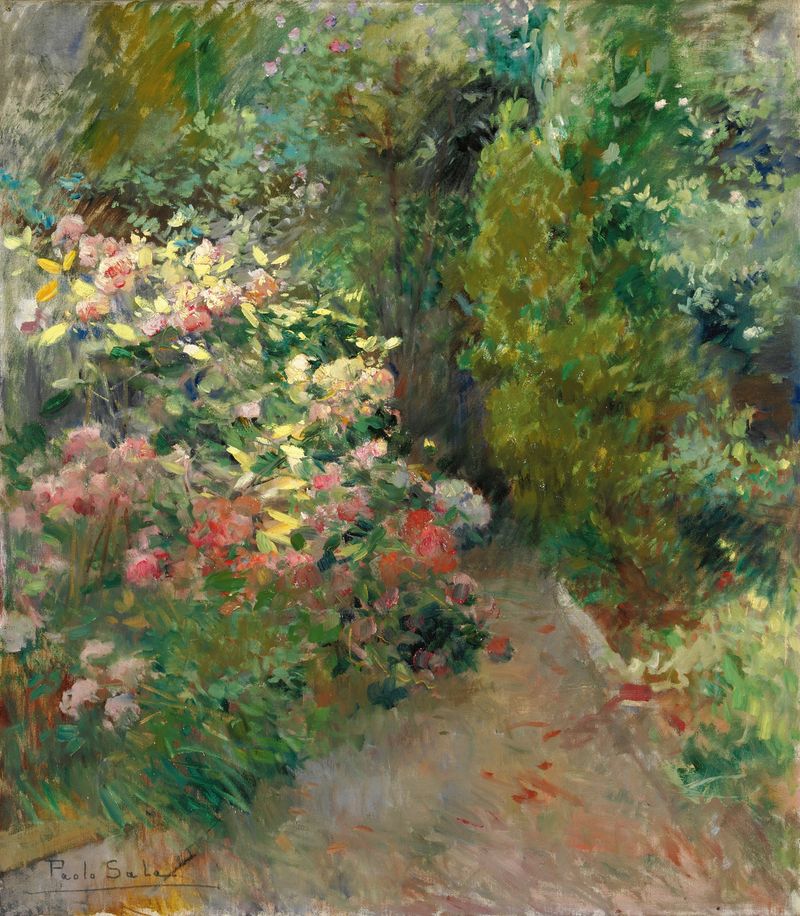
In the chaos of bustling streets, how does an illusion become a memory? Look to the center of the canvas where vibrant swathes of color collide, depicting a lively street scene that pulses with life. The kaleidoscope of hues—rich reds, deep blues, and sunlit yellows—invites the viewer’s gaze to dance across the composition. Notice how the lines blur at the edges, creating an ethereal quality that both defines and obscures the figures engaged in their daily dramas.
The artist’s use of bold, sweeping strokes brings a dynamic energy, as if capturing a fleeting moment in time. Within the layers of color lies a deeper commentary on perception versus reality. The illusion of movement in the painted figures suggests the hurried pace of urban life while simultaneously hinting at a fragility that accompanies such velocity. Shadows linger in unacknowledged corners, emphasizing the contrasts between light and dark, vitality and solitude.
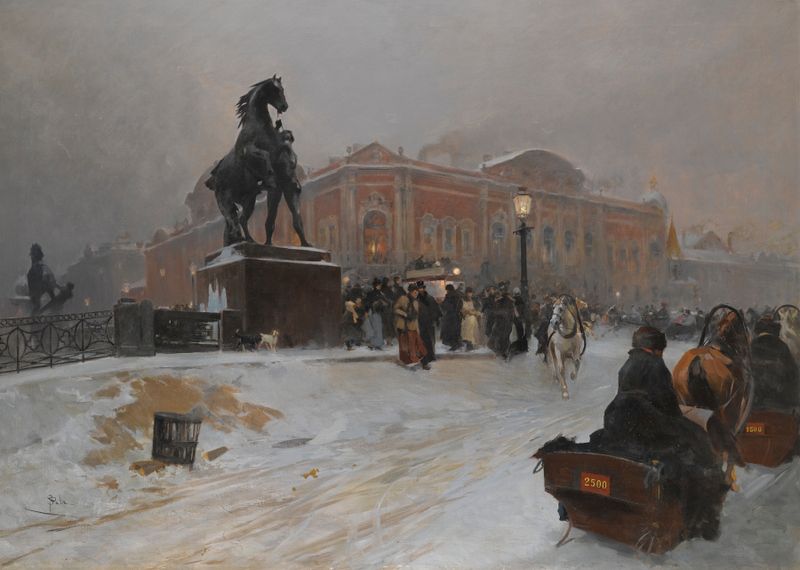
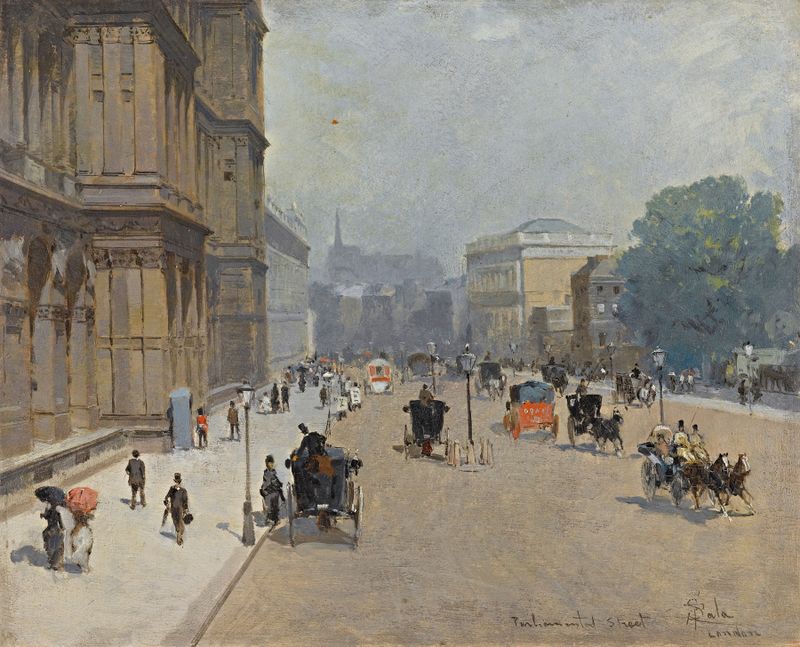
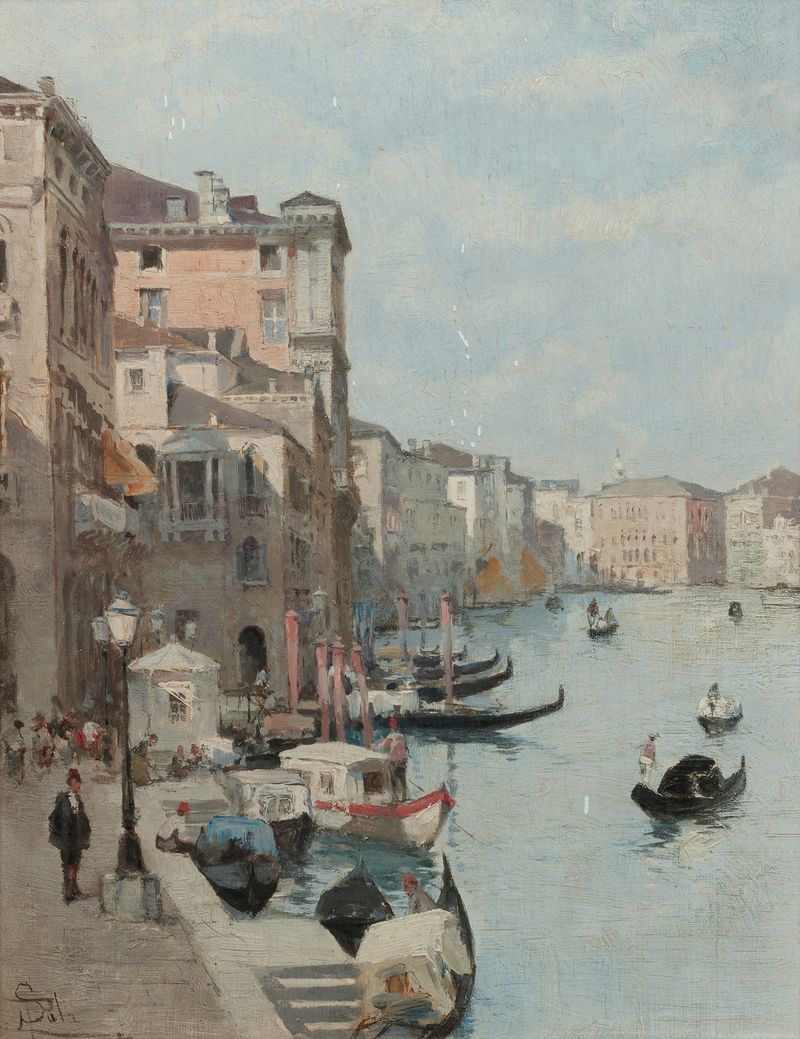
Each character seems to oscillate between existence and non-existence, inviting contemplation about what is seen and what remains hidden beneath the surface. Paolo Sala created this artwork during a period marked by urban exploration and the rise of impressionistic techniques. While the exact date remains unknown, it likely reflects his immersion in the vibrancy of city life, capturing the essence of human experience in a rapidly changing world. As artists sought to document the fleeting moments of modern existence, this piece stands as a testament to that quest, celebrating both movement and the ephemeral nature of memory.