
Fishermen at the harbour wall, low tide — History & Facts
Could beauty survive in a century of chaos? This question lingers as we gaze upon the tranquility captured in the work of an artist whose brush danced on the edge of stormy seas and peaceful shores alike. Focus on the left side of the canvas, where fishermen engage in earnest conversation, their figures silhouetted against the shimmering water that reflects the gentle hues of dusk. Notice the way the soft ochres and blues blend seamlessly, evoking nostalgia for a simpler time. The careful arrangement of boats lined up along the harbour wall invites the viewer to explore the rhythm of life at low tide, where moments of stillness punctuate the ebb and flow of daily labor. As the eye wanders, hidden meanings unfold—each fisherman represents a thread in the tapestry of community life, while the low tide symbolizes the transient nature of fortune and opportunity.
The contrast between the robust figures and the delicate water suggests a harmony between human endeavor and nature’s capriciousness. The scene whispers of fleeting beauty, of lives intertwined with the ebbing waves, and of memories that linger long after the tide has risen. In 1833, Théodore Gudin painted this piece during a period of significant change in France, as the nation oscillated between revolution and restoration. Living in Paris, Gudin was deeply influenced by the Romantic movement, which celebrated individual experience and emotion, alongside a growing interest in maritime scenes, inspired by both the picturesque and the sublime found in nature.
More Artworks by Théodore Gudin
Browse all →
Sormy Seas by a Chalk Coast
Théodore Gudin

The Gulf of Naples with View of Mount Vesuvius
Théodore Gudin
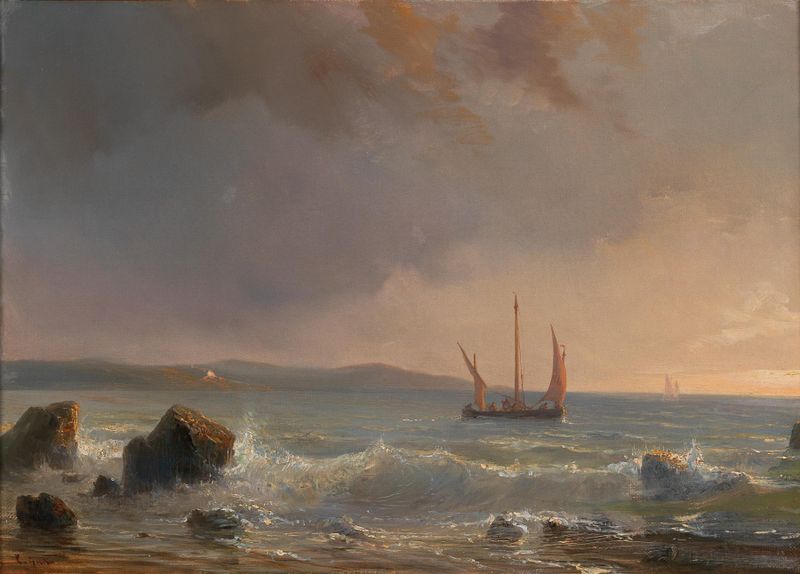
Abendstimmung über einer Meereslandschaft mit Segelbooten
Théodore Gudin
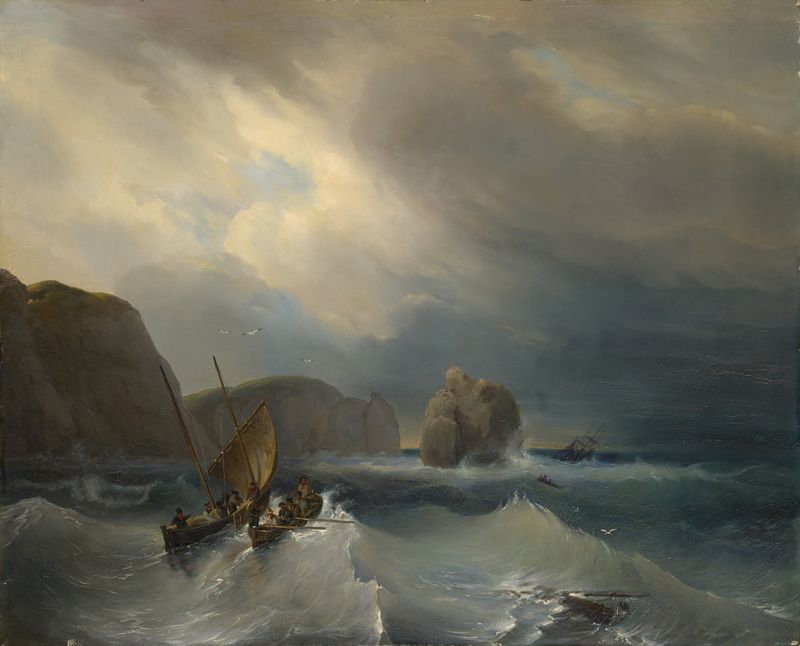
Rough Sea with Ships
Théodore Gudin
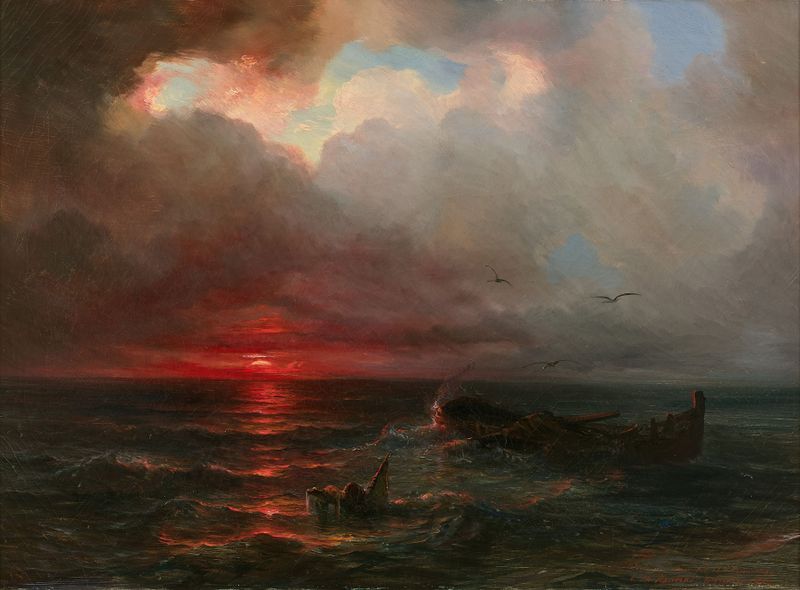
Coucher de soleil sur un littoral
Théodore Gudin
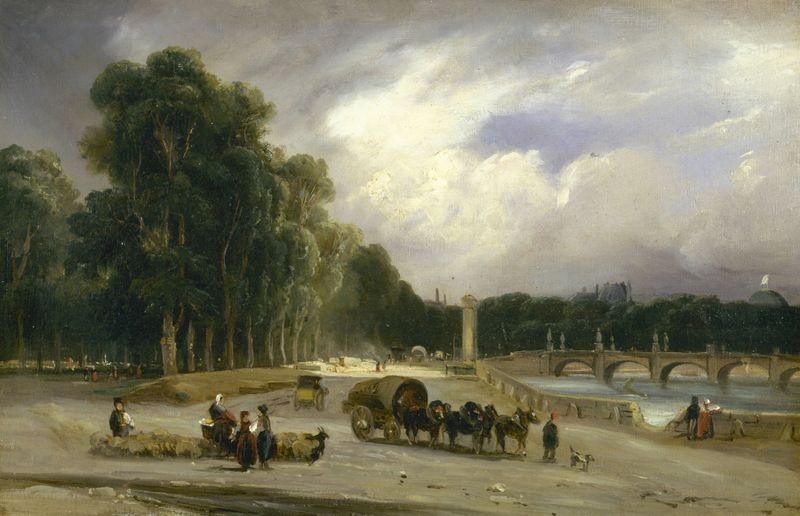
Le Cours-la-Reine
Théodore Gudin
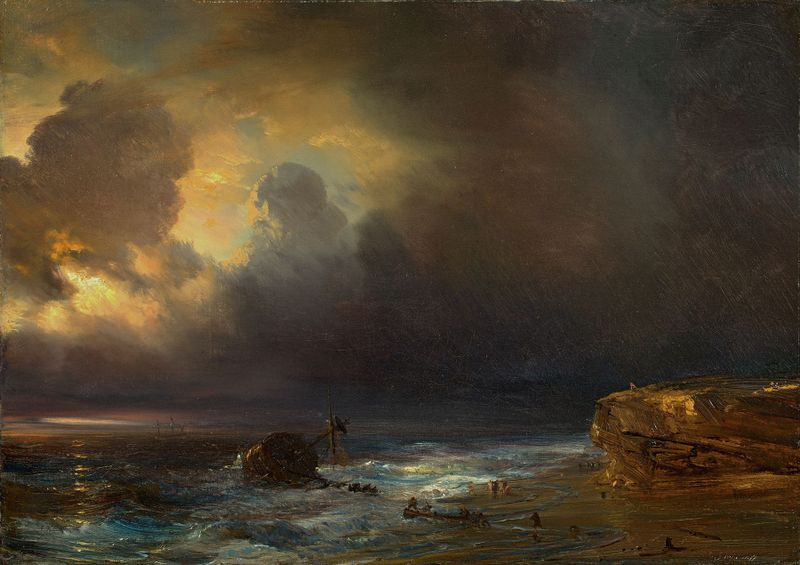
Coastal scene by moonlight
Théodore Gudin
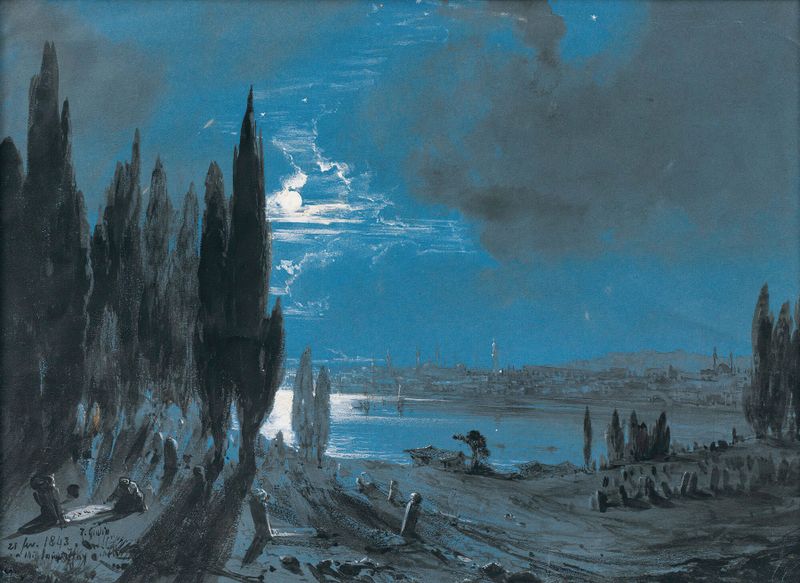
View Of Constantinople
Théodore Gudin

Shipwreck at Castello sul Mare in Rapallo
Théodore Gudin
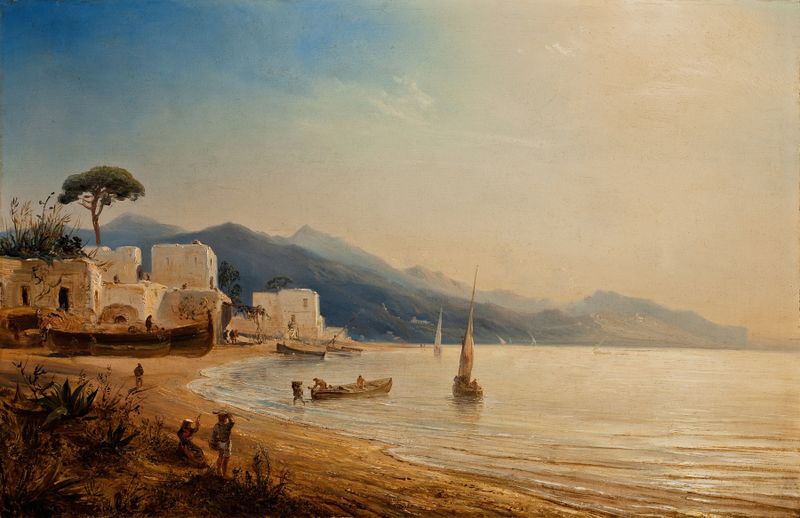
The Coast Near Naples
Théodore Gudin





