
Fishermen at Work — History & Facts
What secret hides in the quiet of the canvas? In the stillness of Fishermen at Work, beneath the surface of serene labor, lies an undercurrent of tension that challenges our perception of tranquility. Look to the left where the fishermen's figures emerge, their rugged silhouettes stark against the muted blues and grays of the water. Notice how the sun’s soft glow reflects off the rippling surface, creating a delicate interplay of light that contrasts with the weighty expressions on their faces. The brushstrokes are both deliberate and fluid, allowing the viewer to feel the rhythm of their labor while hinting at an ever-present struggle beneath the calm exterior. Hidden within the composition are echoes of a deeper narrative.
The fishermen, seemingly at peace, are bound by their toil and the relentless grasp of nature. The fishing nets, cast with care, symbolize both sustenance and the potential for violence — the choking grip of the ocean that can ensnare and consume. This duality of life and death, survival and surrender, resonates palpably through the artwork, inviting the viewer to contemplate the fragile balance between man and nature. Created during a time of artistic transition, Fishermen at Work reflects Rieger's engagement with realism amid a burgeoning interest in the emotive power of color and form.
Working in the late nineteenth century, he found himself influenced by the burgeoning Impressionist movement, which sought to capture fleeting moments of life. While the specific date of this piece remains unknown, it embodies the spirit of an era where the struggles of everyday labor were both celebrated and scrutinized in the evolving landscape of art.
More Artworks by Albert Rieger
Browse all →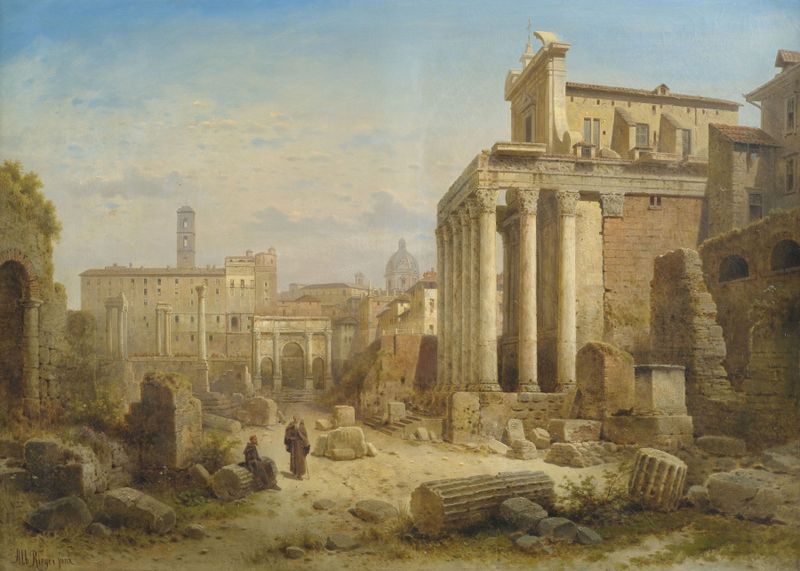
Blick auf das Forum Romanum mit dem Septimius-Severus-Bogen und dem Tempel der Faustina und des Antonius Pius
Albert Rieger

Segelschiffe Vor Venedig
Albert Rieger

The Naval Battle of Lissa
Albert Rieger

The Orient In The Evening Light
Albert Rieger
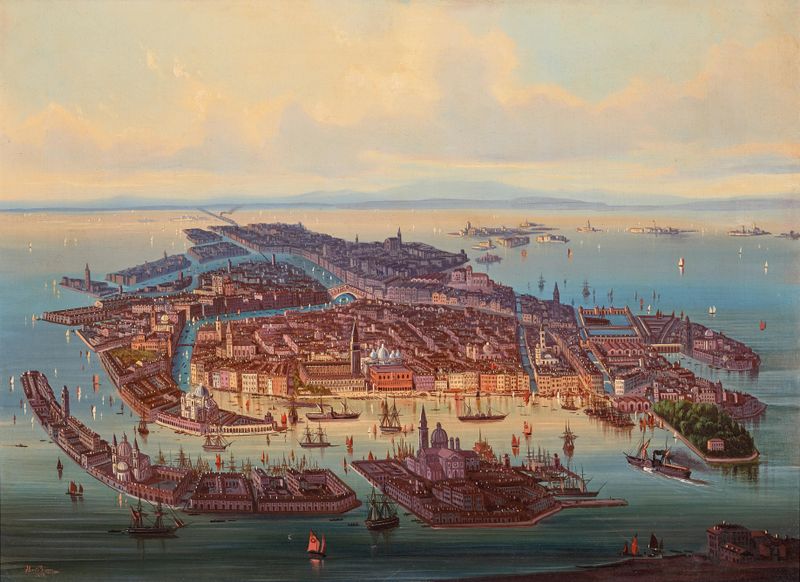
A Panoramic View Of Venice
Albert Rieger
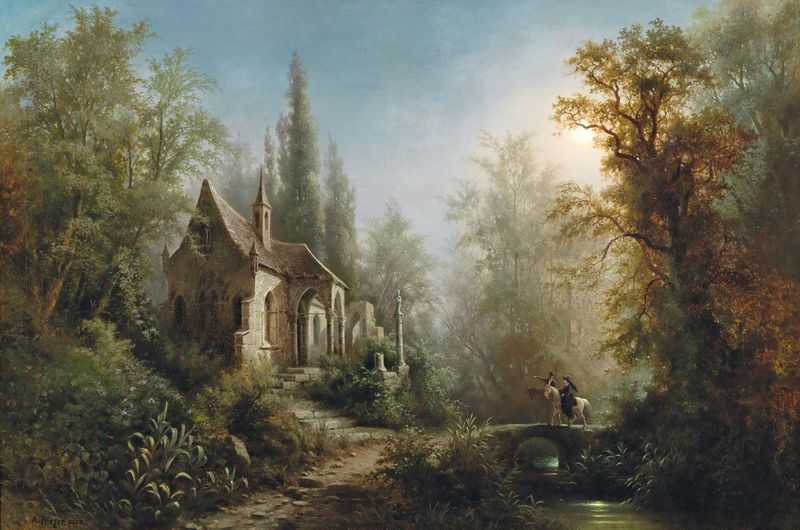
A Moonlit Night Over A Chapel And Riders
Albert Rieger
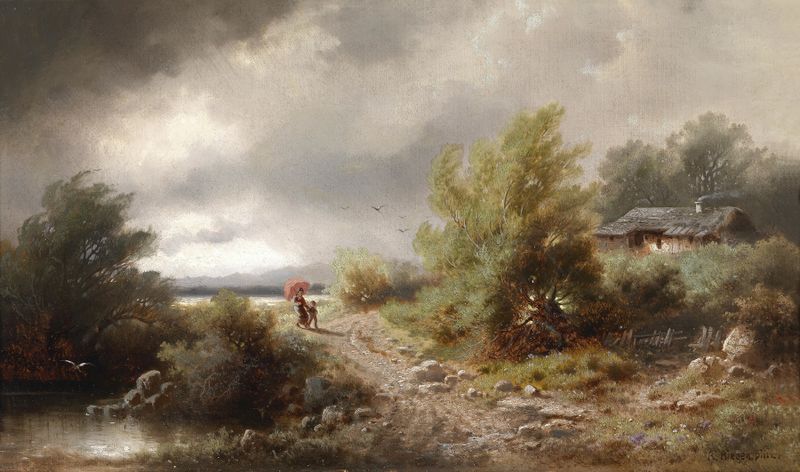
Aufziehendes Gewitter
Albert Rieger

Mountain stream
Albert Rieger
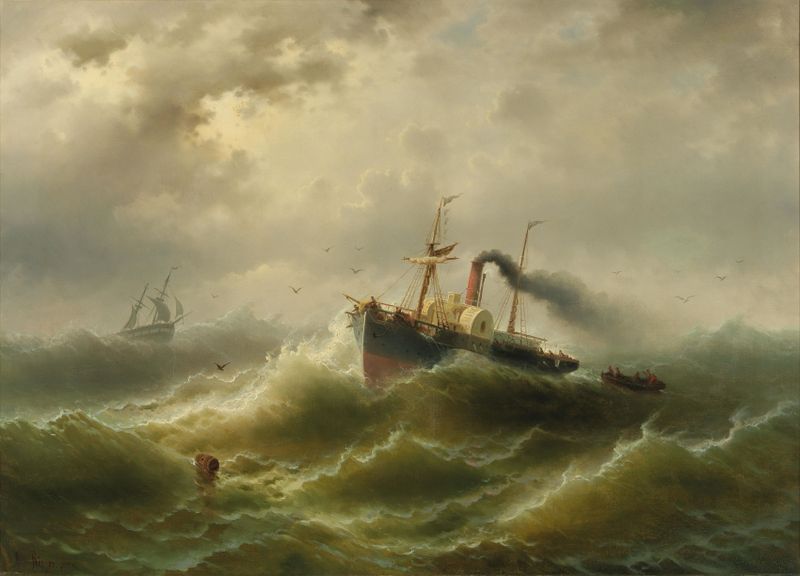
Steamboat In A Storm On The North Sea
Albert Rieger
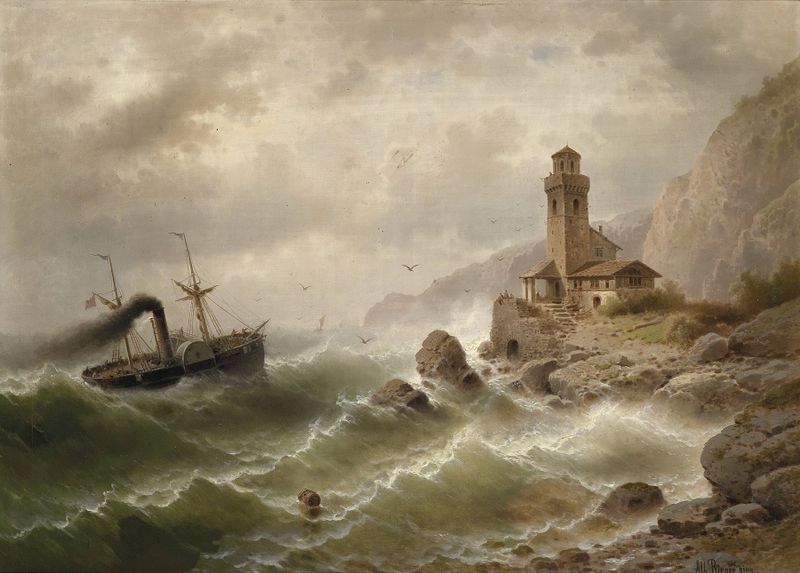
Dampfschiff vor der Küste
Albert Rieger





