
Fishing Village — History & Facts
Who listens when art speaks of silence? In Fishing Village, a poignant stillness envelops the scene, inviting viewers to ponder the weight of absence and loss. Look to the left, where a subtle interplay of muted blues and grays conjures the raw majesty of a coastal village, its boats gently bobbing in the water. The brushstrokes are soft yet deliberate, creating a sense of texture in the clouds above, their wispy forms hinting at the coming storm. Notice how the light fades, casting an ethereal glow that bathes the scene in a somber beauty, as if the village itself mourns an unseen sorrow.
The composition is both harmonious and unsettling, drawing the eye toward the tranquil water that belies the grief that lingers beneath the surface. Delve deeper into the details, where the scattered fishing nets and empty boats suggest abandonment and punctuate the air with unspoken stories. Each element—the solitary figure in the distance, the distant shore—stirs a sense of nostalgia, reflecting the quiet ache of a life once vibrant but now diminished. This stillness captures a fleeting moment in time, resonating with universal themes of loss and the passage of life, inviting the observer to reflect on their own experiences of parting. Created in 1862, the artist found inspiration during a period marked by personal struggle and the changing tides of the art world.
Herzog was living in the United States, navigating the complexities of a burgeoning career while battling the themes of nature and mortality that would define his work. Amidst the backdrop of a nation grappling with its own crises, this piece embodies an intimate meditation on the intersection of humanity and the lurking shadows of grief.
More Artworks by Hermann Ottomar Herzog
Browse all →
Snow-Capped Peaks
Hermann Ottomar Herzog
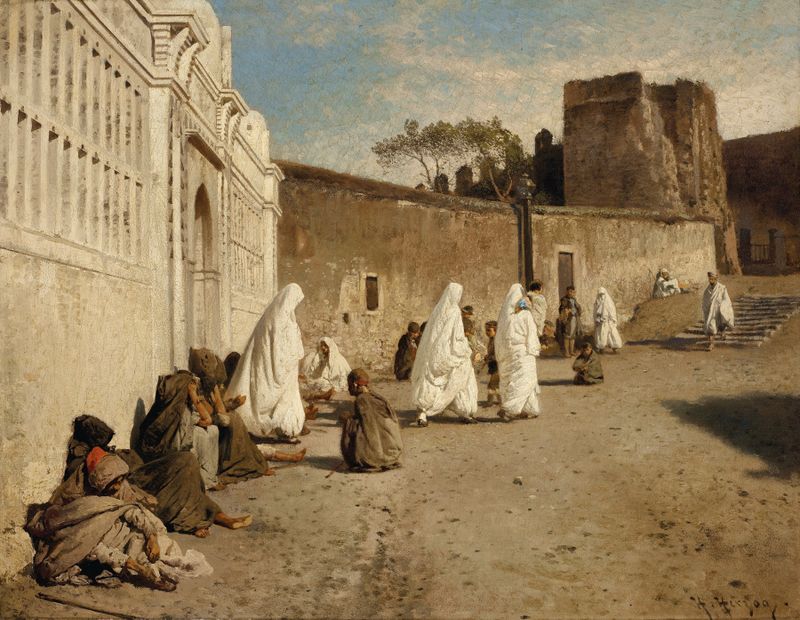
Entrance into the Alhambra, Spain
Hermann Ottomar Herzog

Hafen in Ostende
Hermann Ottomar Herzog
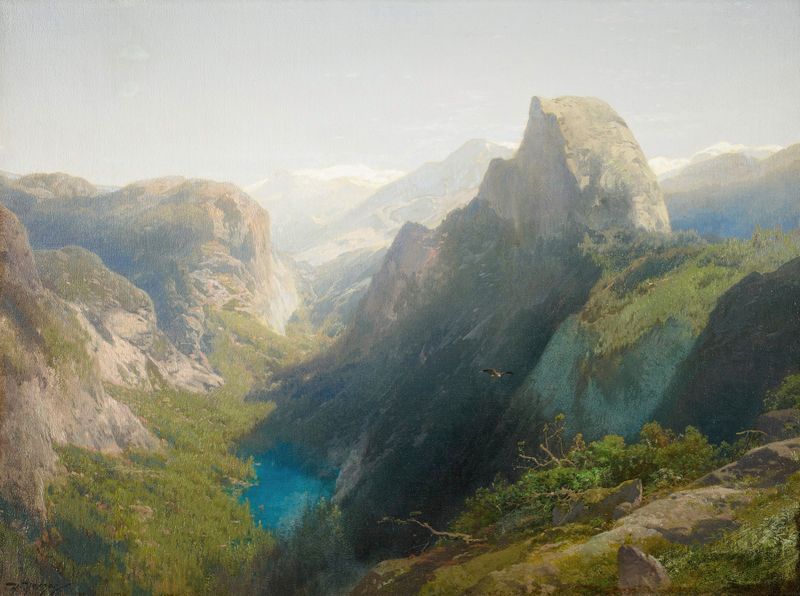
Mirror Lake, Yosemite
Hermann Ottomar Herzog
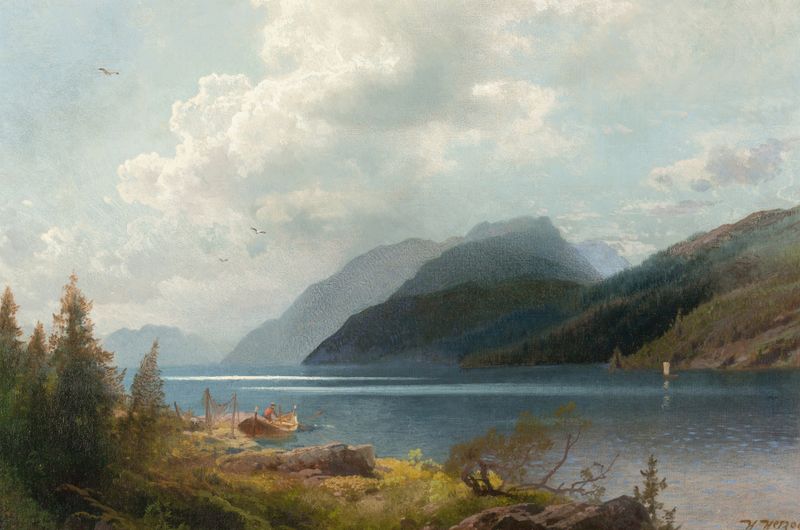
Mountain Lake, Sagne Fjord, Norway
Hermann Ottomar Herzog
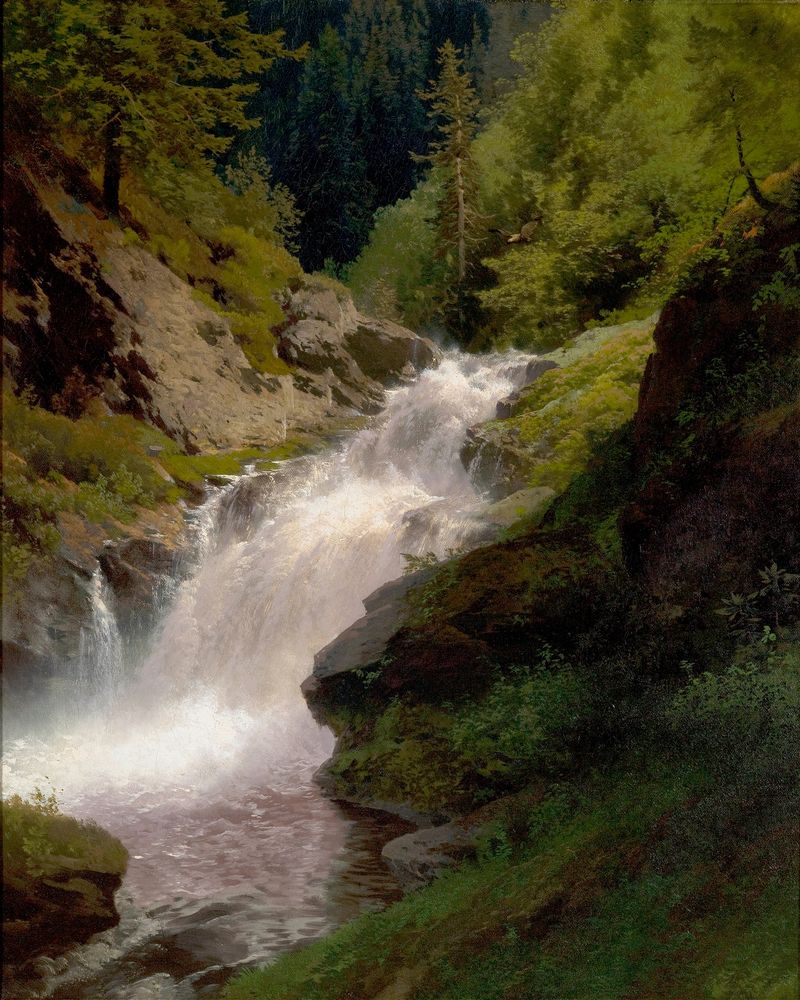
Winona Falls
Hermann Ottomar Herzog
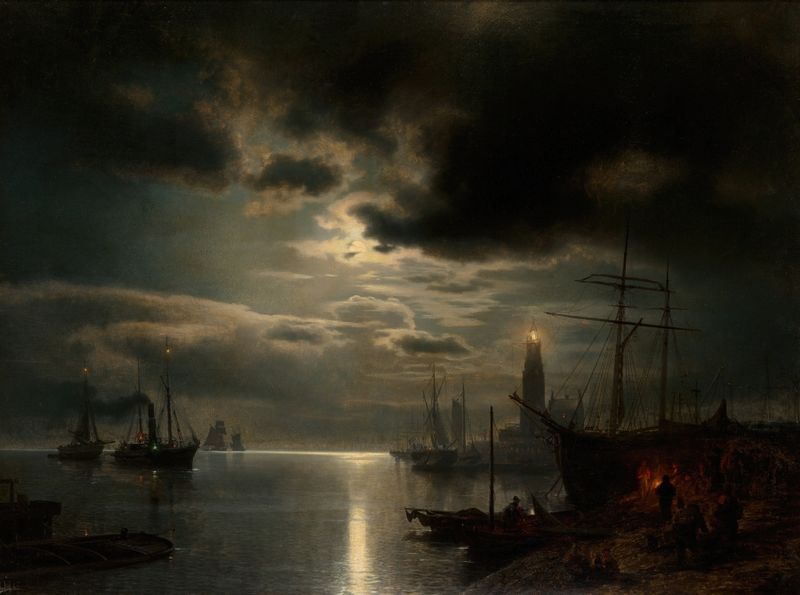
A Moonlit Harbor
Hermann Ottomar Herzog
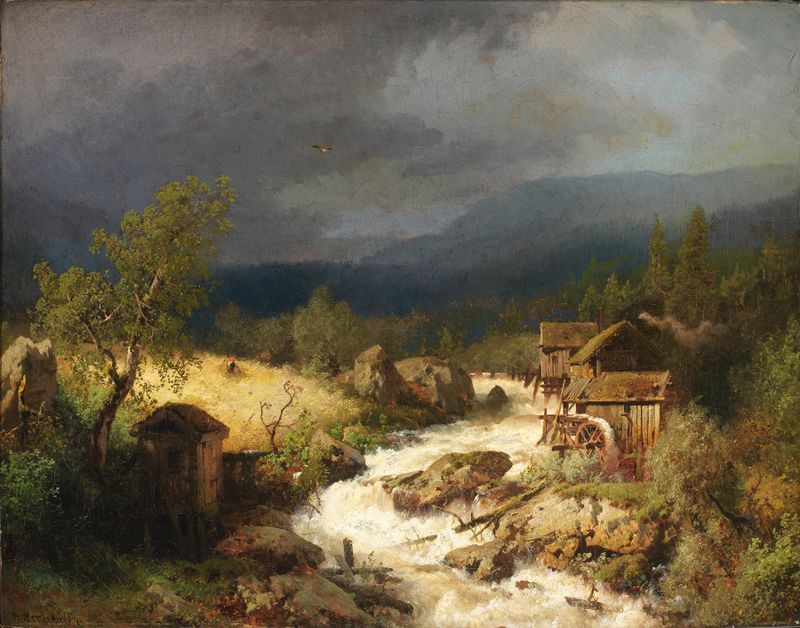
Mill on a Torrent
Hermann Ottomar Herzog

The Rippling River
Hermann Ottomar Herzog

Alpine Landscape Mountain Hut
Hermann Ottomar Herzog





