
Fūkeiga — History & Facts
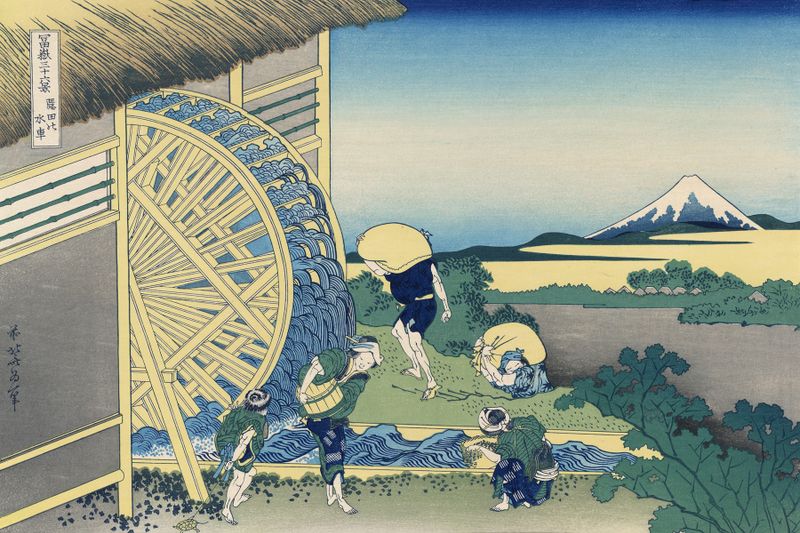
Is this a mirror — or a memory? In Fūkeiga, the landscape stretches before us, inviting contemplation on the boundaries between reality and recollection, ever so fleeting yet intensely present. Look to the foreground, where the delicate strokes of foliage intertwine with the whispering waves, guiding the eye toward distant mountains. Notice how the colors meld — the vibrant greens of the trees contrasting with the deep blues of water, each hue a testament to the artist's deft hand. The composition balances tranquility with subtle tension, as if the landscape is both a place to escape and a reminder of life’s inevitable passage. The painting evokes a sense of obsession, not just with nature but with the transience of beauty itself.
Each brushstroke encapsulates a moment in time, underscoring the fleetingness of experience. The juxtaposition of serene landscapes with the looming, distant peaks suggests a yearning for permanence amid impermanence, a duality that resonates deeply within the viewer. Created during a period of significant artistic evolution in Japan, Fūkeiga reflects the stylistic innovations of the Edo period, when Hokusai was immersed in the world of Ukiyo-e. Though the exact date remains uncertain, it is likely that he crafted this piece in the late 18th or early 19th century, a time when he was exploring the interplay of nature and human emotion, pushing boundaries and leaving an everlasting legacy on the art of landscape representation.
More Artworks by Katsushika Hokusai
Browse all →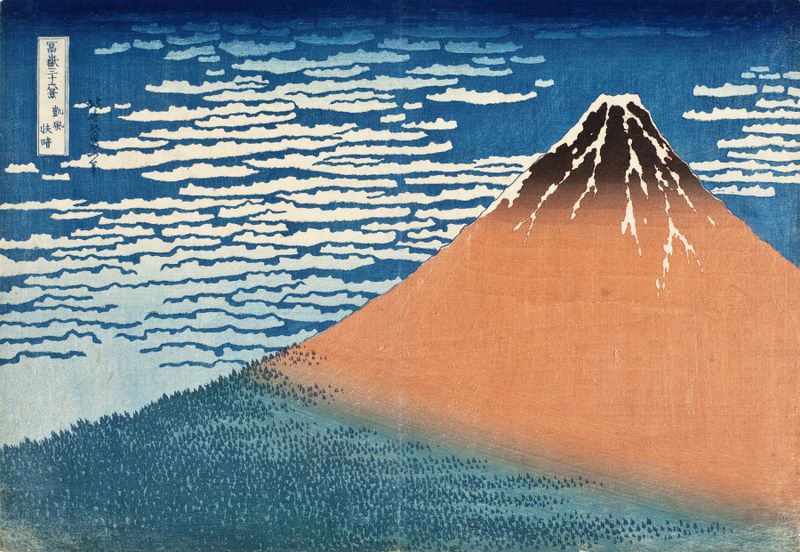
South Wind, Clear Dawn
Katsushika Hokusai

South Wind, Clear Weather
Katsushika Hokusai

Clear Weather with a Southerly Wind
Katsushika Hokusai
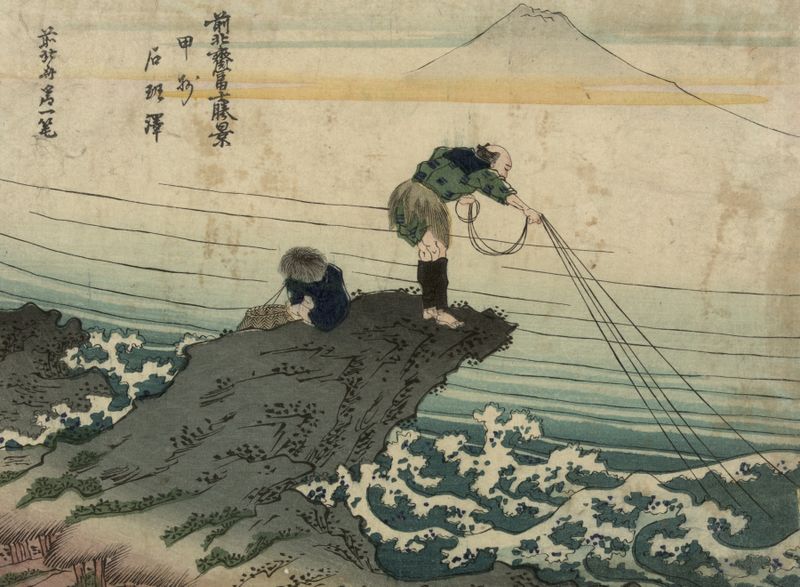
Kōshū kajikazawa
Katsushika Hokusai

Rainstorm beneath the Summit (Sanka Haku-u)
Katsushika Hokusai

Kōshū kajikazawa 2
Katsushika Hokusai
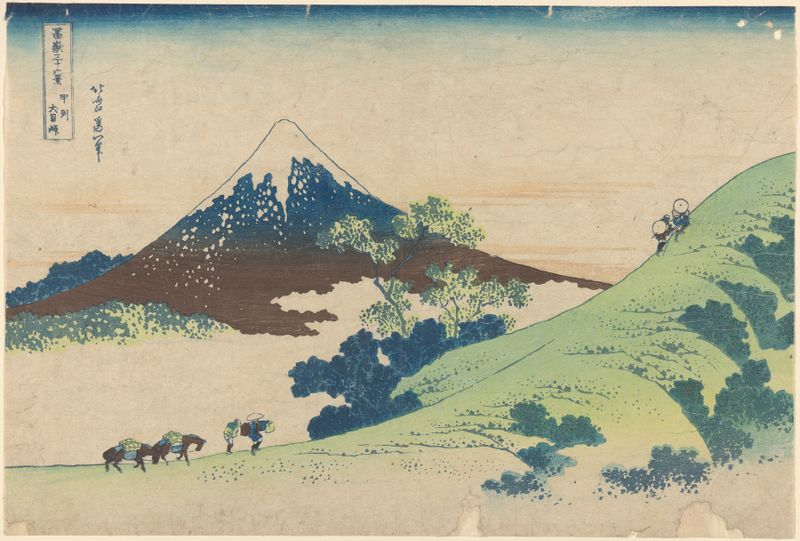
Inume Pass in Kai Province (Kôshû inume-tôge)
Katsushika Hokusai

Yoro Falls in Mino Province (Mino no Yoro no taki), from the series "A Tour of Waterfalls in Various Provinces (Shokoku taki meguri)"
Katsushika Hokusai
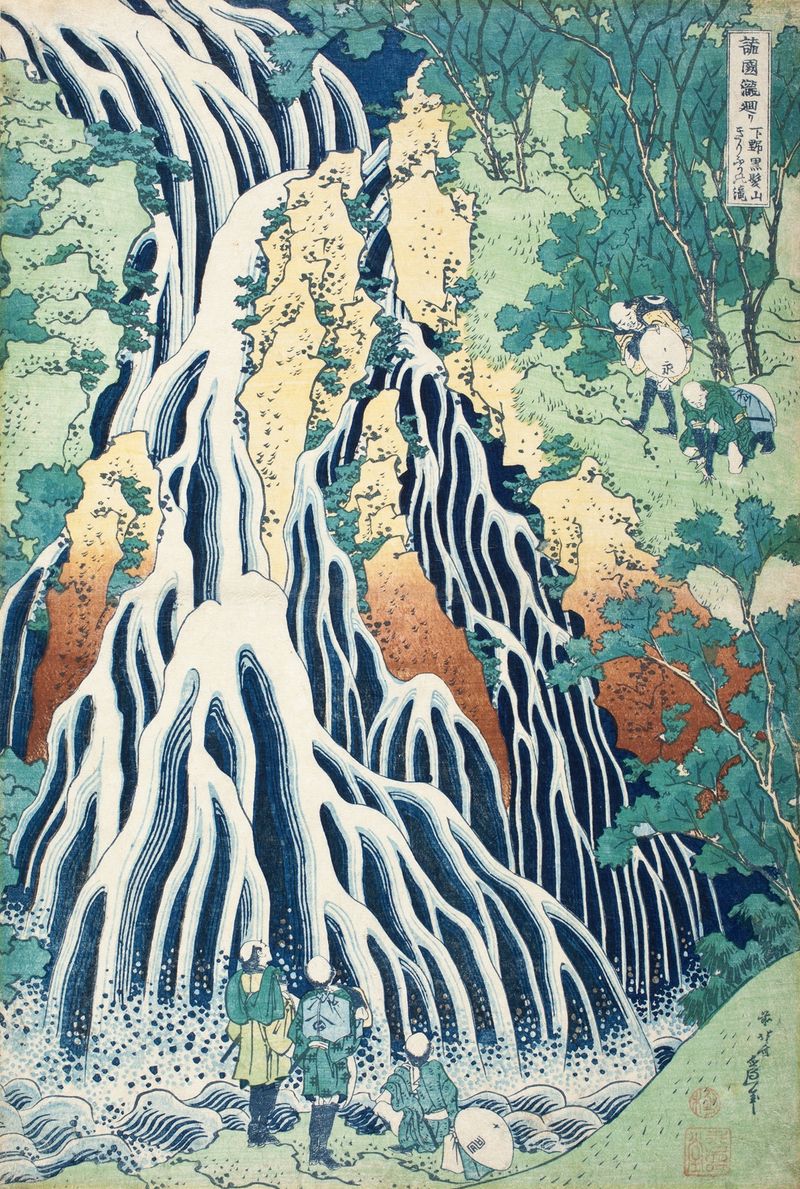
Falls of Kirifuri at Mt. Kurokami, Shimotsuke Province
Katsushika Hokusai
Onden no suisha
Katsushika Hokusai





