Flachsstiefel — History & Facts
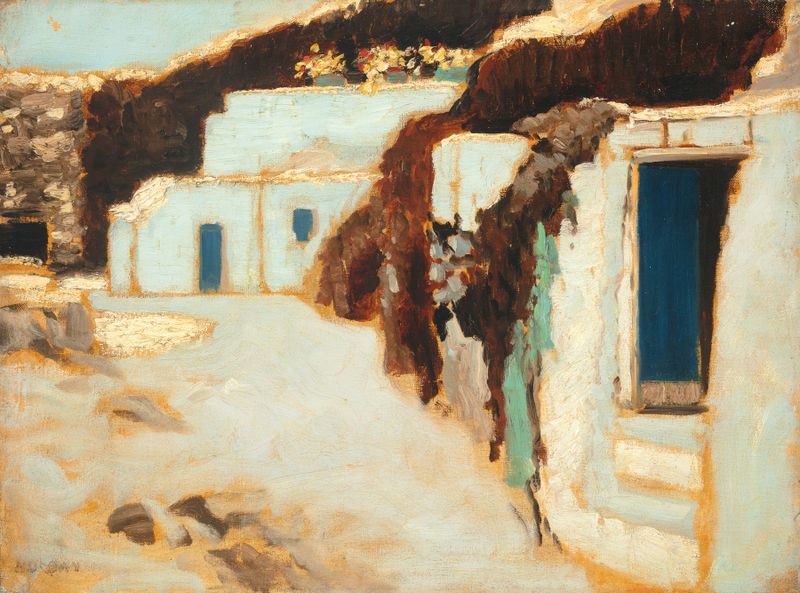
Can paint confess what words never could? The power of brushstrokes transcends speech, capturing tumultuous emotions and revolutionary spirit within the confines of a canvas. Look to the center of the composition, where a pair of sturdy boots stands resolutely against a backdrop of swirling, muted colors. The artist’s choice of a dark palette, punctuated by splashes of red, evokes urgency and unrest. Notice how the boots, rendered with a textured realism, seem to dominate the space, a symbol of the working class and their struggles against adversity.
The dynamic interplay of light and shadow creates a sense of movement, as though the boots might step forward at any moment, urging change. Amidst the layers of oil paint lies a deeper narrative—one that speaks to the resilience and defiance of a people on the brink of upheaval. The boots are not merely footwear; they represent the weight of history and the burdens carried by those yearning for progress. The surrounding tumult suggests a world in flux, a microcosm of societal unrest, hinting at the broader revolution sweeping through Europe in the early 20th century. In 1917, amid the backdrop of World War I and the growing German revolution, Hermann Urban painted Flachsstiefel.
Located in Munich, his work reflects a time of significant change, as the artist grappled with the tensions between personal expression and the collective struggle of society. As the art world shifted, Urban's bold approach to modernist themes echoed the cries for freedom and justice igniting across the continent.