Sommernacht — History & Facts
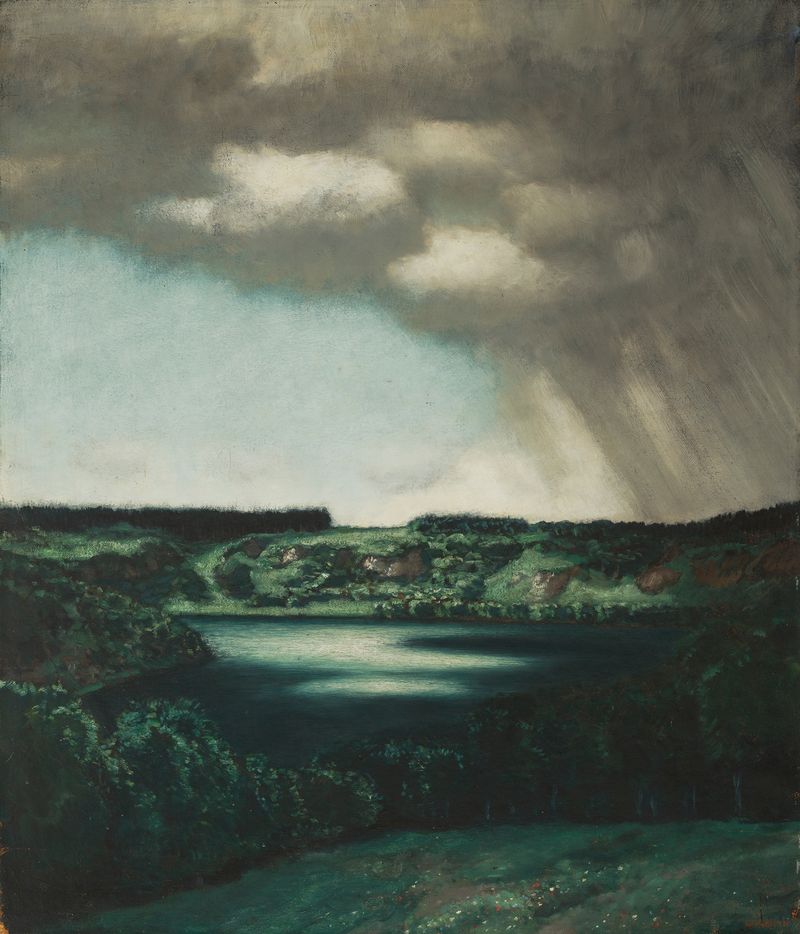
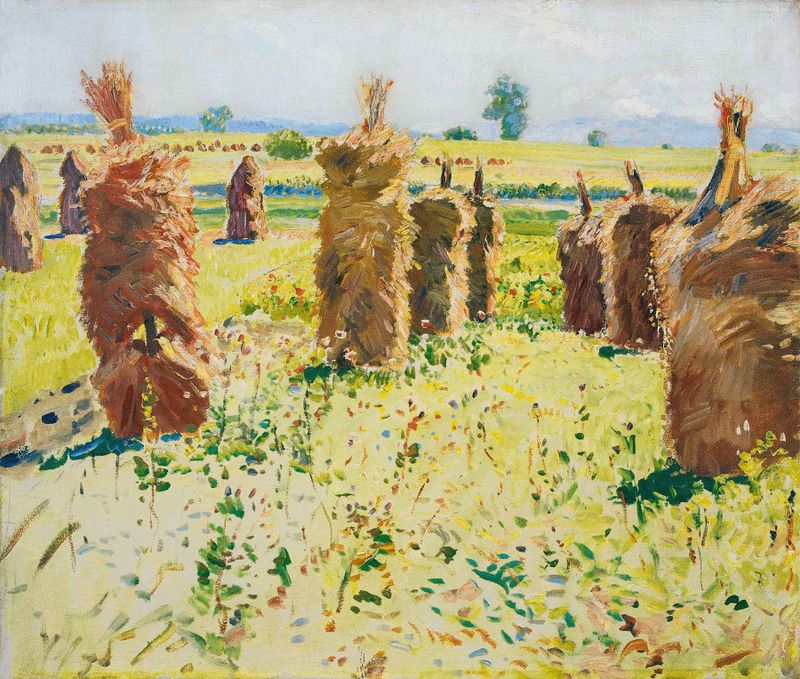
In the vacuum of silence, the artwork resonates, echoing the profound absence that gives way to existence. It invites us to confront the void, a space that is both daunting and liberating, brimming with untold stories and emotions. Look to the center of Sommernacht, where muted hues blend seamlessly, creating an enchanting twilight atmosphere. The delicate swirls of indigo and deep greens draw the eye inward, inviting contemplation.
Notice how the faint, almost ethereal light clusters around the periphery, illuminating the edges while casting shadows that suggest movement and depth. Each stroke appears deliberate yet spontaneous, embodying the dichotomy of chaos and calm that defines the quiet moments of life. Exploring further, we encounter the emotional tension that underpins the composition. The interplay of light and dark reflects a struggle between presence and absence, evoking longing and nostalgia.
Hidden within the layers of color are hints of forgotten memories and aspirations, pushing us to confront the void from which they emerge. Urban's choice of palette speaks to a collective yearning, capturing a universal human experience of searching for meaning in the spaces that often remain unfilled. In 1924, Hermann Urban created this piece amidst the shifting tides of post-World War I Europe, a time marked by both turmoil and a quest for renewal in the arts. Living in Germany, Urban was part of a broader movement that sought to redefine artistic expression in the wake of societal upheaval.
His work reflects not only personal introspection but also a commentary on the existential void that many grappled with during this transformative era.