Nach dem Regen — History & Facts
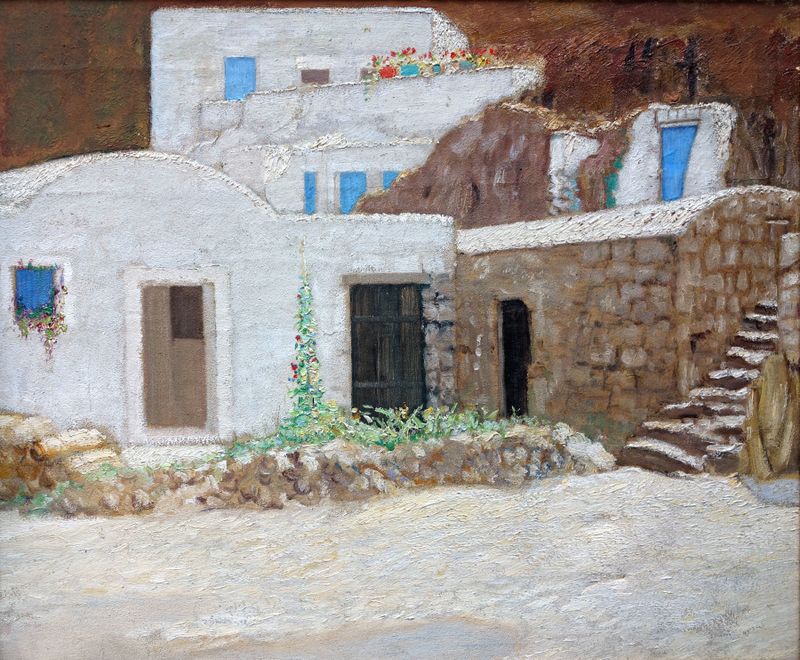
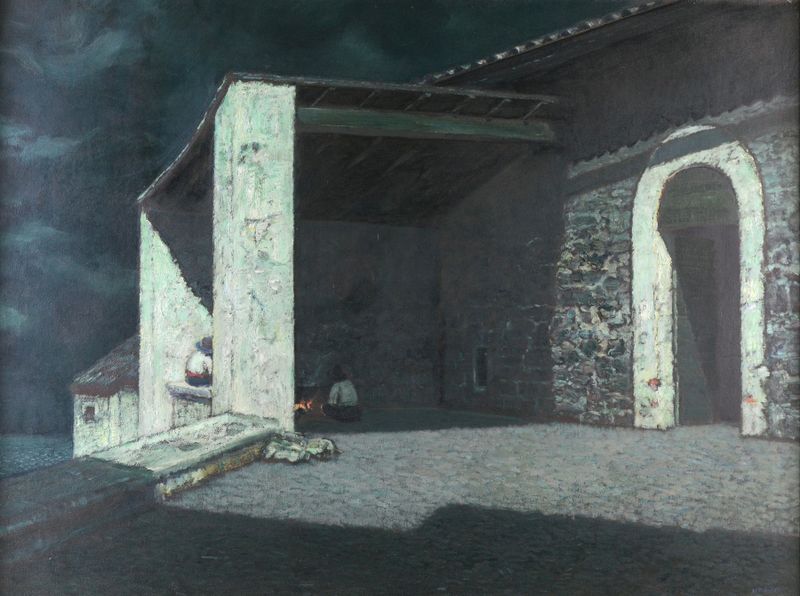
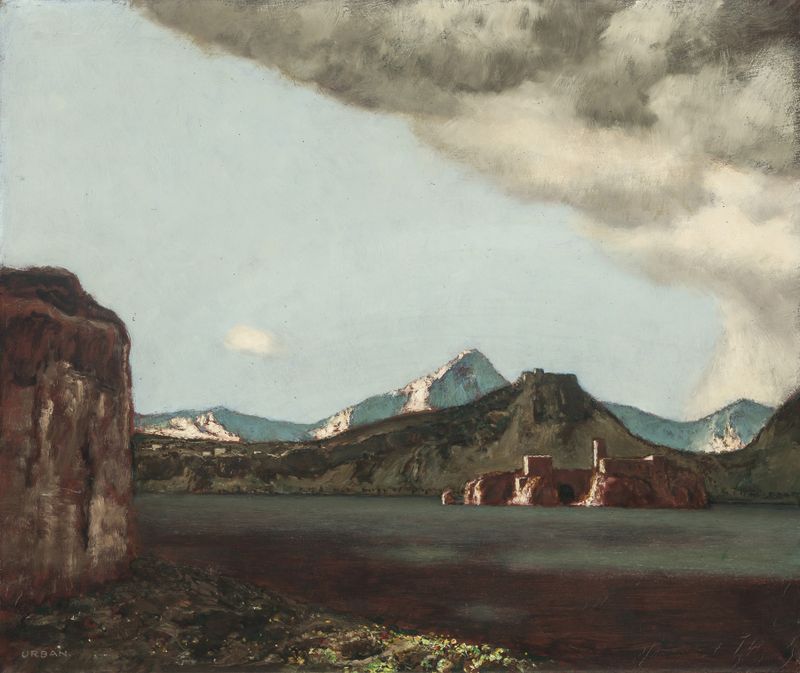
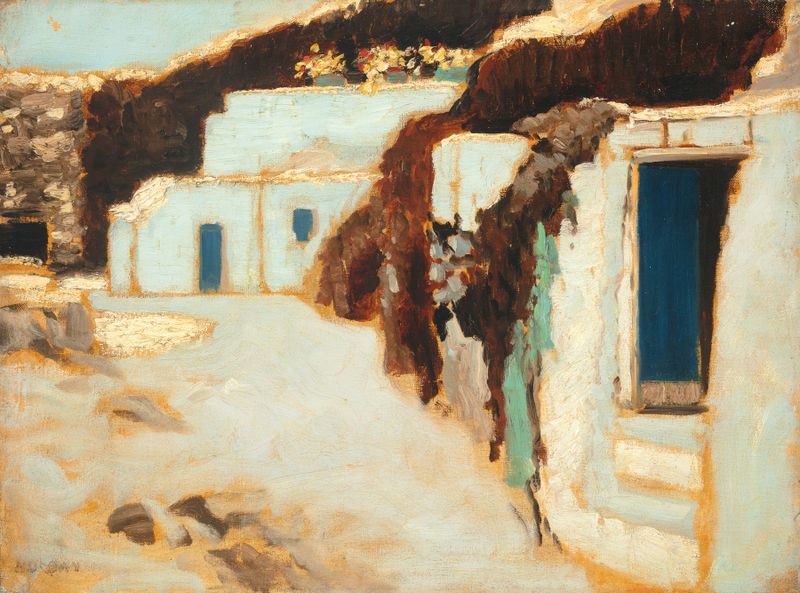
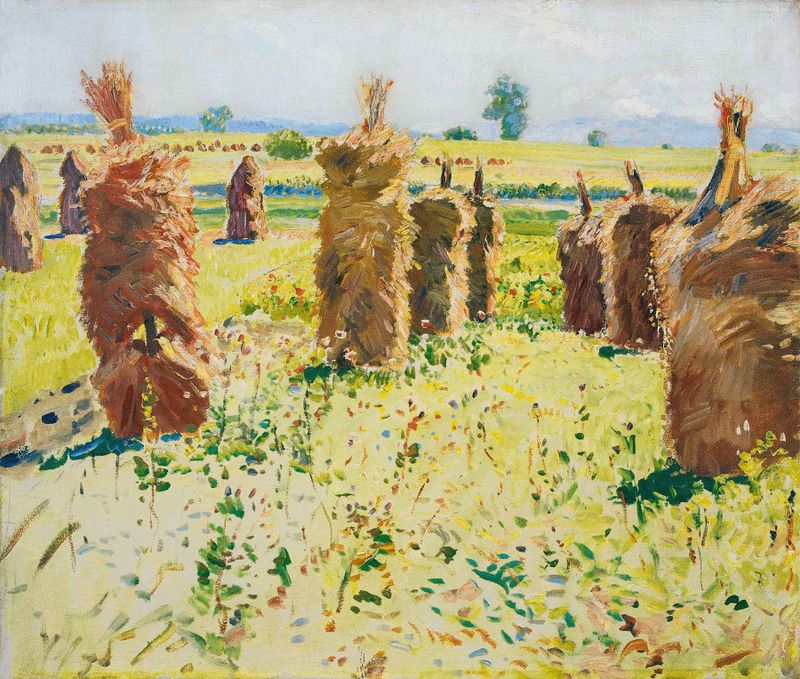
What secret hides in the quiet of the canvas? In Nach dem Regen, Hermann Urban unveils a world drenched in stillness, where the remnants of a tumultuous storm linger in the air, whispering tales of betrayal and unspoken words. Look to the left at the delicate trails of rain-soaked earth, each stroke capturing the dampness that embraces the landscape. Focus on the muted greens and browns that stretch across the canvas, punctuated by the soft glow of a pale sky breaking through the clouds. The composition draws the eye upward, where the horizon blurs into a gentle promise of light, suggesting an uneasy calm after the tempest.
Urban’s technique, a blend of impressionistic brushwork, conveys both the beauty and fragility of nature, inviting the viewer to pause and reflect. As you delve deeper, notice the interplay of shadow and light, evoking a complex emotional landscape. The slick ground seems to harbor a tension, the mirror-like surface reflecting not just the sky above but perhaps the hidden turmoil beneath. The absence of human figures intensifies the feeling of isolation, hinting at underlying themes of betrayal and the harsh realities that often follow nature’s whims.
It is as if the landscape itself bears witness to events unseen, embodying a world where silence speaks louder than words. In 1934, Urban painted this piece amidst a backdrop of social and political upheaval in Germany. The rise of the Nazi regime cast a shadow over artists who grappled with their identities and the changing currents of society. In this context, Nach dem Regen becomes a poignant reflection of both personal and collective disillusionment, an exploration of the quiet betrayals that often accompany moments of apparent beauty.