Flamingo Shooting in South America — History & Facts
In Flamingo Shooting in South America, we are invited to witness a moment that transcends mere representation, connecting us to the pulse of the natural world. Look closely at the vibrant palette that dominates the canvas — bold reds and soft pinks dance in the flamingos’ plumage, while the lush greens of their tropical surroundings create an alluring backdrop. The artist employs swift, dynamic strokes, capturing the elegance and grace of these remarkable birds in flight. Notice how the soft light highlights the glistening feathers, drawing your gaze to their intricate details, as if each bird is not just alive but bursting with spirit. Yet, beneath the vivid surface lies a deeper tension.
The act of shooting, depicted in this serene yet charged scene, evokes a complex interplay between beauty and violence, celebration and loss. The juxtaposition of the flamingos’ fragile grace against the menacing presence of the hunter suggests a fleeting moment on the precipice of change. It reflects the broader transformation of nature and the impact of human intervention, inviting contemplation of our relationship with the environment. In 1856, George Catlin painted this evocative scene during his travels in South America, a time when he sought to document the landscapes and indigenous peoples of the continent.
This period marked a significant transition in the art world, as Catlin championed a vision that blended the romanticism of nature with the realities of exploitation. His work aimed to preserve the beauty of a world that was rapidly changing, making Flamingo Shooting not only a depiction of a singular moment but also a poignant commentary on the fragility of existence.
More Artworks by George Catlin
Browse all →
Wichita Lodge, Thatched With Prairie Grass
George Catlin

Ball-play of the Choctaw–Ball Up
George Catlin

Sioux Worshiping At The Red Boulders
George Catlin
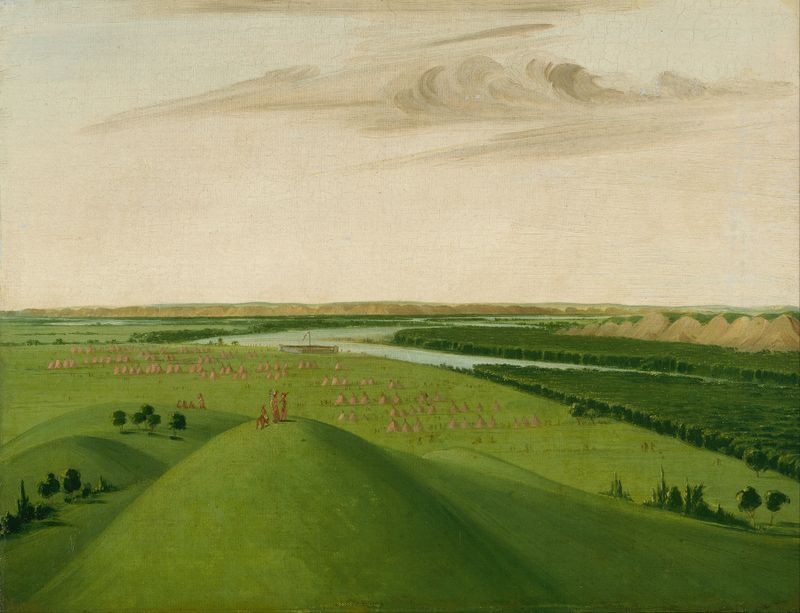
Fort Union, Mouth of the Yellowstone River, 2000 Miles above St. Louis
George Catlin
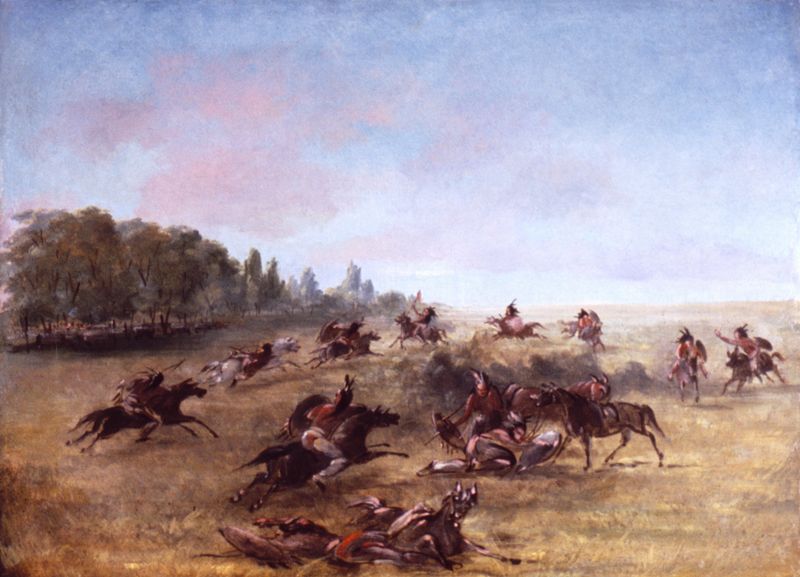
Mounted War Party Scouring A Thicket
George Catlin

Buffalo Chase, A Surround by the Hidatsa
George Catlin
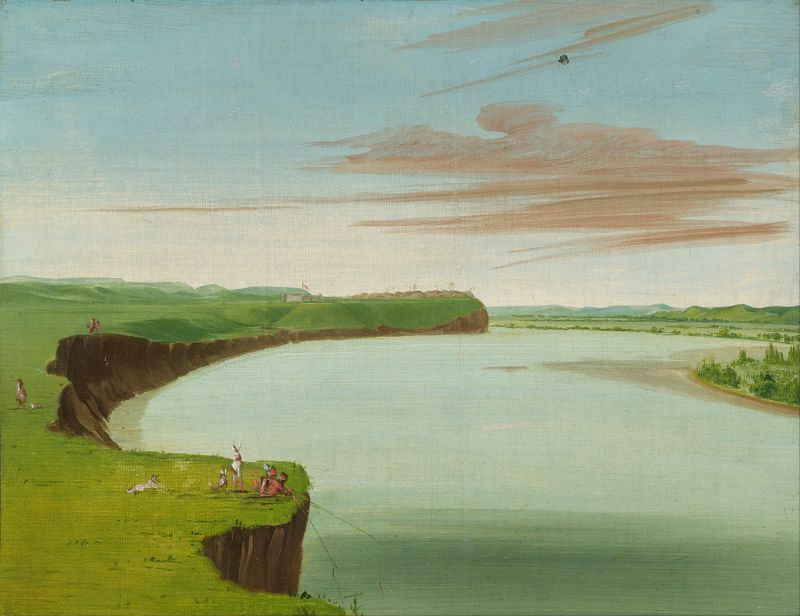
Distant View of the Mandan Village
George Catlin
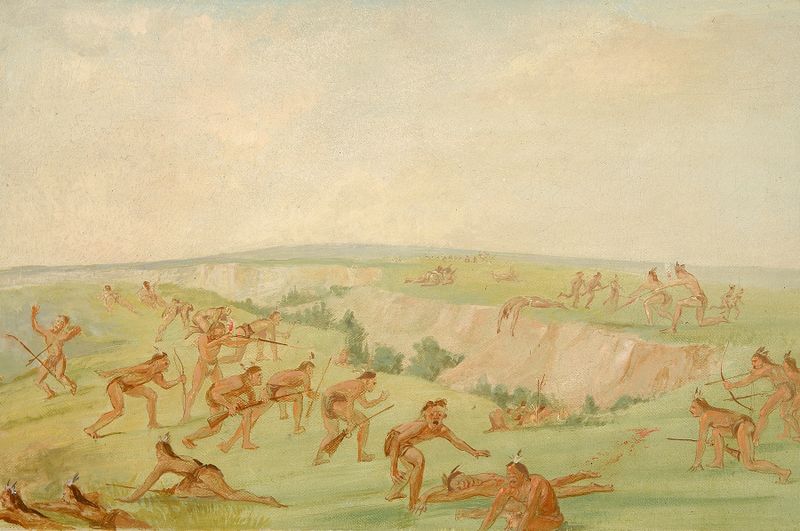
Mandan Attacking A Party Of Arikara
George Catlin
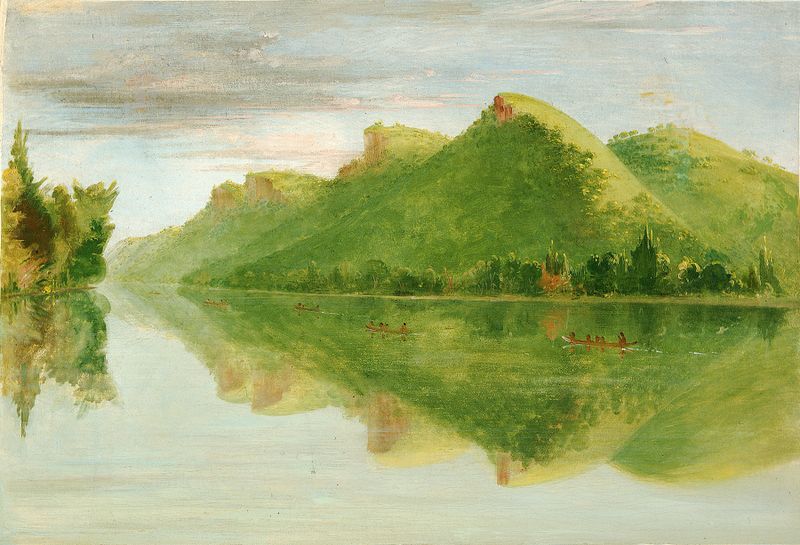
View On The Upper Mississippi, Beautiful Prairie Bluffs
George Catlin
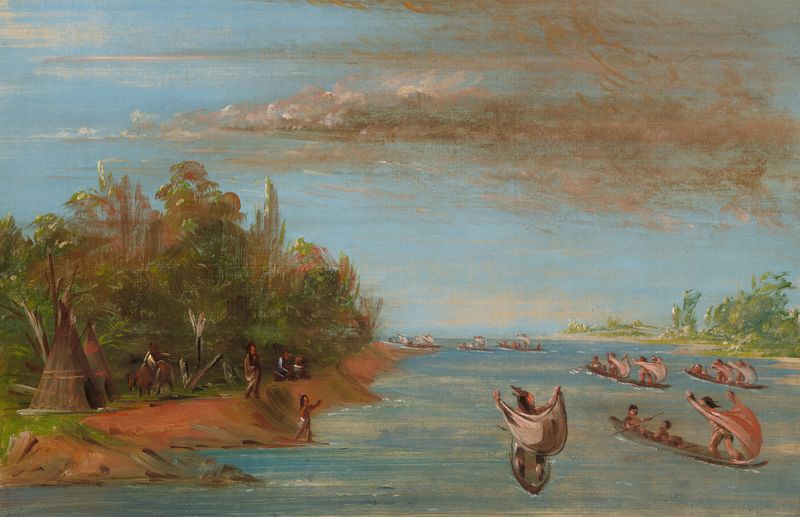
Sac And Fox Sailing In Canoes
George Catlin