Flowers — History & Facts
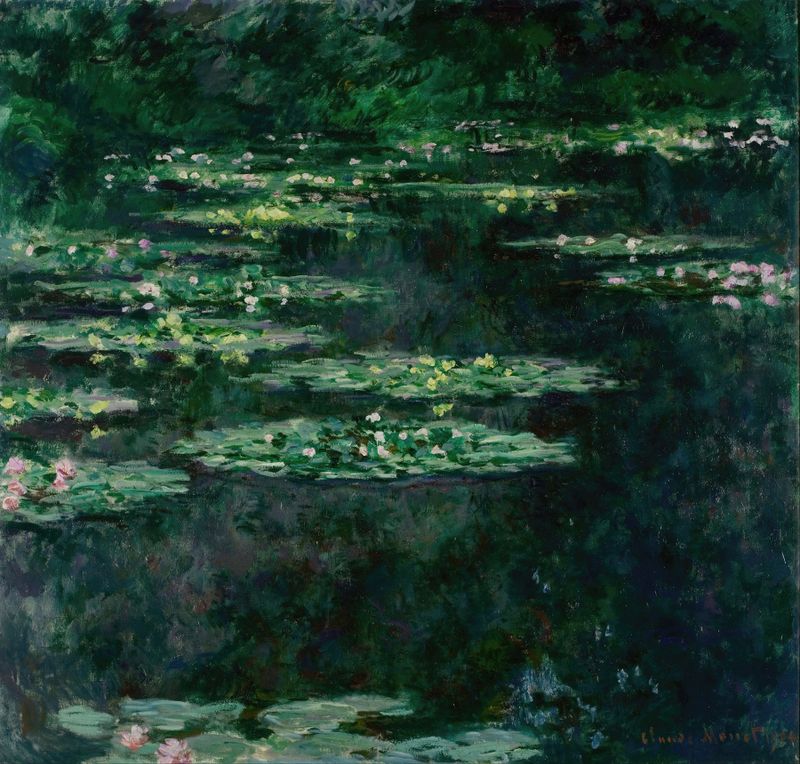
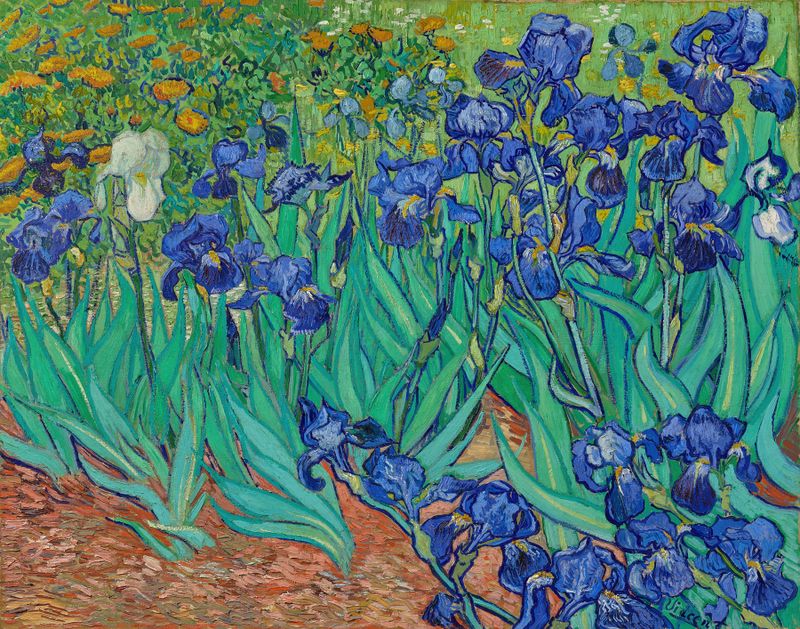
When did color learn to lie? In a world where hues dance and bloom, Flowers invites us to ponder if nature's palette can deceive. Look to the center of the canvas, where a vibrant explosion of blossoms captivates the eye. Rich reds, deep purples, and sunny yellows intermingle, creating a lush tapestry that appears almost tangible. Notice how Child employs soft brushstrokes to evoke a sense of movement, as if the petals are subtly swaying in an unseen breeze, while the background, rendered in a muted gold, frames this floral abundance with an air of ethereal warmth. Beyond their surface beauty, the flowers symbolize a fleeting moment — a reminder of nature's transience amidst a rapidly industrializing world.
Each petal's delicate structure contrasts with the increasingly mechanical life outside the canvas's confines. The juxtaposition of vibrant life against a soft, somber background gestures toward a broader societal revolution, one where the natural and the artificial collide, provoking questions about authenticity and existence. Painted in 1894, Child found himself amid a transformative era in American art, where Impressionism was taking hold, urging artists to explore color and light more freely. The artist, based in Boston, sought to connect viewers to the beauty of nature while grappling with the encroaching changes of modernity.
This tension between the organic and the industrial is captured with striking clarity in Flowers, embodying both a celebration and a lament for a world caught between progress and preservation.